Fly Cruise From
£11699pp £7399PP
View Itinerary Enquire wishlist-heart

ITINERARY

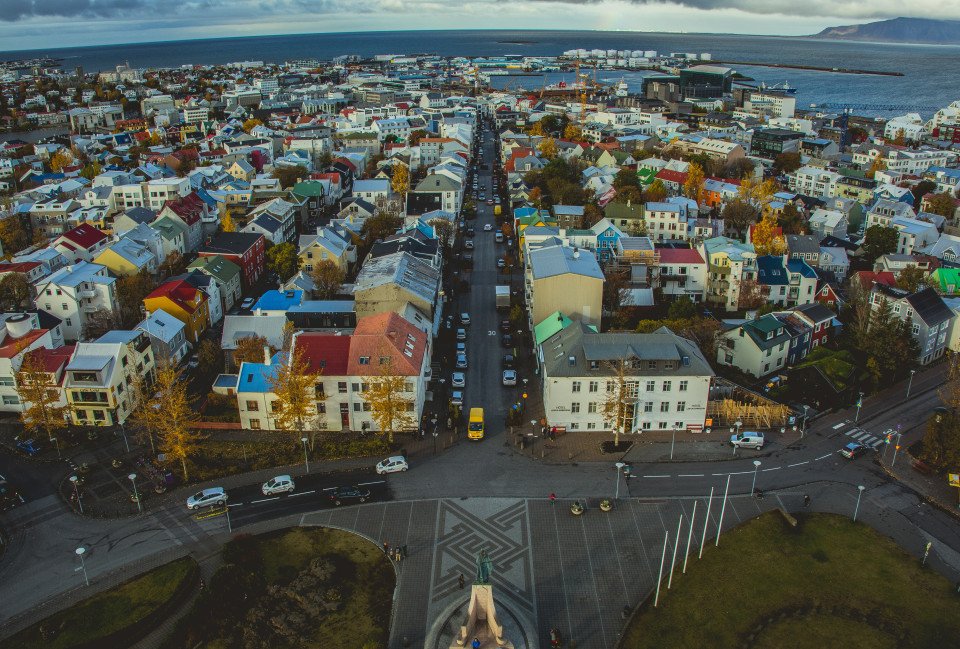
Sprawling Reykjavík, the nation's nerve center and government seat, is home to half the island's population. On a bay overlooked by proud Mt. Esja (pronounced eh-shyuh), with its ever-changing hues, Reykjavík presents a colorful sight, its concrete houses painted in light colors and topped by vibrant red, blue, and green roofs. In contrast to the almost treeless countryside, Reykjavík has many tall, native birches, rowans, and willows, as well as imported aspen, pines, and spruces.Reykjavík's name comes from the Icelandic words for smoke, reykur, and bay, vík. In AD 874, Norseman Ingólfur Arnarson saw Iceland rising out of the misty sea and came ashore at a bay eerily shrouded with plumes of steam from nearby hot springs. Today most of the houses in Reykjavík are heated by near-boiling water from the hot springs. Natural heating avoids air pollution; there's no smoke around. You may notice, however, that the hot water brings a slight sulfur smell to the bathroom.Prices are easily on a par with other major European cities. A practical option is to purchase a Reykjavík City Card at the Tourist Information Center or at the Reykjavík Youth Hostel. This card permits unlimited bus usage and admission to any of the city's seven pools, the Family Park and Zoo, and city museums. The cards are valid for one (ISK 3,300), two (ISK 4,400), or three days (ISK 4,900), and they pay for themselves after three or four uses a day. Even lacking the City Card, paying admission (ISK 500, or ISK 250 for seniors and people with disabilities) to one of the city art museums (Hafnarhús, Kjarvalsstaðir, or Ásmundarsafn) gets you free same-day admission to the other two.

Tórshavn
Tórshavn, the charming capital of the Faroe Islands, is a captivating blend of stunning landscapes and rich cultural heritage. With its picturesque harbour, colourful turf-roofed houses, and narrow streets, the city invites exploration and discovery. Visitors can immerse themselves in local culture through museums, enjoy traditional Faroese cuisine at cosy cafés, and engage in outdoor activities like hiking and birdwatching. Throughout the year, Tórshavn comes alive with festivals celebrating music and art, making it a vibrant destination that beautifully showcases the spirit and beauty of the Faroe Islands.

Klaksvik
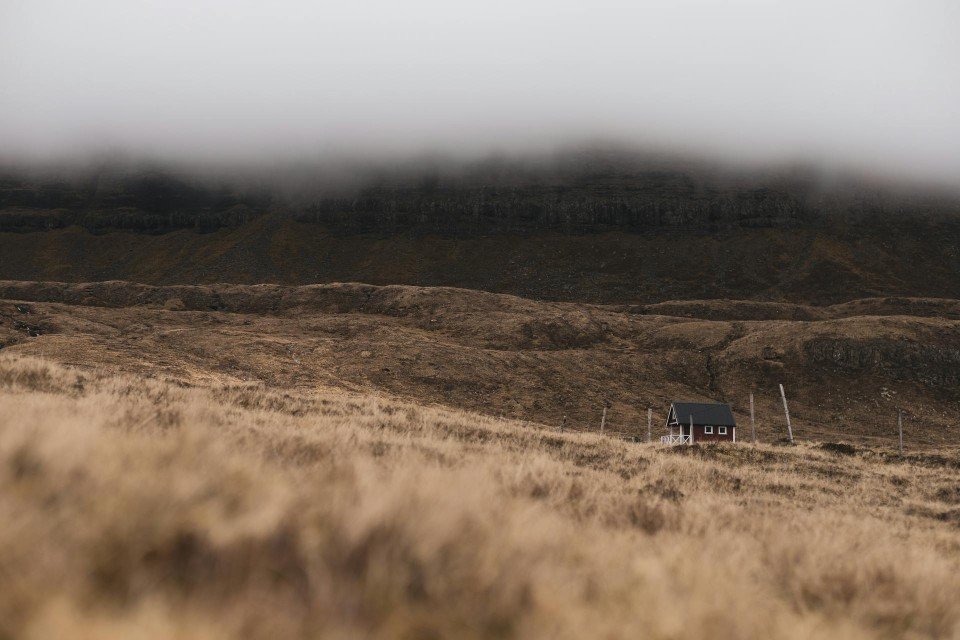
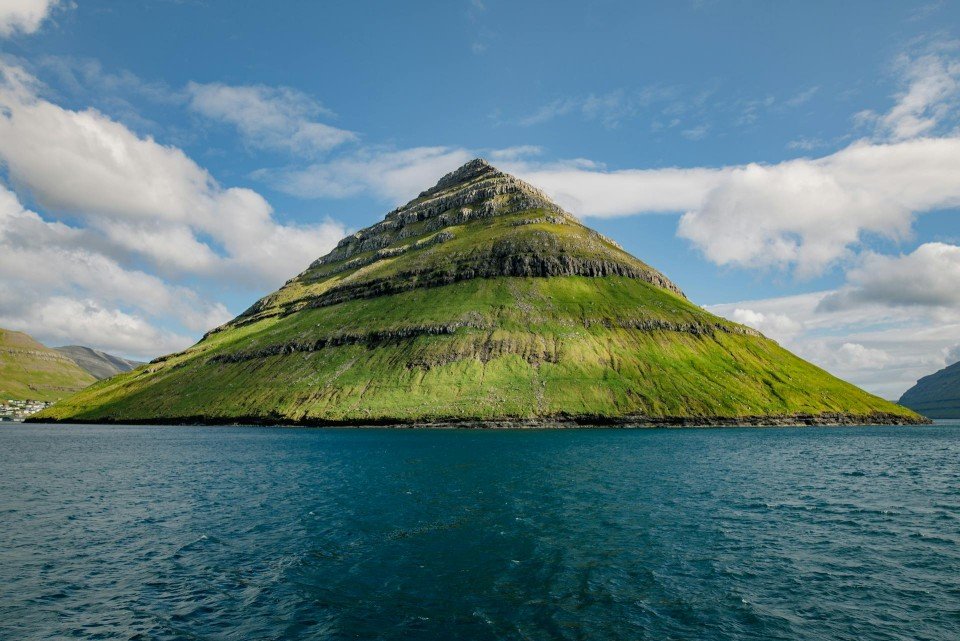
Klaksvik is the second-largest town in the Faroe Islands, located on the northern island of Borðoy. Known for its stunning natural scenery, Klaksvik is surrounded by dramatic mountains and picturesque fjords, making it a haven for outdoor enthusiasts. The town has a vibrant fishing industry and boasts a rich maritime history, reflected in its charming harbour and traditional wooden houses. Visitors can explore local culture through museums, art galleries, and festivals celebrating Faroese traditions. Klaksvik also serves as a gateway to nearby islands, offering opportunities for hiking, birdwatching, and experiencing the breathtaking landscapes of the Faroe Islands. With its unique blend of natural beauty and cultural heritage, Klaksvik is a captivating destination for travellers.

Stornoway, Isle of Lewis
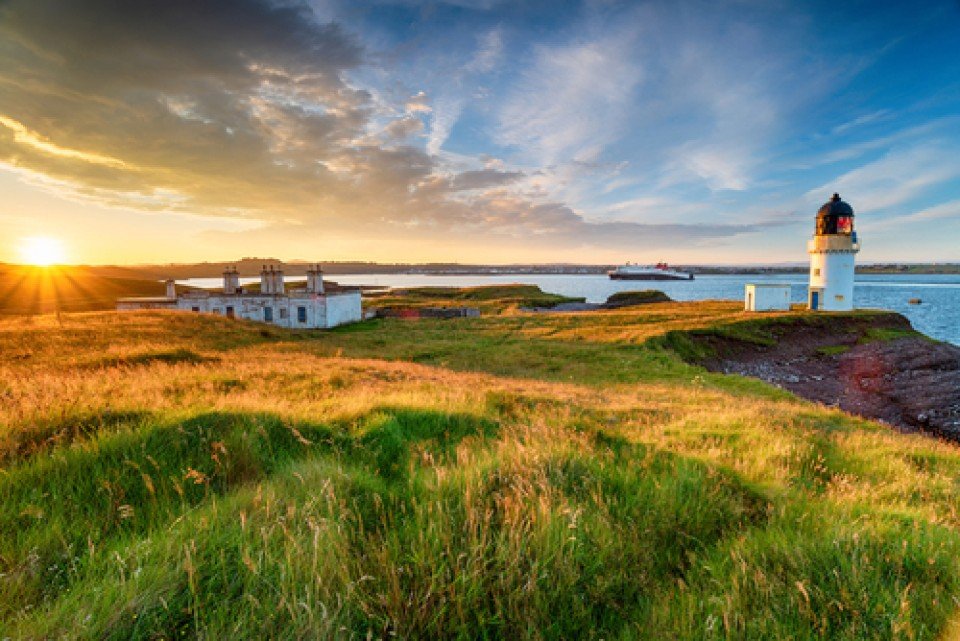
Tour description Stornoway, Scotland The Isle of Lewis and Harris is the northernmost and largest of the Outer Hebrides-the Western Isles in common parlance. The island's only major town, Stornoway, is on a nearly landlocked harbor on the east coast of Lewis. It's the port capital for the Outer Hebrides and the island's cultural center, such that it is. Stornoway has an increasing number of good restaurants. Lewis has some fine historic attractions, including the Calanais Standing Stones-a truly magical place. The Uists are known for their rare, plentiful wildlife. Stornoway. Besides being the island's main entry point for ferries, Stornoway is also Lewis's main arts center. You'll find some good restaurants in town if you want to have lunch off the ship. The town can be explored by bicycle if you are so inclined. Local rental shops can give you advice on where to ride, including a route to Tolsta that takes in five stunning beaches before reaching the edge of moorland. An Lanntair Arts Centre. The fabulous An Lanntair Arts Centre has exhibitions of contemporary and traditional art, as well as a cinema, a gift shop, and a restaurant serving international and Scottish fare. There are frequent traditional musical and theatrical events in the impressive auditorium. Kenneth St.. Black House. In the small community of Arnol, the Black House is a well-preserved example of an increasingly rare type of traditional Hebridean home. Once common throughout the islands-even into the 1950s-these dwellings were built without mortar and thatched on a timber framework without eaves. Other characteristic features include an open central peat hearth and the absence of a chimney-hence the soot and the designation black. On display inside are many of the house's original furnishings. To reach Arnol from Port of Ness, head south on the A857 and pick up the A858 at Barvas. Off A858, 21 mi southwest of Port of Ness. Admission charged. Calanais Standing Stones. These impressive stones are actually part of a cluster of several different archaeological sites in this area. Probably positioned in several stages between 3000 BC and 1500 BC, the grouping consists of an avenue of 19 monoliths extending northward from a circle of 13 stones, with other rows leading south, east, and west. Ruins of a cairn sit within the circle on the east side. Researchers believe they may have been used for astronomical observations, but you can create your own explanations. The visitor center has an exhibit on the stones, a gift shop, and a tearoom. On an unmarked road off A858. Admission charged. Dun Carloway. One of the best-preserved Iron Age brochs (circular stone towers) in Scotland, Dun Carloway dominates the scattered community of Carloway. The mysterious tower was probably built around 2,000 years ago as protection against seaborne raiders. The Dun Broch Centre explains more about the broch and its setting. Off A857. Gearrannan. Up a side road north from Carloway, Gearrannan is an old black-house village that has been brought back to life with a museum screening excellent short films on peat cutting and weaving. For a unique experience, groups can rent the restored houses. Leverburgh. At Leverburgh you can take the ferry to North Uist. Nearby Northton has several attractions; St. Clement's Church at Rodel is particularly worth a visit. MacGillivray Centre. Located in a round building overlooking the bay, the MacGillivray Centre gives insight into the life and work of William MacGillivray (1796-1852), a noted naturalist with strong links to Harris. MacGillivray authored the five-volume History of British Birds. This is a great location for a picnic (there are tables for just such a purpose). A walk to a ruined church starts at the parking lot. A859, Northton. Seallam! Visitor Centre and Co Leis Thu? Genealogical Research Centre. The center is where you can trace your Western Isles ancestry. Photographs and interpretive signs describe the history of Harris and its people. The owners organize guided walks and cultural evenings weekly between May and September. Off A859, Northton. Admission charged. St. Clement's Church. At the southernmost point of Harris is the community of Rodel, where you can find St. Clement's Church, a cruciform church standing on a hillock. This is the most impressive pre-Reformation church in the Outer Hebrides; it was built around 1500 and contains the magnificently sculptured tomb (1528) of the church's builder, Alasdair Crotach, MacLeod chief of Dunvegan Castle. Rodel is 3 mi south of Leverburgh and 21 mi south of Tarbert. A859, Rodel. Port of Ness. The stark, windswept community of Port of Ness, 30 mi north of Stornoway, cradles a small harbor squeezed in among the rocks. Butt of Lewis Lighthouse. At the northernmost point of Lewis stands the Butt of Lewis Lighthouse, designed by David and Thomas Stevenson (of the prominent engineering family whose best-known member was not an engineer at all, but the novelist Robert Louis Stevenson). The structure was first lighted in 1862. The adjacent cliffs provide a good vantage point for viewing seabirds, whales, and porpoises. The lighthouse is northwest of Port of Ness along the B8014. Shopping Harris tweed is available at many outlets on the islands, including some of the weavers' homes; keep an eye out for signs directing you to weavers' workshops. Harris Tweed Artisans Cooperative. The Harris Tweed Artisans Cooperative sells stylish and quirky hand-crafted tweed clothing, hats, accessories, all made by artists belonging to the cooperative. 40 Point St., Stornoway. Borgh Pottery. At Borgh Pottery, open from Monday to Saturday 9:30 to 6, you can buy attractive hand-thrown studio pottery made on the premises, including lamps, vases, mugs, and dishes. Fivepenny House, A857, Borve.

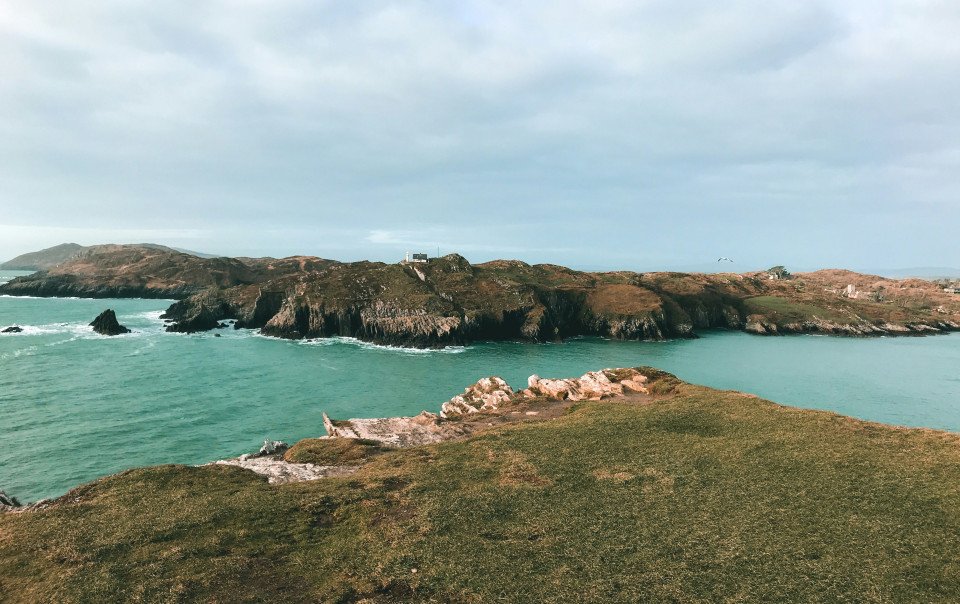
Kilronan is the principal town on the island of Inismore (Inis Mór) in the Aran Islands located in Galway Bay, and is one of them most picturesque spots in Ireland. Once for the sole purpose as a fishing port for the Aran fisherman, today it is the main port for the ferry companies and with its white sandy beach it has a wide selection of first class restaurants serving seafood, and traditional Irish bars, buskers, and accommodation it is a splendid spot to people watch and a base yourself before exploring the island. One of the island’s most famous attractions is Dun Aengus. Dun Aengus is a fort situated on the edge of a cliff at a height of 100 meters overlooking the Atlantic on the Aran Islands, Inishmore. It consists of a series of concentric circular walls, the innermost; the citadel encloses an area approximately 50 meters in diameter with 4m thick walls of stone. These walls have been rebuilt to a height of 6m and have wall walks, chambers, and flights of stairs as well. The main industries in Kilronan are fishing and tourism. School children also visit to improve their Irish at summer schools. Kilronan has a population of approx. 300 people.

Dingle

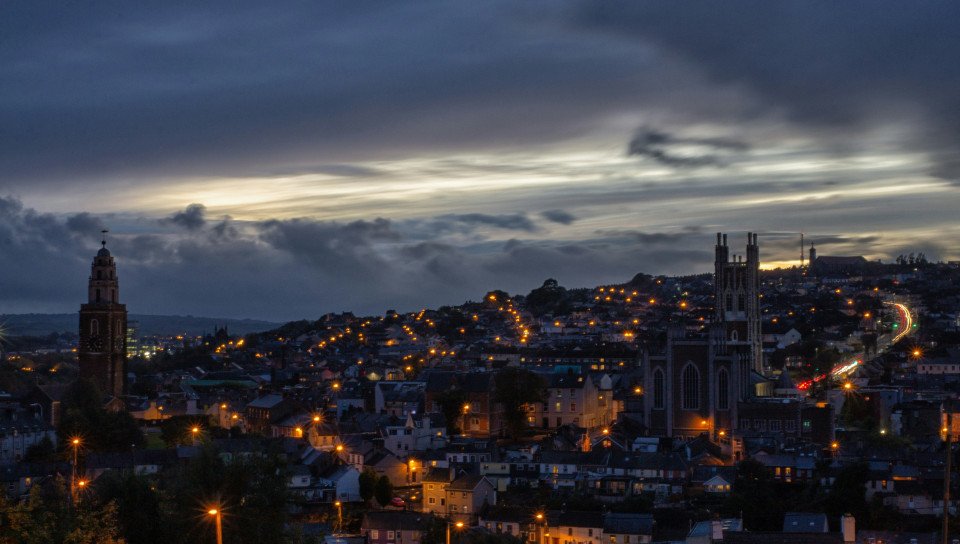
Cork City received its first charter in 1185 from Prince John of Norman England, and it takes its name from the Irish word corcaigh, meaning "marshy place." The original 6th-century settlement was spread over 13 small islands in the River Lee. Major development occurred during the 17th and 18th centuries with the expansion of the butter trade, and many attractive Georgian-design buildings with wide bowfront windows were constructed during this time. As late as 1770 Cork's present-day main streets—Grand Parade, Patrick Street, and the South Mall—were submerged under the Lee. Around 1800, when the Lee was partially dammed, the river divided into two streams that now flow through the city, leaving the main business and commercial center on an island, not unlike Paris's Île de la Cité. As a result, the city has a number of bridges and quays, which, although initially confusing, add greatly to the port's unique character. Cork can be very "Irish" (hurling, Gaelic football, televised plowing contests, music pubs, and peat smoke). But depending on what part of town you're in, Cork can also be distinctly un-Irish—the sort of place where hippies, gays, and farmers drink at the same pub.

Fishguard
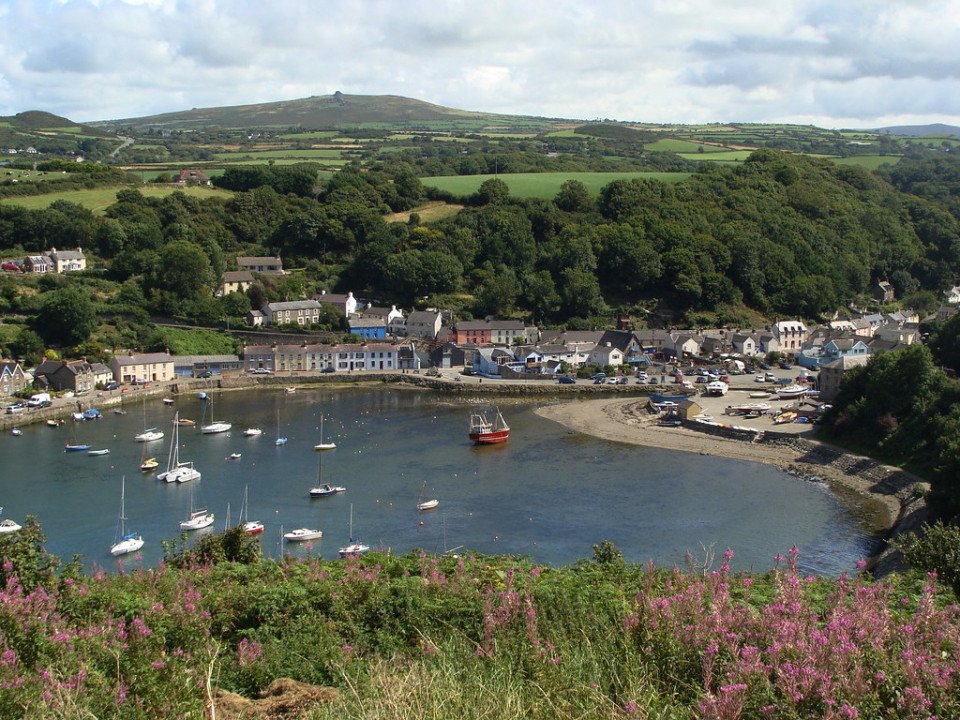
Fishguard is a picturesque coastal town in Pembrokeshire, Wales, celebrated for its stunning landscapes and vibrant maritime heritage. Nestled along Fishguard Bay, it features charming streets with colorful houses and local shops. The town serves as a gateway to the Pembrokeshire Coast National Park, offering ample opportunities for hiking and outdoor adventures. Rich in history, Fishguard is known for the 1797 Battle of Fishguard, the last invasion of Britain. With its blend of natural beauty and cultural significance, it’s a perfect destination for those seeking both relaxation and exploration.

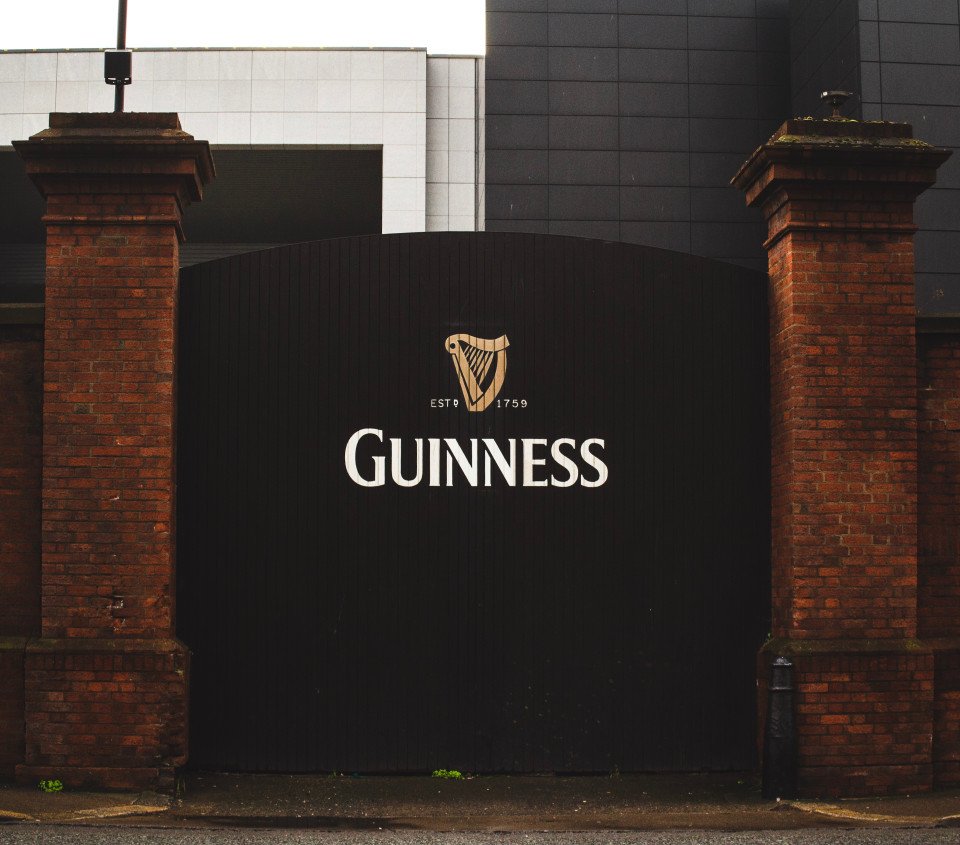
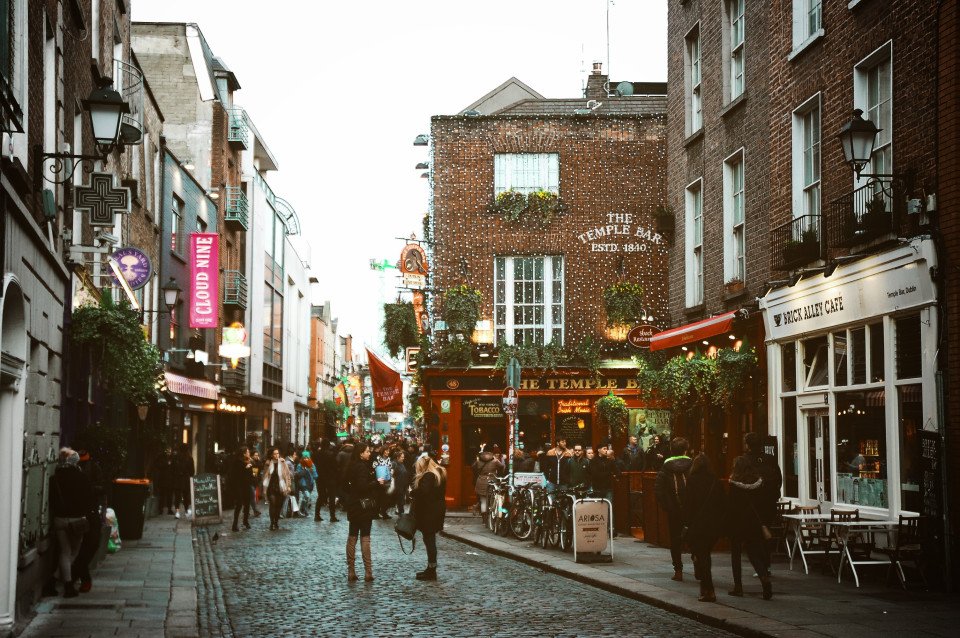
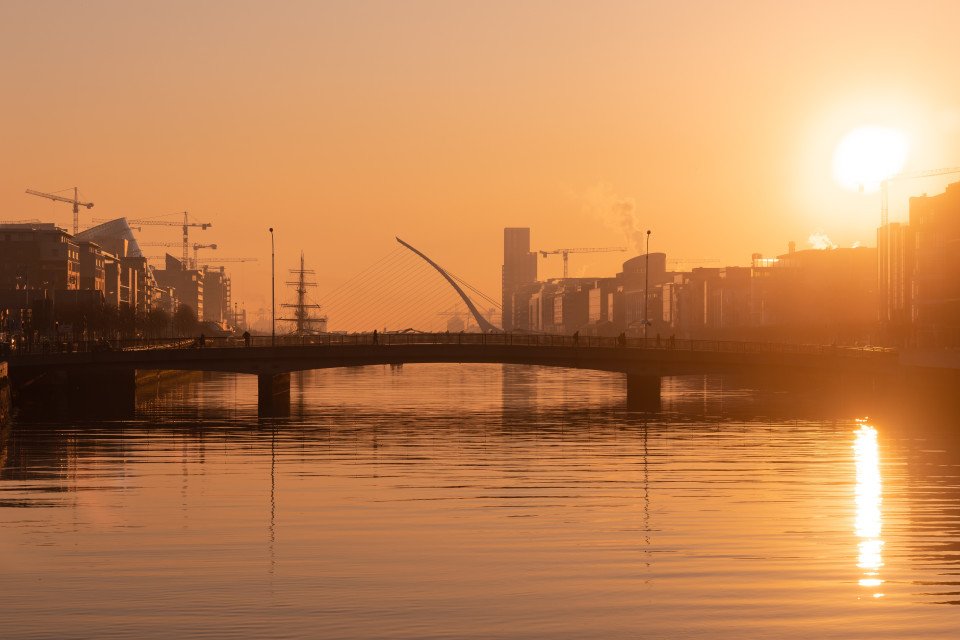
Dublin is making a comeback. The decade-long "Celtic Tiger" boom era was quickly followed by the Great Recession, but The Recovery has finally taken a precarious hold. For visitors, this newer and wiser Dublin has become one of western Europe's most popular and delightful urban destinations. Whether or not you're out to enjoy the old or new Dublin, you'll find it a colossally entertaining city, all the more astonishing considering its intimate size.It is ironic and telling that James Joyce chose Dublin as the setting for his famous Ulysses, Dubliners, and A Portrait of the Artist as a Young Man because it was a "center of paralysis" where nothing much ever changed. Which only proves that even the greats get it wrong sometimes. Indeed, if Joyce were to return to his once-genteel hometown today—disappointed with the city's provincial outlook, he left it in 1902 at the age of 20—and take a quasi-Homeric odyssey through the city (as he so famously does in Ulysses), would he even recognize Dublin as his "Dear Dirty Dumpling, foostherfather of fingalls and dotthergills"?For instance, what would he make of Temple Bar—the city's erstwhile down-at-the-heels neighborhood, now crammed with cafés and trendy hotels and suffused with a nonstop, international-party atmosphere? Or the simple sophistication of the open-air restaurants of the tiny Italian Quarter (named Quartier Bloom after his own creation), complete with sultry tango lessons? Or of the hot–cool Irishness, where every aspect of Celtic culture results in sold-out theaters, from Once, the cult indie movie and Broadway hit, to Riverdance, the old Irish mass-jig recast as a Las Vegas extravaganza? Plus, the resurrected Joyce might be stirred by the songs of Hozier, fired up by the sultry acting of Michael Fassbender, and moved by the award-winning novels of Colum McCann. As for Ireland's capital, it's packed with elegant shops and hotels, theaters, galleries, coffeehouses, and a stunning variety of new, creative little restaurants can be found on almost every street in Dublin, transforming the provincial city that suffocated Joyce into a place almost as cosmopolitan as the Paris to which he fled. And the locals are a hell of a lot more fun! Now that the economy has finally turned a corner, Dublin citizens can cast a cool eye over the last 20 crazy years. Some argue that the boomtown transformation of their heretofore-tranquil city has permanently affected its spirit and character. These skeptics (skepticism long being a favorite pastime in the capital city) await the outcome of "Dublin: The Sequel," and their greatest fear is the possibility that the tattered old lady on the Liffey has become a little less unique, a little more like everywhere else.Oh ye of little faith: the rare ole gem that is Dublin is far from buried. The fundamentals—the Georgian elegance of Merrion Square, the Norman drama of Christ Church Cathedral, the foamy pint at an atmospheric pub—are still on hand to gratify. Most of all, there are the locals themselves: the nod and grin when you catch their eye on the street, the eagerness to hear half your life story before they tell you all of theirs, and their paradoxically dark but warm sense of humor. It's expected that 2016 will be an extra-special year in the capital, as centenary celebrations of the fateful 1916 Easter Rising will dominate much of the cultural calendar.

This holiday is generally suitable for persons with reduced mobility. For customers with reduced mobility or any medical condition that may require special assistance or arrangements to be made, please notify your Cruise Concierge at the time of your enquiry, so that we can provide specific information as to the suitability of the holiday, as well as make suitable arrangements with the Holiday Provider on your behalf.
What's Included with Atlas Ocean Voyages

  • Shore excursions
  • Five-star dining
  • Drinks, alcoholic beverages and canapes
  • Minibar
  • 24-hour room service
  • L’OCCITANE bathroom amenities
  • Gratuities
  • Use of expedition equipment
  • Butler service in Reserve Collection Suites

World Voyager Ship Facts

World Voyager was launched in 2020
The gross tonnage is 9934
The width of World Voyager is 19 meters
The maximum speed of the ship is 16 knots per hour
The length of World Voyager is 126 meters
The currency taken on World Voyager is EUR
World Voyager has 109 cabin crew members
The ship has 6 decks
World Voyager has 86 cabins on board
It also has wheelchair cabins on board

Best Time to Travel

Whales

Whales

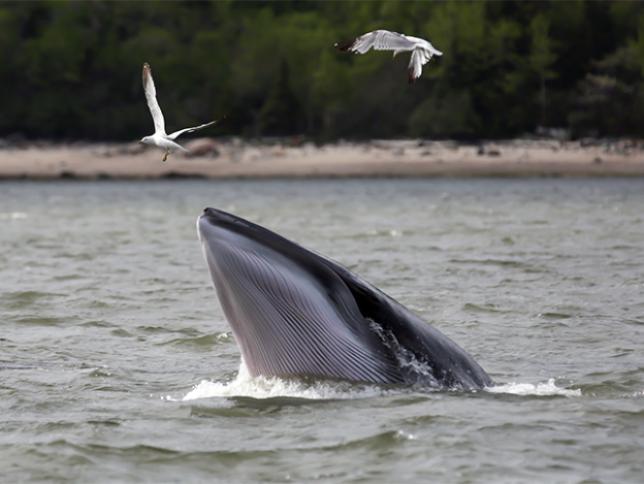
Whale-watching is an exhilarating experience you may enjoy on an expedition cruise around the UK, either from a Zodiac or on the ship’s observation decks. Minke whales are a common species sighted around the UK, with July through to September being the peak viewing time. If you’re lucky, you may even spot a humpback, fin or killer whale while sailing around the Northern Isles and Hebrides.
Jan
Feb
Mar
Apr
May
Jun
Jul
Aug
Sep
Oct
Nov
Dec
Best time
Good time
Seals

Seals

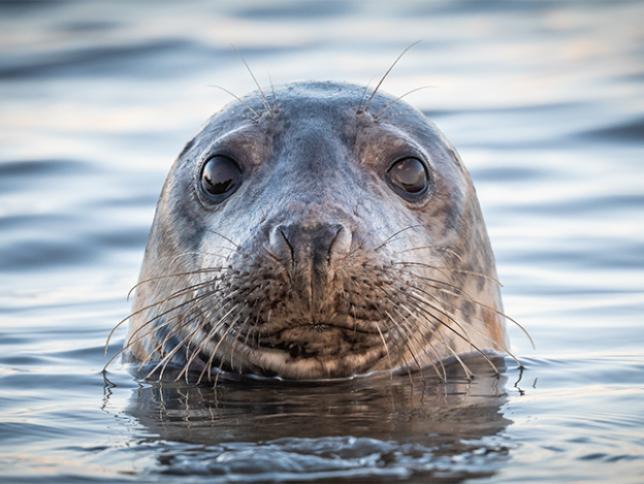
Both grey and harbour seals can be spotted year-round, although the autumn months are the best time to spot them on an expedition cruise, when they move to the coast to breed and give birth to their pups. The summer months brings better weather, encouraging them to haul out on rocks and sandbanks where they can be spotted from a Zodiac or the ship.
Jan
Feb
Mar
Apr
May
Jun
Jul
Aug
Sep
Oct
Nov
Dec
Best time
Good time
Puffins

Puffins

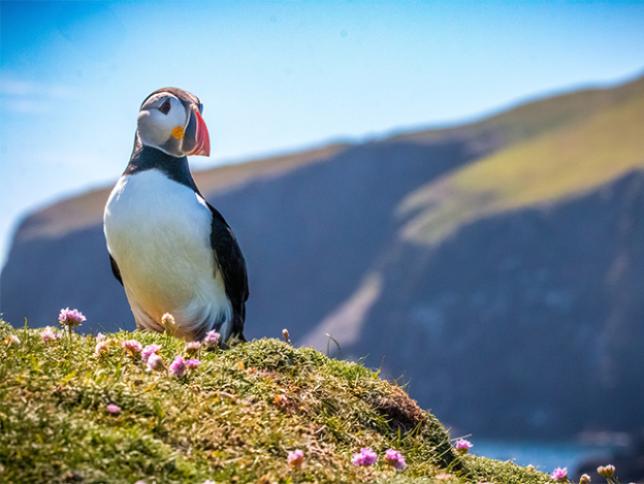
Puffins come ashore in the UK during late spring and early summer to nest so are most active during the months of May to early July. Adults can be spotted bringing sand eels in their beaks to feed their chicks. They have a relatively short viewing season, as most colonies will have returned to sea by early August.
Jan
Feb
Mar
Apr
May
Jun
Jul
Aug
Sep
Oct
Nov
Dec
Best time
Good time
Dolphins

Dolphins

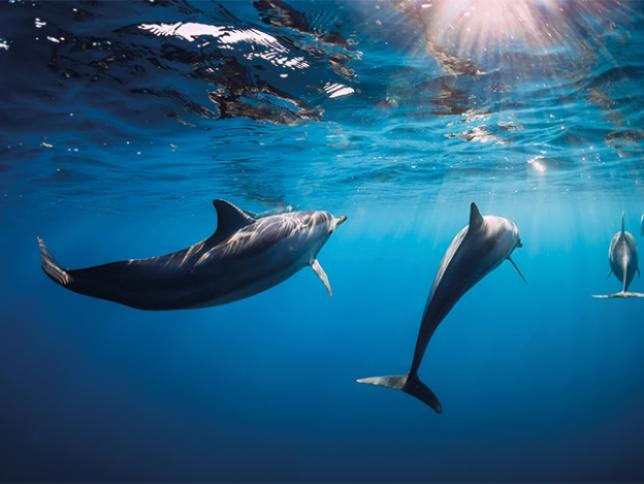
Warmer months in the UK bring more feeding activity for dolphins, so they are most likely to be spotted between the summer months of June and August. Bottlenose dolphins are frequently spotted around Moray Firth, while common dolphins and white-beaked dolphins can be spotted around Western Scotland and the offshore islands.
Jan
Feb
Mar
Apr
May
Jun
Jul
Aug
Sep
Oct
Nov
Dec
Best time
Good time

Explore World Voyager

Mystic Restaurant

Mystic Restaurant

Mystic Restaurant serving international cuisine with fresh local produce. Located on Deck 4.

Lido Café & Alfresco Terrace

Lido Café & Alfresco Terrace

The Lido Cafe for light meals & snacks. Located on Deck 7.

Excursions

Excursions

Flora, fauna, wildlife, culture and history experienced first-hand

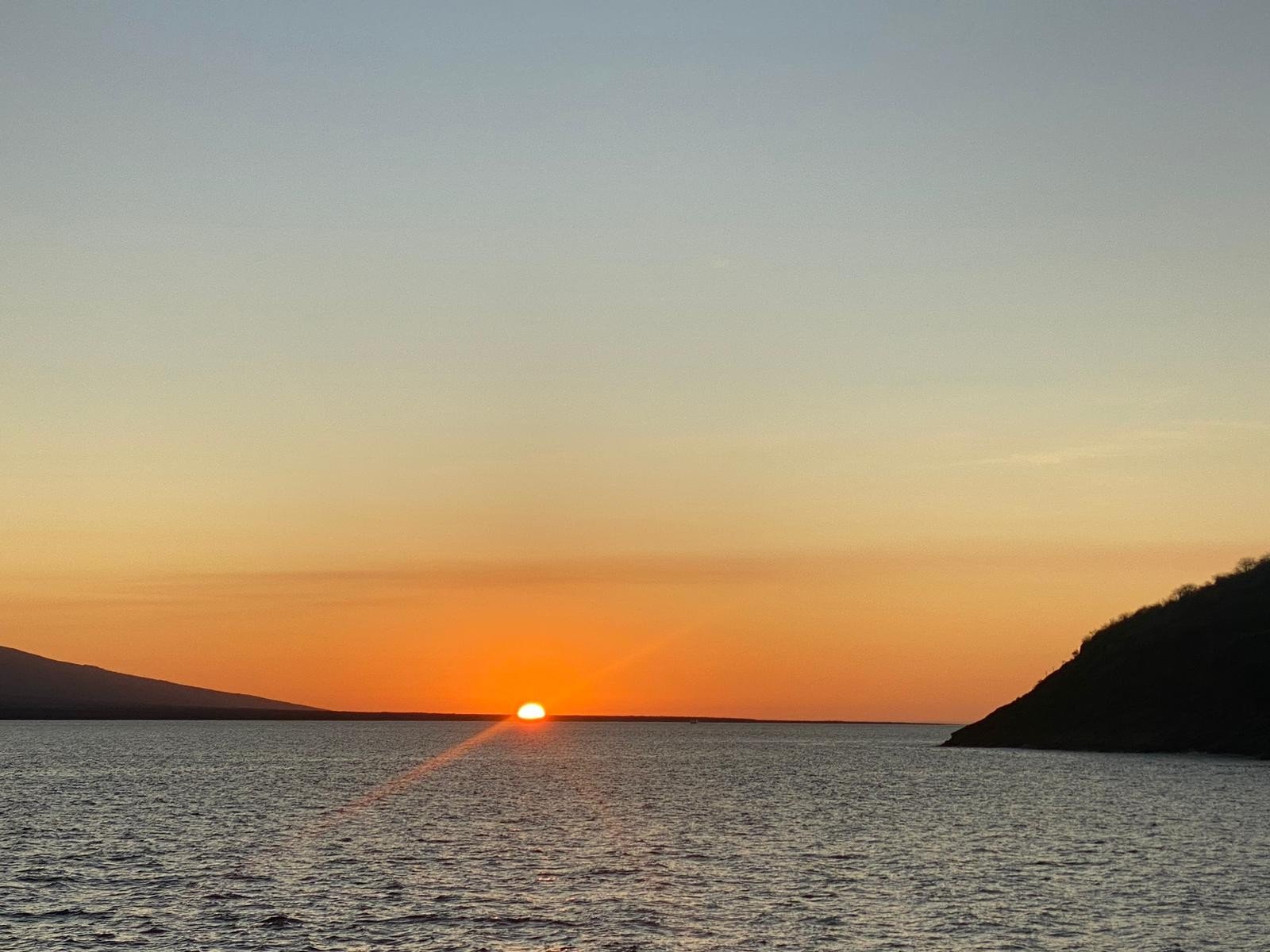
Impressive mountain views, secluded beaches with crystal-clear water or spectacular midnight sunsets – on board our World Voyager you can discover magnificent countryside along the most beautiful coasts and islands of Europe, the Mediterranean and the Atlantic. If you want to discover something beautiful, you need time. With our extended layovers in the ports, you can experience your destination in a particularly intense and diverse way. In many cases, your ship will also stay in a location overnight, which means you get to savour the local evening atmosphere when the other visitors have left.

All our excursions are led by local tour guides, in English & German language. This gives you a first-hand insight into the culture and nature of your travel destination. Our experienced excursion team has put together a fascinating blend of popular highlights and behind-the-scenes insights – including many UNESCO World Heritage Sites around the world.

Zodiacs

Zodiacs

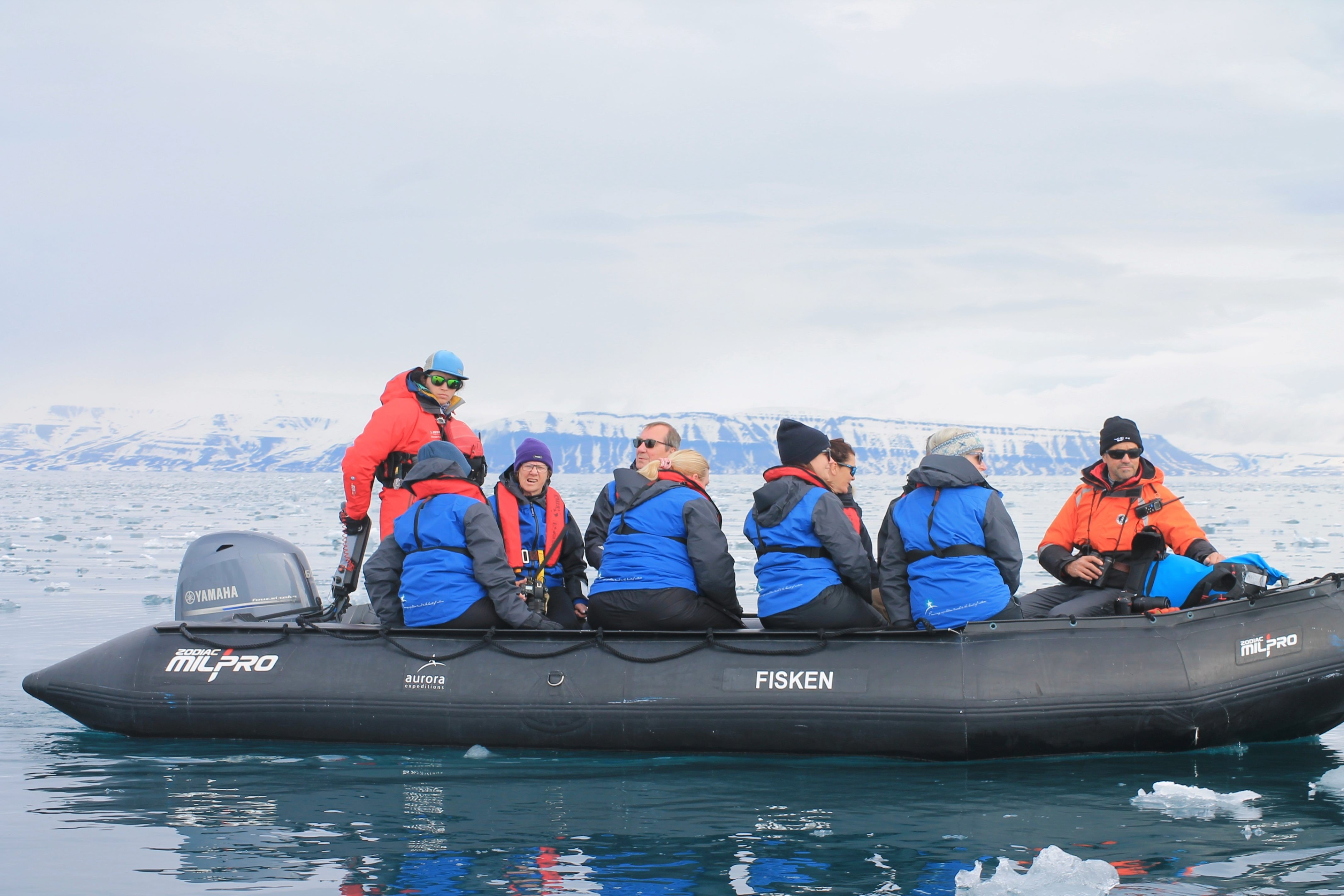
For more adventurous passengers, twelve CRRC Zodiacs are available to jump aboard, for cruising even closer to shore.

Our Zodiacs get you really close to spectacular riverside landscapes. These sturdy, motorised dinghies get you closer to the flora and fauna. With a little luck, you will even see turtles and sperm whales, up close in their natural habitat. If the local authorities and weather conditions allow for them, our Zodiac trips in small groups of up to 10 people will enhance your holiday experience in a very special way. This activity is, of course, already included in the travel price.

Pool Deck

Pool Deck

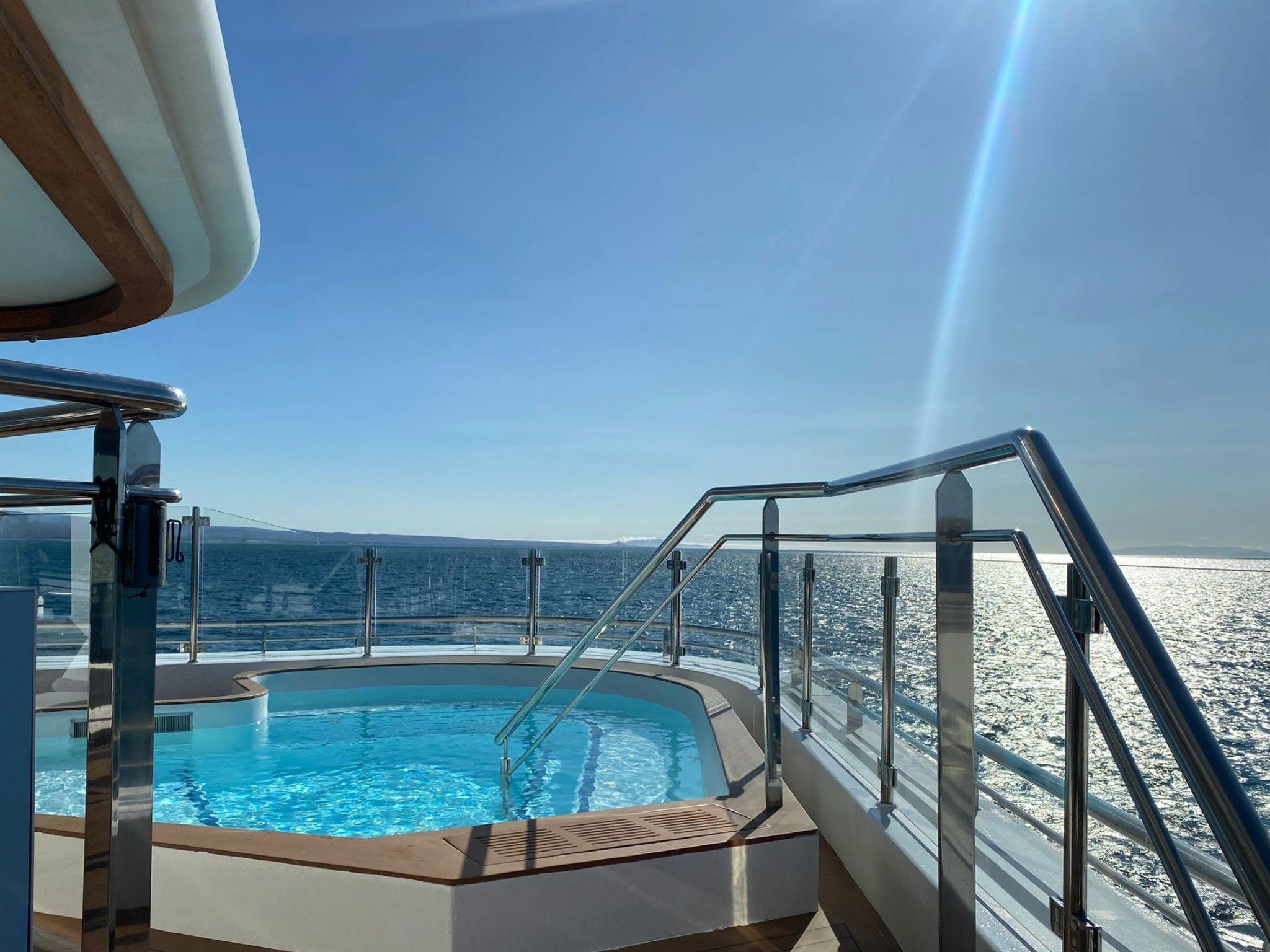
Located on Deck 7.

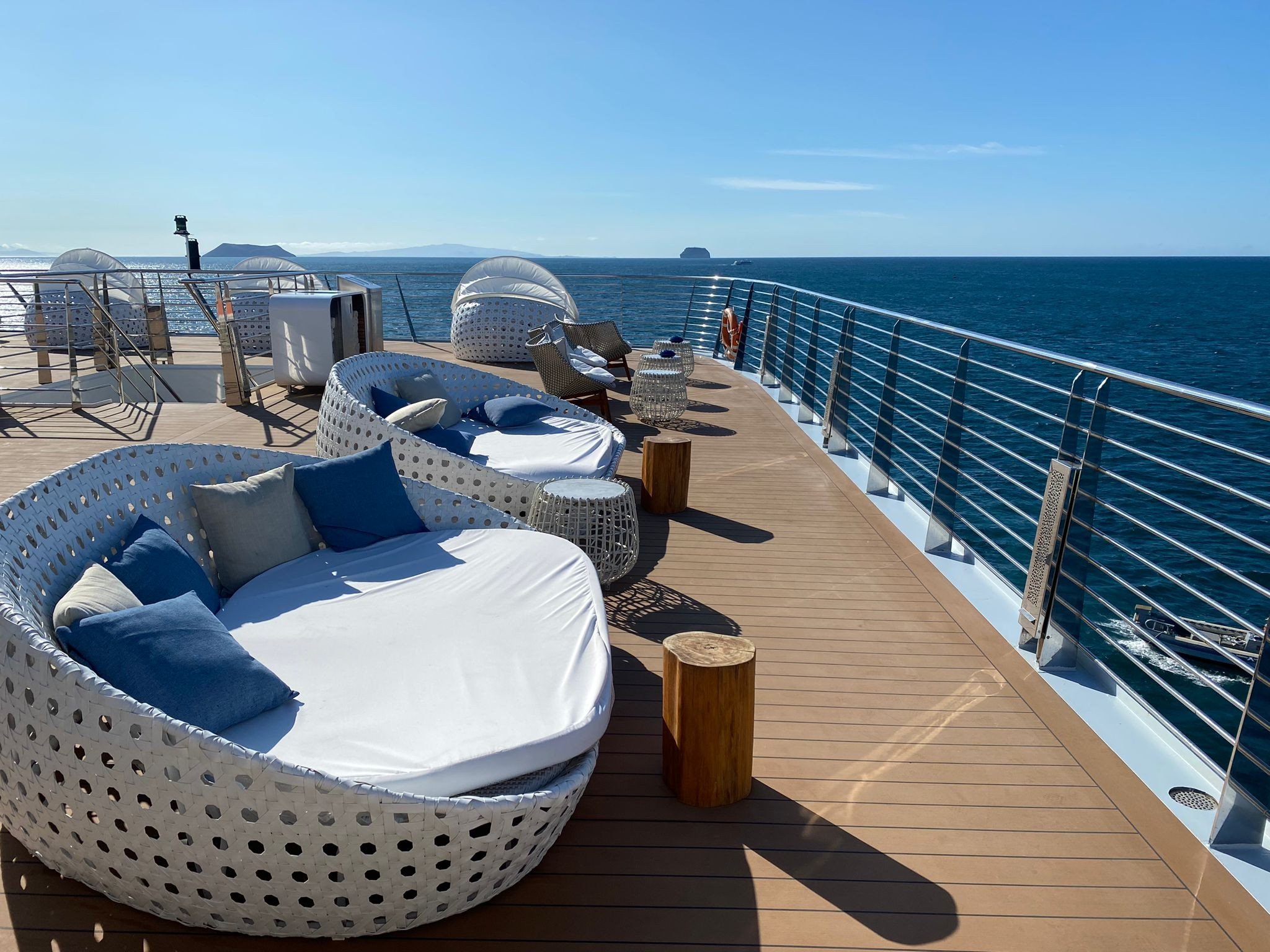
Observation Lounge & Deck

Observation Lounge & Deck

The name says it all in the Observation Lounge: this fully glazed space is the perfect place for your sundowner.

Gift Shop

Gift Shop

Located on Deck 4.

Auditorium

Auditorium

Auditorium featuring expert speakers and movie screenings. Located on Deck 4.

Reception

Reception

Located on Deck 4.

Main Lounge

Main Lounge

The Main Lounge for a pre-dinner drink and light musical entertainment. The Main Lounge also offers fine wines and a well-stocked bar. Of course, the friendly service team will also be delighted to prepare any beverages to your personal taste. In the evening, enjoy elegant live music.

Juice Bar

Juice Bar

More information coming soon.

The Spa

The Spa

After a long day on land taking in all the sights and sounds, a relaxing sauna session might just be for you. Our spacious spa area on Deck 4 has a sauna with a sea view and the resting area is a real oasis. You can also take advantage of the variety of spa treatments available or simply relax in the pool or whirlpools on deck. 

Running Track

Running Track

For those guests who also want to stay active on the high seas, there is a running track in the outdoor area on Deck 8. The running track is 135 metres long in total – and you get a fantastic view too!

Fitness Room

Fitness Room

We have our Fitness Room on Deck 4 with a small but fine selection of state-of-the-art cardio equipment.

Deck 8
Deck 7
Deck 6
Deck 5
Deck 4
Deck 3

World Voyager Cabins & Suites

Infinity Deluxe Cabin

Infinity Deluxe Cabin

The Infinity Deluxe Cabins on Deck 6 have separate living and sleeping areas and are approx. 28 m² in size. The sleeping area has a lowerable panoramic front consisting of two horizontal glass elements. The upper element can be lowered electronically, creating your own private balcony. The room also has a desk with a chair. There is a seating area in the living and entrance area of the cabin.

Veranda Cabin

Veranda Cabin

These 2-bed outside cabins on Decks 5 and 6 are approx. 25 m² in size and have a private balcony. On the balcony, a table and two comfortable chairs invite you to relax and enjoy the views. These cabins also have a comfortable sofa, as well as a desk with a chair.

Infinity Cabin

Infinity Cabin

These 2-bed outside cabins on Decks 5 and 6 are approx. 25 m² in size and have a lowerable panoramic front consisting of two horizontal glass elements. The upper element can easily be pushed down to create your very own balcony. To enjoy your panoramic views in comfort, the cabins are also equipped with a cosy sofa and two armchairs, and there is also a desk and a chair.

Expeditions Cabin

Expeditions Cabin

More information coming soon

Expedition Cabin

Expedition Cabin

These 2-bed outside cabins on Deck 3 are approx. 17 m² in size and have small windows that cannot be opened. This cabin also has a desk with a chair.

VIP Suite

VIP Suite

These 2-bed VIP Suites on Deck 5 are approx 41 m² in size and have a large private balcony, which is accessible from both the living and the bedroom areas. Comfortable sun loungers and seating areas provide plenty of room for relaxation. The generously sized separate living area is furnished with a comfortable sofa, an armchair and another entertainment system with satellite TV. A spacious walk-in wardrobe provides plenty of space to store your belongings.

Explorer Suite

Explorer Suite

These spacious 2-bed suites on Decks 5 and 6 are approx. 44 m² in size and have a large private balcony, which is accessible from both the living and bedroom areas. The balcony is equipped with sun loungers and other seating, creating a private retreat with the very best views. The living area has a separate entrance equipped with a cosy sofa, armchair and entertainment system with satellite TV so that you can enjoy the excellent views in privacy. You will find plenty of storage space in the two wardrobes. The bathroom has his and hers washbasins, as well as both a bath and shower with a separate toilet.

Navigator Suite

Navigator Suite

These 2-bed suites on Decks 5 and 6 are approx. 36 m² in size and have a large private balcony, which is accessible from both the living area and the bedroom. On the balcony, loungers and seating provide plenty of comfort for a very special panoramic experience. The separate living area is furnished with a comfortable sofa and an armchair, among other items. Both the living and sleeping areas have entertainment systems. These cabins also have a walk-in wardrobe.

Veranda Suite

Veranda Suite

More information coming soon.

Veranda Deluxe Cabin

Veranda Deluxe Cabin

The Veranda Deluxe Cabins on Deck 6 have separate living and sleeping areas and are approx. 28 m² in size. The sleeping area has a private balcony where there is a table and two chairs inviting you to sit back and relax whilst you enjoy the panoramic views. The living and entrance area of the cabin is furnished with a cosy seating area.
OUR EXPERT CONCIERGE

Lisa M
Lisa M

Specialist Cruise Concierge and Expedition Specialist
Andrew W
Andrew W

Sales Manager for SixStarCruises

Laura W
Laura W

Senior Specialist Cruise Concierge and Expedition Specialist
Katie
Katie

Specialist Cruise Concierge and Expedition Specialist

Claire
Claire

Specialist Cruise Concierge and Expedition Specialist

Stacey
Stacey

Senior Cruise Concierge and Expedition Specialist
Rebecca
Rebecca

Specialist Cruise Concierge and Expedition Specialist
Shirley
Shirley

Specialist Cruise Concierge and Expedition Specialist
Elizabeth
Elizabeth

Specialist Cruise Concierge and Expedition Specialist

Emma
Emma

Specialist Cruise Concierge and Expedition Specialist

SixStarCruises

Customer Reviews

OUR ACCREDITATIONS

Member of the Expedition Cruise Network

Member of the Expedition Cruise Network

Partnership Achievement Award 2026

Partnership Achievement Award 2026

Luxury Cruise Agency of the Year 2025

Luxury Cruise Agency of the Year 2025

Luxury Cruise Agency Of The Year 2024

Luxury Cruise Agency Of The Year 2024

You've added to your wishlist. To view, go to Wishlist