Galapagos Expedition Cruises

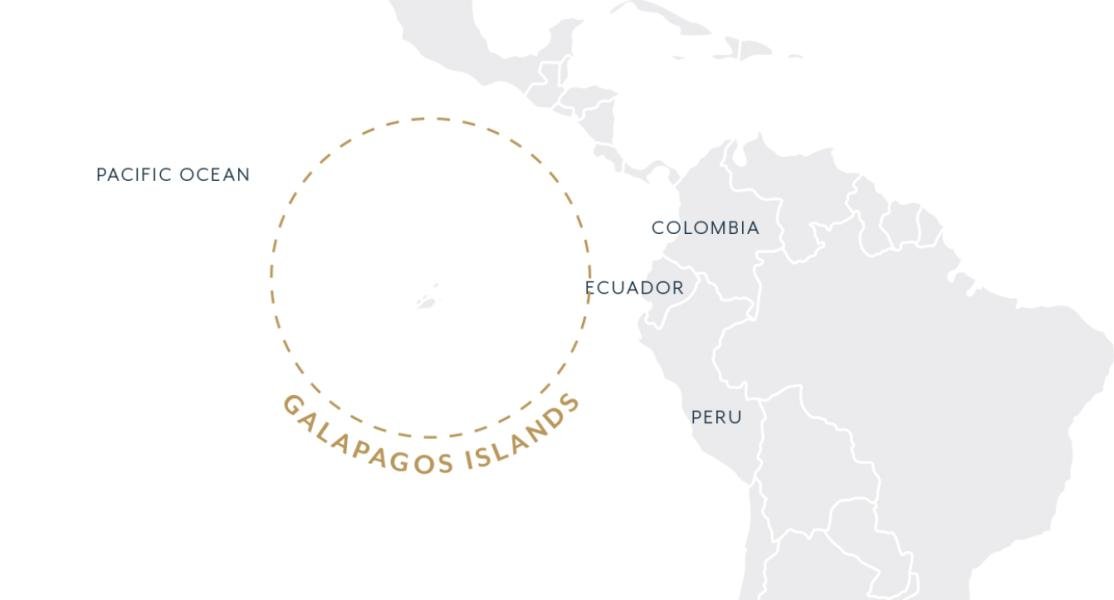
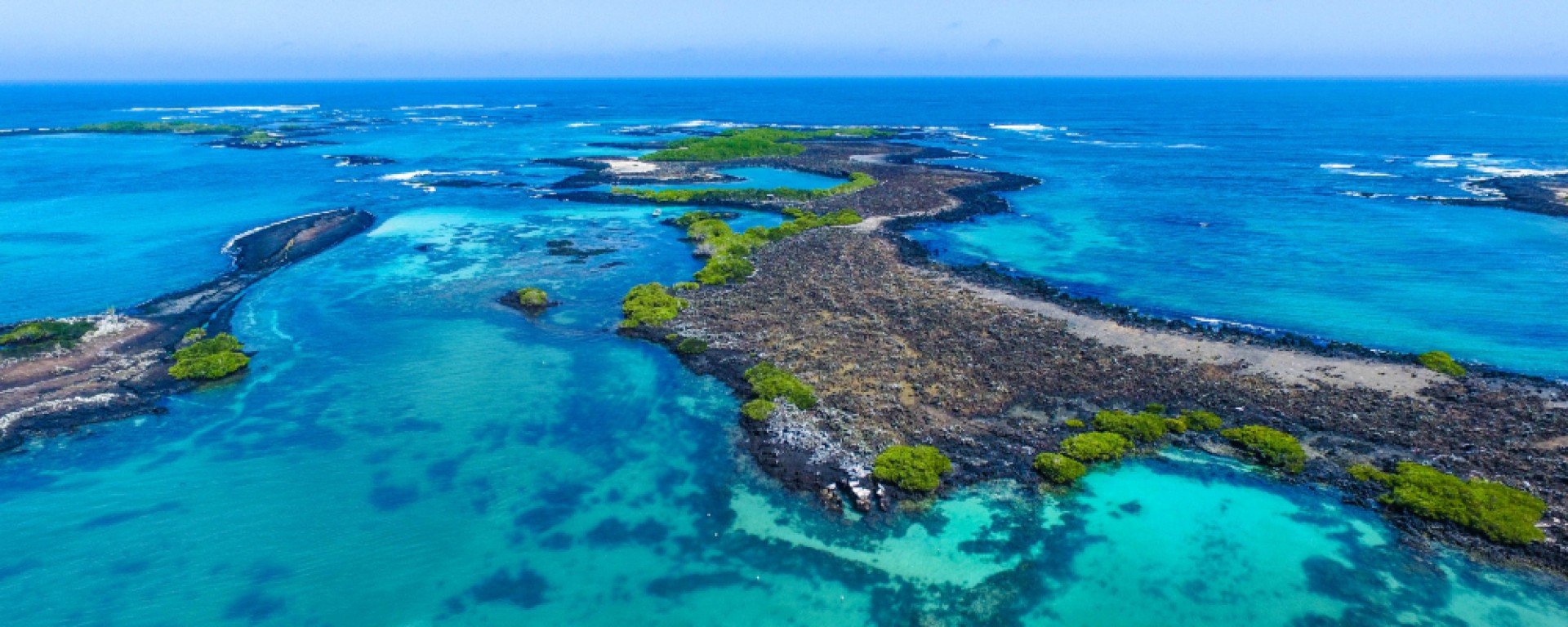
The Galápagos Islands are a remarkable archipelago located in the Pacific Ocean, about 600 miles off the coast of Ecuador. This UNESCO World Heritage site is an extraordinary destination for an expedition cruise, renowned for its unique biodiversity, stunning landscapes, ecosystems and historical significance for its pivotal role in Charles Darwin’s theory of evolution. Due to the endemic nature of many spectacular species across the Galapagos Islands, an expedition cruise here promises to be a completely unique experience that you will not find anywhere else in the world.

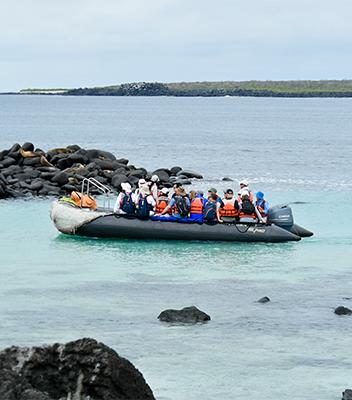
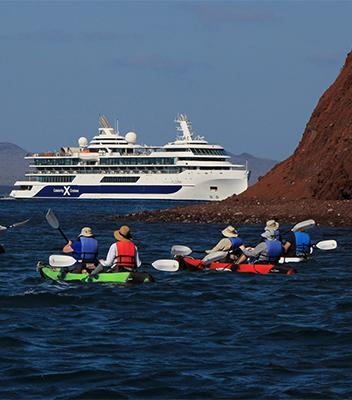
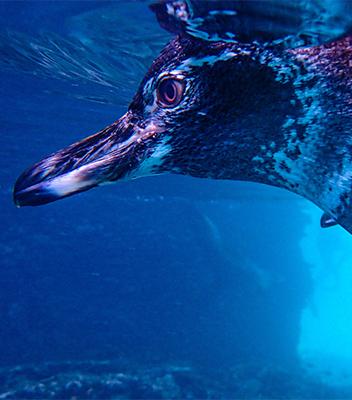
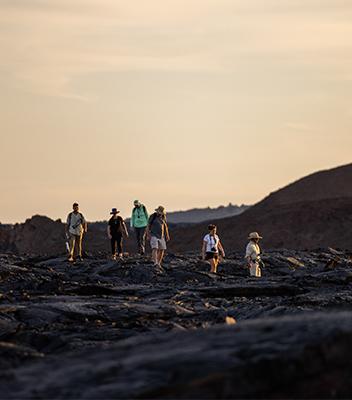
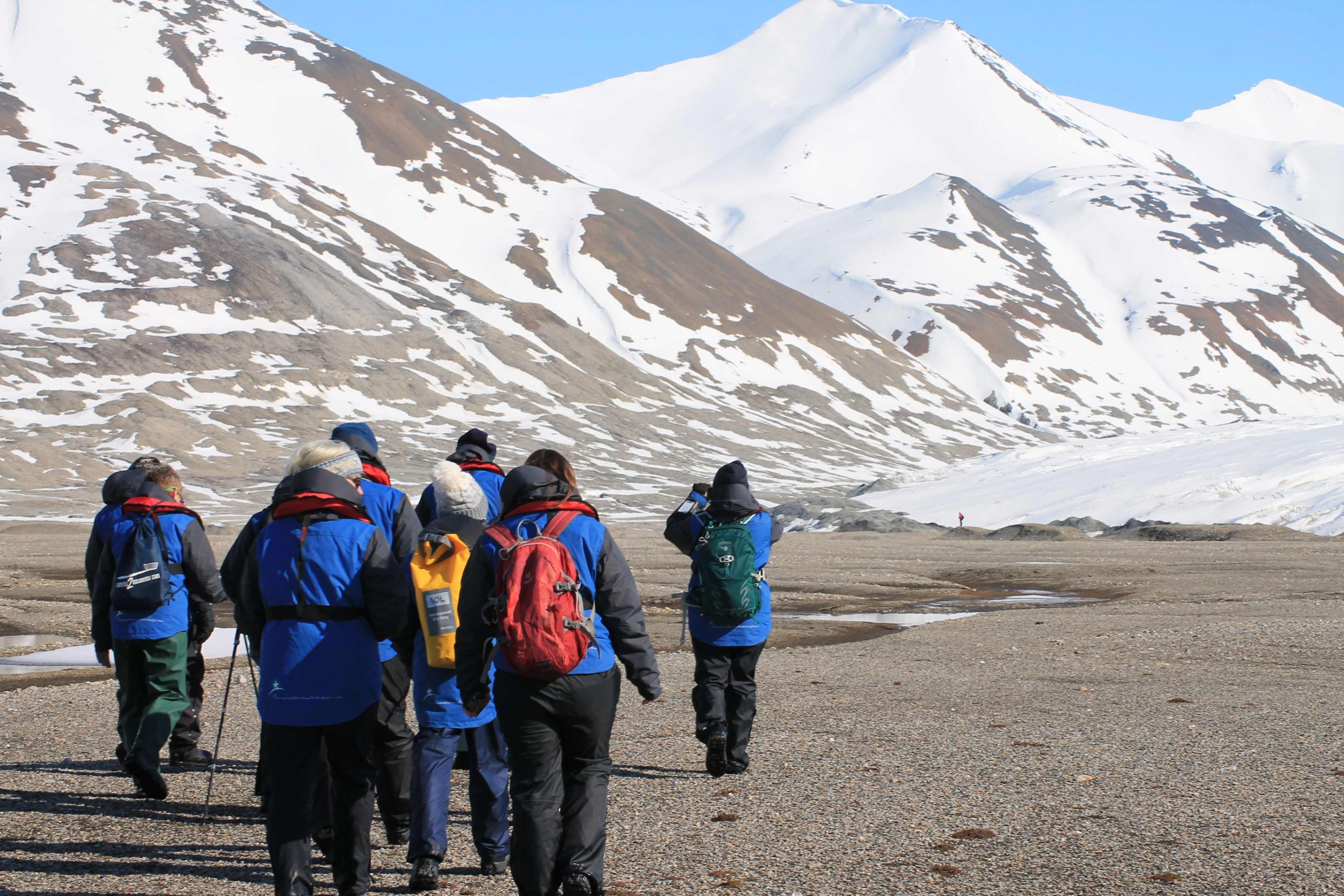
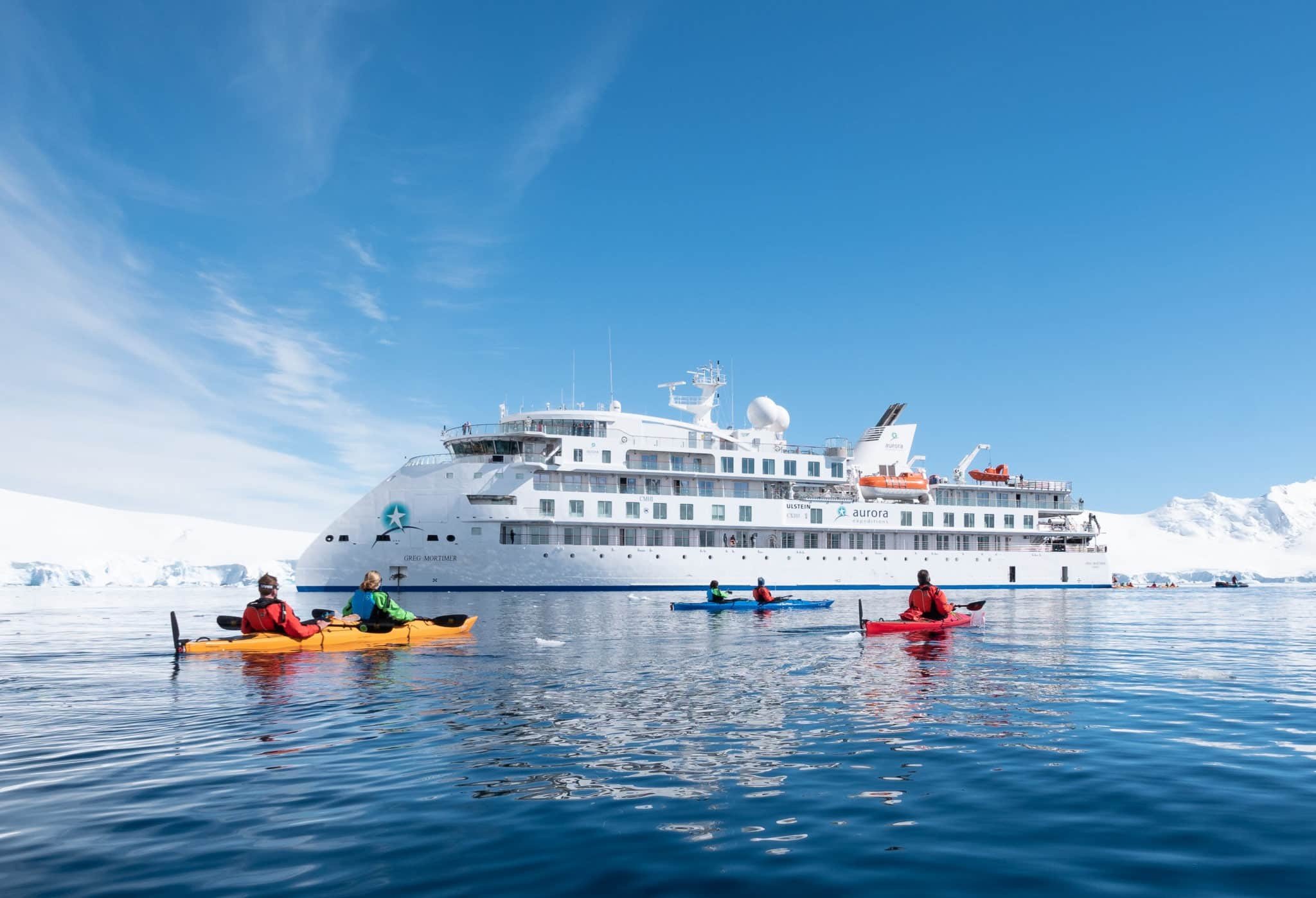
Expedition cruises to the Galapagos are amongst the purest forms of expedition cruising, offering the opportunity to spot wildlife and immerse yourself in the region’s breathtaking scenery through a variety of immersive experiences. Enjoy guided hikes along lava trails and beautiful beaches, snorkelling with marine life in crystal-clear waters and kayaking along rocky coastlines at your own pace.

Expedition itineraries to the Galapagos also include immersive cultural tours that educate you in the Galapagos’ fascinating history of evolution, including visits to the Charles Darwin Research Centre and various breeding centres dedicated to the conservation and protection of tortoises on the islands.

There’s truly an abundance of activities and experiences waiting to be enjoyed on these breathtaking islands. Whether you are an avid nature lover, a passionate photographer, or simply seeking an extraordinary travel experience, an expedition cruise to the Galápagos Islands offers an unparalleled adventure. 
Read more
Galápagos Map

Best Time to Travel

Marine Iguanas

Marine Iguanas

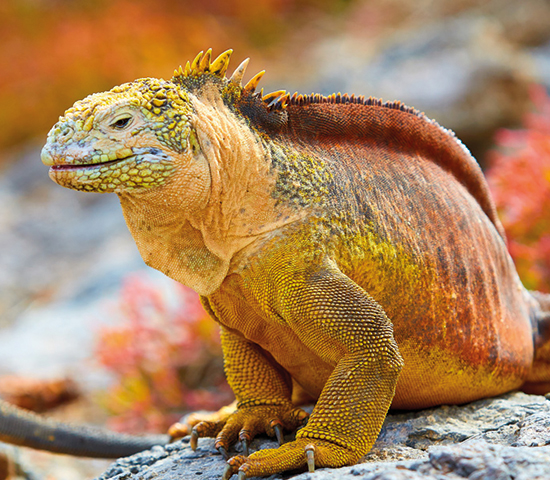
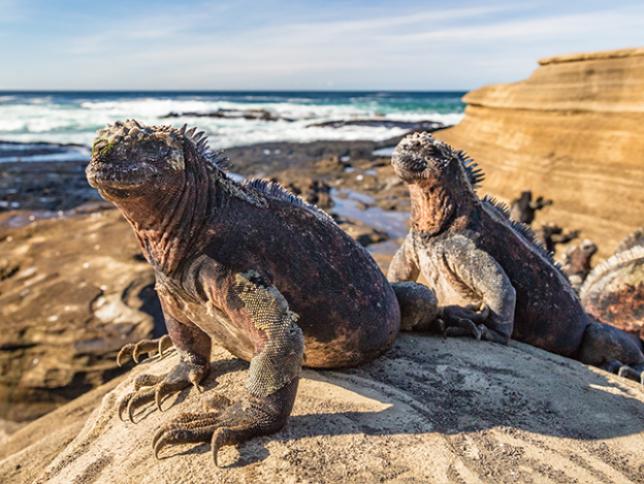
You can witness the males turning vivid red and green to attract a mate during their breeding season from December to January. And while marine iguanas are always more active and photogenic during the warmer season when they bask after feeding, explorers can see these creatures all year round.
Jan
Feb
Mar
Apr
May
Jun
Jul
Aug
Sep
Oct
Nov
Dec
Best time
Good time
Galapagos giant tortoise

Galapagos giant tortoise

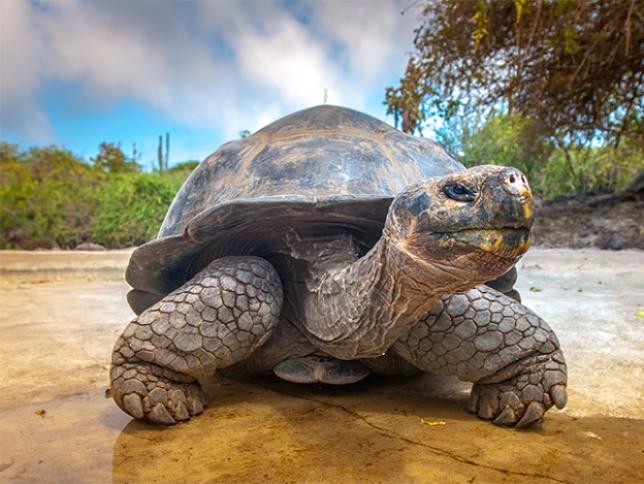
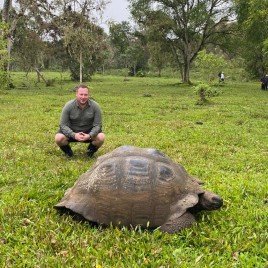
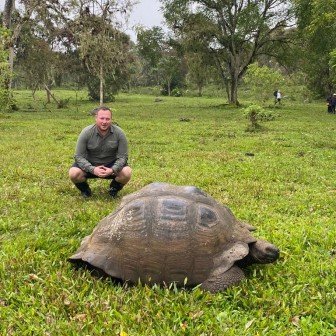
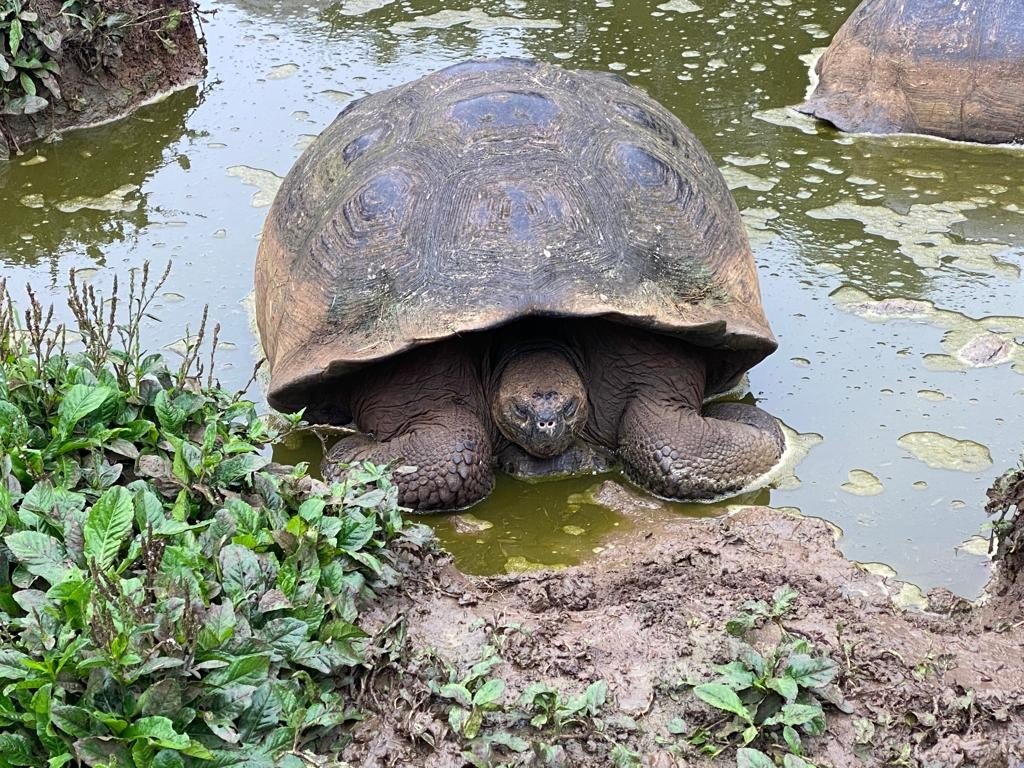
During the cooler months from June to January, these beautiful creatures migrate to the Galapagos’ greener highlands so are more frequently spotted. If you’re keen to see their hatchlings, the best time to visit is December to April at the island’s breeding centres.
Jan
Feb
Mar
Apr
May
Jun
Jul
Aug
Sep
Oct
Nov
Dec
Best time
Good time
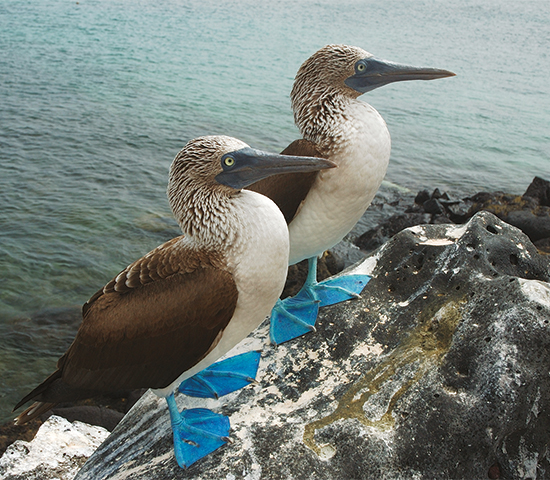
Blue-footed booby

Blue-footed booby

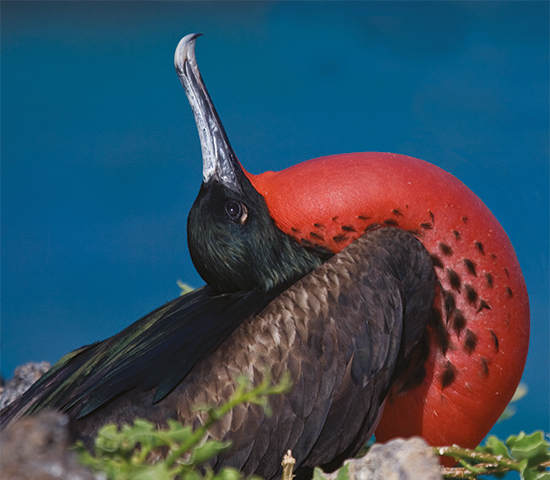
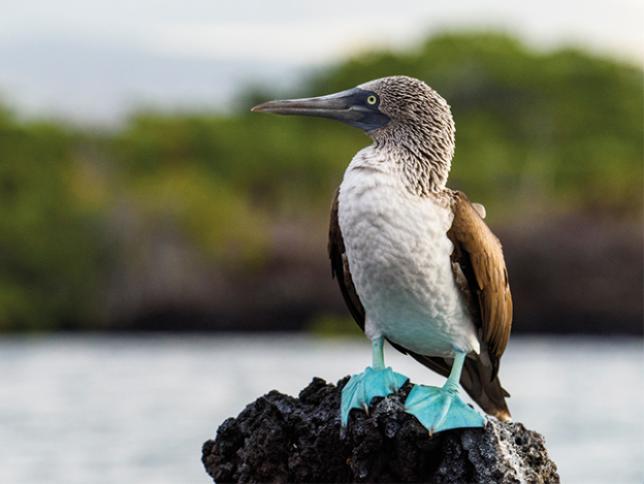
There are always opportunities to spot these unique birds year-round in the Galapagos, but if you want to see their famous mating dance, this is more likely during the early dry season from June to August. Depending on food supply, nesting with their chicks can occur throughout the year.
Jan
Feb
Mar
Apr
May
Jun
Jul
Aug
Sep
Oct
Nov
Dec
Best time
Good time
Galapagos penguin

Galapagos penguin

Galapagos penguins prefer cooler waters during the Garua (cool) season in the Galapagos. These waters become more nutrient-rich meaning they become more active during this time and are more easily spotted. Isabela and Fernandina islands across the west of the Galapagos are most popular with Galapagos penguins.
Jan
Feb
Mar
Apr
May
Jun
Jul
Aug
Sep
Oct
Nov
Dec
Best time
Good time
Sea turtles

Sea turtles

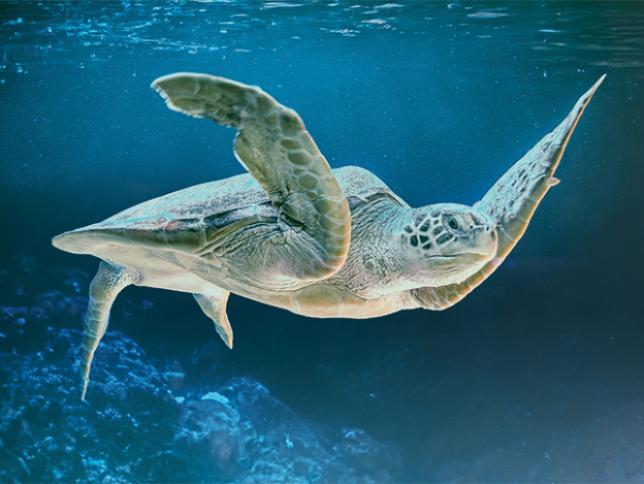
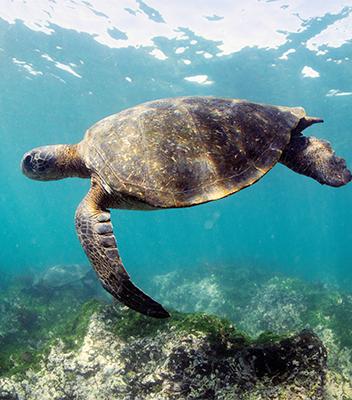
Depending on how you’d like to discover the green sea turtles in the Galapagos, there are varying months of the year you can visit. December through to May offers the best chance of snorkelling sightings due to calmer waters, while nesting takes place in January to March and you can see the hatchlings from February to April.
Jan
Feb
Mar
Apr
May
Jun
Jul
Aug
Sep
Oct
Nov
Dec
Best time
Good time
Galapagos flamingo

Galapagos flamingo

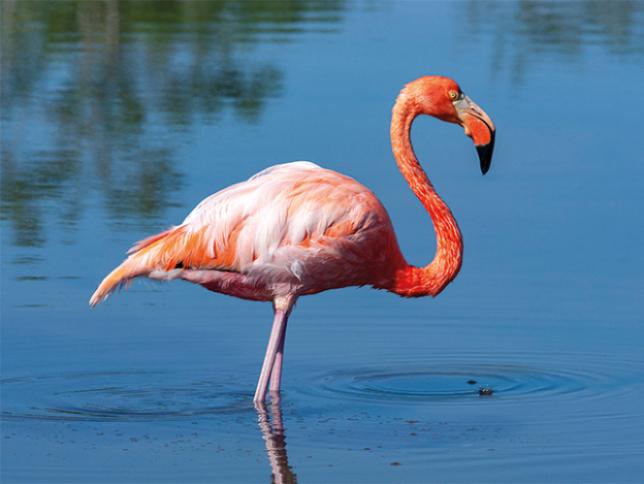
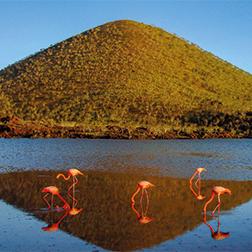
You can see the Galapagos flamingos all year-round in the lagoons on Isabela and Floreana Islands. While they’re breeding season can vary depending on water levels each year, the typical season tends to peak around mid-year.
Jan
Feb
Mar
Apr
May
Jun
Jul
Aug
Sep
Oct
Nov
Dec
Best time
Good time
Darwin’s finches

Darwin’s finches

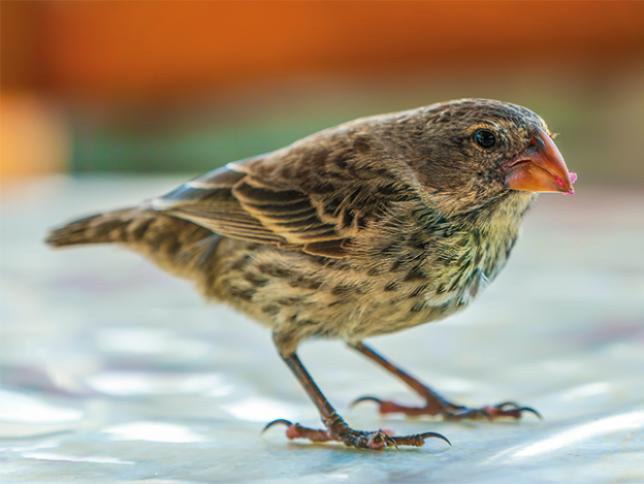
Breeding season for these iconic birds takes place between January and May, where you can enjoy listening to the males singing. The species are easier to photograph during this time with increased activity due to nest building and chick feeding.
Jan
Feb
Mar
Apr
May
Jun
Jul
Aug
Sep
Oct
Nov
Dec
Best time
Good time

Wildlife

Destination Highlights

img

Bartolomé Island

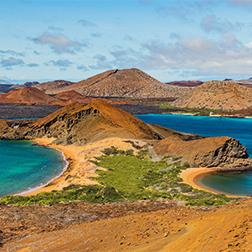
Bartolomé Island is one of the most photographed locations in the Galápagos, famous for its dramatic volcanic landscape and the iconic Pinnacle Rock. The nearby beach is also a great place to snorkel, where you may encounter penguins, reef fish and sea turtles.

img

Baltra

Baltra Island serves as one of the main gateways to the Galápagos and is home to one of the archipelago’s primary airports. From Baltra, you may travel by ferry and road to the nearby Santa Cruz Island to begin your exploration.

img

San Cristóbal Island

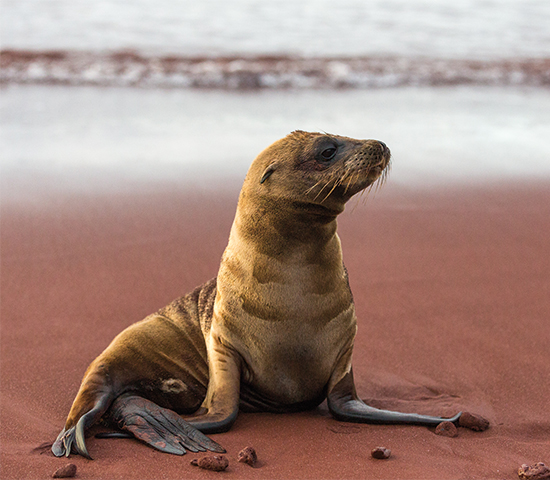
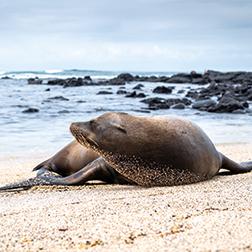
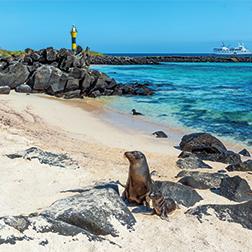
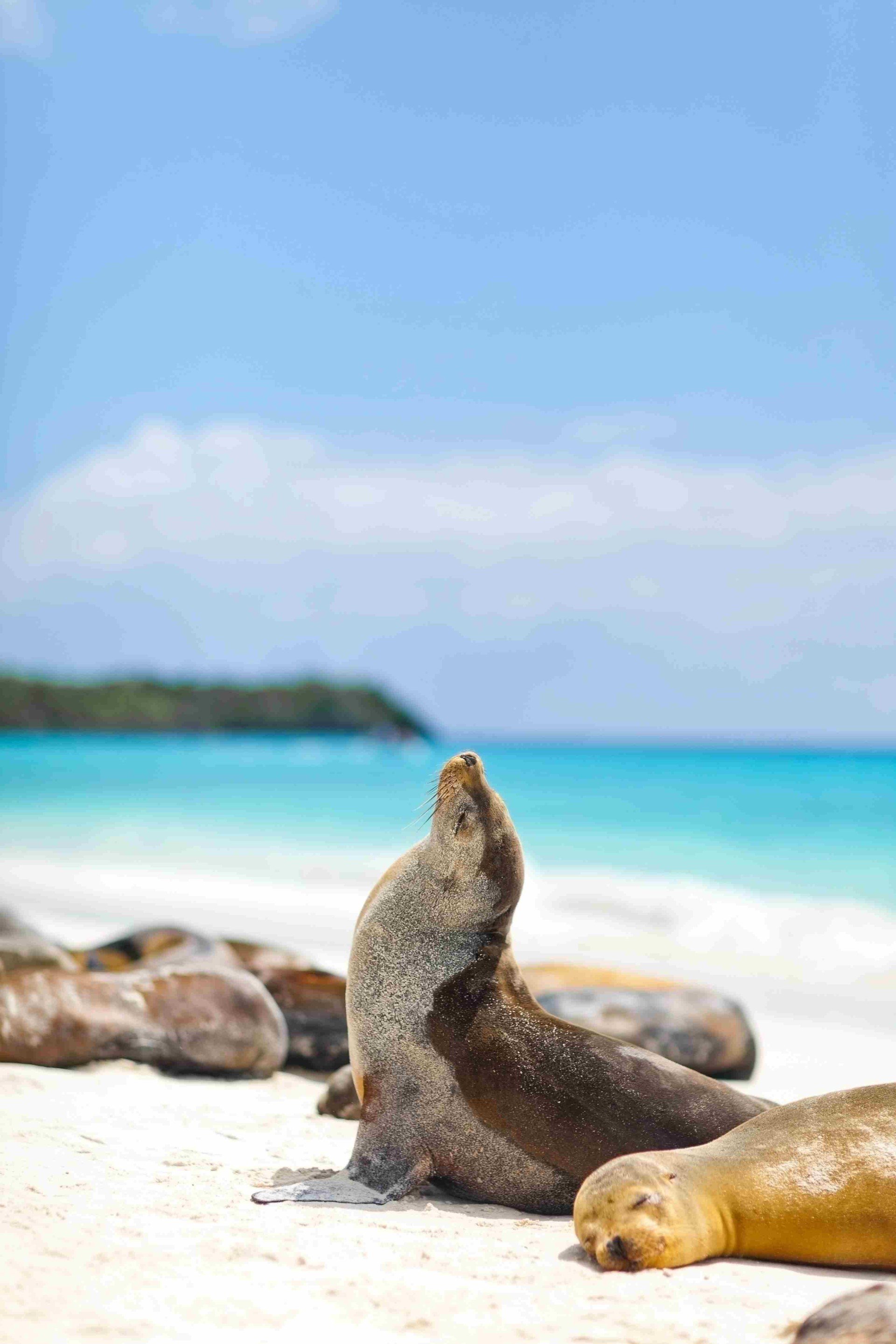
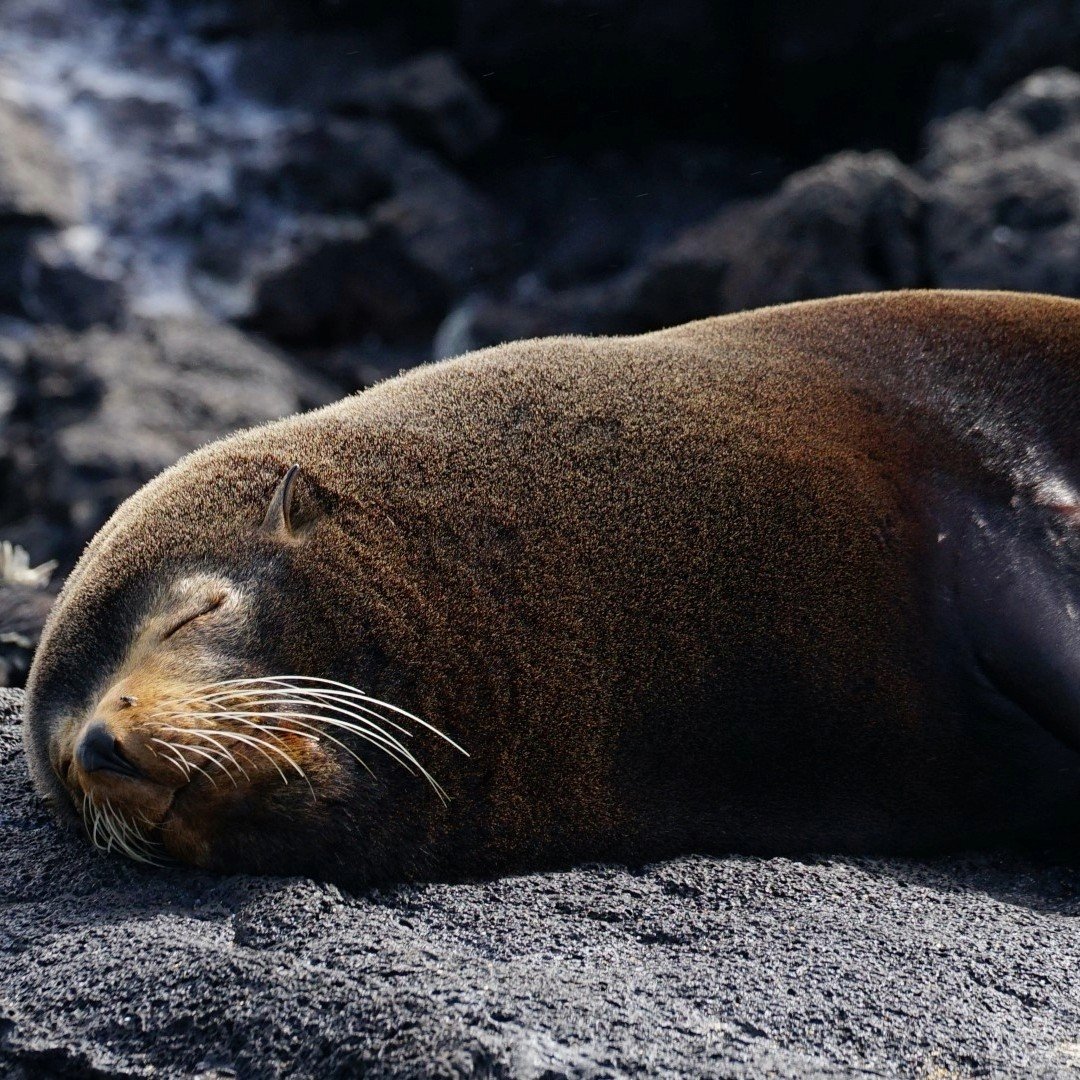
San Cristóbal is home to Puerto Baquerizo Moreno, the capital of the province. The island is known for its large colonies of sea lions, scenic coastal landscapes and excellent snorkelling opportunities. Inland, the highlands feature freshwater lagoons and lush vegetation.

img

Santa Cruz Island

Santa Cruz is one of the most populated islands in the Galápagos and a central hub for visitors. It is home to the town of Puerto Ayora as well as the Charles Darwin Research Station, which plays a key role in conservation efforts. The island also offers diverse landscapes, from lush highlands with giant tortoises to beautiful white-sand beaches such as Tortuga Bay.

img

Española Island

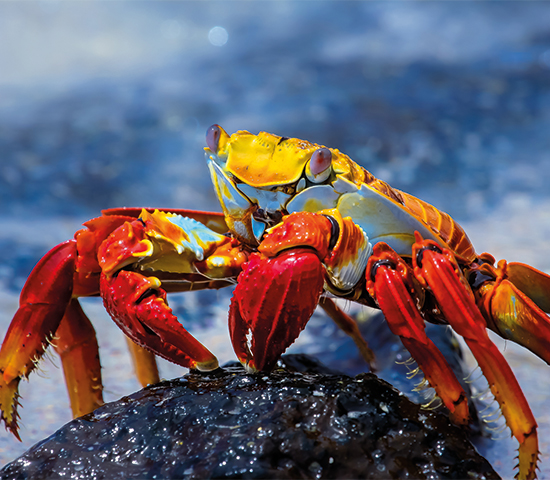
Española Island is one of the oldest islands in the archipelago and renowned for its remarkable wildlife. It is the primary breeding site for the waved albatross, which nests here during the warmer months. Visitors may also see marine iguanas, colourful Sally Lightfoot crabs and dramatic sea cliffs where seabirds gather.

img

Floreana

Floreana has a fascinating human history and was one of the first islands to be inhabited in the Galápagos. It is known for sites such as Post Office Bay, where a historic barrel once served as a makeshift mail system for sailors. The island also offers diverse wildlife, including flamingos, sea turtles and rays in its surrounding waters.

img

Genovesa Island

Genovesa, often called ‘Bird Island’, is a paradise for birdwatchers. The island sits within a flooded volcanic caldera and hosts huge colonies of seabirds including red-footed boobies, frigatebirds and storm petrels. Its dramatic cliffs and quiet bays provide ideal conditions for wildlife observation and snorkelling.

img

Isla Isabela

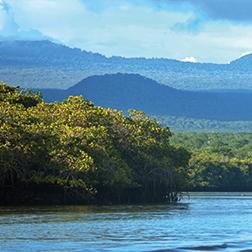
Isabela is the largest island in the Galápagos and was formed by the merging of several volcanoes. The island features an extraordinary range of landscapes, including lava fields, mangroves, wetlands and towering volcanic peaks. It is also home to a variety of wildlife such as giant tortoises, penguins, marine iguanas and flightless cormorants.

Frequently asked questions

The Galápagos can be visited year-round, with each season offering different wildlife experiences. December to May tends to bring warmer weather, calmer seas and excellent snorkelling conditions. June to November is slightly cooler but often offers fantastic wildlife activity, including nesting seabirds and feeding marine life.

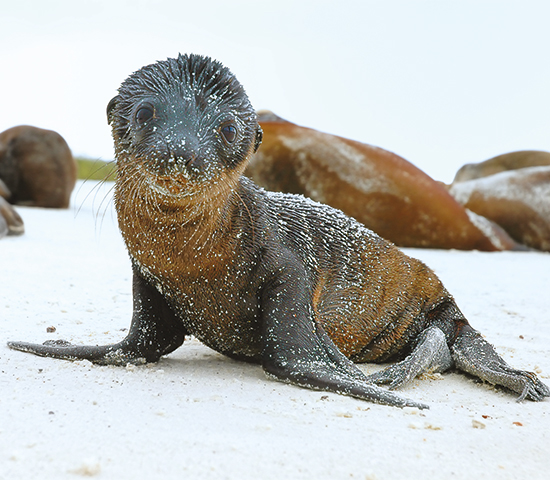
The Galápagos Islands are famous for their extraordinary and fearless wildlife. Visitors commonly encounter giant tortoises, marine iguanas, blue-footed boobies, sea lions and a wide range of seabirds. The surrounding waters are also home to turtles, rays, reef sharks and colourful tropical fish.

Most Galápagos expeditions are suitable for travellers with a moderate level of fitness. Daily activities usually include short, guided walks on volcanic terrain and opportunities for snorkelling or swimming. Landing sites can sometimes be uneven, but guides ensure activities are manageable for most guests.

Typical activities include guided nature walks led by expert naturalists, snorkelling with marine life, and small boat excursions along the coastline. Many itineraries also include visits to research centres, volcanic viewpoints and pristine beaches. The focus is on wildlife observation and understanding the islands’ unique ecosystems.

Lightweight clothing, comfortable walking shoes and sun protection are essential due to the equatorial climate. A hat, sunglasses and reef-safe sunscreen are strongly recommended. You may also want to bring swimwear, a light waterproof jacket, insect repellent and a small daypack for excursions.

Expedition Cruise Lines in Galápagos

OUR EXPERT CONCIERGE

Lisa M
Lisa M

Specialist Cruise Concierge and Expedition Specialist

Andrew W
Andrew W

Sales Manager for SixStarCruises

Laura W
Laura W

Senior Specialist Cruise Concierge and Expedition Specialist

Katie
Katie

Specialist Cruise Concierge and Expedition Specialist

Claire
Claire

Specialist Cruise Concierge and Expedition Specialist

Stacey
Stacey

Senior Cruise Concierge and Expedition Specialist

Rebecca
Rebecca

Specialist Cruise Concierge and Expedition Specialist

Shirley
Shirley

Specialist Cruise Concierge and Expedition Specialist

Elizabeth
Elizabeth

Specialist Cruise Concierge and Expedition Specialist

Emma
Emma

Specialist Cruise Concierge and Expedition Specialist

SixStarCruises

Customer Reviews

OUR ACCREDITATIONS

Member of the Expedition Cruise Network

Member of the Expedition Cruise Network

Partnership Achievement Award 2026

Partnership Achievement Award 2026

Luxury Cruise Agency of the Year 2025

Luxury Cruise Agency of the Year 2025

Luxury Cruise Agency Of The Year 2024

Luxury Cruise Agency Of The Year 2024

Enquire
You've added to your wishlist. To view, go to Wishlist