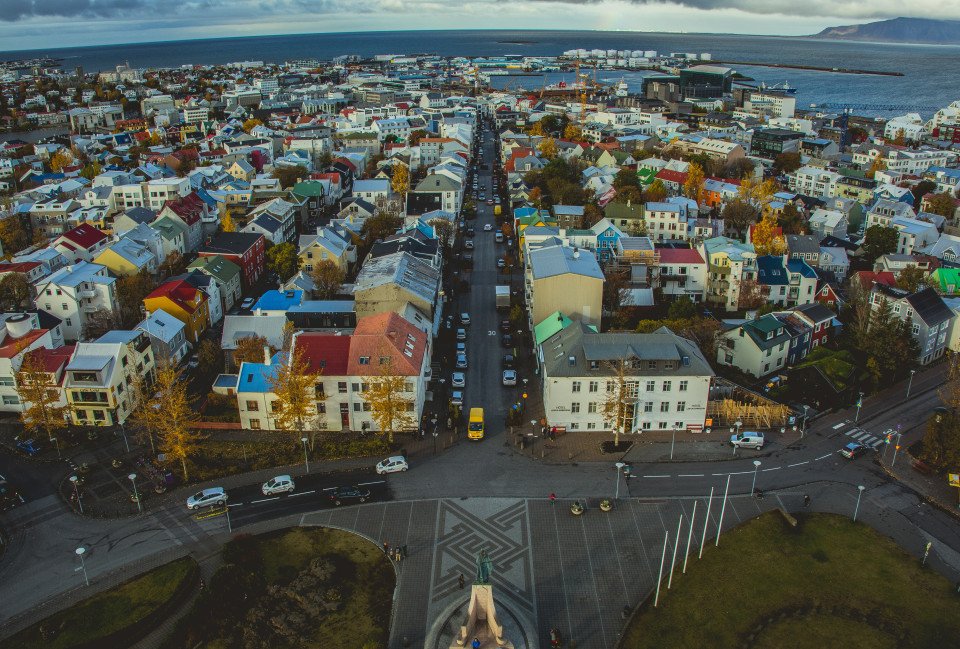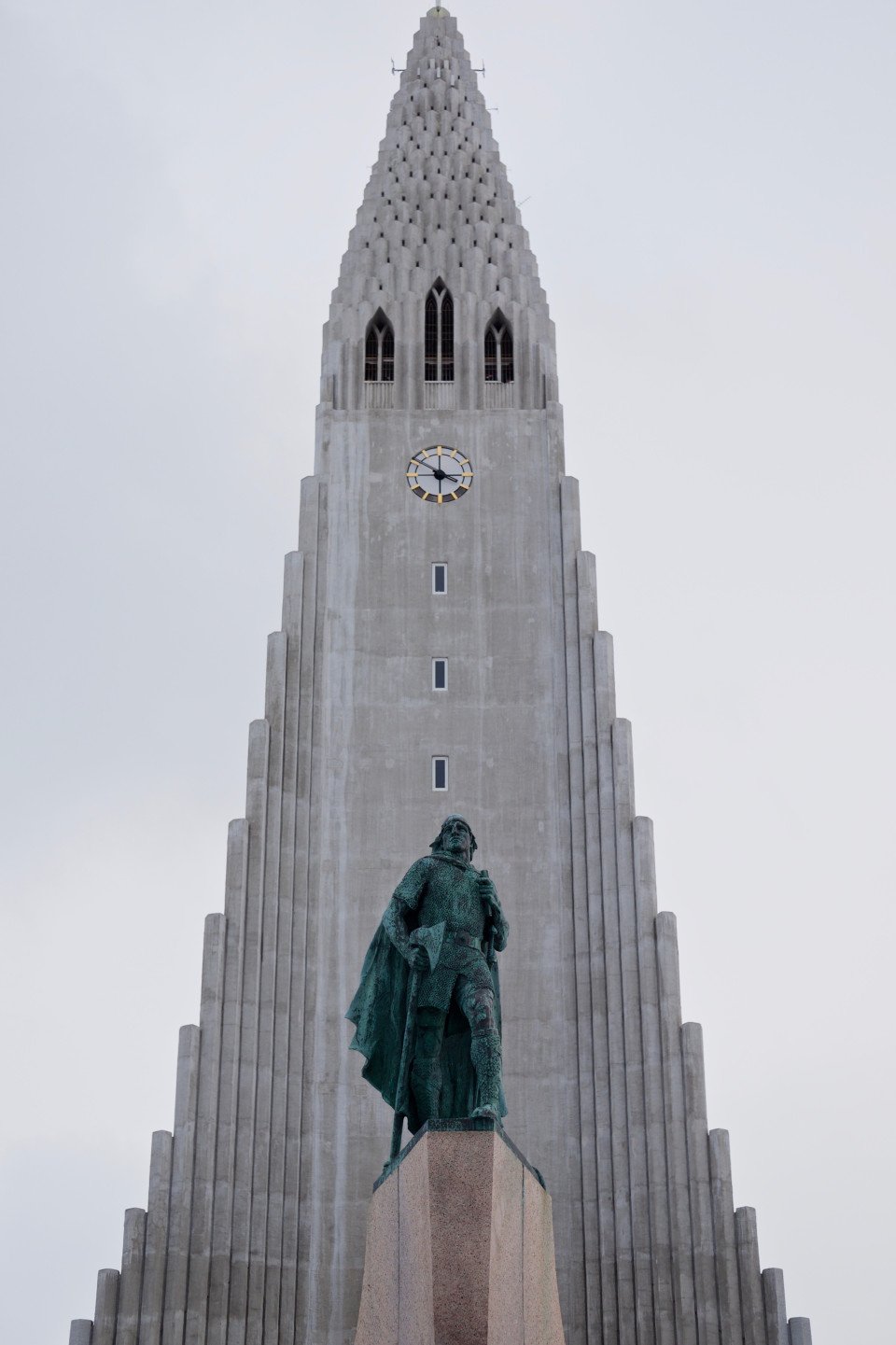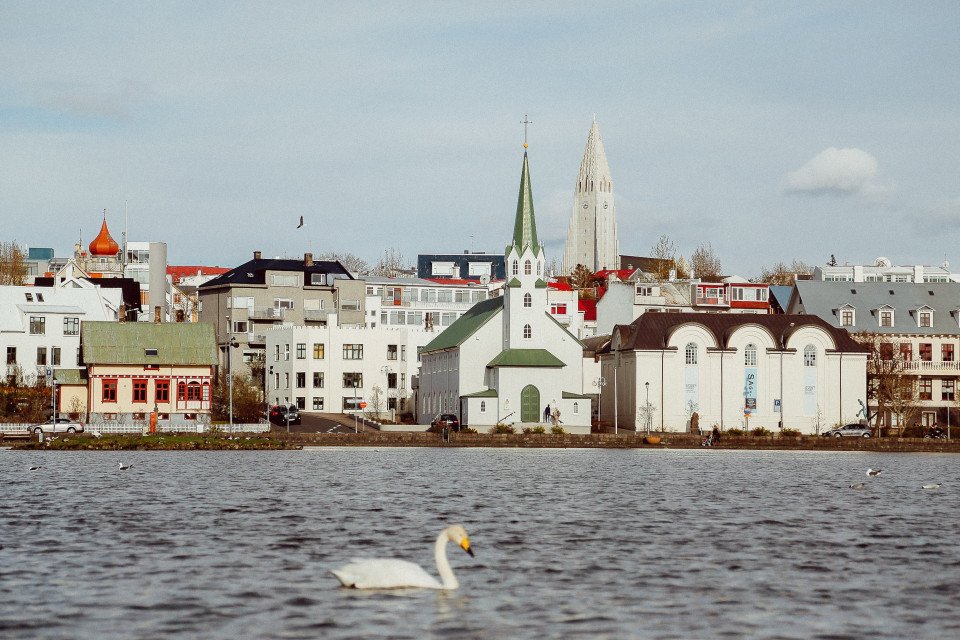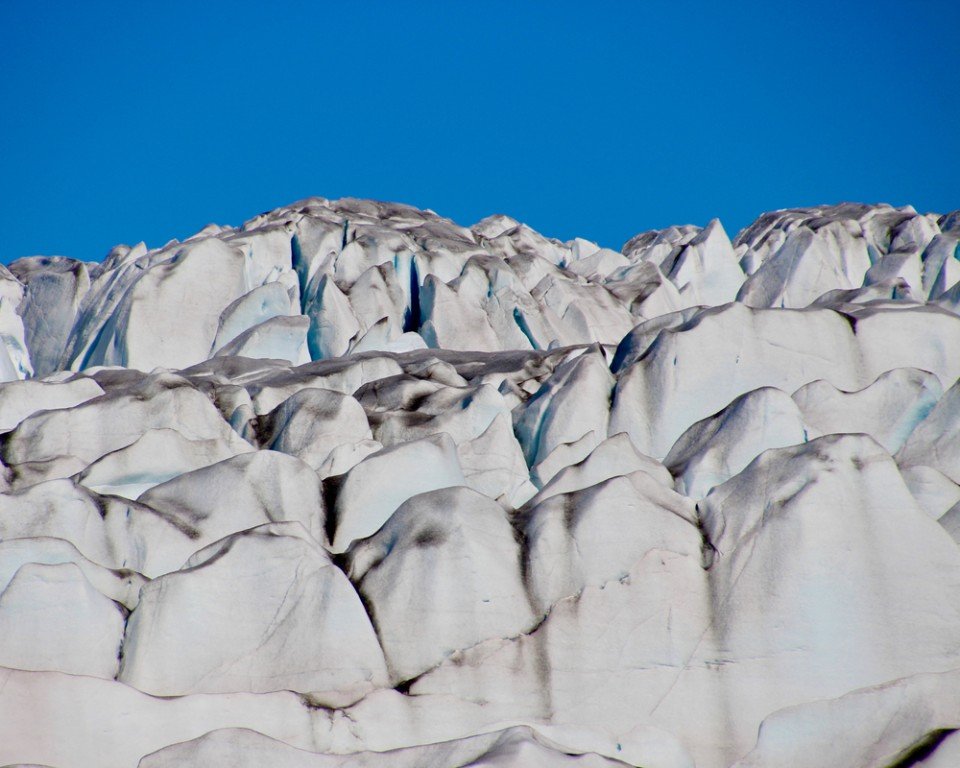
Sprawling Reykjavík, the nation's nerve center and government seat, is home to half the island's population. On a bay overlooked by proud Mt. Esja (pronounced eh-shyuh), with its ever-changing hues, Reykjavík presents a colorful sight, its concrete houses painted in light colors and topped by vibrant red, blue, and green roofs. In contrast to the almost treeless countryside, Reykjavík has many tall, native birches, rowans, and willows, as well as imported aspen, pines, and spruces.Reykjavík's name comes from the Icelandic words for smoke, reykur, and bay, vík. In AD 874, Norseman Ingólfur Arnarson saw Iceland rising out of the misty sea and came ashore at a bay eerily shrouded with plumes of steam from nearby hot springs. Today most of the houses in Reykjavík are heated by near-boiling water from the hot springs. Natural heating avoids air pollution; there's no smoke around. You may notice, however, that the hot water brings a slight sulfur smell to the bathroom.Prices are easily on a par with other major European cities. A practical option is to purchase a Reykjavík City Card at the Tourist Information Center or at the Reykjavík Youth Hostel. This card permits unlimited bus usage and admission to any of the city's seven pools, the Family Park and Zoo, and city museums. The cards are valid for one (ISK 3,300), two (ISK 4,400), or three days (ISK 4,900), and they pay for themselves after three or four uses a day. Even lacking the City Card, paying admission (ISK 500, or ISK 250 for seniors and people with disabilities) to one of the city art museums (Hafnarhús, Kjarvalsstaðir, or Ásmundarsafn) gets you free same-day admission to the other two.
Nuuk, meaning “the cape”, was Greenland’s first town (1728). Started as a fort and later mission and trading post some 240 kilometers south of the Arctic Circle, it is the current capital. Almost 30% of Greenland’s population lives in the town. Not only does Nuuk have great natural beauty in its vicinity, but there are Inuit ruins, Hans Egede’s home, the parliament, and the Church of our Saviour as well. The Greenlandic National Museum has an outstanding collection of Greenlandic traditional dresses, as well as the famous Qilakitsoq mummies. The Katuaq Cultural Center’s building was inspired by the undulating Northern Lights and can house 10% of Nuuk’s inhabitants.
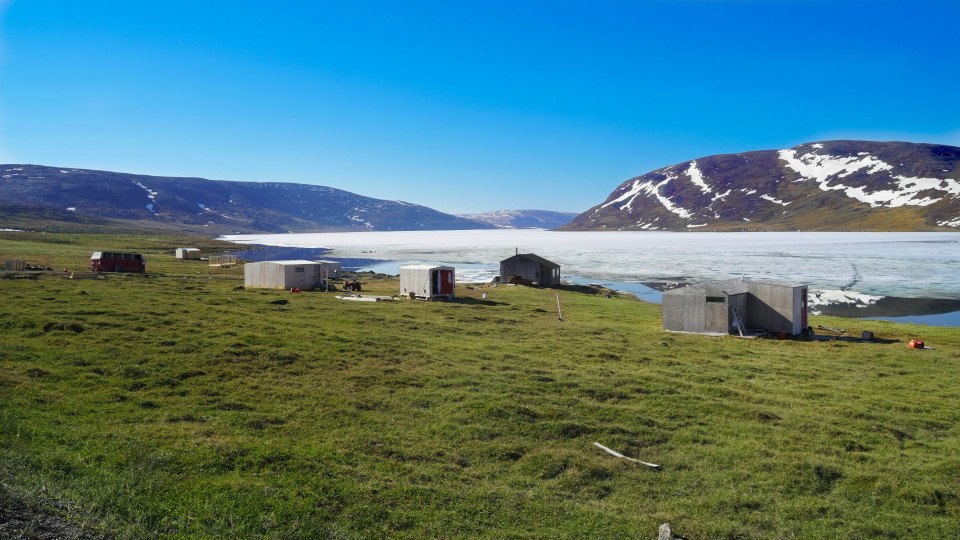
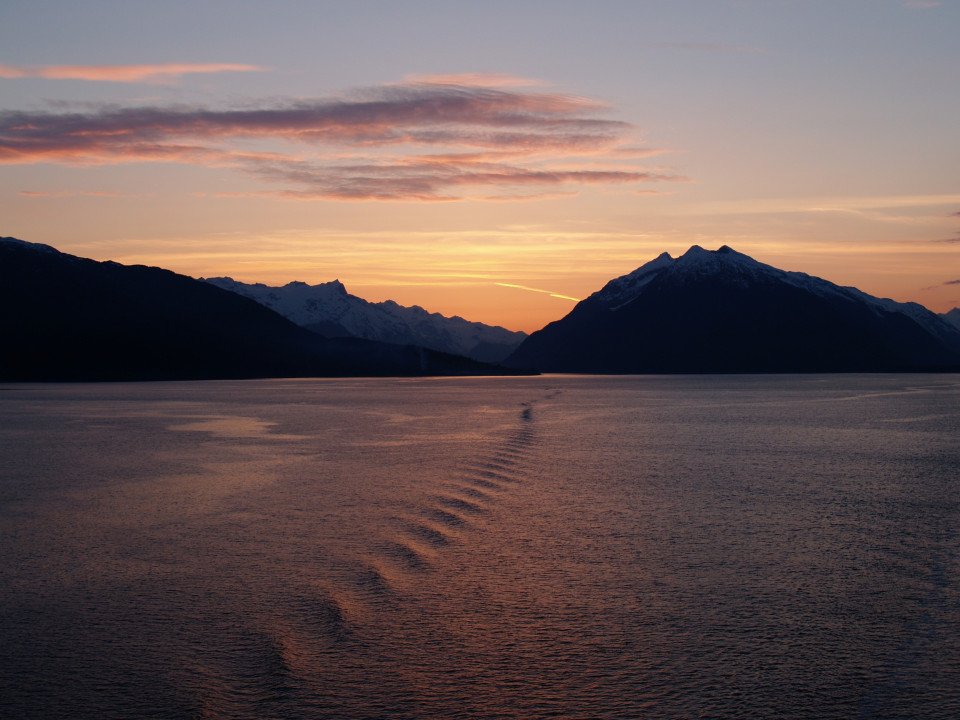
Evighedsfjorden, or "Eternity Fjord," is a breathtaking fjord located in Greenland, known for its stunning natural beauty and dramatic landscapes. This remote and pristine area features towering mountains, deep blue waters, and icebergs that drift gracefully through the fjord. The fjord is often surrounded by lush green valleys and rugged cliffs, creating a picturesque setting ideal for hiking, kayaking, and wildlife observation. Visitors may encounter seals, whales, and a variety of bird species in this serene environment. Evighedsfjorden offers a unique opportunity to experience the untouched wilderness of Greenland, making it a perfect destination for adventurers and nature enthusiasts seeking tranquillity and spectacular scenery.
Located just north of the Arctic Circle, Sisimiut is the northernmost town in Greenland where the port remains free of ice in the winter. Yet it is also the southernmost town where there is enough snow and ice to drive a dogsled in winter and spring. In Sisimiut, travelling by sled has been the primary means of winter transportation for centuries. In fact, the area has been inhabited for approximately 4,500 years. Modern Sisimiut is the largest business center in the north of Greenland, and is one of the fastest growing Greenlandic cities. Commercial fishing is the lead economy in the town‘s thriving industrial base.
Known as the birthplace of icebergs, the Ilulissat Icefjord produces nearly 20 million tons of ice each day. In fact, the word Ilulissat means “icebergs” in the Kalaallisut language. The town of Ilulissat is known for its long periods of calm and settled weather, but the climate tends to be cold due to its proximity to the fjord. Approximately 4,500 people live in Ilulissat, the third-largest town in Greenland after Nuuk and Sisimiut. Some people here estimate that there are nearly as many sled dogs as human beings living in the town that also boasts a local history museum located in the former home of Greenlandic folk hero and famed polar explorer Knud Rasmussen.
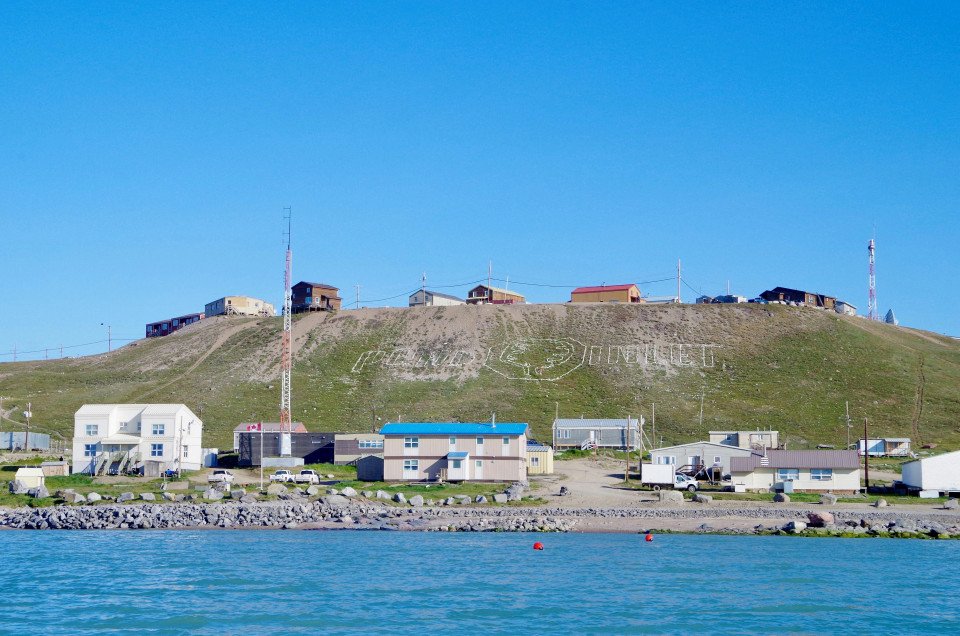
Located in northern Baffin Island, Pond Inlet is a small, predo¬minantly Inuit community, with a population of roughly 1,500 inhabitants. In 1818, the British explorer John Ross named a bay in the vicinity after the English astronomer John Pond. Today Pond Inlet is considered one of Canada's "jewels of the North" thanks to several picturesque glaciers and mountain ranges nearby. Many archaeological sites of ancient Dorset and Thule peoples can be found near Pond Inlet. The Inuit hunted caribou, ringed and harp seals, fish, polar bears, walrus, narwhals, geese, ptarmigans and Arctic hares, long before European and American whalers came here to harvest bowhead whales. Pond Inlet is also known as a major center of Inuit art, especially the printmaking and stone carving that are featured in the town’s art galleries.
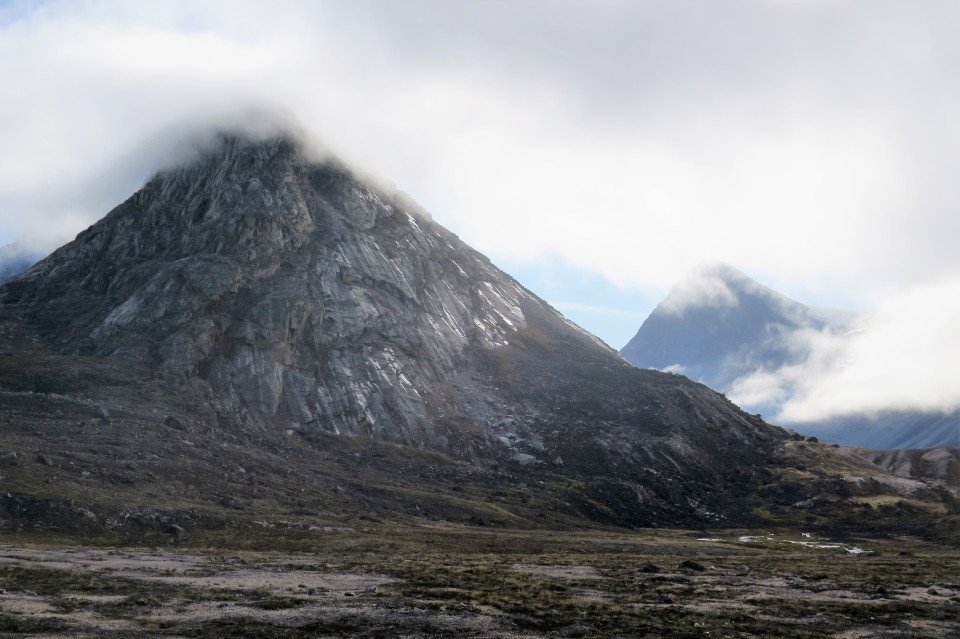
Dundas Harbour is located in the southeast of Devon Island, Canada’s 6th largest island. It is a forlorn but starkly beautiful spot. The island was first sighted by Europeans in 1616 by the English explorers Robert Bylot and William Baffin. But it did not appear on maps until after explorer William Edward Parry’s exploration in the 1820’s. Parry named it after Devon, England. In the local Inuktitut language, the place is called Talluruti, which translates as “a woman’s chin with tattoos on it.” This refers to the deep crevasses and streaks on Devon Island, which from a distance resemble traditional facial tattoos. On land there are remains of a Thule settlement dating back to 1000 A.D., including tent rings, middens and a gravesite. There are also much more recent remains a Royal Canadian Mounted Police outpost. The first post was established in 1924 to monitor and control illegal activities, such as foreign whaling, in the eastern entrance to the Northwest Passage. But conditions were so isolated and severe that the post was abandoned in 1933. It was reopened in 1945, but again closed, this time permanently, in 1951. Today, Devon Island is the largest uninhabited island in the world.
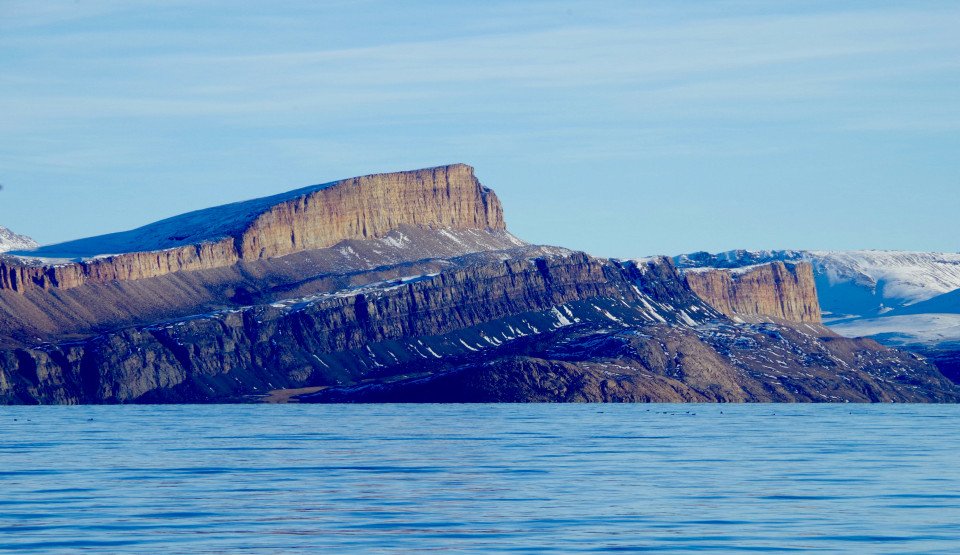
Beechey Island is a small island off the southwest coast of Devon Island, separated by a narrow waterway called the Barrow Strait. Captain William Edward Parry was the first European to visit the island in 1819. His lieutenant, Frederick William Beechey, named the island after his father, the artist William Beechey (1753–1839). Beechey Island played a significant role in the history of Arctic Exploration. During the winter of 1845-46, Sir John Franklin and his men camped on the island as part of their ill-fated quest to find the Northwest Passage. Mummified remains of three of Franklin’s crew were discovered, giving a better understanding of what happened before the disappearance of the expedition. In 1850 Edward Belcher used the island as a base while surveying the area. Later, in 1903, Norwegian explorer Roald Amundsen stopped at the island at the beginning of his successful voyage in search for the Northwest Passage. Subsequently, Beechey Island has been declared a "Territorial Historic Site" since 1975 by the Northwest Territories government
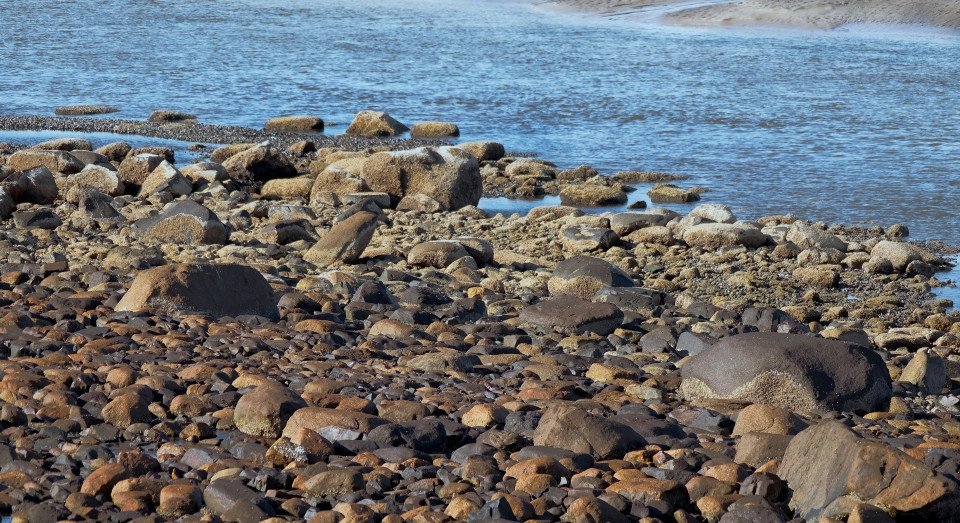
Nome is located on the edge of the Bering Sea, on the southwest side of the Seward Peninsula. Unlike other towns which are named for explorers, heroes or politicians, Nome was named as a result of a 50 year-old spelling error. In the 1850's an officer on a British ship off the coast of Alaska noted on a manuscript map that a nearby prominent point was not identified. He wrote "? Name" next to the point. When the map was recopied, another draftsman thought that the “?” was a C and that the “a” in "Name" was an o, and thus a map-maker in the British Admiralty christened "Cape Nome." The area has an amazing history dating back 10,000 years of Inupiaq Eskimo use for subsistence living. Modern history started in 1898 when "Three Lucky Swedes”, Jafet Lindberg, Erik Lindblom and John Brynteson, discovered gold in Anvil Creek…the rush was on! In 1899 the population of Nome swelled from a handful to 28,000. Today the population is just over 3,500. Much of Nome's gold rush architecture remains.
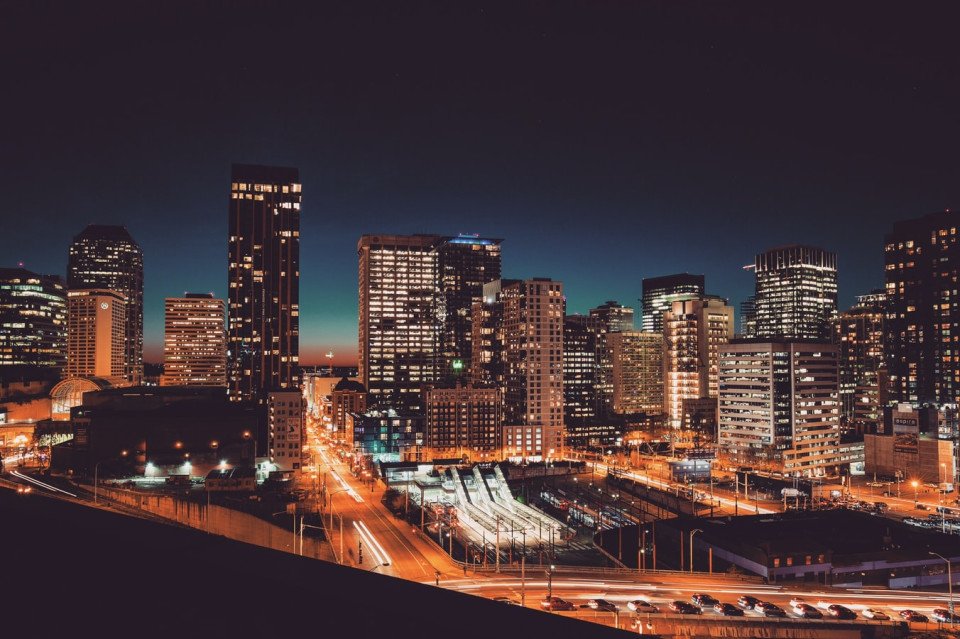
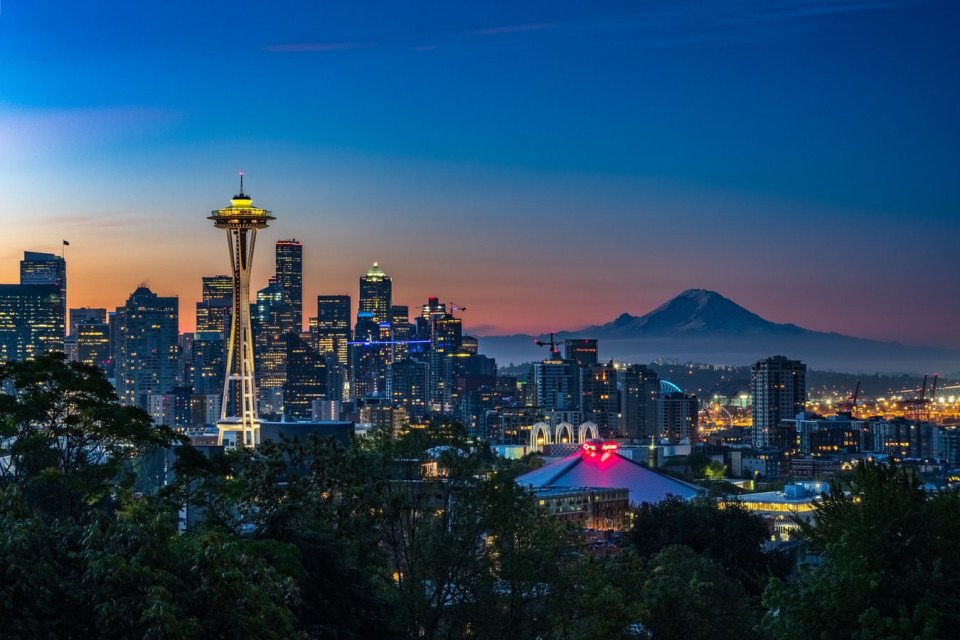
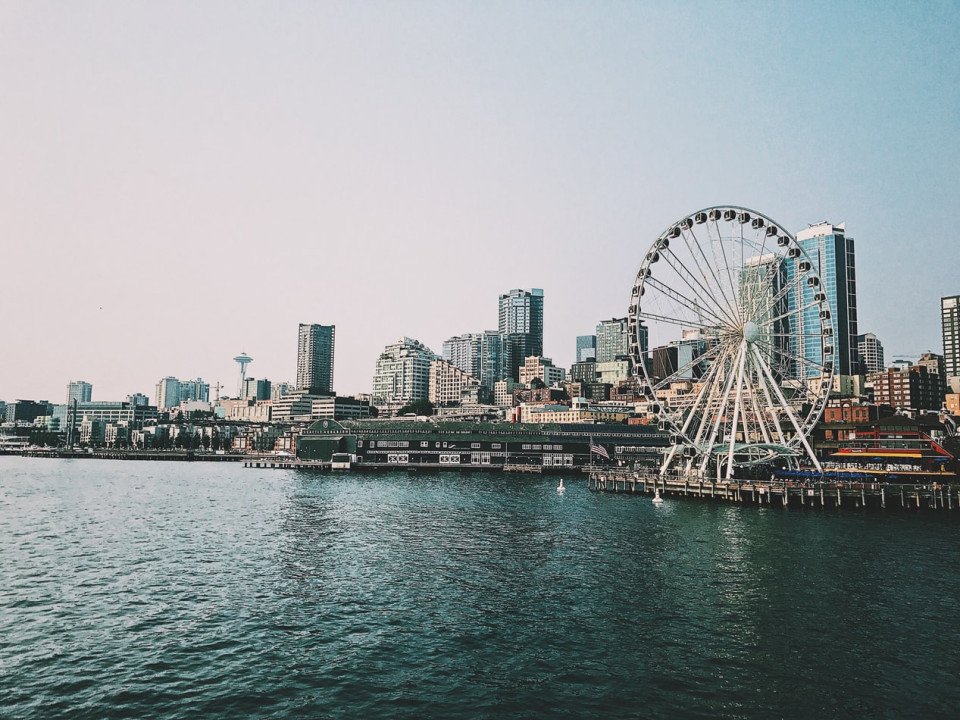
Seattle is a scenic seaport city in western Washington, situated on an isthmus between Puget Sound to the west and Lake Washington to the east. It is the largest city in Washington. Five pioneer families from Illinois first settled the area in 1851, and named the town after a friendly Suquamish Indian chief. It was incorporated as a city in 1869, and grew quickly after the Great Northern Railway arrived in 1893, especially during the Alaska Gold Rush of 1897. When the Panama Canal opened in 1914, Seattle became a major Pacific port of entry, and today it is the region's commercial and transportation hub and the centre of manufacturing, trade, and finance, with an estimated 684,451 residents as of 2015.
Sprawling Reykjavík, the nation's nerve center and government seat, is home to half the island's population. On a bay overlooked by proud Mt. Esja (pronounced eh-shyuh), with its ever-changing hues, Reykjavík presents a colorful sight, its concrete houses painted in light colors and topped by vibrant red, blue, and green roofs. In contrast to the almost treeless countryside, Reykjavík has many tall, native birches, rowans, and willows, as well as imported aspen, pines, and spruces.Reykjavík's name comes from the Icelandic words for smoke, reykur, and bay, vík. In AD 874, Norseman Ingólfur Arnarson saw Iceland rising out of the misty sea and came ashore at a bay eerily shrouded with plumes of steam from nearby hot springs. Today most of the houses in Reykjavík are heated by near-boiling water from the hot springs. Natural heating avoids air pollution; there's no smoke around. You may notice, however, that the hot water brings a slight sulfur smell to the bathroom.Prices are easily on a par with other major European cities. A practical option is to purchase a Reykjavík City Card at the Tourist Information Center or at the Reykjavík Youth Hostel. This card permits unlimited bus usage and admission to any of the city's seven pools, the Family Park and Zoo, and city museums. The cards are valid for one (ISK 3,300), two (ISK 4,400), or three days (ISK 4,900), and they pay for themselves after three or four uses a day. Even lacking the City Card, paying admission (ISK 500, or ISK 250 for seniors and people with disabilities) to one of the city art museums (Hafnarhús, Kjarvalsstaðir, or Ásmundarsafn) gets you free same-day admission to the other two.
Nuuk, meaning “the cape”, was Greenland’s first town (1728). Started as a fort and later mission and trading post some 240 kilometers south of the Arctic Circle, it is the current capital. Almost 30% of Greenland’s population lives in the town. Not only does Nuuk have great natural beauty in its vicinity, but there are Inuit ruins, Hans Egede’s home, the parliament, and the Church of our Saviour as well. The Greenlandic National Museum has an outstanding collection of Greenlandic traditional dresses, as well as the famous Qilakitsoq mummies. The Katuaq Cultural Center’s building was inspired by the undulating Northern Lights and can house 10% of Nuuk’s inhabitants.
Evighedsfjorden, or "Eternity Fjord," is a breathtaking fjord located in Greenland, known for its stunning natural beauty and dramatic landscapes. This remote and pristine area features towering mountains, deep blue waters, and icebergs that drift gracefully through the fjord. The fjord is often surrounded by lush green valleys and rugged cliffs, creating a picturesque setting ideal for hiking, kayaking, and wildlife observation. Visitors may encounter seals, whales, and a variety of bird species in this serene environment. Evighedsfjorden offers a unique opportunity to experience the untouched wilderness of Greenland, making it a perfect destination for adventurers and nature enthusiasts seeking tranquillity and spectacular scenery.
Located just north of the Arctic Circle, Sisimiut is the northernmost town in Greenland where the port remains free of ice in the winter. Yet it is also the southernmost town where there is enough snow and ice to drive a dogsled in winter and spring. In Sisimiut, travelling by sled has been the primary means of winter transportation for centuries. In fact, the area has been inhabited for approximately 4,500 years. Modern Sisimiut is the largest business center in the north of Greenland, and is one of the fastest growing Greenlandic cities. Commercial fishing is the lead economy in the town‘s thriving industrial base.
Known as the birthplace of icebergs, the Ilulissat Icefjord produces nearly 20 million tons of ice each day. In fact, the word Ilulissat means “icebergs” in the Kalaallisut language. The town of Ilulissat is known for its long periods of calm and settled weather, but the climate tends to be cold due to its proximity to the fjord. Approximately 4,500 people live in Ilulissat, the third-largest town in Greenland after Nuuk and Sisimiut. Some people here estimate that there are nearly as many sled dogs as human beings living in the town that also boasts a local history museum located in the former home of Greenlandic folk hero and famed polar explorer Knud Rasmussen.
Located in northern Baffin Island, Pond Inlet is a small, predo¬minantly Inuit community, with a population of roughly 1,500 inhabitants. In 1818, the British explorer John Ross named a bay in the vicinity after the English astronomer John Pond. Today Pond Inlet is considered one of Canada's "jewels of the North" thanks to several picturesque glaciers and mountain ranges nearby. Many archaeological sites of ancient Dorset and Thule peoples can be found near Pond Inlet. The Inuit hunted caribou, ringed and harp seals, fish, polar bears, walrus, narwhals, geese, ptarmigans and Arctic hares, long before European and American whalers came here to harvest bowhead whales. Pond Inlet is also known as a major center of Inuit art, especially the printmaking and stone carving that are featured in the town’s art galleries.
Dundas Harbour is located in the southeast of Devon Island, Canada’s 6th largest island. It is a forlorn but starkly beautiful spot. The island was first sighted by Europeans in 1616 by the English explorers Robert Bylot and William Baffin. But it did not appear on maps until after explorer William Edward Parry’s exploration in the 1820’s. Parry named it after Devon, England. In the local Inuktitut language, the place is called Talluruti, which translates as “a woman’s chin with tattoos on it.” This refers to the deep crevasses and streaks on Devon Island, which from a distance resemble traditional facial tattoos. On land there are remains of a Thule settlement dating back to 1000 A.D., including tent rings, middens and a gravesite. There are also much more recent remains a Royal Canadian Mounted Police outpost. The first post was established in 1924 to monitor and control illegal activities, such as foreign whaling, in the eastern entrance to the Northwest Passage. But conditions were so isolated and severe that the post was abandoned in 1933. It was reopened in 1945, but again closed, this time permanently, in 1951. Today, Devon Island is the largest uninhabited island in the world.
Beechey Island is a small island off the southwest coast of Devon Island, separated by a narrow waterway called the Barrow Strait. Captain William Edward Parry was the first European to visit the island in 1819. His lieutenant, Frederick William Beechey, named the island after his father, the artist William Beechey (1753–1839). Beechey Island played a significant role in the history of Arctic Exploration. During the winter of 1845-46, Sir John Franklin and his men camped on the island as part of their ill-fated quest to find the Northwest Passage. Mummified remains of three of Franklin’s crew were discovered, giving a better understanding of what happened before the disappearance of the expedition. In 1850 Edward Belcher used the island as a base while surveying the area. Later, in 1903, Norwegian explorer Roald Amundsen stopped at the island at the beginning of his successful voyage in search for the Northwest Passage. Subsequently, Beechey Island has been declared a "Territorial Historic Site" since 1975 by the Northwest Territories government
Nome is located on the edge of the Bering Sea, on the southwest side of the Seward Peninsula. Unlike other towns which are named for explorers, heroes or politicians, Nome was named as a result of a 50 year-old spelling error. In the 1850's an officer on a British ship off the coast of Alaska noted on a manuscript map that a nearby prominent point was not identified. He wrote "? Name" next to the point. When the map was recopied, another draftsman thought that the “?” was a C and that the “a” in "Name" was an o, and thus a map-maker in the British Admiralty christened "Cape Nome." The area has an amazing history dating back 10,000 years of Inupiaq Eskimo use for subsistence living. Modern history started in 1898 when "Three Lucky Swedes”, Jafet Lindberg, Erik Lindblom and John Brynteson, discovered gold in Anvil Creek…the rush was on! In 1899 the population of Nome swelled from a handful to 28,000. Today the population is just over 3,500. Much of Nome's gold rush architecture remains.
Seattle is a scenic seaport city in western Washington, situated on an isthmus between Puget Sound to the west and Lake Washington to the east. It is the largest city in Washington. Five pioneer families from Illinois first settled the area in 1851, and named the town after a friendly Suquamish Indian chief. It was incorporated as a city in 1869, and grew quickly after the Great Northern Railway arrived in 1893, especially during the Alaska Gold Rush of 1897. When the Panama Canal opened in 1914, Seattle became a major Pacific port of entry, and today it is the region's commercial and transportation hub and the centre of manufacturing, trade, and finance, with an estimated 684,451 residents as of 2015.
This holiday is generally suitable for persons with reduced mobility. For customers with reduced mobility or any medical condition that may require special assistance or arrangements to be made, please notify your Cruise Concierge at the time of your enquiry, so that we can provide specific information as to the suitability of the holiday, as well as make suitable arrangements with the Holiday Provider on your behalf.
What's Included with HX Expeditions
Dining
Wellness facilities
Drinks
Gratuities
Activities and excursions
Expedition gear and water bottle
Professional photos
Wi-Fi
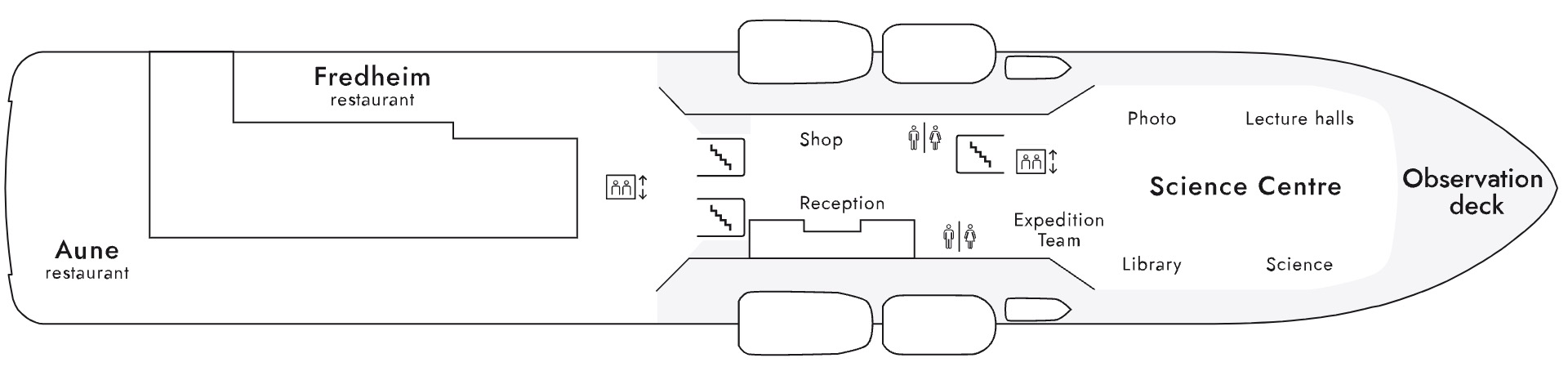
Science Centre
MS Fridtjof Nansen Ship Facts
MS Fridtjof Nansen was launched in 2020
The gross tonnage is 20889
The width of MS Fridtjof Nansen is 23.6 meters
The maximum speed of the ship is 15 knots per hour
The length of MS Fridtjof Nansen is 140 meters
The currency taken on MS Fridtjof Nansen is NOK
The ship has 9 decks
MS Fridtjof Nansen has 265 cabins on board
It also has wheelchair cabins on board
Best Time to Travel
Polar bear
As the sea ice melts at the peak of summer, polar bears are more likely to be seen as they move onto shorelines and ice sheet edges. They are most frequently sighted around Devon Island, Lancaster Sound and central passages of the Northwest Passage.
Jan
Feb
Mar
Apr
May
Jun
Jul
Aug
Sep
Oct
Nov
Dec
Best time
Good time
Narwhals
Narwhals are often seen around the ice edges during late July and August, which is an active feeding season for them. They are spotted predominantly around Lancaster Sound and Pond Inlet.
Jan
Feb
Mar
Apr
May
Jun
Jul
Aug
Sep
Oct
Nov
Dec
Best time
Good time
Musk Ox
These unique creatures congregate around Devon Island and parts of the High Arctic. As the snow melts and visibility improves, they are easier to spot grazing on the thriving vegetation.
Jan
Feb
Mar
Apr
May
Jun
Jul
Aug
Sep
Oct
Nov
Dec
Best time
Good time
Beluga Whale
August is peak season for spotting these beautiful mammals as they move into warmer waters to feed and mate. They are often seen in large pods in shallow estuaries and coastlines.
Jan
Feb
Mar
Apr
May
Jun
Jul
Aug
Sep
Oct
Nov
Dec
Best time
Good time
Lush greenery and wildflowers
The best time to witness Arctic Canada in all its colourful glory is between late July and early August. The tundra bursts into a haven of Arctic poppies and purple saxifrage, turning to a beautiful deep red by the end of the month.
Jan
Feb
Mar
Apr
May
Jun
Jul
Aug
Sep
Oct
Nov
Dec
Best time
Good time
Explore MS Fridtjof Nansen
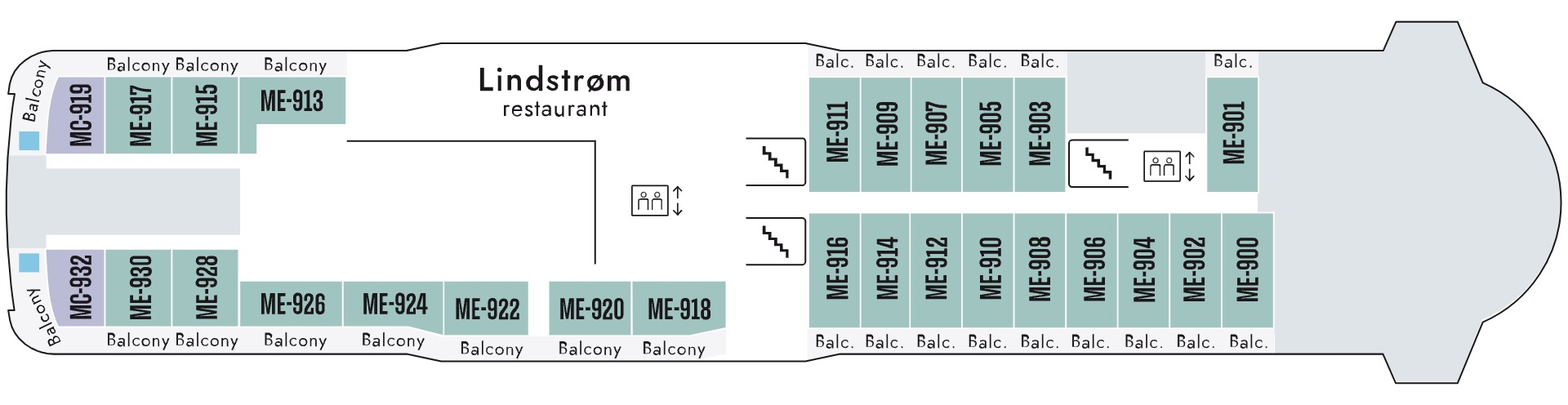
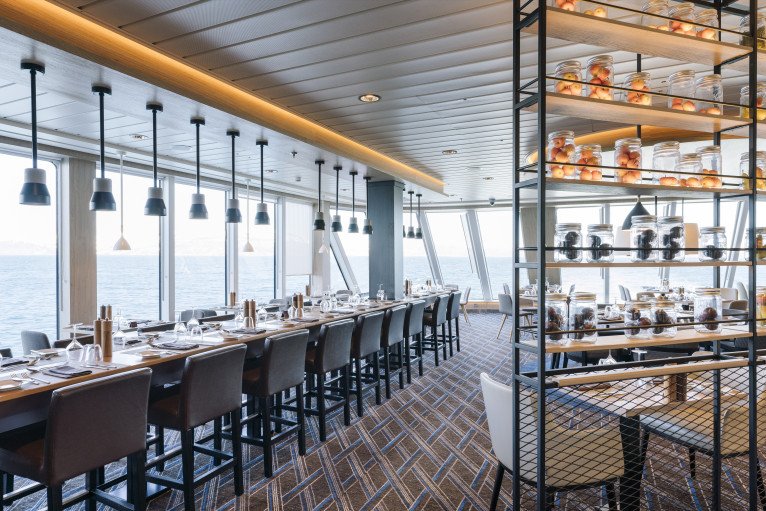
Lindstrøm
A speciality restaurant named after Adolf Lindstrøm, the favourite chef of the Norwegian polar heroes. Fine dining in Restaurant Lindstrøm is included for suite guests. Non-suite guests can enjoy breakfast, lunch and dinner in Lindstrøm for an additional cost.
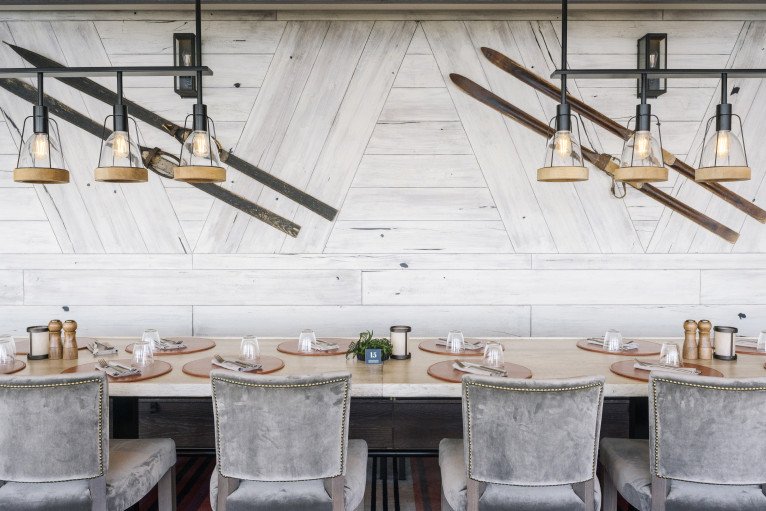
Aune
Named after the Norwegian ship chandler and polar expedition supplier Tinus Aune.
Fredheim
The ships’ informal and social meeting place – named after a 1900s hunting station on Svalbard.
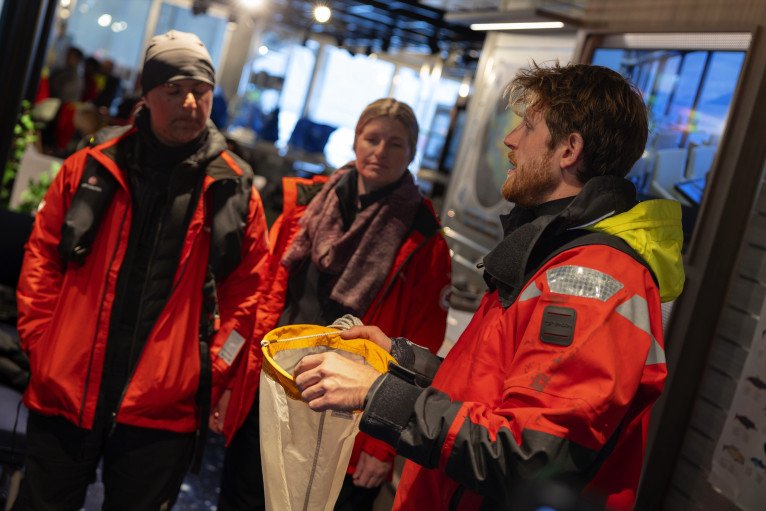
Excursions
We offer a rich and varied program of optional shore excursions. In many ports, we offer an included excursion, which can be reserved for no additional charge. In many cases the included excursion can be combined with other optional excursions in the port. Most excursions can be pre-booked but may also be bookable onboard if capacity remains.
We advise that you book well in advance in order to avoid disappointment due to the excursion being fully booked. Please note that registration is binding, and once on board the Expedition Team will advise you of booking deadlines for excursions still available. Our excursions have English speaking guides unless otherwise indicated and other languages cannot be guaranteed unless otherwise specified. Excursions are subject to change and possible cancellation due to weather conditions. They are also dependent on the number of participants.
All expedition shore landings and small boat cruising during our exploration of Antarctica are included the programme. Along with the optional excursions available to book, the Expedition Team also arrange a variety of activities during the voyage. These will depend on location and season, but may include hiking, small boat cruising, kayaking, snowshoeing, or camping. A limited amount of kayaking is available for booking prior to select voyages, but all other activities are booked on board and subject to availability.
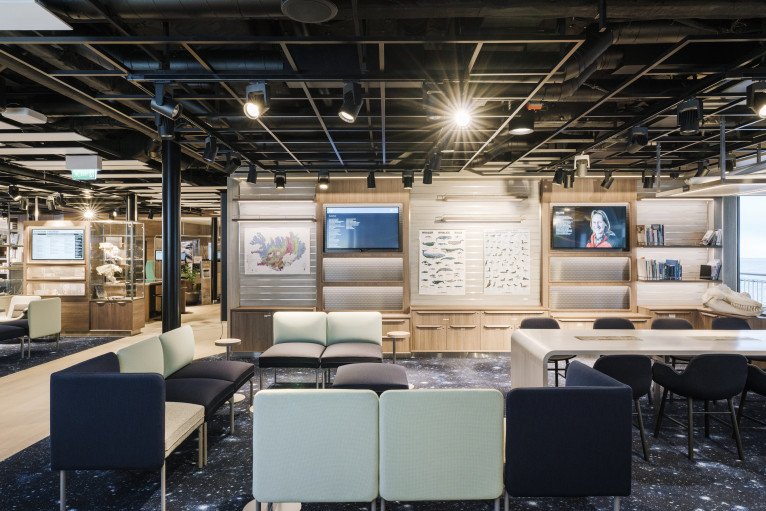
Science Center
The Science & Education program brings together like-minded individuals
Covering over 3/4 of the planet's surface, our oceans are vital in supporting human life on earth and are also home to over 90% of all known wildlife. Despite it influencing everything from our weather to transportation and yes, expedition cruises, very little is known about our blue planet.
This is where HX Expeditions and our fleet of small, state-of-the-art Expedition ships come in. We can reach, explore and collect vital scientific data on some of the planet’s most remote regions. From understanding whale migrations and phytoplankton communities to cloud observations and the Northern Lights, our onboard Science & Education Teams - with the help of you, our guests - captures, analyses, and reports invaluable data to organisations and research projects around the world.
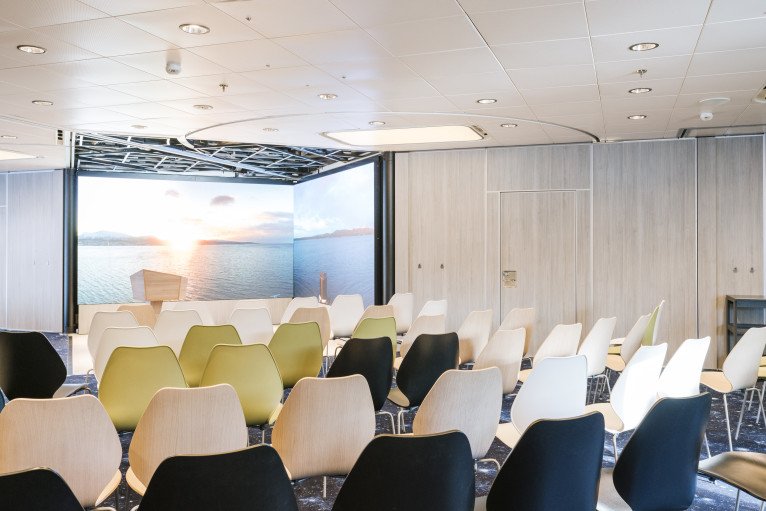
Lecture Halls
In-depth talks on history, climate change, sustainability, wildlife, Earth science, culture, and other topics specific to the destination you are visiting are held here. Learning more about each subject is certain to enhance your expedition experience.
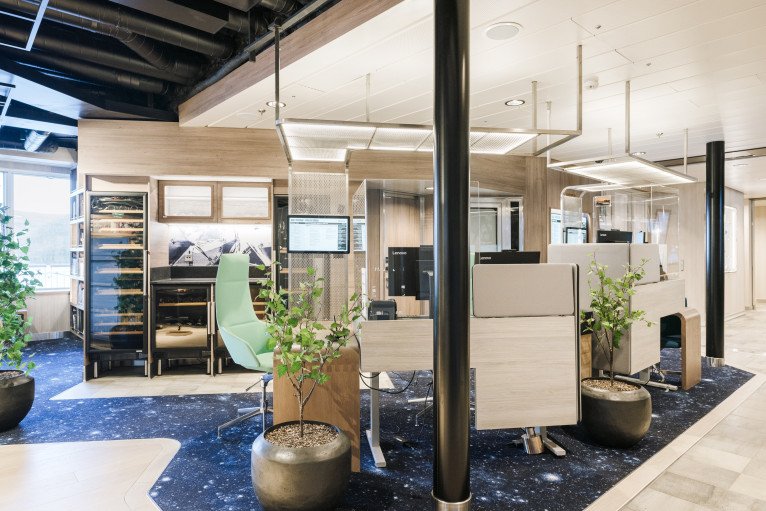
Expedition Team Desk
Each expedition voyage is accompanied by a hand-picked team of specialists and modern-day explorers. Highly experienced, passionate and knowledgeable, the Expedition Team will be your guides and guardians on your voyage of exploration, instructing you on safety, sustainability and science.
MS Fridtjof Nansen will feature a variety of custom built expedition equipment, including kayaks, a fleet of Blueye underwater drones and Expedition Boats for safe landings in remote areas.
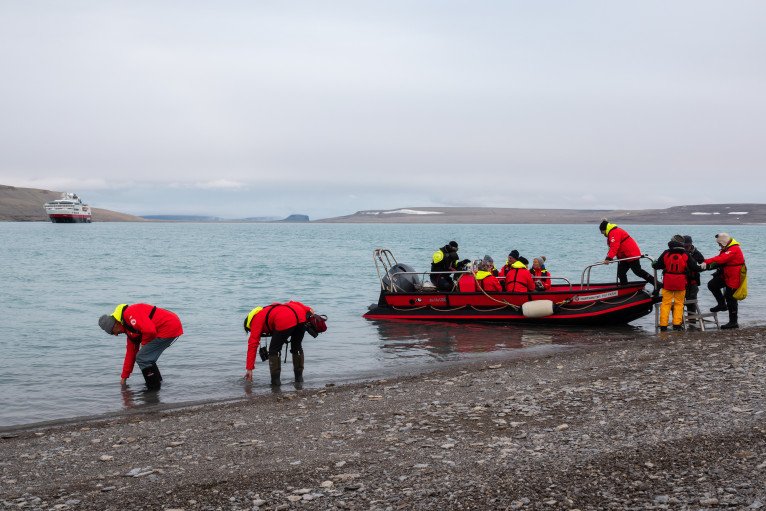
Expedition Launch Pad
The Expedition Launch Pad can be found on Deck 3.
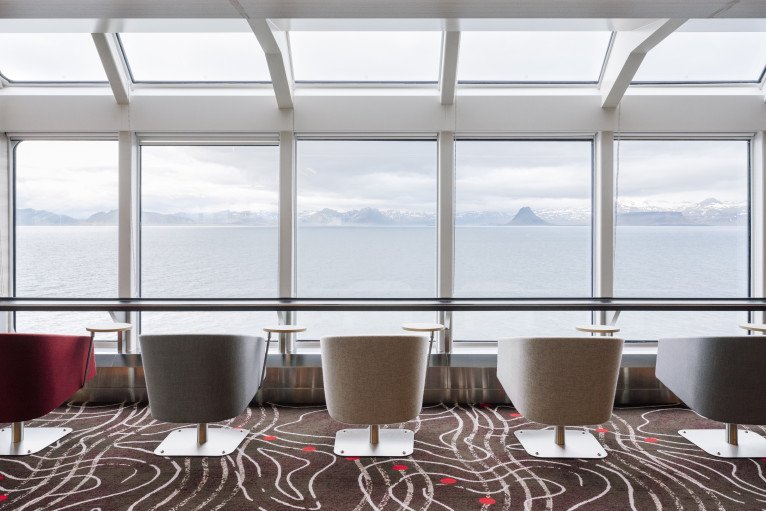
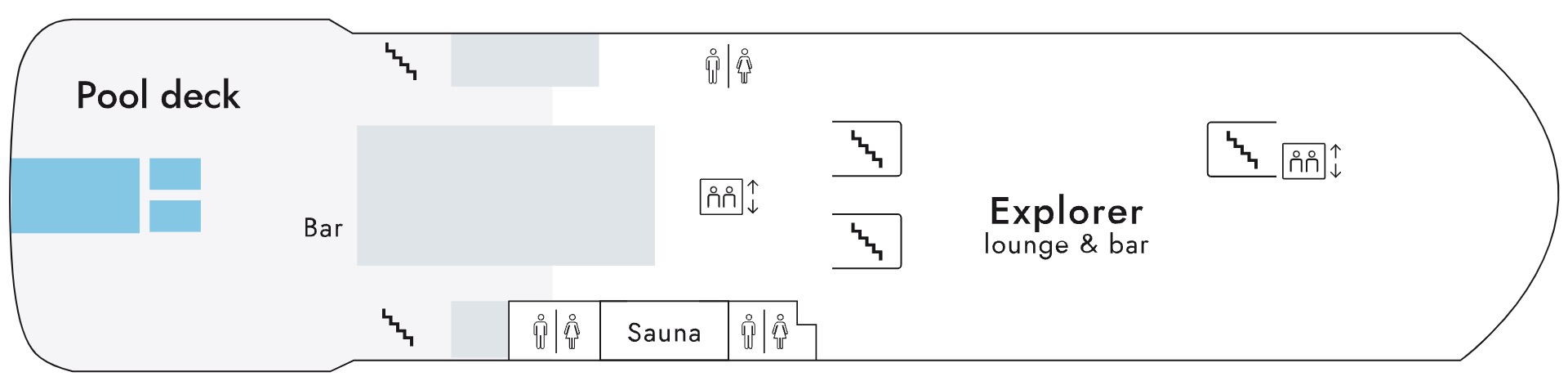
Explorer Lounge & Bar
Relax and rejuvenate in the elegant Explorer lounge & bar. Sink into a comfortable armchair and gaze out at the magnificent views through the floor-to-ceiling windows.
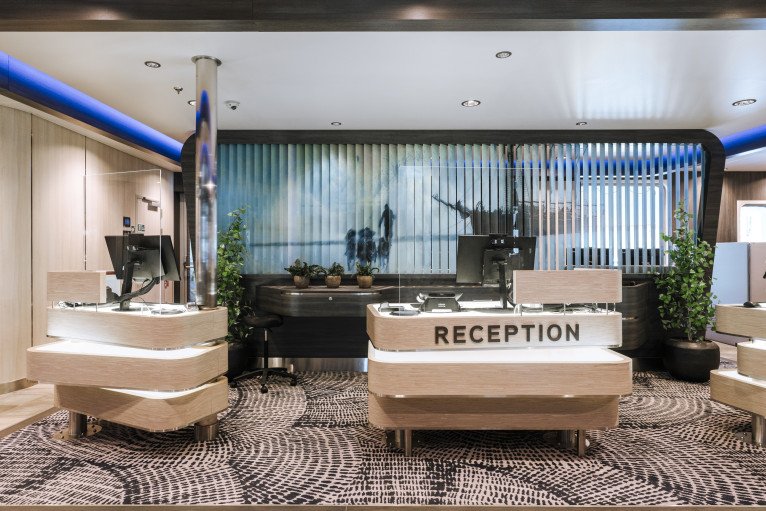
Reception
The Reception can be found on Deck 6.
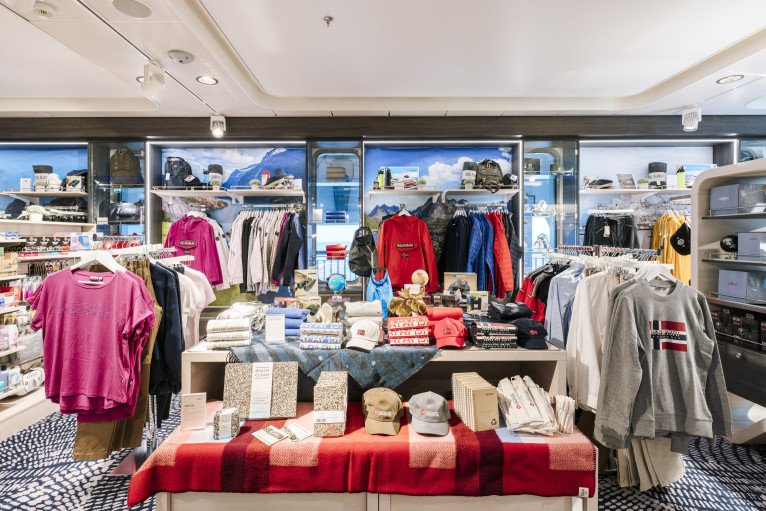
Shop
In our on board shop you can buy modern clothing suitable for Expedition cruis. Our Expedition Team will be happy to give you expert advice on how to dress properly in polar areas. We offer a great range of both warm and practical clothing, and we focus fabrics with natural fibres. We also offer souvenirs, handicrafts, and postcards. In addition, we also stock a small selection of soap, toothpaste and other personal effects.
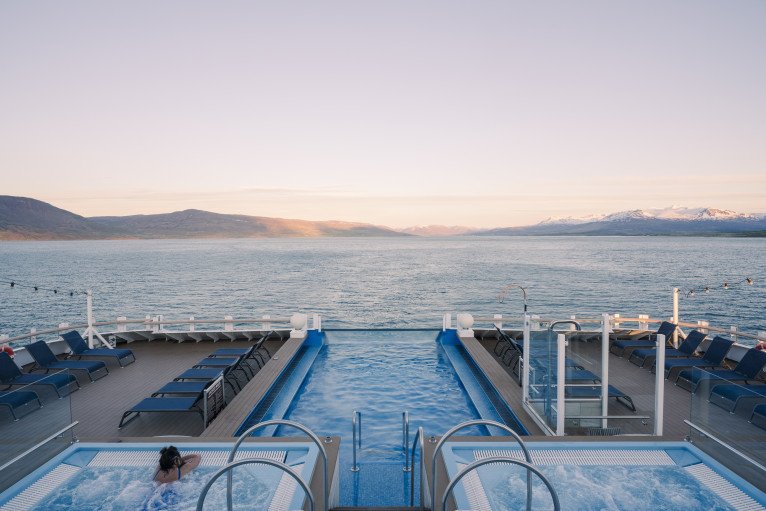
Pool Deck
The Pool Deck can be found on Deck 10.
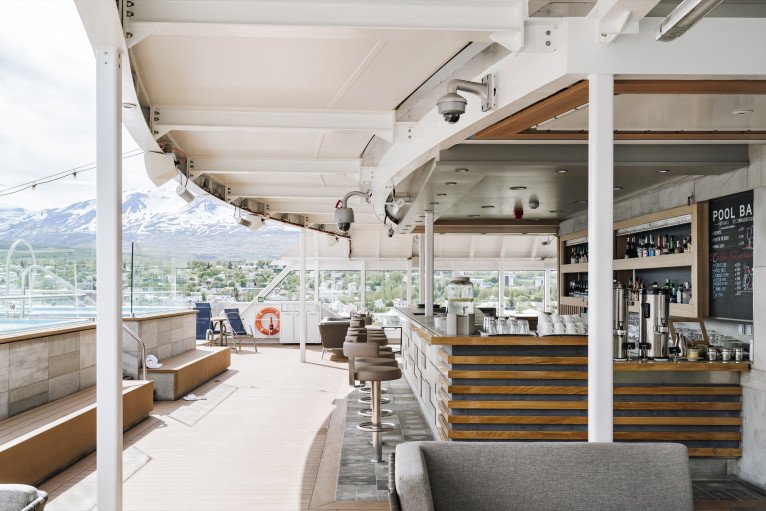
Pool Bar
The Pool Bar can be found on Deck 10.
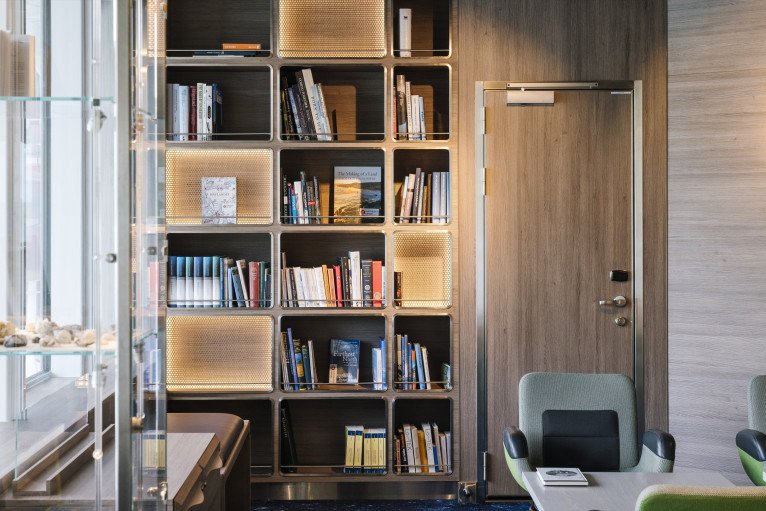
Library
The ship has a small selection of books that are available to guests while on board.
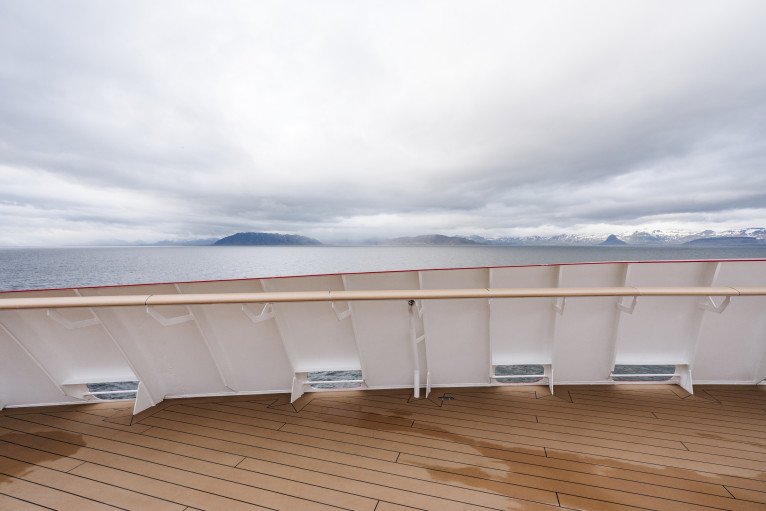
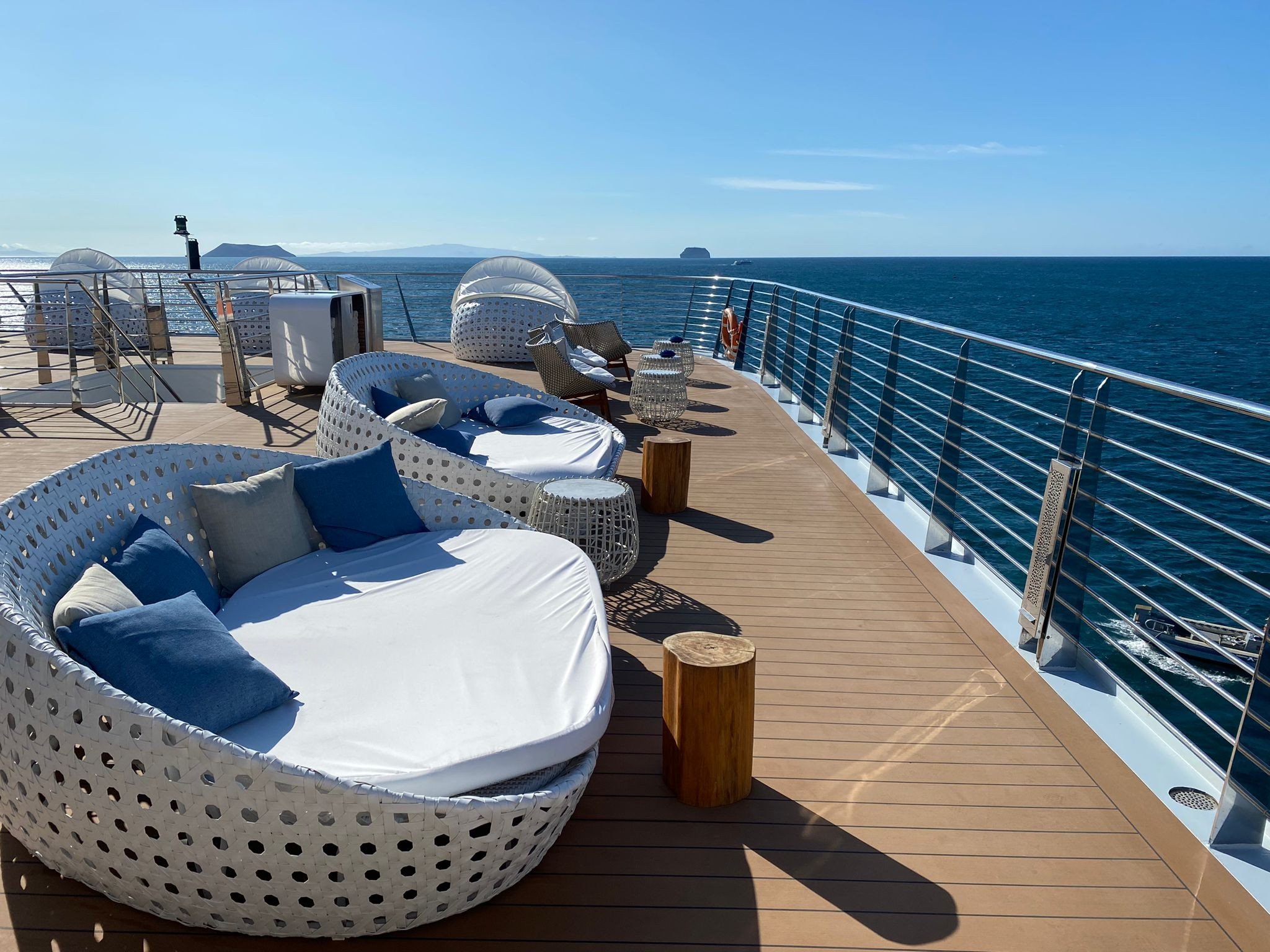
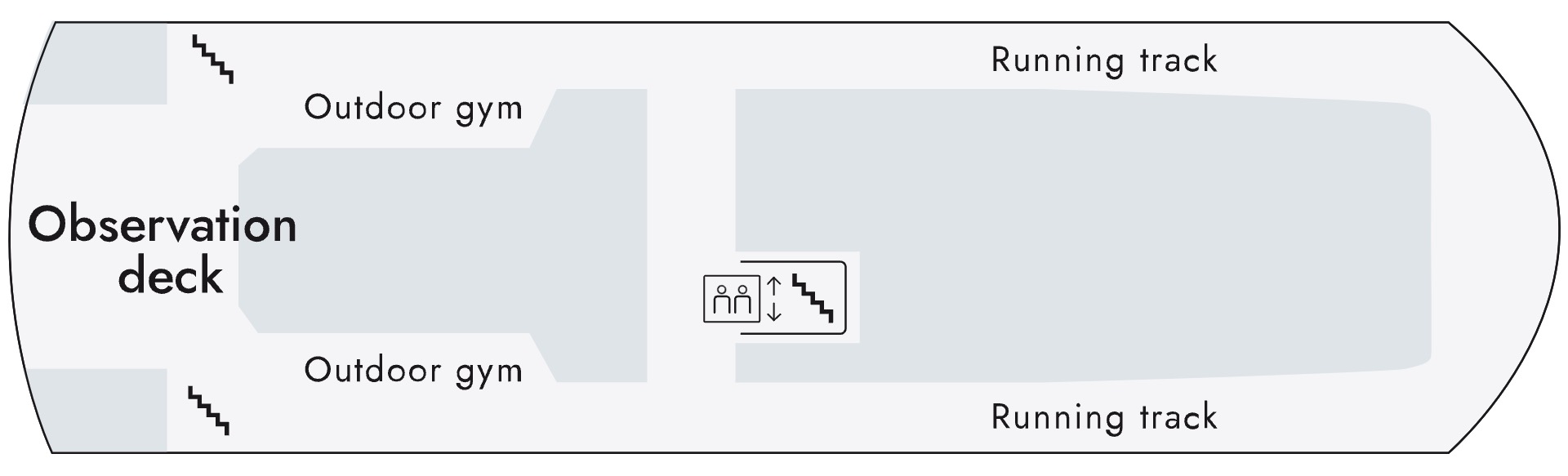
Observation Deck
One of the most eye-catching exterior design features is the two level indoor/outdoor Observation Deck. It is an ideal place to scan the scenery and watch wildlife with your binoculars.
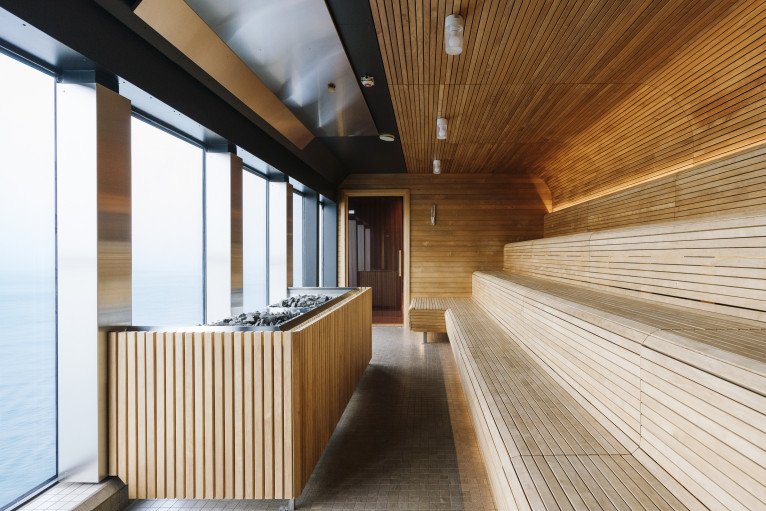
Sauna
The ship has a wellness center where the guests may buy treatments as body massage, face-, hand- and foot treatments.
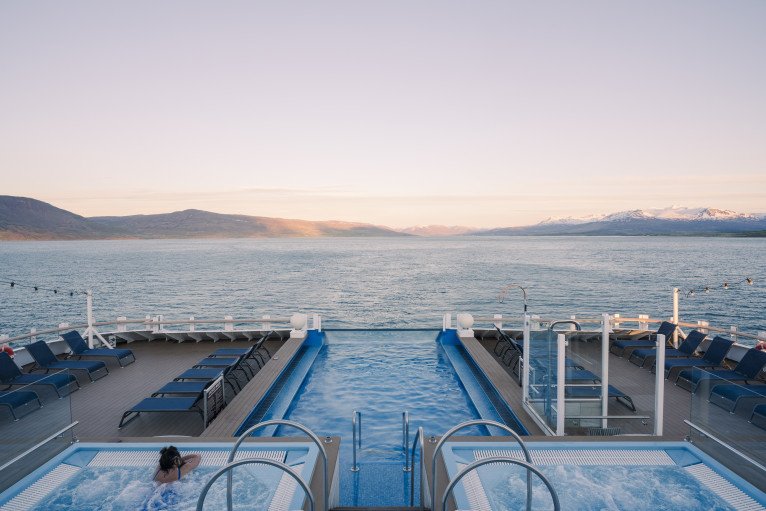
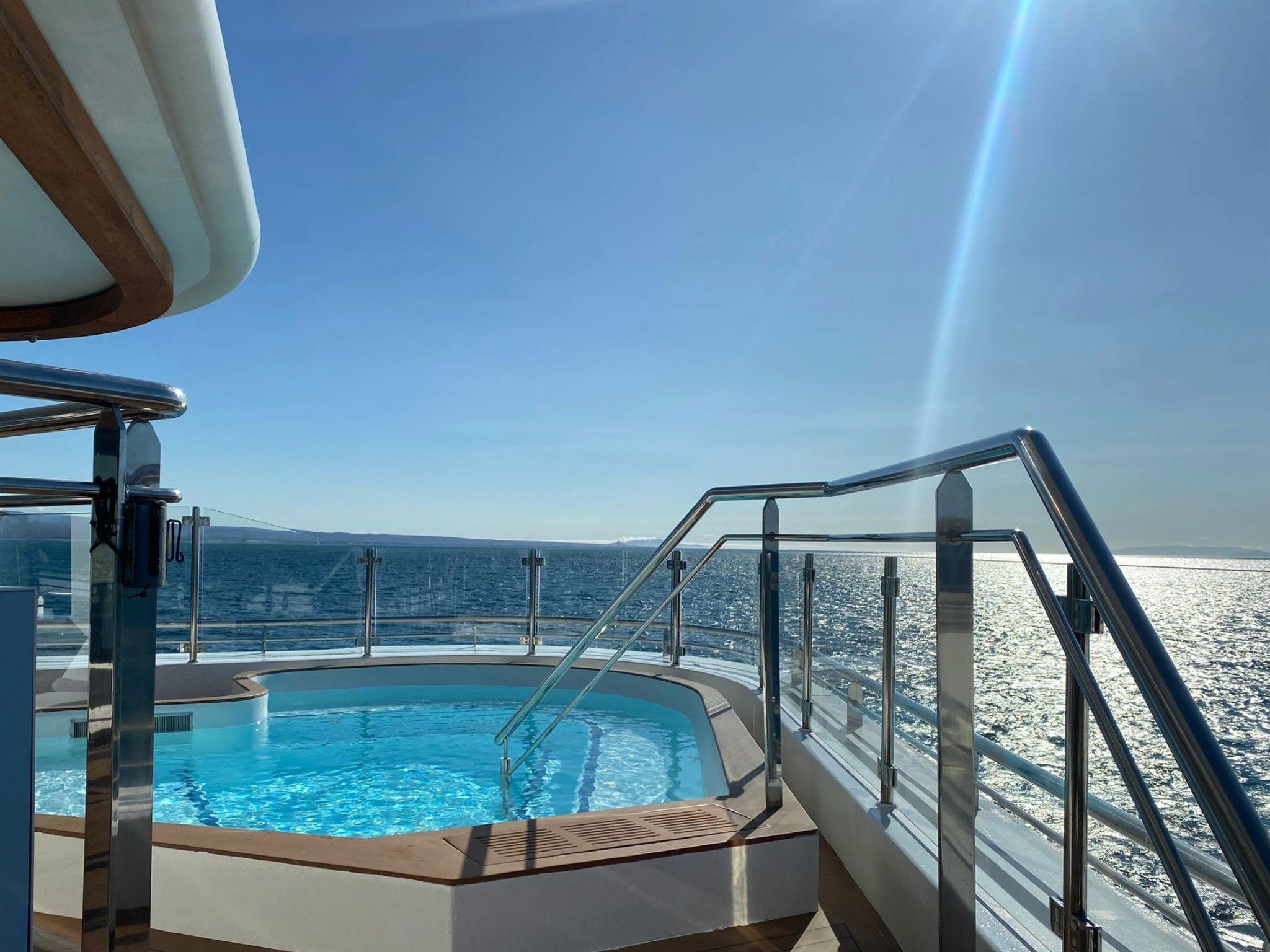
Hot Tub
After a day of exploring new destinations, guests can relax and rejuvenate in the aft infinity pool and hot tubs as one of the highlights.
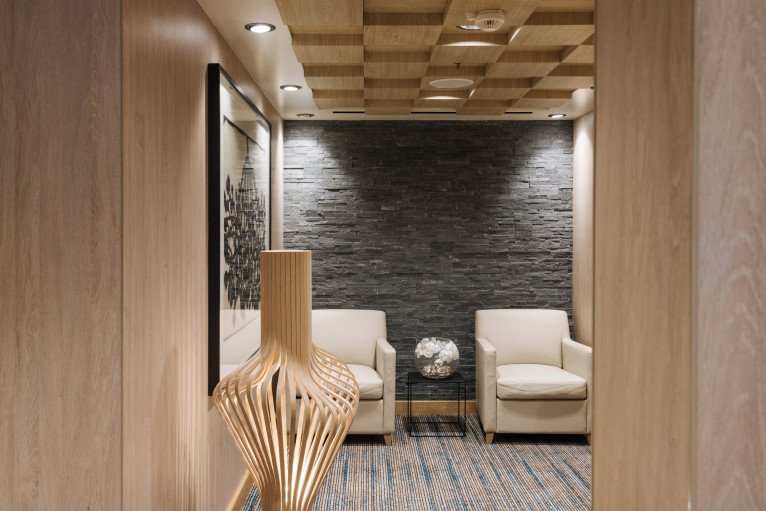
Wellness Center
The ship has a wellness center where the guests may buy treatments as body massage, face, hand and foot treatments.
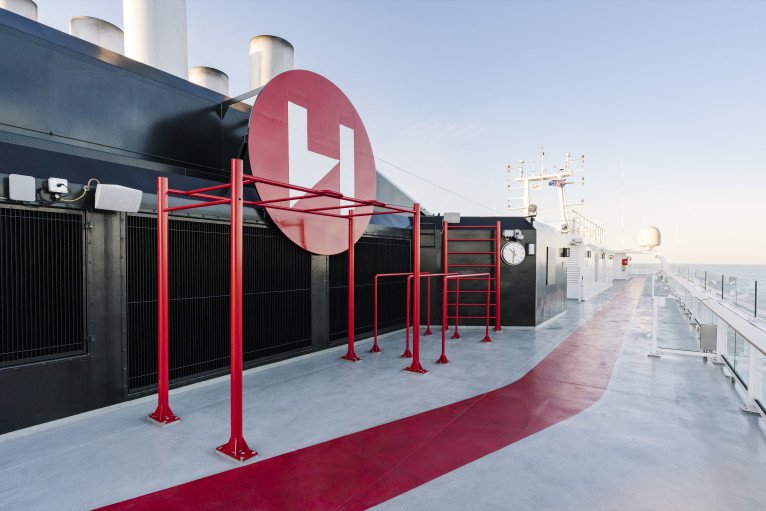
Gym
After a day of exploring new destinations, guests can relax and rejuvenate in the large gym and Wellness center.
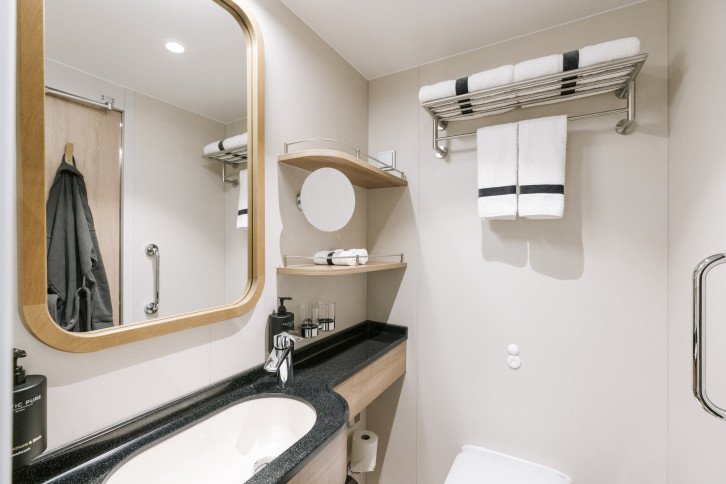
MS Fridtjof Nansen Cabins & Suites
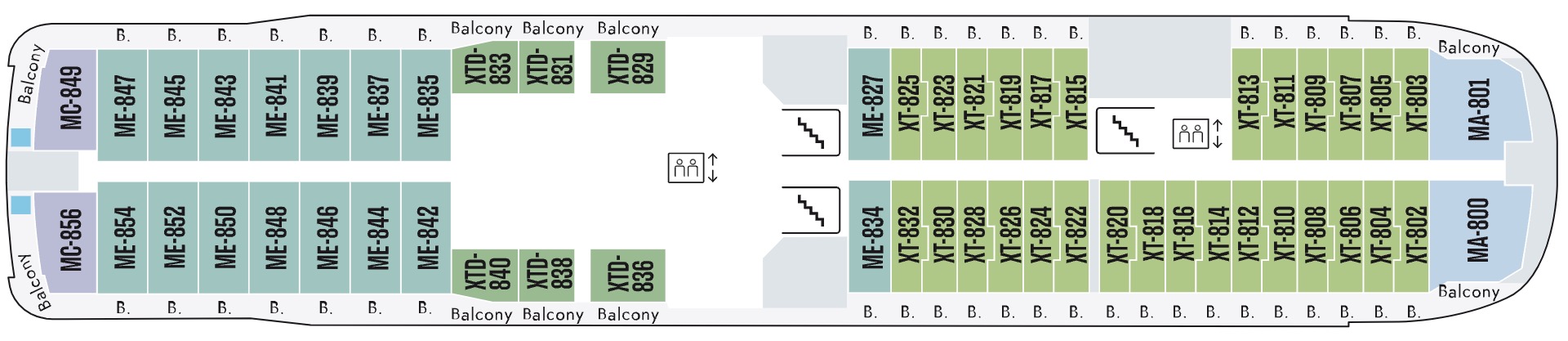
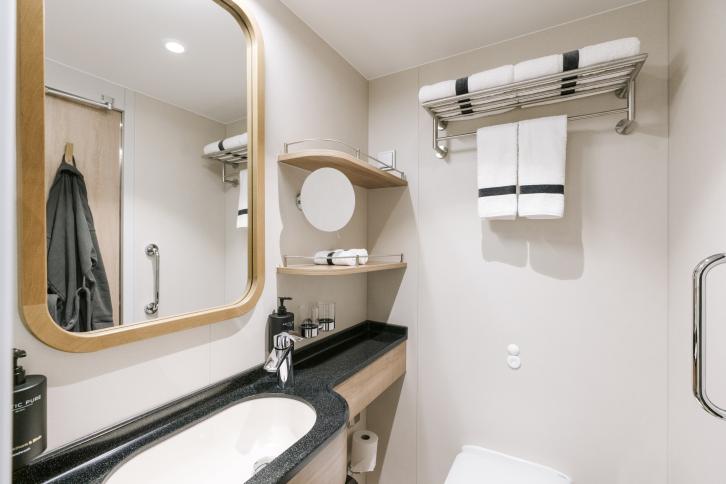
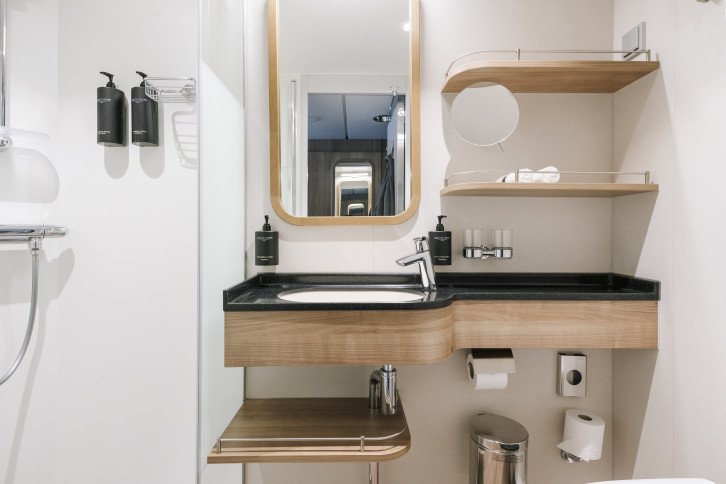
Arctic Superior | Outside cabin - Upper deck
High deck cabins with balcony. Spacious cabins, different sizes, double bed, some with sofabed, TV, kettle, tea and coffee.
Upper-deck cabin
Private balcony
Double bed
Bathrobes and slippers are available on request.
Guests: 2 | Size: 15-19 m2
Cabin Code: XTD
Arctic Superior | Outside cabin - Lower/middle decks
Large cabins without balcony. Lower/middle decks, flexible sleeping arrangements, sofabed, TV, kettle, tea and coffee.
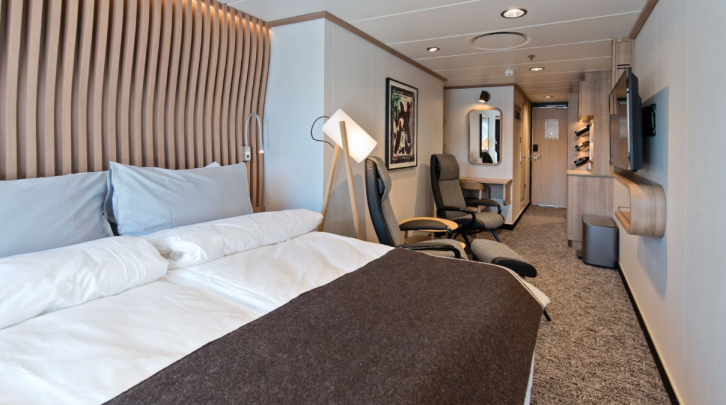
Large lower-deck cabin
Window
Double bed (optional twin)
Bathrobes and slippers available on request
Guests: 2 | Size: 27 m2
Cabin Code: TT
Arctic Superior | Outside cabin - With balcony
High deck cabins with balcony. Spacious cabins, different sizes, flexible sleeping arrangements with double bed that can be divided into two single beds, some with sofabed, TV, kettle, tea and coffee. With limited view.
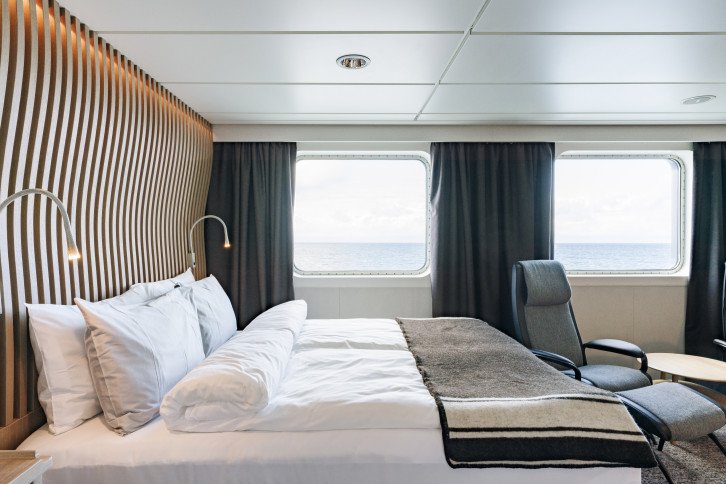
Upper-deck cabin
Private balcony (limited view)
Double bed (optional twin)
Some with sofa bed
Bathrobes and slippers available for request
Guests: up to 4 | Size: 18 m2
Cabin Code: XTJ
Arctic Superior | Outside cabin - Middle deck
Large accessible cabins without balcony. Middle decks, flexible sleeping arrangements, TV, kettle, tea and coffee.
Large lower-deck cabin
Wheelchair-accessible cabin, may be available for general booking
Larger cabins on middle decks. Most 20 square meters, flexible sleeping arrangements, some with sofabed, TV.
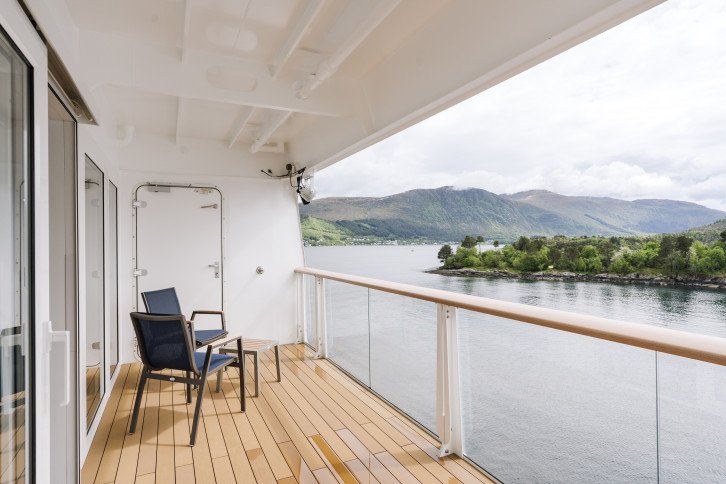
Lower-deck cabin
Window
Double bed (optional twin)
Some with sofa bed
Bathrobes and slippers available on request
Guests: up to 4 | Size: 19-23 m2
Cabin Code: RR
Arctic Superior | Wheelchair-accessible outside cabin with balcony
Accessible cabin with balcony. High deck, broad balcony, double bed, TV, kettle, tea and coffee.
Upper-deck cabin
Private balcony
Wheelchair-accessible cabin, may be available for general booking
Double bed
Bathrobes and slippers are available on request.
Guests: 2 | Size: 19 m2
Cabin Code: XY
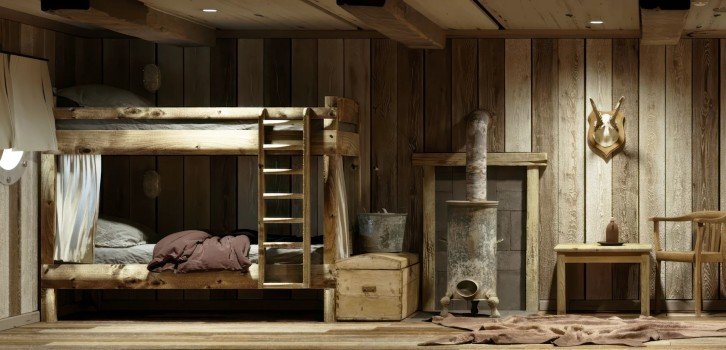
The 1896 Cabin
130 years ago, at the dawn of expedition cruising, we set out from Hammerfest to Svalbard on a pioneering voyage – one that sparked the spirit of exploration that still carries us forward today.
To mark this anniversary, we invite guests travelling aboard MS Fridtjof Nansen to step back in time and live as the pioneers did, for one night only.
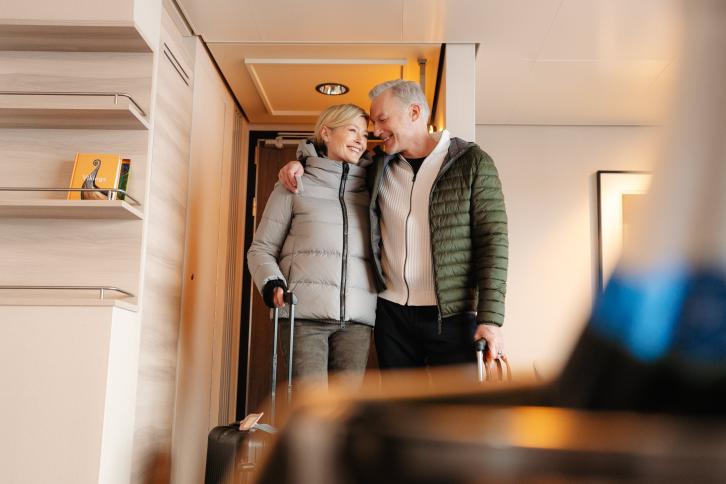
Expedition Suite | XL Suite - With balcony
Extra Large Corner Suite with private balcony. Ship’s most spacious cabins with large windows, flexible sleeping arrangements with double bed that can be divided into two single beds, sofabed, TV, minibar, bathrobe, kettle, tea and coffee, espresso maker.
Extra-large upper-deck corner suite
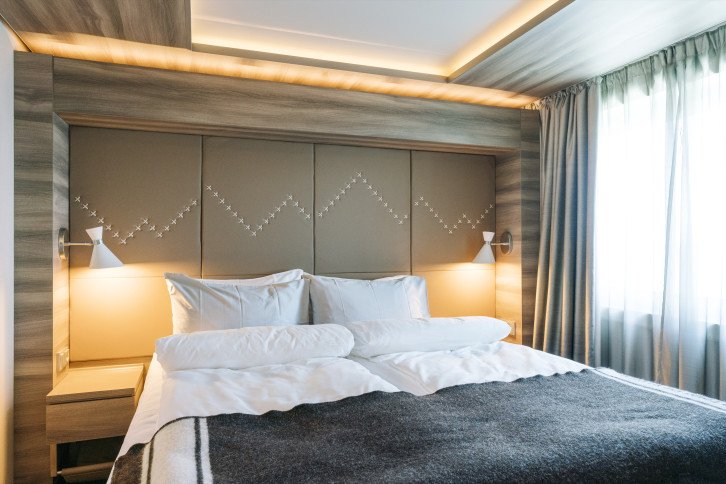
Private balcony
Large windows
Double bed (optional twin)
Sofa bed
Bathrobes and slippers available on request
Guests: up to 4 | Size: 46-48 m2
Cabin code: MA
Expedition Suite | XL Suite
Extra Large Corner Suite without balcony. Aft corner suite with sofabed, flexible sleeping arrangements with double bed that can be divided into two single beds, large windows, TV, minibar, bathrobe, kettle, tea and coffee, espresso maker.
Extra-large lower-deck corner suite
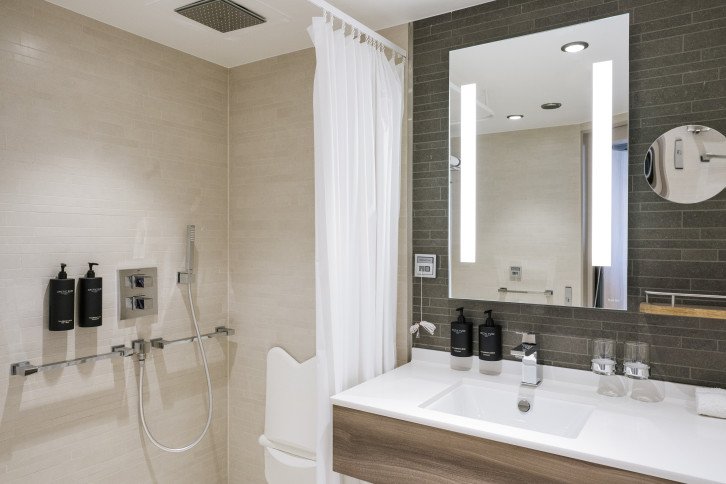
Large windows
Seating area
Double bed (optional twin)
Double fold-down bed
Bathtub
Bathrobes and slippers available on request
No balcony
Guests: up to 4 | Size: 44 m2
Cabin code: MB
Expedition Suite | Large suite - With balcony
Large Corner Suite with private balcony, flexible sleeping arrangements, sofabed, TV, minibar, bathrobe, kettle, espresso maker. Adapted for guests with wheelchair.
Large upper-deck corner suite
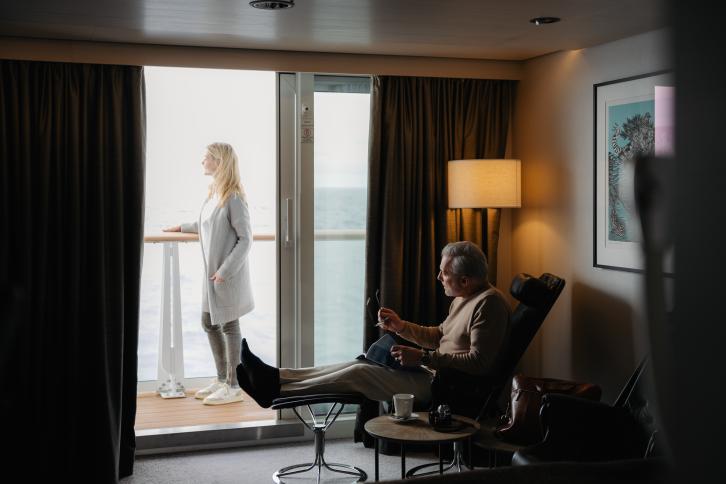
Large windows
Private balcony
Wheelchair accessible, may be available for general booking
Seating area
Double bed (optional twin)
Double fold-down bed
Bathrobes and slippers available on request
Guests: 4 | Size: 35 m2
Cabin code: MD
Expedition Suite | Suite - With balcony
Suites with private balcony, different sizes, top-high decks, flexible sleeping arrangements, some with sofabed, TV, minibar, bathrobe, kettle, tea and coffee, espresso maker.
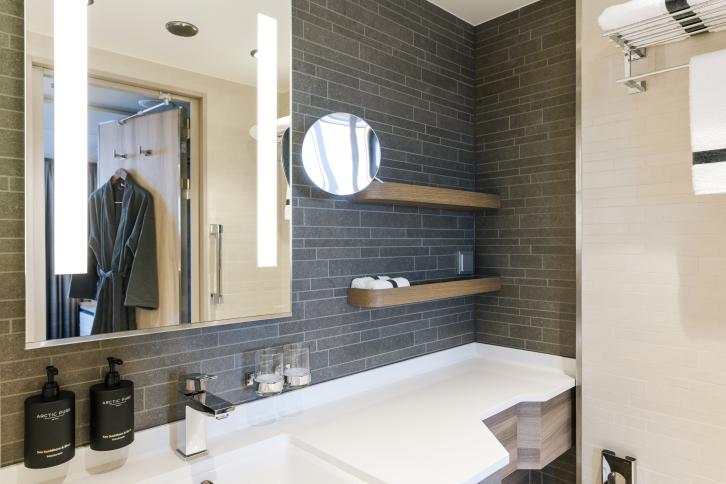
Upper-deck suite
Private balcony
Double bed (optional twin)
Sofa bed or seating area
Bathrobes and slippers on request
Guests: up to 4 | Size: 22-28 m2
Cabin Code: ME
Expedition Suite | Corner suite
Corner cabin with large windows. Flexible sleeping arrangements, TV, minibar, bathrobe, kettle, tea and coffee, espresso maker. Without balcony.
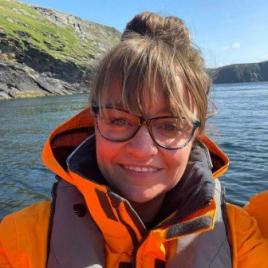
Specialist Cruise Concierge and Expedition Specialist
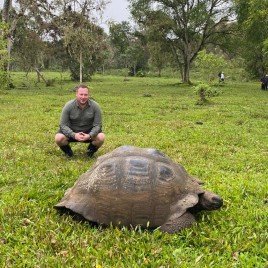
Andrew W
Sales Manager for SixStarCruises
Laura W
Senior Specialist Cruise Concierge and Expedition Specialist
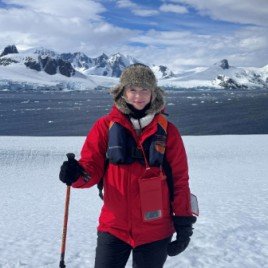
Katie
Specialist Cruise Concierge and Expedition Specialist
Claire
Specialist Cruise Concierge and Expedition Specialist

Lisa P
Specialist Cruise Concierge and Expedition Specialist
Stacey
Senior Cruise Concierge and Expedition Specialist
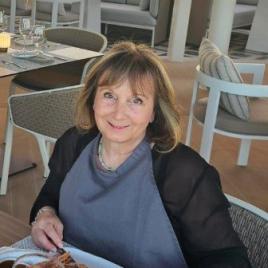
Rebecca
Specialist Cruise Concierge and Expedition Specialist
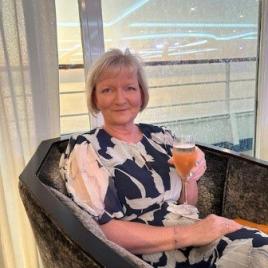
Shirley
Specialist Cruise Concierge and Expedition Specialist

Richard
Specialist Cruise Concierge and Expedition Specialist
Elizabeth
Specialist Cruise Concierge and Expedition Specialist
Emma
Specialist Cruise Concierge and Expedition Specialist
SixStarCruises
Lisa M
Specialist Cruise Concierge and Expedition Specialist

With over 50 cruises under my belt, my journey into expedition cruising is a newer - but incredibly exciting - chapter of my travel experience. I’ve recently sailed aboard Seabourn Venture, a vessel that perfectly blends luxury with true expedition capability, and I’m looking forward to further expanding my expedition knowledge with an upcoming cruise onboard Ponant.
I would highly recommend Seabourn Venture to anyone looking to embark on an expedition cruise. The ship provided a stunning selection of elegant and comfortable spaces to relax in between explorations and the team on board really brought the journey to life, sharing expert knowledge on the surrounding areas and their fascinating history.
Exploring the waters around the Isles of Scilly was a memorable introduction to expedition-style excursions. Seeing seals and puffins in their natural habitat was a joy, and kayaking added an extra sense of adventure, offering a peaceful yet immersive way to experience the coastline.
The best part of working in travel is being surrounded by a product I genuinely love. I’m incredibly grateful for the opportunities I’ve had to travel and experience true luxury - allowing me to advise with confidence and first-hand knowledge when helping plan truly special sailings for my clients.
When it comes to future adventures, Antarctica and the Kimberley Islands sit at the top of my expedition wish list. Both destinations represent the very best of expedition travel - remote, dramatic, and rich in wildlife - and I can’t wait to experience them firsthand.
Andrew W
Sales Manager for SixStarCruises
My expedition cruising experience has taken me to the Galápagos Islands, sailing aboard Celebrity Flora. It’s a destination that truly stands apart, offering extraordinary wildlife encounters and a rare chance to experience nature up close.
A wide range of expedition activities brought the islands to life, including Zodiac cruising, guided hikes, kayaking, and snorkelling. Zodiac excursions were a particular highlight, allowing access to remote landing sites and close, respectful observation of wildlife. Exploring on foot and by kayak revealed the dramatic diversity of the islands, while snorkelling opened a vivid underwater world rich with marine life.
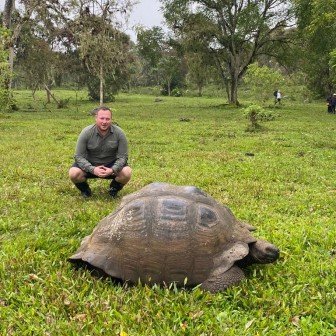
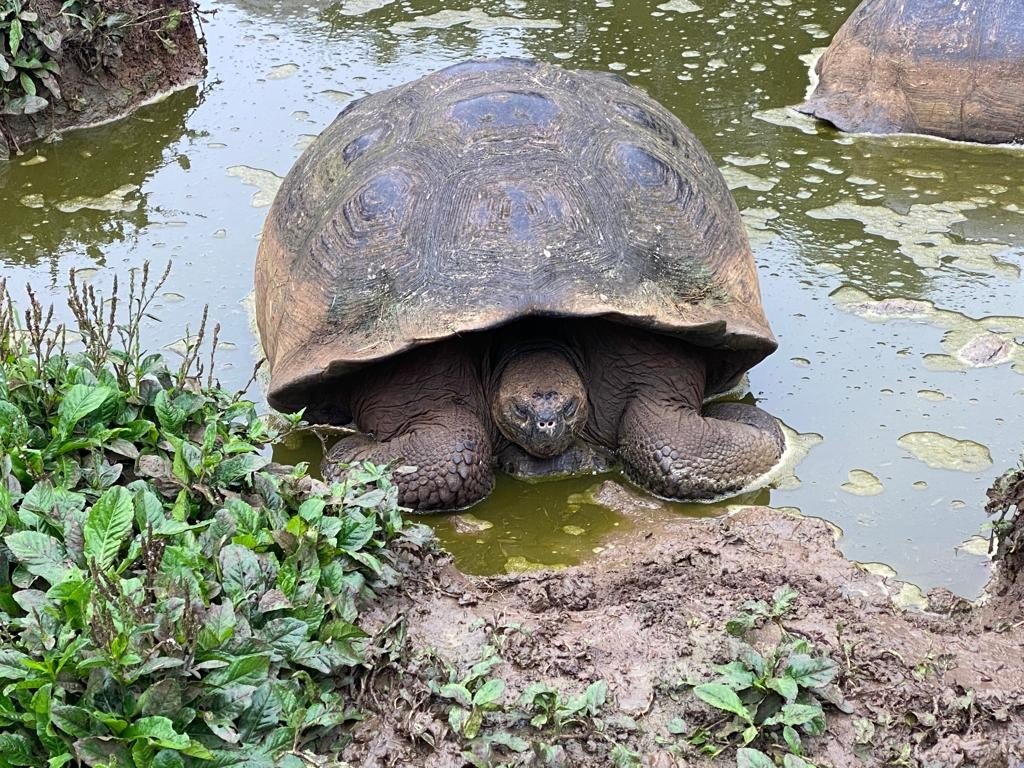
Some of my most unforgettable moments came from witnessing wildlife behaving completely naturally. Seeing dolphins and penguins moving freely through the water was a thrill, but standing face to face with the iconic giant tortoises was especially meaningful - a quiet, powerful reminder of the Galápagos’ unique place in natural history.
At the top of my expedition wish list is Antarctica, a destination I’d love to experience for its true sense of remoteness.
Sailed With:
✔Regent Seven Seas Cruises
✔Crystal Cruises
✔Oceania Cruises
✔Celebrity Cruises
✔Azamara Cruises
✔Seabourn
Destinations Visited:
✔Galápagos
✔Asia
✔Greece
✔Scandinavia
✔Canaries
Experience
Ship:Celebrity Flora
Date:October 2022
Summary
Each day is just an incredible as the next in the Galápagos; you never know what you are going to see and the scenery is just stunning, you could blink and miss something incredible.
This really is a once in a lifetime experience where no day is the same, and I can honestly say this was the most incredible trip I have ever taken in my life. The Galápagos Islands are an absolute must for your bucket list!
Celebrity Flora is a luxury yacht holding a maximum of 100 guests which is considerably smaller than any ocean cruise liner, so you have a much more intimate experience where you can get to know who you're travelling with.
The Galápagos itinerary is packed with either one or two islands being visited per day and up to three excursions. There aren't any sea days on this itinerary, and because you don’t want to miss out on any opportunities to see the wildlife, you tend to do all three everyday. We did all the activities offered, and they are catered to all ages which is great. Because of this, the evenings are laid back and relaxed which is nice.
You have a 7PM overview of the day, then at 7:15, you sign up for the activities for the following day. Dinner then starts at 7:30 and most people tend to retire to their suites once they have eaten.
It is an early start most mornings, with the first tour usually beginning around 8AM to 8:30AM, but you do enjoy around three to four hours free time in the afternoon to relax on the top deck.
The staff on Celebrity are phenomenal - I have been on a lot of cruises and this was the best service I have ever received. They knew you by name when you boarded, had your drinks ready for you after the first day, remembering exactly what you preferred. It honestly felt like the staff and guests were one big family, and they went above and beyond in every aspect.
Highlights
Swimming with penguins, sharks and sea turtles was a memory that I will never forget. Although I'd have to say that my main highlight was the Giant Tortoise Ranch. These animals are just incredible to witness, and having the opportunity to be surrounded by them in the wild and walking with them was simply mesmerising.
Recommendations/Advice
My main advice is to immerse yourself in every opportunity to explore. The itinerary is very busy, being only a week to two weeks, so make the most of every moment you have while on your trip.
When packing, comfort is key, due to the itinerary. I'd recommend packing some water shoes or closed toed sandals for the wet landings (As you will be disembarking onto the beach with water around knee height). And make sure you bring a good camera for all of the great pictures that you will capture! Walking shoes or sturdy trainers are also important for the walks and hikes to ensure you're as comfortable as possible.
Laura W
Senior Specialist Cruise Concierge and Expedition Specialist
My expedition cruising journey has taken me deep into the Arctic, sailing aboard Greg Mortimer with AE Expeditions and Scenic Eclipse, I experienced firsthand what true expedition travel is all about -access, immersion, and moments that feel genuinely extraordinary.
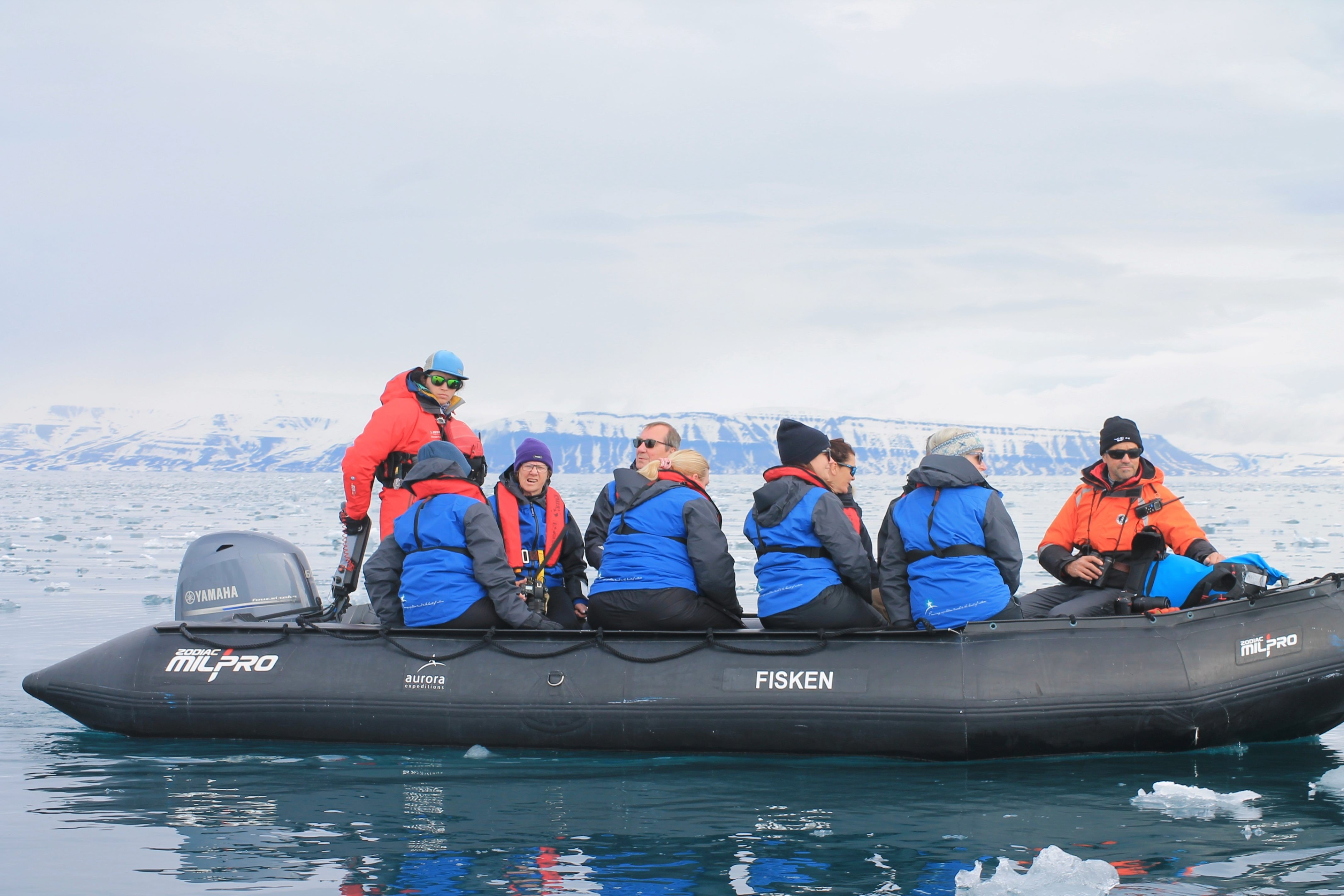
Zodiac cruising and landings quickly became the heart of the experience for me. Stepping into a small Zodiac transforms everything. You’re no longer simply observing the environment from afar - you’re part of it. Skimming across cold Arctic waters in a small group, approaching shorelines unreachable by larger ships, every landing felt like a mini adventure. Being at water level brought an incredible sense of closeness to the landscape, the wildlife and the stillness of the Arctic itself, creating a powerful shared experience with those around me.
My most unforgettable moment came one evening just after 8pm, while we were listening to the expedition team speak and beluga whales. Suddenly, the captain’s voice came over the tannoy: “Polar bear, starboard side”. We watched in silence as she moved through the Arctic landscape - calm, powerful and completely at home. She slipped into the water, swimming with quiet intent as she hunted nearby harbour seals. It was nature entirely unscripted. For hours, we remained with her as she rested and wandered across the sea ice, until she finally disappeared over the mountainside. It was one of those rare encounters that leaves you changed - an experience I’ll never forget.
Beyond the polar regions, my favourite trip of all time was to the Galápagos Islands. Swimming alongside turtles, observing the islands’ remarkable wildlife up close, and exploring landscapes shaped by volcanic forces felt truly otherworldly. Every day brought a new sense of discovery, and the intimacy of the experience made it all the more special.
Sailed With:
✔AE Expeditions
✔Silversea
✔Seabourn
✔Celebrity Cruises
✔Scenic Ocean Cruises
Destinations Visited:
✔Antarctica
✔Svalbard
Experience
Ship:Greg Mortimer
Date:June 2023
Summary
I travelled on a 12-night Arctic expedition on board Greg Mortimer - a trip that should be on anyone’s bucket list. The morning after embarkation in Svalbard, we had about an hour of free time, where I took the opportunity to walk on the top deck and enjoy the scenery. During the lecture we were given a Polar Bear Safety briefing, they advised us in detail on what we would do as a collective group if we were out on the Zodiacs/on land should we encounter one of these amazing creatures.
Being advised that there was a pod of humpback whales on the port side of the ship on day eight brought an overwhelming excitement on board, as we all made our way up to the top deck. They were spectacular! The ship was able to virtually anchor right beside them so we could watch these magnificent creatures in their natural habitat. We were all mesmerised by their beauty and felt incredibly lucky to have seen such a magnificent pod.
We all enjoyed a Zodiac landing in Recherchefjord the next day, I opted for the long walk and thoroughly enjoyed it. We were able to see some of the flowers that we had been advised about the day before in the lecture. The terrain was very spongy underfoot but still quite rocky. We saw several varieties of birds such as king eiders, guillemots, purple sandpipers and kittiwakes.
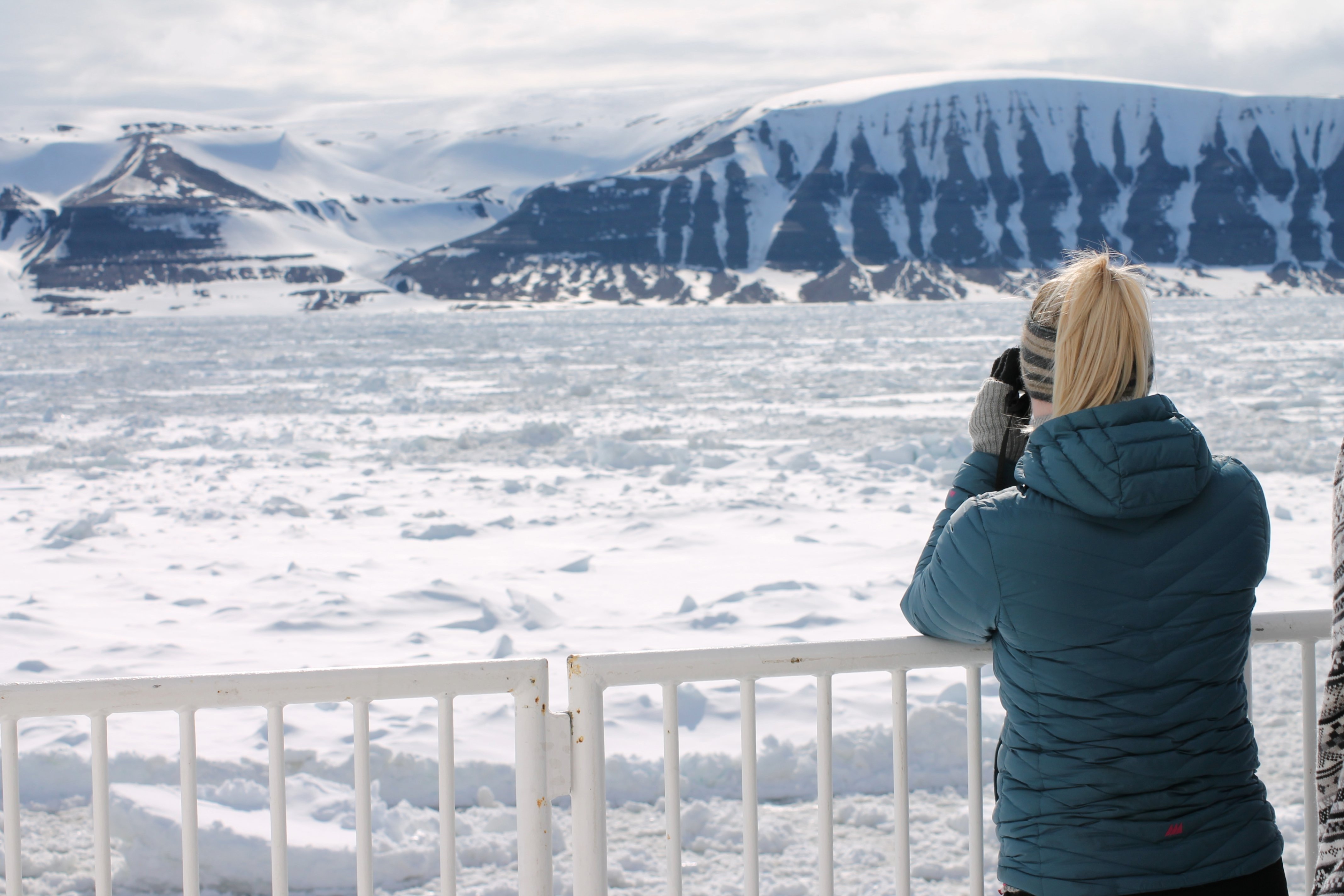
Being able to wake up with the ship stationary and surrounded by ice was so peaceful and tranquil. Everyone was on polar bear watch and eager to find this magnificent animal.
We were all incredibly excited when we were informed that they were going to allow us to walk on the ocean. It was something I don’t think I’ll ever be able to explain as the feeling when you step on the ice sheet was overwhelming. The land where the polar bears roam was right under my feet, and being able to walk where they call home was an experience I will never forget.
Much to our surprise, we then saw a pod of about 40-50 Beluga whales, it was unbelievable, the whales were too far to photograph to get a clear image of these beautiful animals, but the sight was magnificent.
We then had our daily recap, and they gave us some further information about Beluga whales.
After dinner we then went to enjoy our evening…but then we heard ‘Ding Ding Starboard Side!’ – there was a buzz in the air as we ran to any viewing platform we could find and grabbing the binoculars and cameras for our first glimpse of the one thing we had all been searching for… the polar bear! It was a mesmerising moment seeing how gracefully this beautiful animal walked along the shore one through the water and onto the sheet ice whilst it stalked the seals it had hoped to catch. We were all in awe of its beauty and watched this magnificent polar bear until the early hours of the morning.
Highlights
Watching a polar bear walking along the ridge, before entering the water and swimming in front of us - what an amazing experience! Walking out onto a floating ice sheet where polar bears roam was another experience I will treasure for the rest of my life. The childlike excitement from the passengers as they’re making snow angels in the ice was just magical. Each day is different to the next, and every moment is more surreal and spectacular than you could ever imagine. We also enjoyed a Zodiac cruise around Yoldiabukta Bay.
We had an unbelievable time, admiring the pointed mountain backdrops and tidewater glaciers. We were in awe of the amazing walrus we were able to see as they really are huge! It was incredible how close we were able to get to these amazing animals.
We were also taken to a beautiful landing spot where we were able to see many of the Arctic birds – kittiwakes, Brünnich’s guillemot and northern fulmars. It was stunning! We were even lucky enough to see some puffins!
Recommendations/Advice
Whether it’s diving into the Arctic waters for the polar plunge or the moment you set eyes on a polar bear, every traveller takes away something truly special from an Arctic Expedition. My advice is to throw yourself into it and grab hold of every opportunity - it is a once in a lifetime experience, so savour every moment!
Katie
Specialist Cruise Concierge and Expedition Specialist

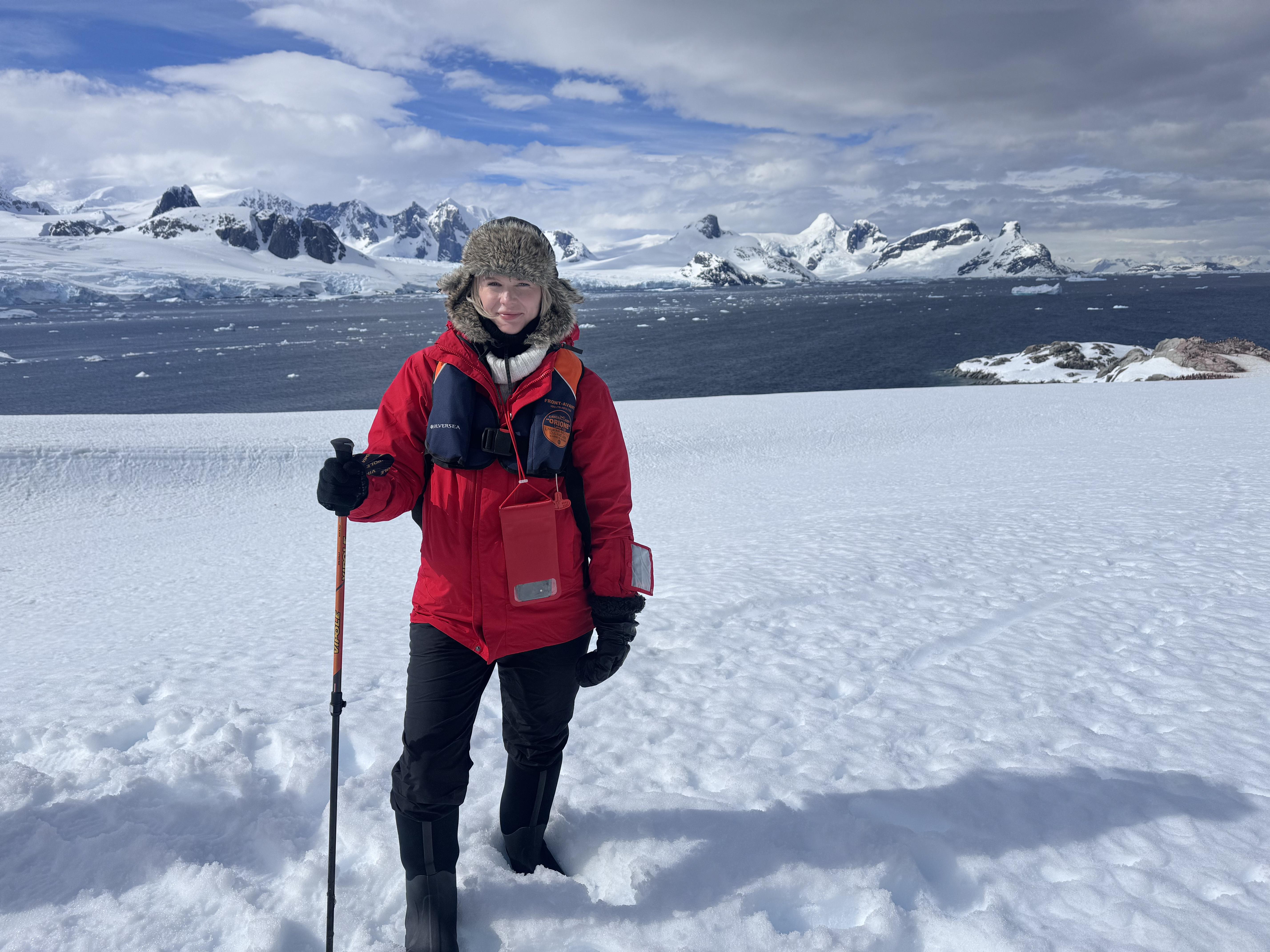
My passion for expedition cruising was truly ignited in Antarctica, sailing with Silversea aboard Silver Endeavour. It was a journey that changed how I see the world. You don’t just witness the scenery – you feel like you’re part of it. From Zodiac landings to kayaking through icy waters, every moment felt raw, humbling and exhilarating.
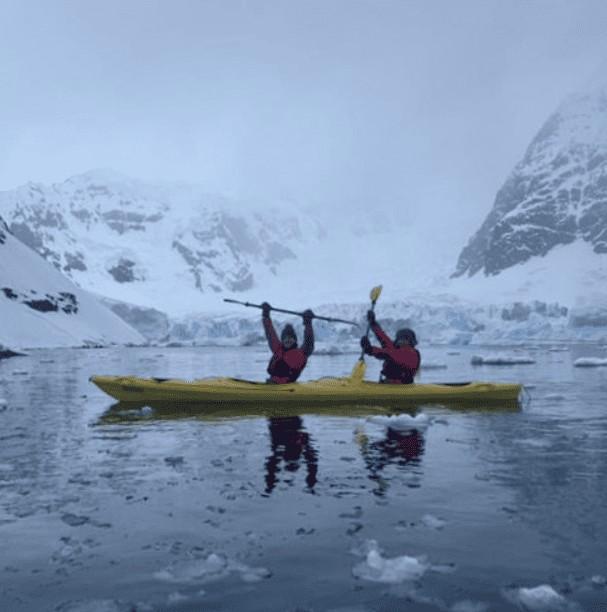
One of my most unforgettable experiences was the polar plunge. The shock, the laughter, the shared sense of achievement - it was thrilling in every sense and something I would relive in a heartbeat. Equally powerful, though in an entirely different way, was kayaking in complete stillness. For a few precious minutes, we floated in silence, surrounded by towering ice and vast wilderness. It was profoundly moving - one of those moments that stays with you forever.
My expedition experience extends beyond Antarctica. I’ve attended CLIA’s expedition conference in the Arctic, stepping aboard some of the world’s most advanced expedition vessels which deepened my understanding of what makes these journeys truly exceptional - from ship design to onboard expertise and of course, the cuisine.
What’s next on my bucket-list? The Kimberley’s. Its untamed landscapes, ancient geology and powerful sense of place perfectly embody what expedition travel means to me: going beyond the ordinary to experience the extraordinary.
Sailed With:
✔Silversea
✔Atlas Ocean Voyages
✔AE Expeditions
Destinations Visited:
✔Antarctica
✔Arctic
Experience
Ship:Silver Endeavour
Summary
My entire trip to Antarctica was just incredible - an absolute dream come true. The pictures do not do it justice, and it is a place one must experience and see first hand to understand the continent's beauty. I sailed with Silversea and the ship was incredibly luxurious, the food was exceptional and with a small ship, the service is unbeatable. It was a once in a lifetime adventure!
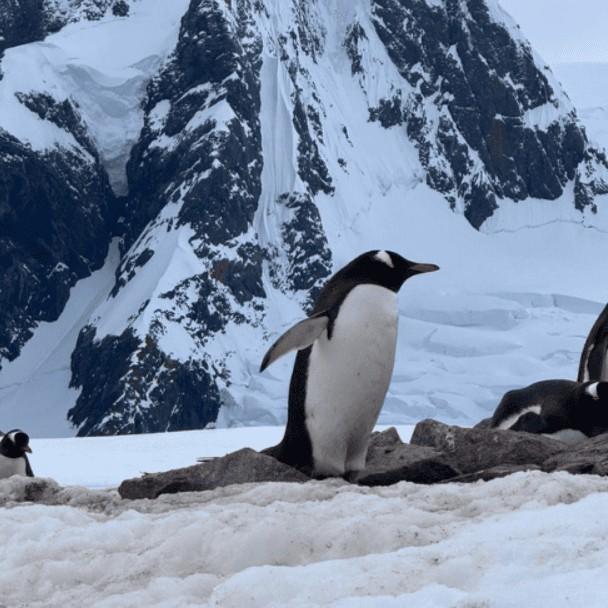
My favourite experiences were kayaking and seeing the whales whilst out on a zodiac cruise. I also loved sitting on my balcony, sailing past the icebergs and watching the penguins, which was such a surreal moment.
Claire
Specialist Cruise Concierge and Expedition Specialist
My expedition cruising experience spans some of the planet’s most fascinating corners, from Svalbard in the Arctic to the Isles of Scilly. I’ve sailed aboard an exceptional range of expedition vessels, including Swan Hellenic, Atlas, Ponant, Quark Expeditions, AE Expeditions, Albatross Expeditions, and Seabourn Venture - each offering a unique perspective on exploration at sea.
Expedition activities are where these journeys truly come to life. Zodiac cruising and landings have been central to my experiences, allowing close‑up access to shorelines and landscapes that feel wonderfully untouched. Standout moments include taking the Arctic polar plunge - an exhilarating, unforgettable rush - and joining a fossil hike in the Arctic, where walking through ancient terrain brought an incredible sense of connection to the history of the region.
The Arctic holds a special place for me, with countless memories that make it hard to choose just one highlight. Experiencing 24‑hour daylight, where time seems to lose all meaning and the world is bathed in a constant glow, was extremely surreal. Combined with the exhilaration of the polar plunge and witnessing the sheer scale of expedition operations in such a remote environment, it created an experience that felt truly extraordinary.
Antarctica sits at the top of my expedition wish list, offering the perfect counterpart to my Arctic journeys. That said, Greenland is close behind, with its dramatic ice formations, vast wilderness, and rich cultural heritage.
Sailed With:
✔Seabourn
✔Silversea
✔Atlas Ocean Voyages
✔AE Expeditions
Destinations Visited:
✔United Kingdom
✔Antarctica
Experience
Ship:Seabourn Venture
Date:June 2023
Summary
My expedition around the British Isles was an incredible experience. It was wonderful to enjoy the adventure whilst still experiencing the luxury of Seabourn. I'm going into my 15th year working in the travel industry and this was the best trip I've ever done.
The welcome/safety meeting onboard is where we first met the crew. There are 19 Expedition Team Members on board, ranging from academics, scientists and naturalists. Their knowledge, passion and enthusiasm really showed throughout the whole cruise, the tours and the lectures. You can tell they are genuinely excited to be there.
We spotted plenty of puffins and seals while exploring the Isle of Man and Isles of Scilly on zodiac excursions, led by members of the expedition team. They were always on hand to share their knowledge and expertise so we could learn more about the incredible creatures we were seeing. We had Luciano Bernacchi, the Expedition Leader, guiding our zodiac excursion. We sailed around the coast of the Calf of Man, taking our Swarovski binoculars (which are available to all guests) to spot the variety of different wildlife.
There are 24 zodiacs on board, varying in size. I was surprised by how sturdy they are on the water, even at speed. The guide gauges how fast you want to go, either a leisurely ride or a full-on jet ride as they’re taking you to and from the shore.
The onboard experience was phenomenal; exquisite dining and expedition talks really do bring the day’s activities and excursions to life. The relaxed ambience on board provided the perfect respite from a busy day of exploring. Expedition cruising with Seabourn truly combines the best of exploration and ultra-luxury cruising.
One of the notable differences with an Expedition cruise is that the schedule is fluid, plans can and do change depending on sightings, the weather and many other factors - safety will always come first. Seabourn talked about one of their Expedition cruises where the captain stopped the ship at 1am as there was a polar bear right beside them, and guests were woken up to take pictures!
The Seabourn Venture ship itself has a very different feel compared to ocean ships; you really feel like you're staying in a luxury ski lodge. There were only 160 guests on board, with maximum capacity of the ship holding 264 passengers. There are no formal nights and the dress code is much more relaxed. There are two main restaurants on board: the Colonnade, for more relaxed dining and The Restaurant, which is perfect if you want something a little more formal. We had breakfast delivered to the suite and dined on the veranda several times.
All in all, we had a fantastic trip. It really helped me get an even better understanding of the product and just how special the expedition cruises are. I cannot wait for my next one!
If you have been looking into expedition cruising, enjoy a bit of adventure, or would like some more information, I would be happy to speak with you in more detail about the operations behind the expeditions and how it all works on board.
Highlights
My favourite moment has to be using the zodiacs and getting up close and personal to the all the wildlife! It was incredible to enjoy the adventure whilst experiencing the luxury of Seabourn.
Recommendations/Advice
Seabourn have Parka jackets, designed exclusively for them by Helly Hansen. We ordered our Seabourn Expedition Parkas six days before travelling, which I'd recommend, as they were then waiting for us in the suite when we embarked. Mine was a little on the large side, however, and this was easy to change at the Parka Exchange the following day. The parka is multi-layered and perfect for zodiac tours.
Lisa P
Specialist Cruise Concierge and Expedition Specialist
My favourite cruise destination is Monte Carlo, but I also loved travelling on a Scenic River cruise from Budapest too, which was an amazing experience. My preferred cruise line is Regent Seven Seas because the ships are exceptional; their excursions are fantastic and the guides are very knowledgeable.
Stacey
Senior Cruise Concierge and Expedition Specialist
I had the privilege of sailing on Regent Seven Seas Splendor for her relaunch, where I visited Monte Carlo. It was truly incredible, and sailing on such a stunning ship with exceptional service really made it the best cruise voyage I have ever done!
Regent is undoubtedly my favourite cruise line; their ships are phenomenal, they include nearly everything in the price, the staff are fantastic and the food is beautiful. I stayed in a Splendor Suite which was incredible; their suites are well laid out and it was such a pleasure staying in one.
Rebecca
Specialist Cruise Concierge and Expedition Specialist
Since working for SixStarCruises, I’ve been able to explore a variety of incredible places, but my favourite is Canada. I got to travel on the Rocky Mountaineer experience which was breathtakingly beautiful - I couldn't recommend it enough!
Shirley
Specialist Cruise Concierge and Expedition Specialist
My favourite cruise destination is the Bahamas. Although waking up in Malta was also incredible - the port is steeped in history, and the view from the balcony as we sailed in was absolutely perfect.
I honestly can’t choose between Silversea and Regent Seven Seas as my favourite cruise line, as they’re both equally exquisite. I love the size of their ships and the detail that goes into making sure every moment of your voyage is perfect.
Richard
Specialist Cruise Concierge and Expedition Specialist
My favourite part about working in travel is being able to discover remote and obscure places that many people have never even heard of. I loved cruising around the Adriatic, particularly exploring Kotor in Montenegro with Oceania Cruises. The onboard experience with Oceania was phenomenal - I really enjoyed the amazing food and friendly atmosphere.
Elizabeth
Specialist Cruise Concierge and Expedition Specialist
I just love travel – my favourite cruise destination is Montenegro, which I visited whilst sailing the Adriatic. Although my favourite memory has got to be sailing from Dubai to Singapore which was fantastic. There are so many places I still wish to see, and I really enjoy assisting our guests to find the best offers so they can enjoy complete luxury at great prices. I love waking up in a different cruise port, delicious dining and the crew that always make the sailing so wonderful.
Emma
Specialist Cruise Concierge and Expedition Specialist
I'm Emma, a Specialist Cruise Concierge who has worked with SixStarCruises from the very start, getting to experience the most amazing countries and the luxury of 6* ships at the same time.
My favourite cruise memories took place in Norway, where we went husky sledging and saw the northern lights, a magical moment I will never forget. My preferred cruise line is Regent because I love that their accommodation is all-suite, the food is just beautiful, and the service is second to none.
The best part about working in travel is staying on board brand-new ships and hotels and meeting new people, as I learn more about their different countries and cultures.
My favourite cruise line is Regent Seven Seas Cruises - Splendour is my favourite ship. I love that all the rooms are suites on the ships, the food is just beautiful and the service is second to none. The majority of excursions are included too so you don't have to spend anything whilst on board.
Customer Reviews
OUR ACCREDITATIONS
Member of the Expedition Cruise Network
Partnership Achievement Award 2026
Luxury Cruise Agency of the Year 2025
Luxury Cruise Agency Of The Year 2024
Request a call back from one of our luxury cruise specialist concierge
We would love to help you plan your next luxury cruise holiday. Our team are luxury cruise experts with first hand experience of our partner cruise lines. Simply request a call back and one of our luxury cruise experts will be in touch at a time to suit you.
If you would like to contact our service team, you can select a service call back below, or alternatively we’re available on live chat where our team are ready and waiting to help.
If you request a call back for now we’ll get back to you within 15 minutes, we’ll be calling you from 0161 333 4459 so you can recognise our call.