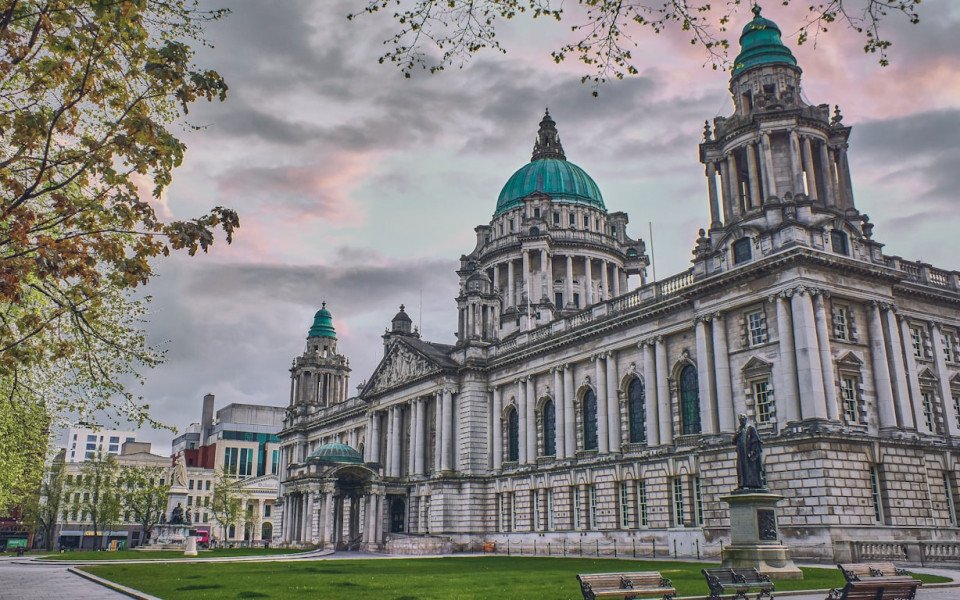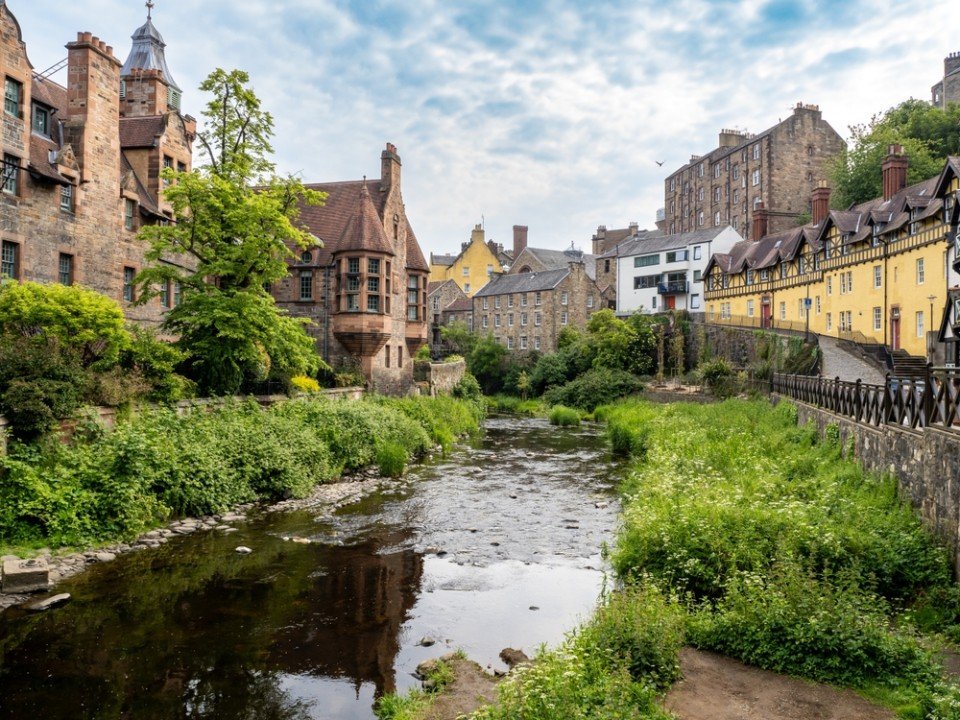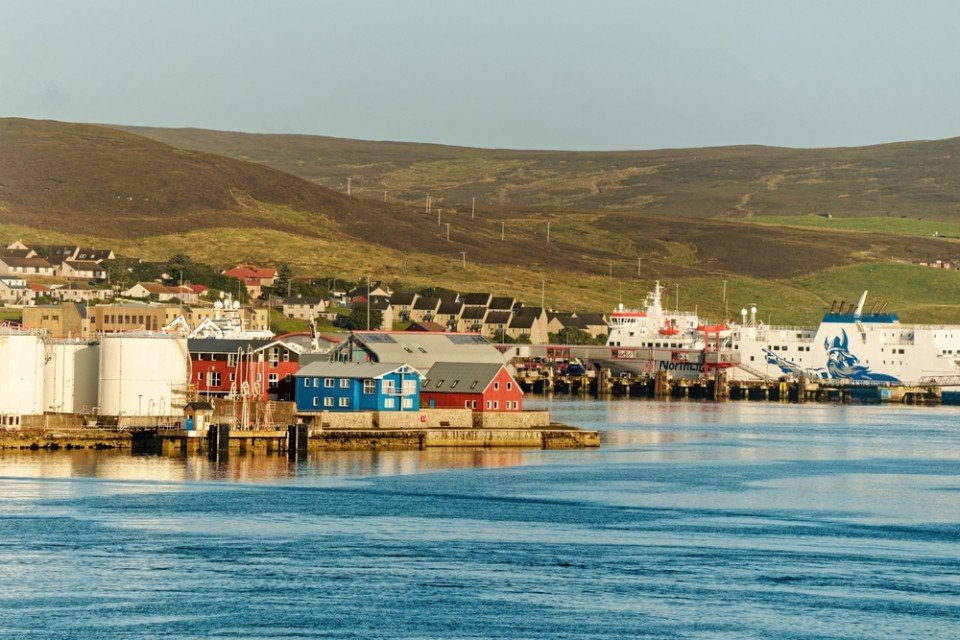
Before English and Scottish settlers arrived in the 1600s, Belfast was a tiny village called Béal Feirste ("sandbank ford") belonging to Ulster's ancient O'Neill clan. With the advent of the Plantation period (when settlers arrived in the 1600s), Sir Arthur Chichester, from Devon in southwestern England, received the city from the English Crown, and his son was made Earl of Donegall. Huguenots fleeing persecution from France settled near here, bringing their valuable linen-work skills. In the 18th century, Belfast underwent a phenomenal expansion—its population doubled every 10 years, despite an ever-present sectarian divide. Although the Anglican gentry despised the Presbyterian artisans—who, in turn, distrusted the native Catholics—Belfast's growth continued at a dizzying speed. The city was a great Victorian success story, an industrial boomtown whose prosperity was built on trade, especially linen and shipbuilding. Famously (or infamously), the Titanic was built here, giving Belfast, for a time, the nickname "Titanic Town." Having laid the foundation stone of the city's university in 1845, Queen Victoria returned to Belfast in 1849 (she is recalled in the names of buildings, streets, bars, monuments, and other places around the city), and in the same year, the university opened under the name Queen's College. Nearly 40 years later, in 1888, Victoria granted Belfast its city charter. Today its population is nearly 300,000, tourist numbers have increased, and this dramatically transformed city is enjoying an unparalleled renaissance.This is all a welcome change from the period when news about Belfast meant reports about "the Troubles." Since the 1994 ceasefire, Northern Ireland's capital city has benefited from major hotel investment, gentrified quaysides (or strands), a sophisticated new performing arts center, and major initiatives to boost tourism. Although the 1996 bombing of offices at Canary Wharf in London disrupted the 1994 peace agreement, the ceasefire was officially reestablished on July 20, 1997, and this embattled city began its quest for a newfound identity.Since 2008, the city has restored all its major public buildings such as museums, churches, theaters, City Hall, Ulster Hall—and even the glorious Crown Bar—spending millions of pounds on its built heritage. A gaol that at the height of the Troubles held some of the most notorious murderers involved in paramilitary violence is now a major visitor attraction.Belfast's city center is made up of three roughly contiguous areas that are easy to navigate on foot. From the south end to the north, it's about an hour's leisurely walk.
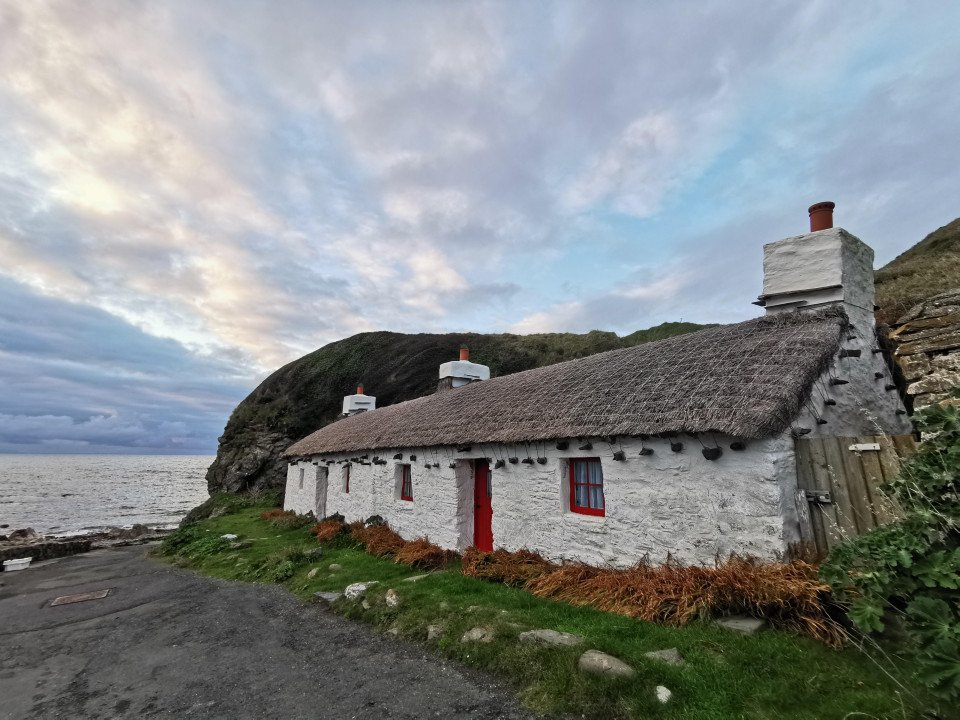
The Isle of Man, situated in the Irish Sea off the west coast of England, is a mountainous, cliff-fringed island and one of Britain’s most beautiful spots. Measuring just 30 miles by 13 miles, the Isle of Man remains semi-autonomous. With its own postage stamps, laws, currency, and the Court of Tynwald (the world’s oldest democratic parliament), the Isle of Man is rich with history and lore.Inhabited from Neolithic times, the island became a refuge for Irish missionaries after the 5th Century. Norsemen took the island during the 9th Century and sold it to Scotland in 1266. However, since the 14th Century, it has been held by England. Manx, the indigenous Celtic language, is still spoken by a small minority. The Isle of Man has no income tax, which has encouraged many Britains to regard the island as a refuge. Otherwise, it is populated by Gaelic farmers, fishermen, and the famous tailless manx cats. The varied landscape features austere moorlands and wooded glens, interspersed by fine castles, narrow-gauge railways, and scores of standing stones with Celtic crosses. The hilly terrain rises to a height of 2,036 feet at Mount Snaefell, which dominates the center of the island.
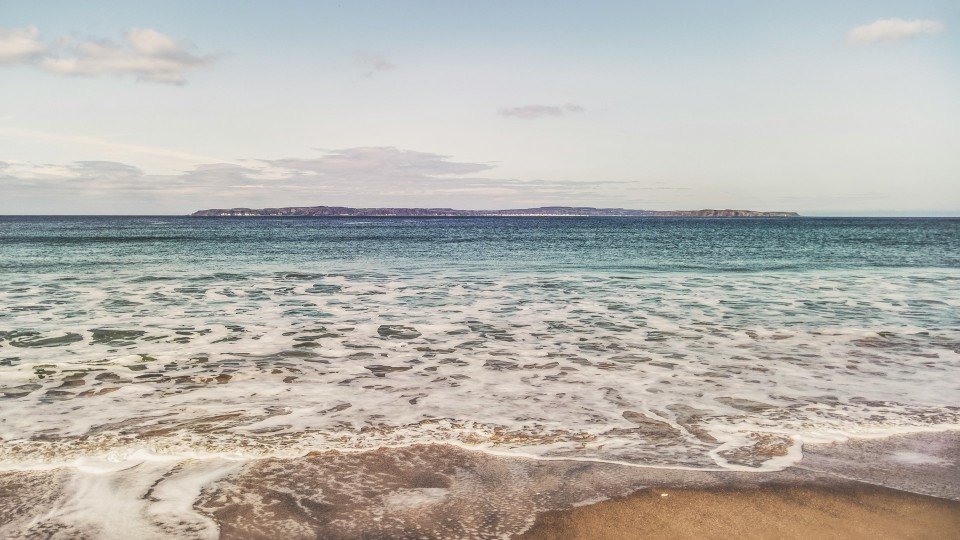
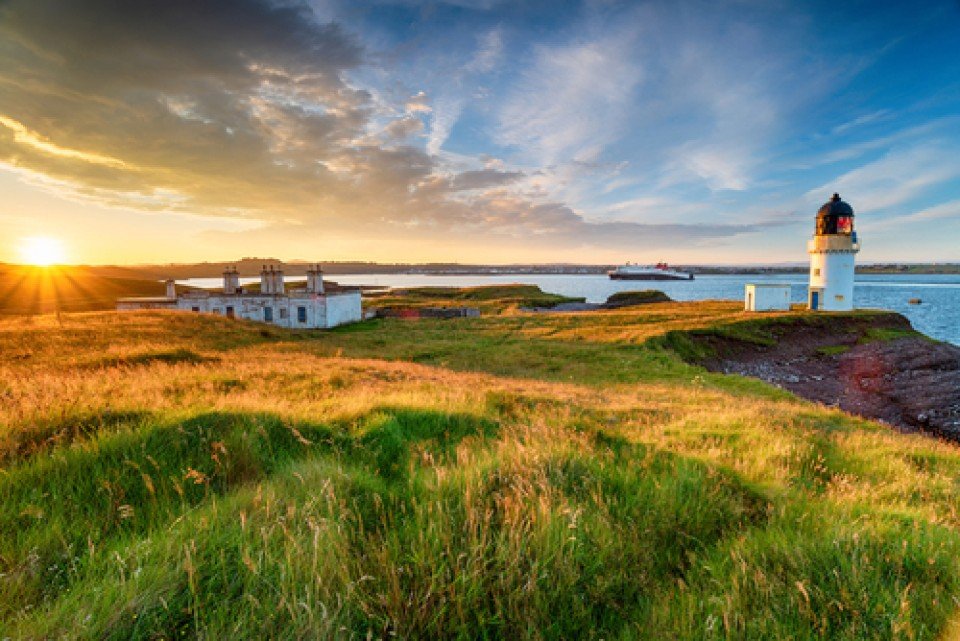
Rathlin Island, located off the coast of Northern Ireland, is known for its stunning natural beauty, rich wildlife, and historical significance. The island is home to various bird species, including puffins, and features rugged cliffs and scenic landscapes. Visitors can explore its quaint villages, ancient ruins, and the renowned Rathlin Island Lighthouse. With a population of around 150 residents, the island offers a peaceful retreat and is accessible by ferry, making it a popular destination for nature enthusiasts and those seeking a tranquil getaway.
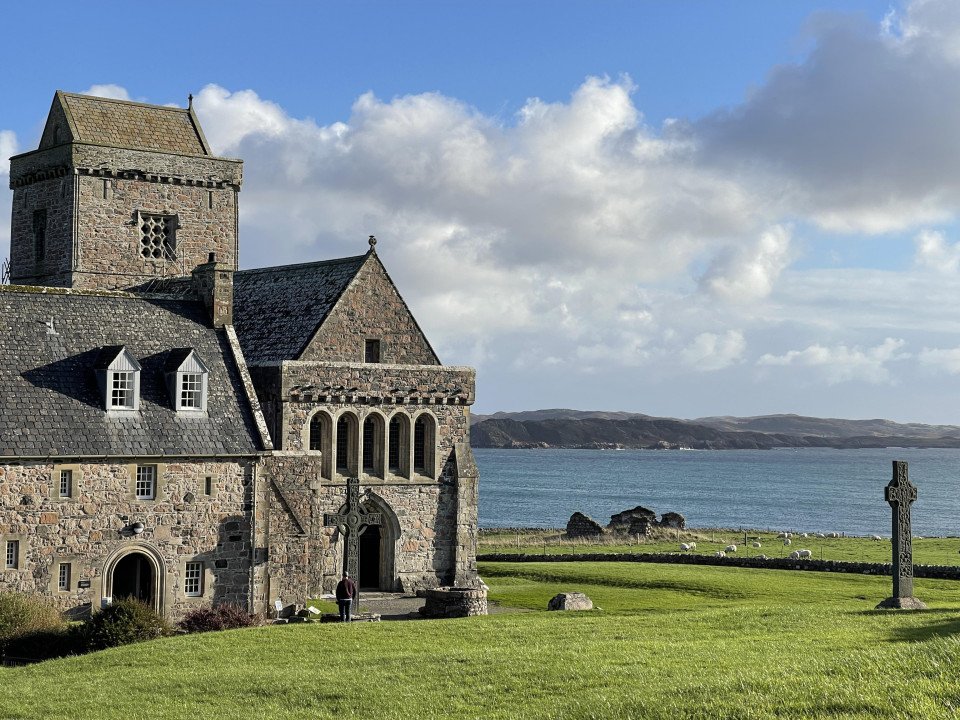
With a population of 120 residents, Iona is Located off the Southwest of Mull. The island is 3 miles long and 1.5 miles wide but draws in thousands of visitors each year due to its natural beauty and historical interest. Saint Columba and his fellow monks landed here in 563. This beautiful stretch of coastline brings out the true beauty of Iona facing onto the Gulf Stream that gives the island its mild climate. Located to the south of the road lies Sìthean Mòr (Large fairy hill) and alternatively known as the Hill of Angels, this is said to have been the setting for many rituals and traditions dating far back in history. This wonderful highlight, Iona Abbey was founded by Saint Columba in 563 and is said to have survived many Viking attacks. Although little remains of the monastic buildings of this period, the magnificent Abbey is the main attraction.
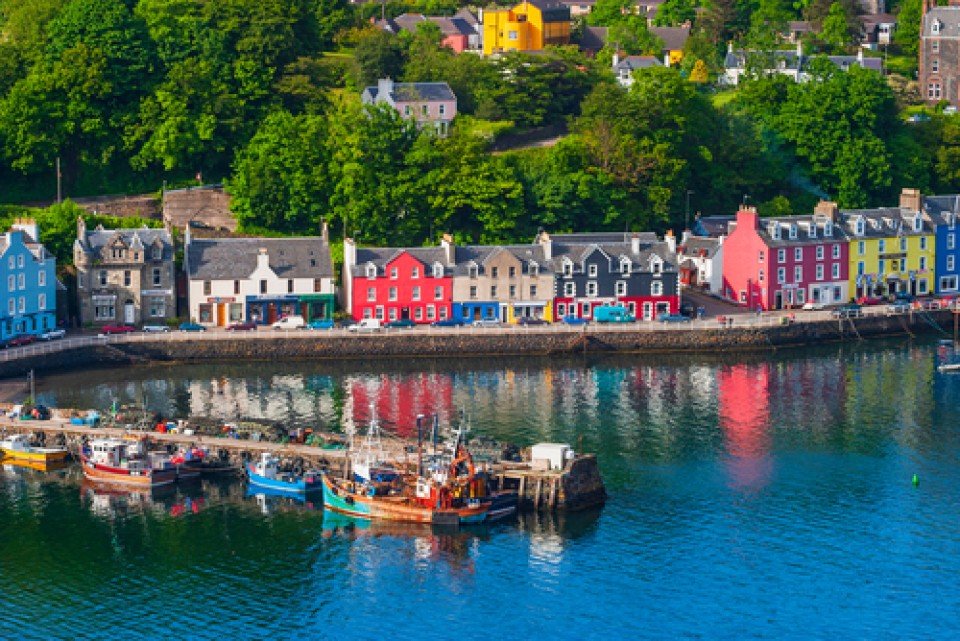
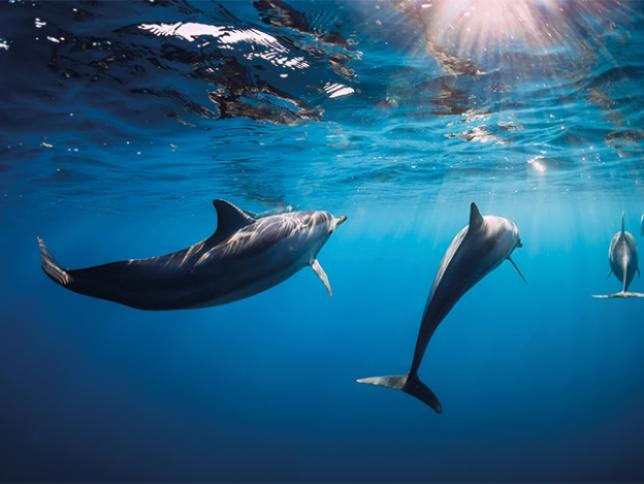
You'll always receive a welcome to remember, as the colourful cafes, houses and shops that line Tobermory's picturesque harbour salute your arrival. Located on the craggy Scottish Inner Hebrides, Tobermory serves as the capital of the Isle of Mull. There's a high chance you'll recognise the town’s colourfully-daubed buildings, as their charming exteriors have featured in countless TV shows - most notably in the children’s favourite, Balamory. There's always a new story to discover here – not least the legend that suggests there's a sunken Spanish galleon, brimming with lost gold, sitting just below the waves that roll around the harbour. Learn a little more of the area’s history at the Mull Museum, or head out to enjoy some of the fabulous wildlife watching opportunities on offer on a boat tour. You can spot majestic birds like white tail and golden eagles circling in the skies, or turn your attention to the waves, where friendly dolphins and Minke whales are regular visitors. Treat yourself to a sample of one of the island's finest exports before leaving, as you drop in at the Tobermory Distillery for some whiskey tasting. Established in 1798, it’s one of Scotland's oldest distilleries.
St Kilda is a remarkable uninhabited archipelago some 40 nautical miles beyond the Outer Hebrides. The stunning cliffs and sea stacks are home to the most important seabird breeding colony in northwest Europe. St Kilda is one of the few places in the world to have received dual World Heritage status from UNESCO in recognition of its Natural Heritage and cultural significance. Village Bay on the island of Hirta once supported a population of over 200, but the last islanders left in the 1930s. Recent restoration work on the village by the National Trust for Scotland offers a marvellous link with the past. One of the caretakers acts as shopkeeper and postmaster for any visitors who might like to send a postcard home from St. Kilda.
Tour description Stornoway, Scotland The Isle of Lewis and Harris is the northernmost and largest of the Outer Hebrides-the Western Isles in common parlance. The island's only major town, Stornoway, is on a nearly landlocked harbor on the east coast of Lewis. It's the port capital for the Outer Hebrides and the island's cultural center, such that it is. Stornoway has an increasing number of good restaurants. Lewis has some fine historic attractions, including the Calanais Standing Stones-a truly magical place. The Uists are known for their rare, plentiful wildlife. Stornoway. Besides being the island's main entry point for ferries, Stornoway is also Lewis's main arts center. You'll find some good restaurants in town if you want to have lunch off the ship. The town can be explored by bicycle if you are so inclined. Local rental shops can give you advice on where to ride, including a route to Tolsta that takes in five stunning beaches before reaching the edge of moorland. An Lanntair Arts Centre. The fabulous An Lanntair Arts Centre has exhibitions of contemporary and traditional art, as well as a cinema, a gift shop, and a restaurant serving international and Scottish fare. There are frequent traditional musical and theatrical events in the impressive auditorium. Kenneth St.. Black House. In the small community of Arnol, the Black House is a well-preserved example of an increasingly rare type of traditional Hebridean home. Once common throughout the islands-even into the 1950s-these dwellings were built without mortar and thatched on a timber framework without eaves. Other characteristic features include an open central peat hearth and the absence of a chimney-hence the soot and the designation black. On display inside are many of the house's original furnishings. To reach Arnol from Port of Ness, head south on the A857 and pick up the A858 at Barvas. Off A858, 21 mi southwest of Port of Ness. Admission charged. Calanais Standing Stones. These impressive stones are actually part of a cluster of several different archaeological sites in this area. Probably positioned in several stages between 3000 BC and 1500 BC, the grouping consists of an avenue of 19 monoliths extending northward from a circle of 13 stones, with other rows leading south, east, and west. Ruins of a cairn sit within the circle on the east side. Researchers believe they may have been used for astronomical observations, but you can create your own explanations. The visitor center has an exhibit on the stones, a gift shop, and a tearoom. On an unmarked road off A858. Admission charged. Dun Carloway. One of the best-preserved Iron Age brochs (circular stone towers) in Scotland, Dun Carloway dominates the scattered community of Carloway. The mysterious tower was probably built around 2,000 years ago as protection against seaborne raiders. The Dun Broch Centre explains more about the broch and its setting. Off A857. Gearrannan. Up a side road north from Carloway, Gearrannan is an old black-house village that has been brought back to life with a museum screening excellent short films on peat cutting and weaving. For a unique experience, groups can rent the restored houses. Leverburgh. At Leverburgh you can take the ferry to North Uist. Nearby Northton has several attractions; St. Clement's Church at Rodel is particularly worth a visit. MacGillivray Centre. Located in a round building overlooking the bay, the MacGillivray Centre gives insight into the life and work of William MacGillivray (1796-1852), a noted naturalist with strong links to Harris. MacGillivray authored the five-volume History of British Birds. This is a great location for a picnic (there are tables for just such a purpose). A walk to a ruined church starts at the parking lot. A859, Northton. Seallam! Visitor Centre and Co Leis Thu? Genealogical Research Centre. The center is where you can trace your Western Isles ancestry. Photographs and interpretive signs describe the history of Harris and its people. The owners organize guided walks and cultural evenings weekly between May and September. Off A859, Northton. Admission charged. St. Clement's Church. At the southernmost point of Harris is the community of Rodel, where you can find St. Clement's Church, a cruciform church standing on a hillock. This is the most impressive pre-Reformation church in the Outer Hebrides; it was built around 1500 and contains the magnificently sculptured tomb (1528) of the church's builder, Alasdair Crotach, MacLeod chief of Dunvegan Castle. Rodel is 3 mi south of Leverburgh and 21 mi south of Tarbert. A859, Rodel. Port of Ness. The stark, windswept community of Port of Ness, 30 mi north of Stornoway, cradles a small harbor squeezed in among the rocks. Butt of Lewis Lighthouse. At the northernmost point of Lewis stands the Butt of Lewis Lighthouse, designed by David and Thomas Stevenson (of the prominent engineering family whose best-known member was not an engineer at all, but the novelist Robert Louis Stevenson). The structure was first lighted in 1862. The adjacent cliffs provide a good vantage point for viewing seabirds, whales, and porpoises. The lighthouse is northwest of Port of Ness along the B8014. Shopping Harris tweed is available at many outlets on the islands, including some of the weavers' homes; keep an eye out for signs directing you to weavers' workshops. Harris Tweed Artisans Cooperative. The Harris Tweed Artisans Cooperative sells stylish and quirky hand-crafted tweed clothing, hats, accessories, all made by artists belonging to the cooperative. 40 Point St., Stornoway. Borgh Pottery. At Borgh Pottery, open from Monday to Saturday 9:30 to 6, you can buy attractive hand-thrown studio pottery made on the premises, including lamps, vases, mugs, and dishes. Fivepenny House, A857, Borve.
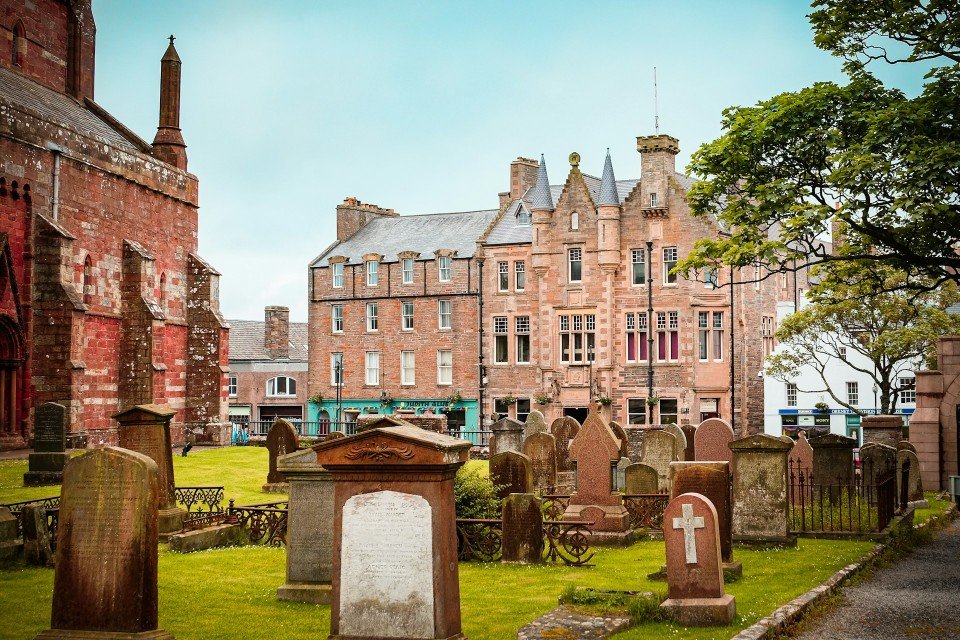
In bustling Kirkwall, the main town on Orkney, there's plenty to see in the narrow, winding streets extending from the harbor. The cathedral and some museums are highlights.
Leith is a vibrant district located in Edinburgh, Scotland, known for its rich maritime history and lively atmosphere. Once a bustling port, Leith has transformed into a trendy area filled with an eclectic mix of restaurants, bars, and shops along its picturesque waterfront. Key attractions include the historic Leith Docks, the Royal Yacht Britannia, and the scenic Water of Leith walkway. The district boasts a diverse community and hosts various cultural events throughout the year. With its blend of history, modern amenities, and stunning views of the Firth of Forth, Leith is a dynamic destination that attracts both locals and visitors.
The port of Invergordon is your gateway to the Great Glen, an area of Scotland that includes Loch Ness and the city of Inverness. Inverness, the capital of the Highlands, has the flavor of a Lowland town, its winds blowing in a sea-salt air from the Moray Firth. The Great Glen is also home to one of the world's most famous monster myths: in 1933, during a quiet news week, the editor of a local paper decided to run a story about a strange sighting of something splashing about in Loch Ness. But there's more to look for here besides Nessie, including inland lochs, craggy and steep-sided mountains, rugged promontories, deep inlets, brilliant purple and emerald moorland, and forests filled with astonishingly varied wildlife, including mountain hares, red deer, golden eagles, and ospreys.
In bustling Kirkwall, the main town on Orkney, there's plenty to see in the narrow, winding streets extending from the harbor. The cathedral and some museums are highlights.
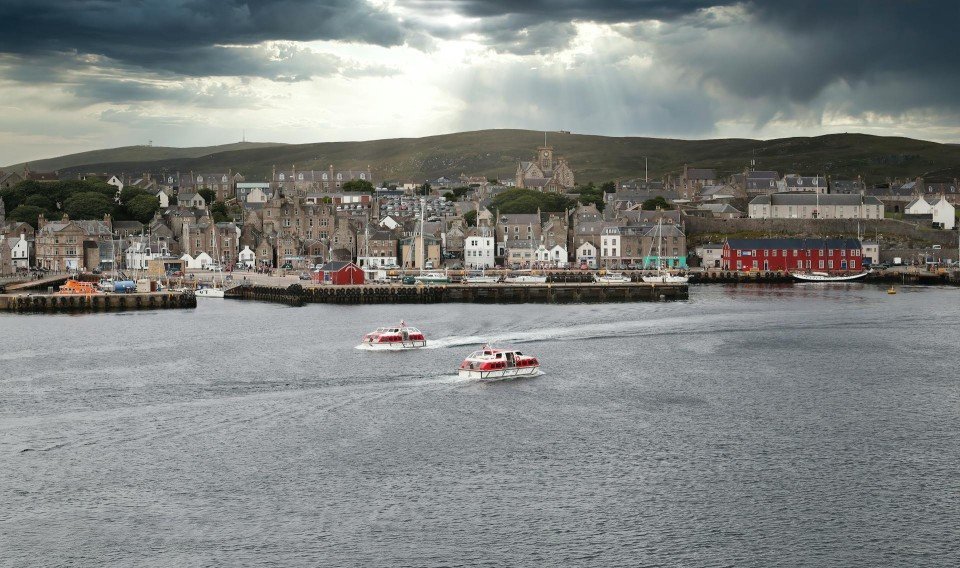
Founded by Dutch fishermen in the 17th century, Lerwick today is a busy town and administrative center. Handsome stone buildings—known as lodberries—line the harbor; they provided loading bays for goods, some of them illegal. The town's twisting flagstone lanes and harbor once heaved with activity, and Lerwick is still an active port today. This is also where most visitors to Shetland dock, spilling out of cruise ships, allowing passengers to walk around the town.
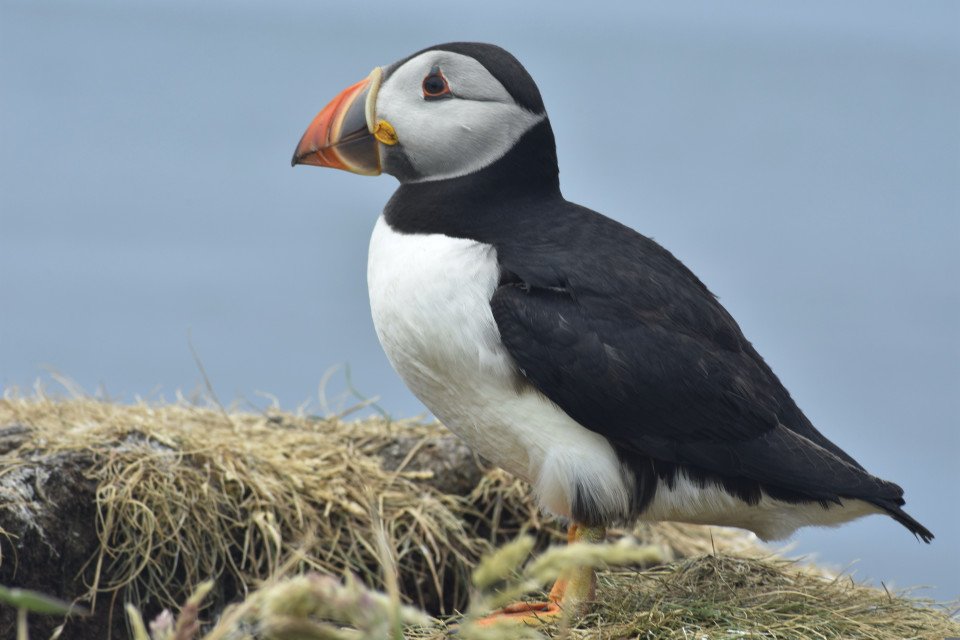
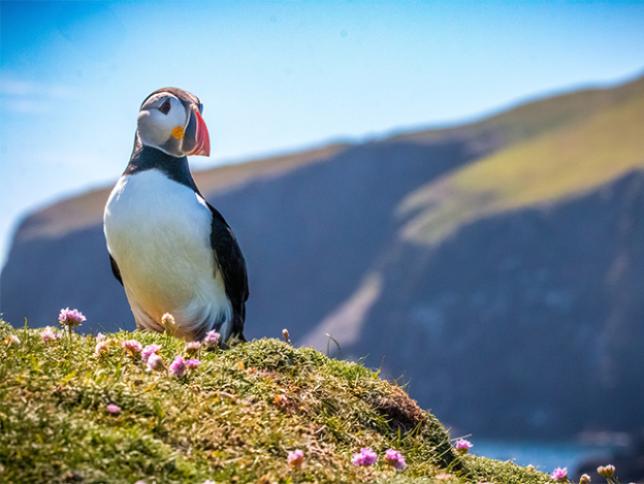
Exploring the sandstone cliff faces of the Isle of Noss will reveal ledges loaded with gannets, puffins, guillemots, shags, kittiwakes, Razorbills, fulmars and Great Skuas. The island was recognized as a National Nature Reserve in 1955, and has one of Europe’s largest and most diverse seabird colonies. Sheep have grazed the inland hillsides of Noss since the late 1800s and early 1900s when around twenty people lived on the island to manage the sheep farm. Along with the sheep, shaggy Shetland ponies graze the windblown slopes of Noss.
Founded by Dutch fishermen in the 17th century, Lerwick today is a busy town and administrative center. Handsome stone buildings—known as lodberries—line the harbor; they provided loading bays for goods, some of them illegal. The town's twisting flagstone lanes and harbor once heaved with activity, and Lerwick is still an active port today. This is also where most visitors to Shetland dock, spilling out of cruise ships, allowing passengers to walk around the town.
Tórshavn, the charming capital of the Faroe Islands, is a captivating blend of stunning landscapes and rich cultural heritage. With its picturesque harbour, colourful turf-roofed houses, and narrow streets, the city invites exploration and discovery. Visitors can immerse themselves in local culture through museums, enjoy traditional Faroese cuisine at cosy cafés, and engage in outdoor activities like hiking and birdwatching. Throughout the year, Tórshavn comes alive with festivals celebrating music and art, making it a vibrant destination that beautifully showcases the spirit and beauty of the Faroe Islands.
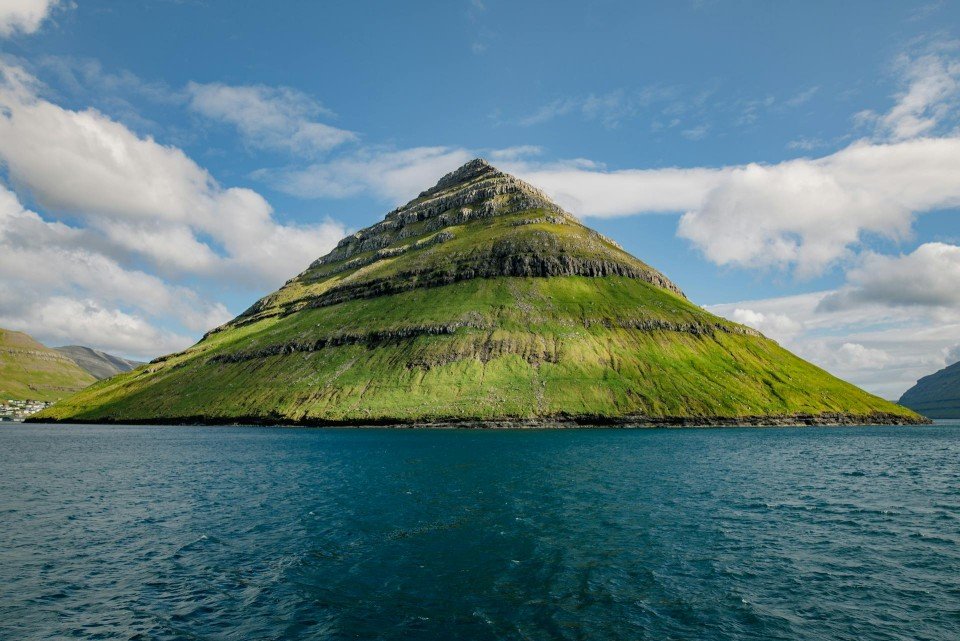
Klaksvik is the second-largest town in the Faroe Islands, located on the northern island of Borðoy. Known for its stunning natural scenery, Klaksvik is surrounded by dramatic mountains and picturesque fjords, making it a haven for outdoor enthusiasts. The town has a vibrant fishing industry and boasts a rich maritime history, reflected in its charming harbour and traditional wooden houses. Visitors can explore local culture through museums, art galleries, and festivals celebrating Faroese traditions. Klaksvik also serves as a gateway to nearby islands, offering opportunities for hiking, birdwatching, and experiencing the breathtaking landscapes of the Faroe Islands. With its unique blend of natural beauty and cultural heritage, Klaksvik is a captivating destination for travellers.
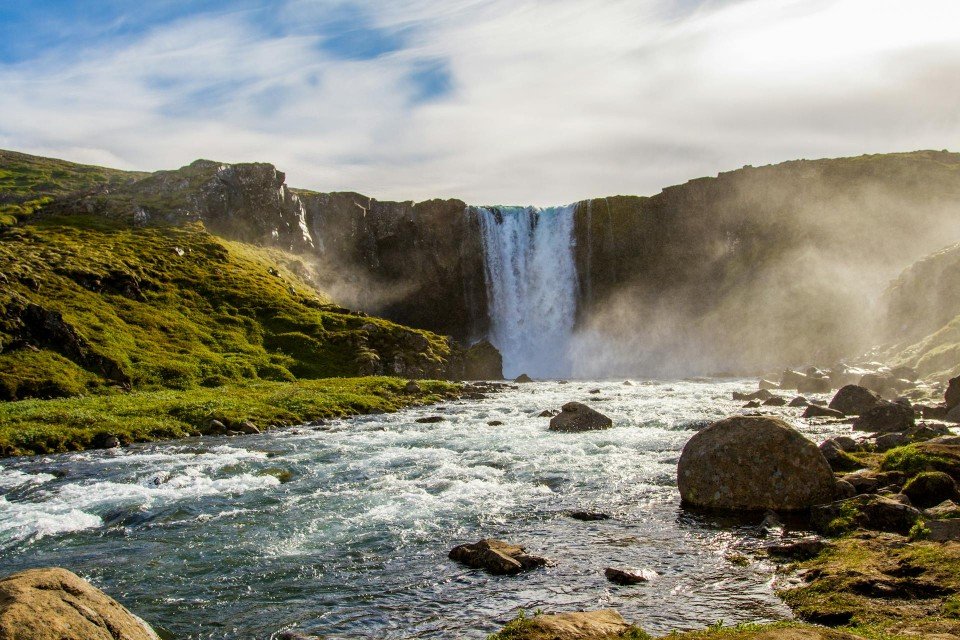
Seyðisfjörður, a beautiful 19th-century Norwegian village on the east coast of Iceland, is regarded by many as one of Iceland's most picturesque towns, not only due to its impressive environment, but also because nowhere in Iceland has a community of old wooden buildings been preserved so well as here. Poet Matthías Johannessen called Seyðisfjörður a 'pearl enclosed in a shell'. The community owes its origins to foreign merchants, mainly Danes, who started trading in the fjord in the mid-19th century. But the crucial factor in the evolution of the village was the establishment of the Icelandic herring fishery by Norwegians in 1870-1900. The Norwegians built up a number of herring-fishing facilities, and in a matter of years the little community grew into a boom town. Today, about 800 people live in Seyðisfjörður. The local economy has long been based on the fisheries, while light industry also flourishes. Tourism is playing a growing role, as the picturesque town in its spectacular surroundings attracts more and more visitors. The car/passenger ferry Norrøna, which plies between continental Europe and Iceland every summer, docks at Seyðisfjörður every Thursday. Seyðisfjörður has been a cosmopolitan community from its foundation, and the ferry service has contributed to ensuring that it remains so.
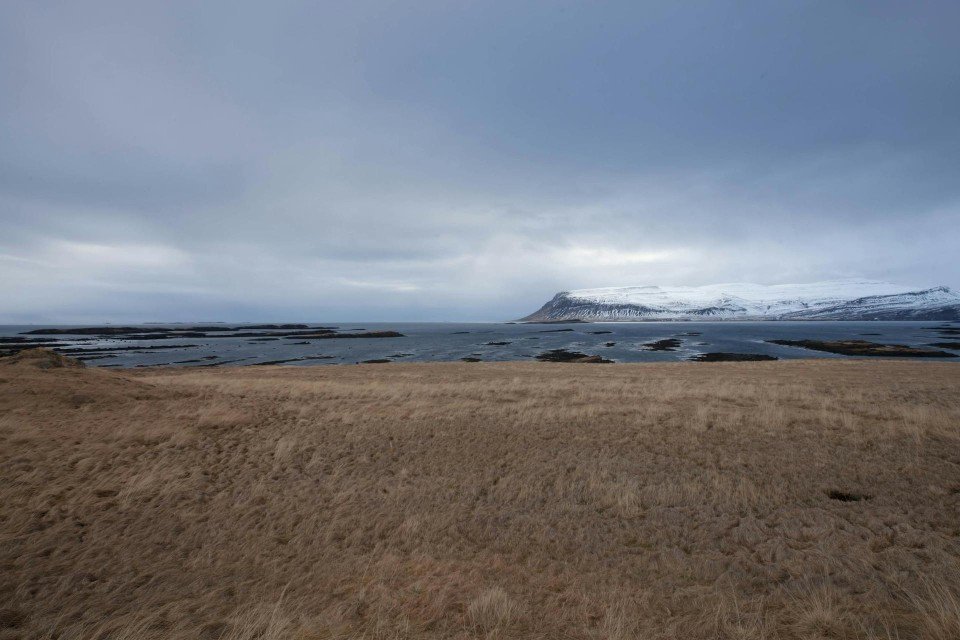
Patreksfjörður is a picturesque town located in the Westfjords region of Iceland, known for its stunning natural landscapes and rich cultural history. Nestled along the shores of a beautiful fjord, the town features charming wooden houses and offers breathtaking views of the surrounding mountains and coastline. Patreksfjörður is a gateway to explore the rugged beauty of the Westfjords, with nearby attractions including the dramatic Látrabjarg cliffs, which are home to a variety of seabirds, including puffins. The town also has a vibrant fishing industry and a welcoming community, with local restaurants serving fresh seafood. Visitors can enjoy outdoor activities such as hiking, birdwatching, and exploring the unique geological formations in the area. With its combination of stunning scenery and cultural experiences, Patreksfjörður is a captivating destination for travellers in Iceland.
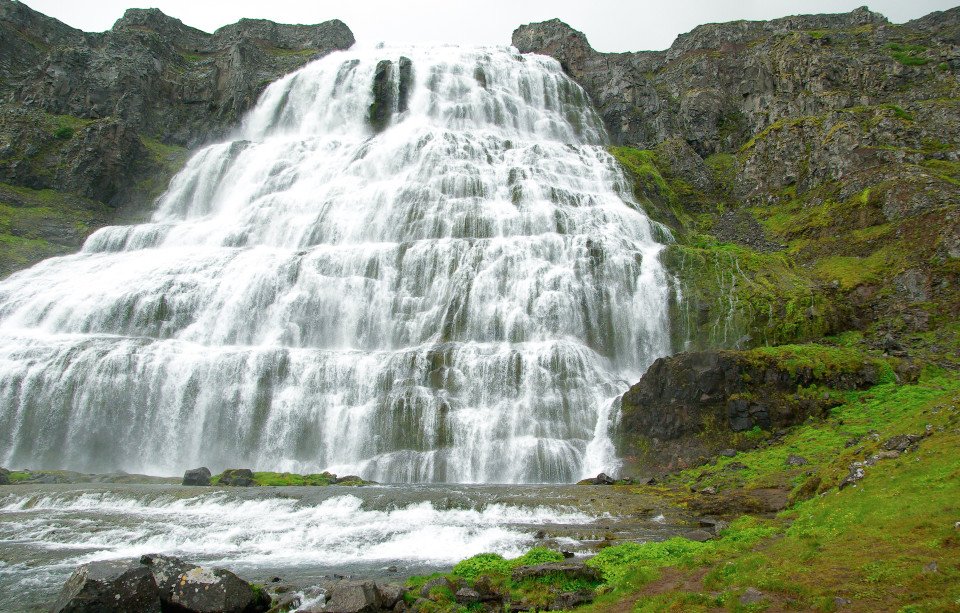
Iceland is well-known for its spectacular waterfalls. The iconic Dynjandi waterfall, located in the Westfjords region, is regarded as one of Iceland’s most impressive and majestic waterfalls. At the top, the cascading water is roughly 100 feet wide and tumbles down about 330 feet into the fjord. Its name Dynjandi means, “the thundering one” and its vast size, enormous sound, and sheer force is overwhelming. It has also been nicknamed, ‘The Bridal Veil’ because of the way the water sprays and spreads over the rocks.
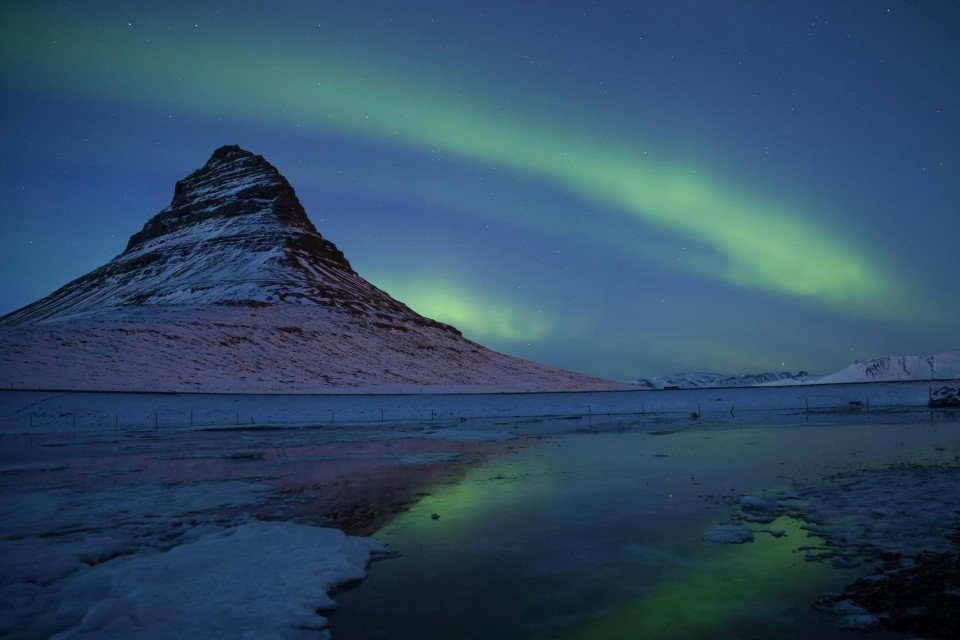
Grundarfjörður is a charming town located on the Snæfellsnes Peninsula in Iceland, renowned for its stunning natural beauty and dramatic landscapes. Nestled between the mountains and the ocean, it offers breathtaking views of the iconic Kirkjufell mountain, one of Iceland's most photographed peaks. The town has a rich fishing heritage, reflected in its vibrant harbour and local seafood restaurants. Visitors can enjoy various outdoor activities, including hiking, birdwatching, and exploring nearby waterfalls and coastal cliffs. The surrounding area is also home to diverse wildlife, including seals and various bird species. With its picturesque scenery and welcoming atmosphere, Grundarfjörður is a delightful destination for those looking to experience the natural wonders of Iceland.
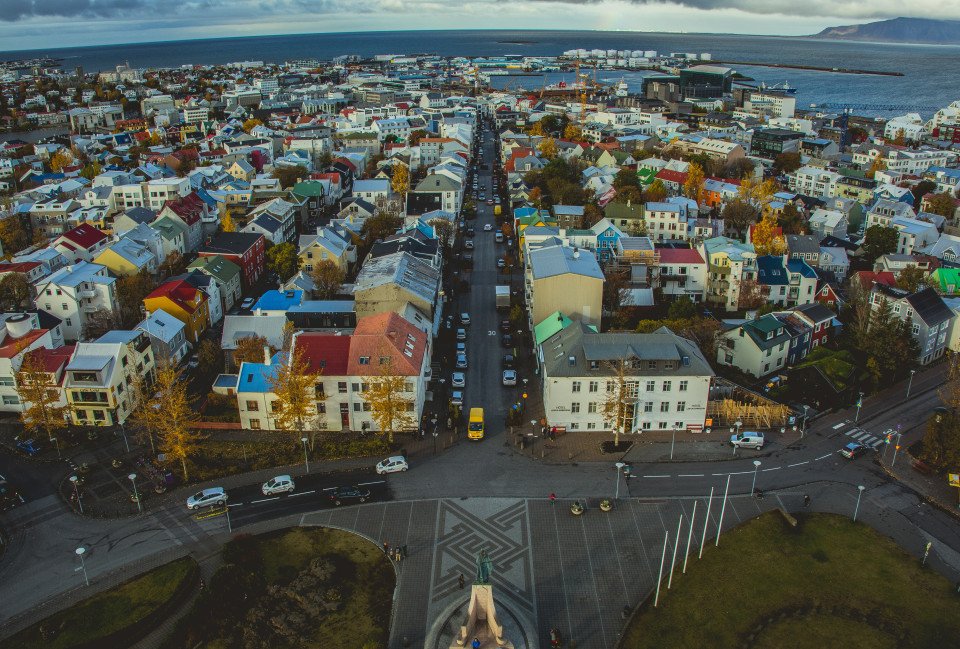
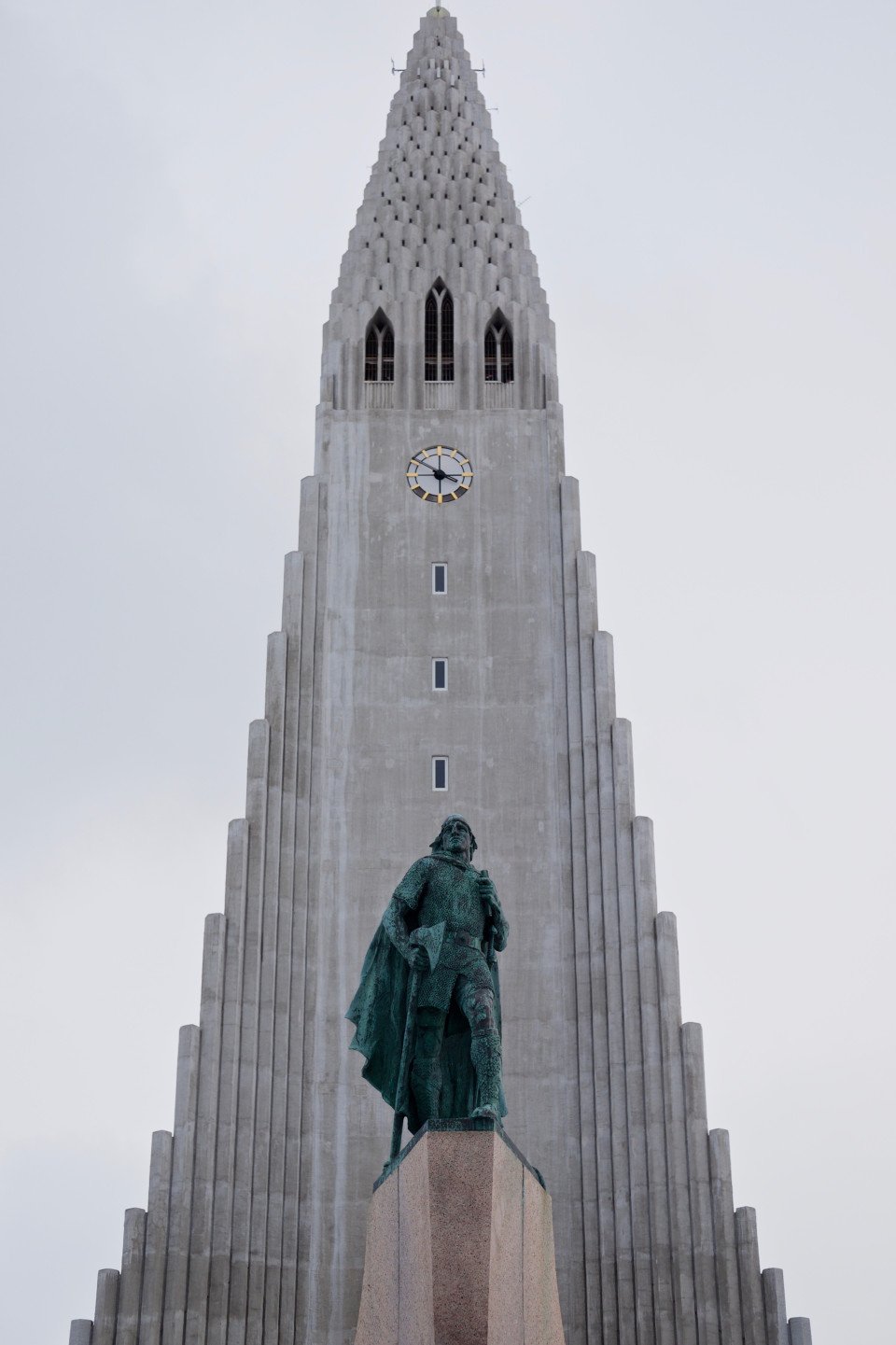
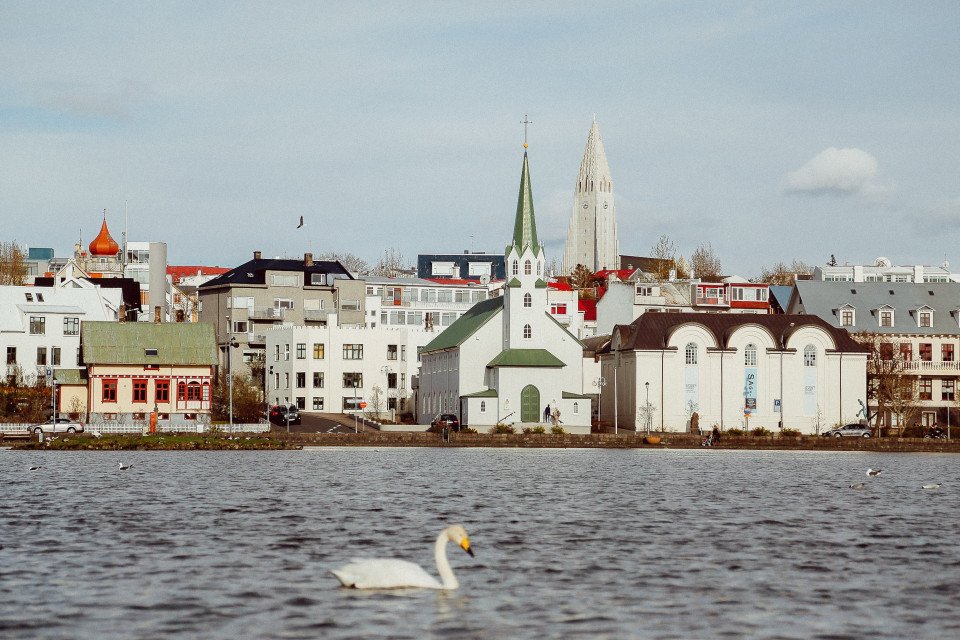
Sprawling Reykjavík, the nation's nerve center and government seat, is home to half the island's population. On a bay overlooked by proud Mt. Esja (pronounced eh-shyuh), with its ever-changing hues, Reykjavík presents a colorful sight, its concrete houses painted in light colors and topped by vibrant red, blue, and green roofs. In contrast to the almost treeless countryside, Reykjavík has many tall, native birches, rowans, and willows, as well as imported aspen, pines, and spruces.Reykjavík's name comes from the Icelandic words for smoke, reykur, and bay, vík. In AD 874, Norseman Ingólfur Arnarson saw Iceland rising out of the misty sea and came ashore at a bay eerily shrouded with plumes of steam from nearby hot springs. Today most of the houses in Reykjavík are heated by near-boiling water from the hot springs. Natural heating avoids air pollution; there's no smoke around. You may notice, however, that the hot water brings a slight sulfur smell to the bathroom.Prices are easily on a par with other major European cities. A practical option is to purchase a Reykjavík City Card at the Tourist Information Center or at the Reykjavík Youth Hostel. This card permits unlimited bus usage and admission to any of the city's seven pools, the Family Park and Zoo, and city museums. The cards are valid for one (ISK 3,300), two (ISK 4,400), or three days (ISK 4,900), and they pay for themselves after three or four uses a day. Even lacking the City Card, paying admission (ISK 500, or ISK 250 for seniors and people with disabilities) to one of the city art museums (Hafnarhús, Kjarvalsstaðir, or Ásmundarsafn) gets you free same-day admission to the other two.
It’s hard to imagine, as you stroll Heimaey’s idyllic streets of white wooden houses, that this island was literally torn apart by a spectacular volcanic eruption, just over 40 years ago. The fact that you can visit incredible Heimaey at all is something of a miracle – because the oozing lava of the Eldfell volcano threatened to seal the harbour off completely. Fortunately, its advance was halted by gallons of seawater, pumped onto it by the plucky islanders, who saved their fishing industry in the process. Iceland's famous for its scenery, and the huge castles of volcanic rock that rise out of the sea's waves here are some of the country's most dramatic.
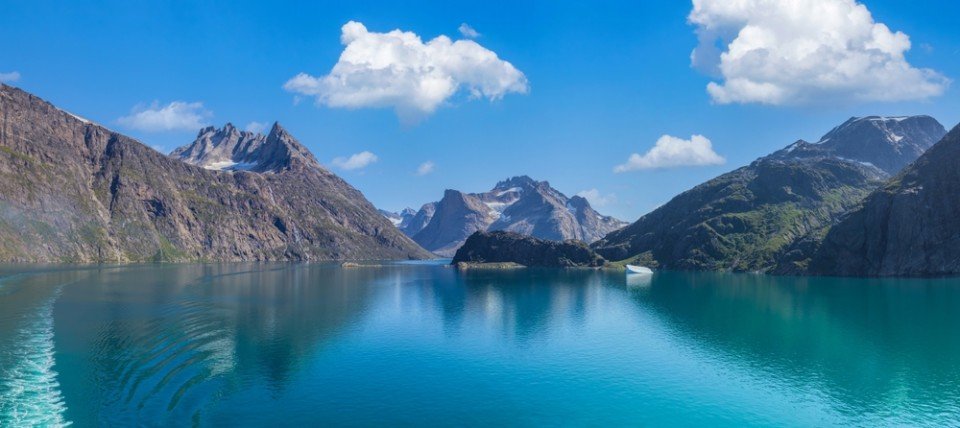
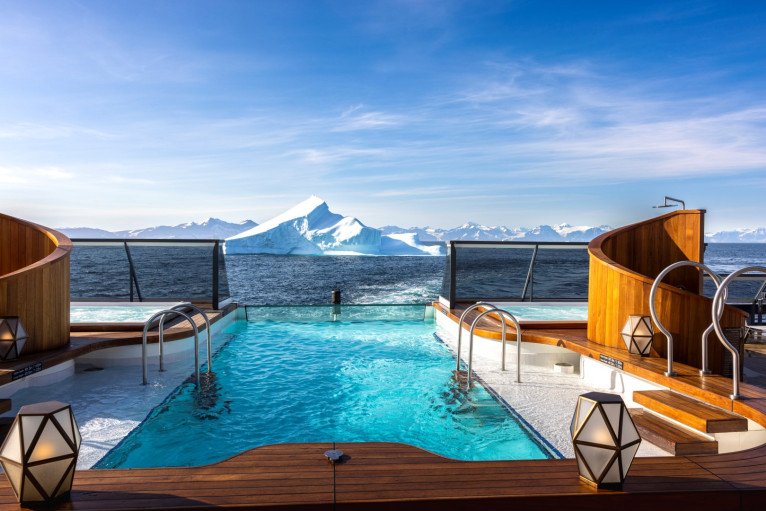
The transit through the Sound is one of this voyage’s highlights. Connecting the Labrador Sea with the Irminger Seat, Prince Christian Sound or “Prins Christian Sund” in Danish is named after Prince (later King) Christian VII (1749-1808). 100 km (60 miles ), long and at times just 500 m (1500 ft) wide, this majestic and spectacular fiord throws you back into a Viking era – flanked by soaring snow-topped mountains, rock-strewn cliffs and rolling hills, it is as if time has stood still and one easily forgets that this is the 21st century. As you marvel at the sheer size of the mountains that surround you, with the Arctic waters lapping deceptively at the hull, revel in the silence enveloping you. Icebergs float serenely by, carrying with them the ages of time. Be sure to wear warm clothing as this is one spectacle that you do not want to miss.
The largest town in southern Greenland, Qaqortoq has been inhabited since prehistoric times. Upon arrival in this charming southern Greenland enclave, it's easy to see why. Qaqortoq rises quite steeply over the fjord system around the city, offering breath-taking panoramic vistas of the surrounding mountains, deep, blue sea, Lake Tasersuag, icebergs in the bay, and pastoral backcountry. Although the earliest signs of ancient civilization in Qaqortoq date back 4,300 years, Qaqortoq is known to have been inhabited by Norse and Inuit settlers in the 10th and 12th centuries, and the present-day town was founded in 1774. In the years since, Qaqortoq has evolved into a seaport and trading hub for fish and shrimp processing, tanning, fur production, and ship maintenance and repair.
Northeast of Qaqortoq and at the end of a fjord, Hvalsey is one of the best examples of South Greenland’s many scattered ruins from the Norse period. Today the area is used for sheep-grazing, but until the 15th century the settlement at Hvalsey, and specifically Hvalsey’s church, played an important part. Christianity had spread its influence throughout Europe and eventually had reached remote Greenland, where it established itself in the country in 1000 AD. Hvalsey Church was built in the 14th century and is the best preserved of the churches in Greenland from that period. Apart from the church walls, historical ruins from the time of the Norse are just a few meters away.
Qassiarsuk is the newer, Greenlandic name for this small village. Brattahlid is the older, Norse name. Here we tour the foundation remains of the manor house of Erik the Red, who found Greenland after being banished from Iceland and Norway for murder. We will also visit the site of the first Christian church ever built in North America (physiographically speaking), see a recently unearthed Norse graveyard that contains remains of 144 Norse colonists, and have a chance to admire Hans Lynge’s remarkable bronze sculpture of Erik the Red.
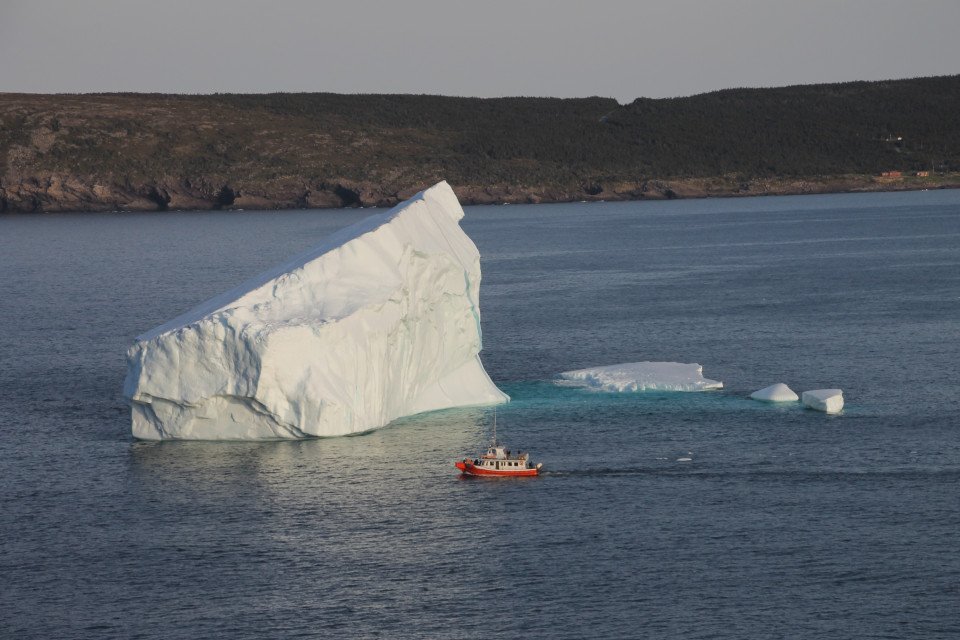
Around the year 1000, Vikings from Greenland and Iceland founded the first European settlement in North America, near the northern tip of Newfoundland. They arrived in the New World 500 years before Columbus but stayed only a few years and were forgotten for centuries. Since the settlement's rediscovery in the last century, the archaeological site has brought tourism to the area. Viking themes abound but so do views, whales, icebergs, fun dining experiences, and outdoor activities. L'Anse Aux Meadows on the northern tip of the island of Newfoundland is a remote community of just 40 people, with St Anthony, 40 minutes away, having a population of only 3,500. The region is locally famous for springtime polar bears, nesting eider ducks, the northern extreme of the Appalachians at nearby Belle Isle, numerous spring and summer icebergs, and a rich ocean fishery. L’Anse Aux Meadows National Historic Site is the UNESCO World Heritage Site that tells the story of Leif Erickson and the first Europeans in the new world. This site is often the keystone attraction for cruises themed around the Vikings. Discovered in 1960, it is the site of a Norse village, the only known one in North America outside of Greenland. The site remains the only widely-accepted instance of pre-Columbian trans-oceanic contact, and is notable for possible connections with the attempted colony of Vinland established by Leif Ericson around 1003, or more broadly with Norse exploration of the Americas. The root of the name "L'Anse aux Meadows" is believed to have originated with French fishermen in the area during the nineteenth and twentieth centuries, who named the site L'Anse aux Meduses, meaning 'Jellyfish Bay'.
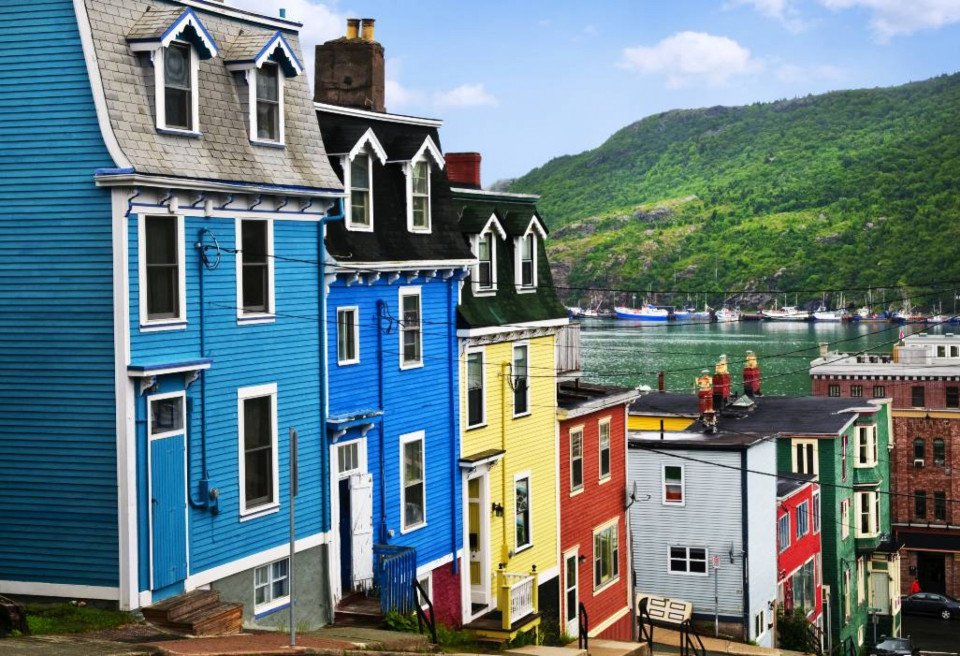
Old meets new in the province's capital (metro-area population a little more than 200,000), with modern office buildings surrounded by heritage shops and colorful row houses. St. John's mixes English and Irish influences, Victorian architecture and modern convenience, and traditional music and rock and roll into a heady brew. The arts scene is lively, but overall the city moves at a relaxed pace.For centuries, Newfoundland was the largest supplier of salt cod in the world, and St. John's Harbour was the center of the trade. As early as 1627, the merchants of Water Street—then known as the Lower Path—were doing a thriving business buying fish, selling goods, and supplying alcohol to soldiers and sailors.
Named in honour of Sir John Franklin’s widow, the lonely and uninhabited Lady Franklin Island lies off of Baffin Island’s Hall Peninsula at the entrance to Cumberland Sound. The island is named for the wife of Sir John Franklin, the Arctic explorer who died trying to discover the Northwest Passage. The geology of the island is striking with vertical cliffs of Archean rocks, likely to be some of the oldest stone in Canada. The waters around Lady Franklin Island offer an abundance seabirds, ducks, seals, and walrus. With a bit of luck it is possible to see Atlantic Puffins here and perhaps even a rare Sabine’s Gull.
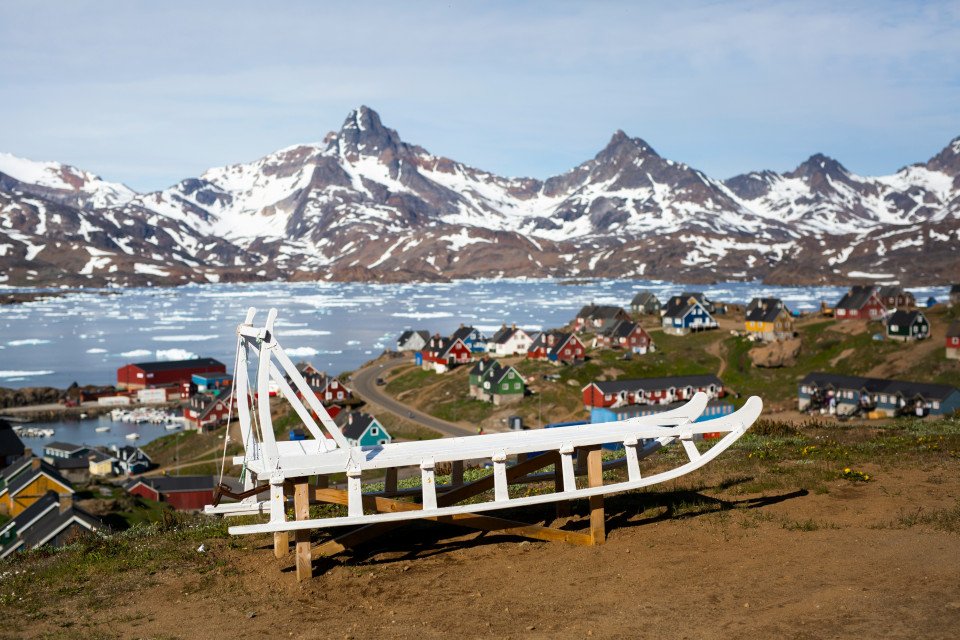
Located just north of the Arctic Circle, Sisimiut is the northernmost town in Greenland where the port remains free of ice in the winter. Yet it is also the southernmost town where there is enough snow and ice to drive a dogsled in winter and spring. In Sisimiut, travelling by sled has been the primary means of winter transportation for centuries. In fact, the area has been inhabited for approximately 4,500 years. Modern Sisimiut is the largest business center in the north of Greenland, and is one of the fastest growing Greenlandic cities. Commercial fishing is the lead economy in the town‘s thriving industrial base.
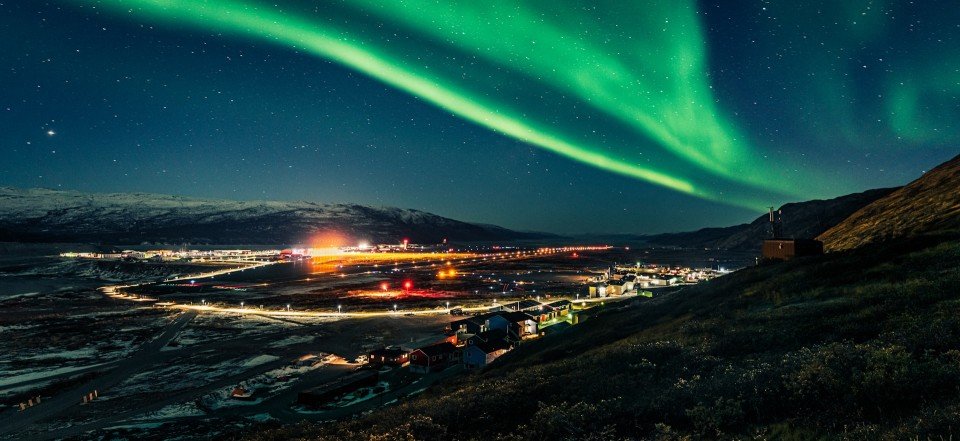
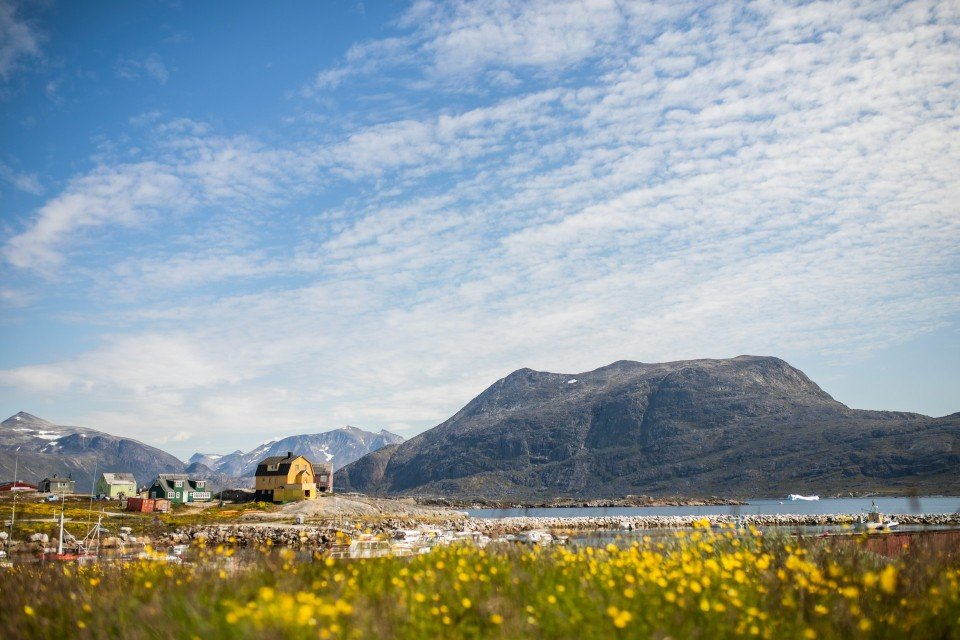
The name Kangerlussuaq means "Big Fjord" in the local Kalaallisut language. The settlement of about 500 people is located in western Greenland on flat land at the head of a fjord with the same name. Kangerlussuaq is the site of Greenland's largest commercial airport and most of the economy here is dependent on the air transportation hub and tourism. The rugged lands around the settlement support terrestrial Arctic fauna including muskoxen, caribou, and Gyrfalcons.
Located just north of the Arctic Circle, Sisimiut is the northernmost town in Greenland where the port remains free of ice in the winter. Yet it is also the southernmost town where there is enough snow and ice to drive a dogsled in winter and spring. In Sisimiut, travelling by sled has been the primary means of winter transportation for centuries. In fact, the area has been inhabited for approximately 4,500 years. Modern Sisimiut is the largest business center in the north of Greenland, and is one of the fastest growing Greenlandic cities. Commercial fishing is the lead economy in the town‘s thriving industrial base.
Evighedsfjorden, or "Eternity Fjord," is a breathtaking fjord located in Greenland, known for its stunning natural beauty and dramatic landscapes. This remote and pristine area features towering mountains, deep blue waters, and icebergs that drift gracefully through the fjord. The fjord is often surrounded by lush green valleys and rugged cliffs, creating a picturesque setting ideal for hiking, kayaking, and wildlife observation. Visitors may encounter seals, whales, and a variety of bird species in this serene environment. Evighedsfjorden offers a unique opportunity to experience the untouched wilderness of Greenland, making it a perfect destination for adventurers and nature enthusiasts seeking tranquillity and spectacular scenery.
Nuuk, meaning “the cape”, was Greenland’s first town (1728). Started as a fort and later mission and trading post some 240 kilometers south of the Arctic Circle, it is the current capital. Almost 30% of Greenland’s population lives in the town. Not only does Nuuk have great natural beauty in its vicinity, but there are Inuit ruins, Hans Egede’s home, the parliament, and the Church of our Saviour as well. The Greenlandic National Museum has an outstanding collection of Greenlandic traditional dresses, as well as the famous Qilakitsoq mummies. The Katuaq Cultural Center’s building was inspired by the undulating Northern Lights and can house 10% of Nuuk’s inhabitants.
Qassiarsuk is the newer, Greenlandic name for this small village. Brattahlid is the older, Norse name. Here we tour the foundation remains of the manor house of Erik the Red, who found Greenland after being banished from Iceland and Norway for murder. We will also visit the site of the first Christian church ever built in North America (physiographically speaking), see a recently unearthed Norse graveyard that contains remains of 144 Norse colonists, and have a chance to admire Hans Lynge’s remarkable bronze sculpture of Erik the Red.
The largest town in southern Greenland, Qaqortoq has been inhabited since prehistoric times. Upon arrival in this charming southern Greenland enclave, it's easy to see why. Qaqortoq rises quite steeply over the fjord system around the city, offering breath-taking panoramic vistas of the surrounding mountains, deep, blue sea, Lake Tasersuag, icebergs in the bay, and pastoral backcountry. Although the earliest signs of ancient civilization in Qaqortoq date back 4,300 years, Qaqortoq is known to have been inhabited by Norse and Inuit settlers in the 10th and 12th centuries, and the present-day town was founded in 1774. In the years since, Qaqortoq has evolved into a seaport and trading hub for fish and shrimp processing, tanning, fur production, and ship maintenance and repair.
Northeast of Qaqortoq and at the end of a fjord, Hvalsey is one of the best examples of South Greenland’s many scattered ruins from the Norse period. Today the area is used for sheep-grazing, but until the 15th century the settlement at Hvalsey, and specifically Hvalsey’s church, played an important part. Christianity had spread its influence throughout Europe and eventually had reached remote Greenland, where it established itself in the country in 1000 AD. Hvalsey Church was built in the 14th century and is the best preserved of the churches in Greenland from that period. Apart from the church walls, historical ruins from the time of the Norse are just a few meters away.
Nanortalik lies in a scenic area surrounded by steep mountainsides and is Greenland’s tenth-largest and most southerly town with less than 1500 inhabitants. The town’s name means the “place of polar bears”, which refers to the polar bears that used to be seen floating offshore on summer’s ice floes. Nanortalik has an excellent open-air museum that gives a broad picture of the region from Inuit times to today. Part of the exhibition is a summer hunting camp, where Inuit in traditional clothing describe aspects of their ancestor’s customs and lifestyle.
The transit through the Sound is one of this voyage’s highlights. Connecting the Labrador Sea with the Irminger Seat, Prince Christian Sound or “Prins Christian Sund” in Danish is named after Prince (later King) Christian VII (1749-1808). 100 km (60 miles ), long and at times just 500 m (1500 ft) wide, this majestic and spectacular fiord throws you back into a Viking era – flanked by soaring snow-topped mountains, rock-strewn cliffs and rolling hills, it is as if time has stood still and one easily forgets that this is the 21st century. As you marvel at the sheer size of the mountains that surround you, with the Arctic waters lapping deceptively at the hull, revel in the silence enveloping you. Icebergs float serenely by, carrying with them the ages of time. Be sure to wear warm clothing as this is one spectacle that you do not want to miss.
Discover the east coast of Greenland, where the alpine mountains merge closely with the sea, and the fjords are adorned with high snow-capped peaks and drifting icebergs. Follow in the wake of Captain Jean-Baptiste Charcot’s famous ship, the Pourquoi Pas?, which set off with its crew to discover Ammassalik. The name of this island is a reference to the capelin, a small silver coloured fish, whose presence announces to inhabitants the return of spring. This small island offers a spectacular and wild setting where the Inuit people chose to live. Set off to meet the inhabitants of this remote region, with deep-rooted traditions, and discover the Inuit culture.
Grundarfjörður is a charming town located on the Snæfellsnes Peninsula in Iceland, renowned for its stunning natural beauty and dramatic landscapes. Nestled between the mountains and the ocean, it offers breathtaking views of the iconic Kirkjufell mountain, one of Iceland's most photographed peaks. The town has a rich fishing heritage, reflected in its vibrant harbour and local seafood restaurants. Visitors can enjoy various outdoor activities, including hiking, birdwatching, and exploring nearby waterfalls and coastal cliffs. The surrounding area is also home to diverse wildlife, including seals and various bird species. With its picturesque scenery and welcoming atmosphere, Grundarfjörður is a delightful destination for those looking to experience the natural wonders of Iceland.
Sprawling Reykjavík, the nation's nerve center and government seat, is home to half the island's population. On a bay overlooked by proud Mt. Esja (pronounced eh-shyuh), with its ever-changing hues, Reykjavík presents a colorful sight, its concrete houses painted in light colors and topped by vibrant red, blue, and green roofs. In contrast to the almost treeless countryside, Reykjavík has many tall, native birches, rowans, and willows, as well as imported aspen, pines, and spruces.Reykjavík's name comes from the Icelandic words for smoke, reykur, and bay, vík. In AD 874, Norseman Ingólfur Arnarson saw Iceland rising out of the misty sea and came ashore at a bay eerily shrouded with plumes of steam from nearby hot springs. Today most of the houses in Reykjavík are heated by near-boiling water from the hot springs. Natural heating avoids air pollution; there's no smoke around. You may notice, however, that the hot water brings a slight sulfur smell to the bathroom.Prices are easily on a par with other major European cities. A practical option is to purchase a Reykjavík City Card at the Tourist Information Center or at the Reykjavík Youth Hostel. This card permits unlimited bus usage and admission to any of the city's seven pools, the Family Park and Zoo, and city museums. The cards are valid for one (ISK 3,300), two (ISK 4,400), or three days (ISK 4,900), and they pay for themselves after three or four uses a day. Even lacking the City Card, paying admission (ISK 500, or ISK 250 for seniors and people with disabilities) to one of the city art museums (Hafnarhús, Kjarvalsstaðir, or Ásmundarsafn) gets you free same-day admission to the other two.
Before English and Scottish settlers arrived in the 1600s, Belfast was a tiny village called Béal Feirste ("sandbank ford") belonging to Ulster's ancient O'Neill clan. With the advent of the Plantation period (when settlers arrived in the 1600s), Sir Arthur Chichester, from Devon in southwestern England, received the city from the English Crown, and his son was made Earl of Donegall. Huguenots fleeing persecution from France settled near here, bringing their valuable linen-work skills. In the 18th century, Belfast underwent a phenomenal expansion—its population doubled every 10 years, despite an ever-present sectarian divide. Although the Anglican gentry despised the Presbyterian artisans—who, in turn, distrusted the native Catholics—Belfast's growth continued at a dizzying speed. The city was a great Victorian success story, an industrial boomtown whose prosperity was built on trade, especially linen and shipbuilding. Famously (or infamously), the Titanic was built here, giving Belfast, for a time, the nickname "Titanic Town." Having laid the foundation stone of the city's university in 1845, Queen Victoria returned to Belfast in 1849 (she is recalled in the names of buildings, streets, bars, monuments, and other places around the city), and in the same year, the university opened under the name Queen's College. Nearly 40 years later, in 1888, Victoria granted Belfast its city charter. Today its population is nearly 300,000, tourist numbers have increased, and this dramatically transformed city is enjoying an unparalleled renaissance.This is all a welcome change from the period when news about Belfast meant reports about "the Troubles." Since the 1994 ceasefire, Northern Ireland's capital city has benefited from major hotel investment, gentrified quaysides (or strands), a sophisticated new performing arts center, and major initiatives to boost tourism. Although the 1996 bombing of offices at Canary Wharf in London disrupted the 1994 peace agreement, the ceasefire was officially reestablished on July 20, 1997, and this embattled city began its quest for a newfound identity.Since 2008, the city has restored all its major public buildings such as museums, churches, theaters, City Hall, Ulster Hall—and even the glorious Crown Bar—spending millions of pounds on its built heritage. A gaol that at the height of the Troubles held some of the most notorious murderers involved in paramilitary violence is now a major visitor attraction.Belfast's city center is made up of three roughly contiguous areas that are easy to navigate on foot. From the south end to the north, it's about an hour's leisurely walk.
The Isle of Man, situated in the Irish Sea off the west coast of England, is a mountainous, cliff-fringed island and one of Britain’s most beautiful spots. Measuring just 30 miles by 13 miles, the Isle of Man remains semi-autonomous. With its own postage stamps, laws, currency, and the Court of Tynwald (the world’s oldest democratic parliament), the Isle of Man is rich with history and lore.Inhabited from Neolithic times, the island became a refuge for Irish missionaries after the 5th Century. Norsemen took the island during the 9th Century and sold it to Scotland in 1266. However, since the 14th Century, it has been held by England. Manx, the indigenous Celtic language, is still spoken by a small minority. The Isle of Man has no income tax, which has encouraged many Britains to regard the island as a refuge. Otherwise, it is populated by Gaelic farmers, fishermen, and the famous tailless manx cats. The varied landscape features austere moorlands and wooded glens, interspersed by fine castles, narrow-gauge railways, and scores of standing stones with Celtic crosses. The hilly terrain rises to a height of 2,036 feet at Mount Snaefell, which dominates the center of the island.
Rathlin Island, located off the coast of Northern Ireland, is known for its stunning natural beauty, rich wildlife, and historical significance. The island is home to various bird species, including puffins, and features rugged cliffs and scenic landscapes. Visitors can explore its quaint villages, ancient ruins, and the renowned Rathlin Island Lighthouse. With a population of around 150 residents, the island offers a peaceful retreat and is accessible by ferry, making it a popular destination for nature enthusiasts and those seeking a tranquil getaway.
With a population of 120 residents, Iona is Located off the Southwest of Mull. The island is 3 miles long and 1.5 miles wide but draws in thousands of visitors each year due to its natural beauty and historical interest. Saint Columba and his fellow monks landed here in 563. This beautiful stretch of coastline brings out the true beauty of Iona facing onto the Gulf Stream that gives the island its mild climate. Located to the south of the road lies Sìthean Mòr (Large fairy hill) and alternatively known as the Hill of Angels, this is said to have been the setting for many rituals and traditions dating far back in history. This wonderful highlight, Iona Abbey was founded by Saint Columba in 563 and is said to have survived many Viking attacks. Although little remains of the monastic buildings of this period, the magnificent Abbey is the main attraction.
You'll always receive a welcome to remember, as the colourful cafes, houses and shops that line Tobermory's picturesque harbour salute your arrival. Located on the craggy Scottish Inner Hebrides, Tobermory serves as the capital of the Isle of Mull. There's a high chance you'll recognise the town’s colourfully-daubed buildings, as their charming exteriors have featured in countless TV shows - most notably in the children’s favourite, Balamory. There's always a new story to discover here – not least the legend that suggests there's a sunken Spanish galleon, brimming with lost gold, sitting just below the waves that roll around the harbour. Learn a little more of the area’s history at the Mull Museum, or head out to enjoy some of the fabulous wildlife watching opportunities on offer on a boat tour. You can spot majestic birds like white tail and golden eagles circling in the skies, or turn your attention to the waves, where friendly dolphins and Minke whales are regular visitors. Treat yourself to a sample of one of the island's finest exports before leaving, as you drop in at the Tobermory Distillery for some whiskey tasting. Established in 1798, it’s one of Scotland's oldest distilleries.
St Kilda is a remarkable uninhabited archipelago some 40 nautical miles beyond the Outer Hebrides. The stunning cliffs and sea stacks are home to the most important seabird breeding colony in northwest Europe. St Kilda is one of the few places in the world to have received dual World Heritage status from UNESCO in recognition of its Natural Heritage and cultural significance. Village Bay on the island of Hirta once supported a population of over 200, but the last islanders left in the 1930s. Recent restoration work on the village by the National Trust for Scotland offers a marvellous link with the past. One of the caretakers acts as shopkeeper and postmaster for any visitors who might like to send a postcard home from St. Kilda.
Tour description Stornoway, Scotland The Isle of Lewis and Harris is the northernmost and largest of the Outer Hebrides-the Western Isles in common parlance. The island's only major town, Stornoway, is on a nearly landlocked harbor on the east coast of Lewis. It's the port capital for the Outer Hebrides and the island's cultural center, such that it is. Stornoway has an increasing number of good restaurants. Lewis has some fine historic attractions, including the Calanais Standing Stones-a truly magical place. The Uists are known for their rare, plentiful wildlife. Stornoway. Besides being the island's main entry point for ferries, Stornoway is also Lewis's main arts center. You'll find some good restaurants in town if you want to have lunch off the ship. The town can be explored by bicycle if you are so inclined. Local rental shops can give you advice on where to ride, including a route to Tolsta that takes in five stunning beaches before reaching the edge of moorland. An Lanntair Arts Centre. The fabulous An Lanntair Arts Centre has exhibitions of contemporary and traditional art, as well as a cinema, a gift shop, and a restaurant serving international and Scottish fare. There are frequent traditional musical and theatrical events in the impressive auditorium. Kenneth St.. Black House. In the small community of Arnol, the Black House is a well-preserved example of an increasingly rare type of traditional Hebridean home. Once common throughout the islands-even into the 1950s-these dwellings were built without mortar and thatched on a timber framework without eaves. Other characteristic features include an open central peat hearth and the absence of a chimney-hence the soot and the designation black. On display inside are many of the house's original furnishings. To reach Arnol from Port of Ness, head south on the A857 and pick up the A858 at Barvas. Off A858, 21 mi southwest of Port of Ness. Admission charged. Calanais Standing Stones. These impressive stones are actually part of a cluster of several different archaeological sites in this area. Probably positioned in several stages between 3000 BC and 1500 BC, the grouping consists of an avenue of 19 monoliths extending northward from a circle of 13 stones, with other rows leading south, east, and west. Ruins of a cairn sit within the circle on the east side. Researchers believe they may have been used for astronomical observations, but you can create your own explanations. The visitor center has an exhibit on the stones, a gift shop, and a tearoom. On an unmarked road off A858. Admission charged. Dun Carloway. One of the best-preserved Iron Age brochs (circular stone towers) in Scotland, Dun Carloway dominates the scattered community of Carloway. The mysterious tower was probably built around 2,000 years ago as protection against seaborne raiders. The Dun Broch Centre explains more about the broch and its setting. Off A857. Gearrannan. Up a side road north from Carloway, Gearrannan is an old black-house village that has been brought back to life with a museum screening excellent short films on peat cutting and weaving. For a unique experience, groups can rent the restored houses. Leverburgh. At Leverburgh you can take the ferry to North Uist. Nearby Northton has several attractions; St. Clement's Church at Rodel is particularly worth a visit. MacGillivray Centre. Located in a round building overlooking the bay, the MacGillivray Centre gives insight into the life and work of William MacGillivray (1796-1852), a noted naturalist with strong links to Harris. MacGillivray authored the five-volume History of British Birds. This is a great location for a picnic (there are tables for just such a purpose). A walk to a ruined church starts at the parking lot. A859, Northton. Seallam! Visitor Centre and Co Leis Thu? Genealogical Research Centre. The center is where you can trace your Western Isles ancestry. Photographs and interpretive signs describe the history of Harris and its people. The owners organize guided walks and cultural evenings weekly between May and September. Off A859, Northton. Admission charged. St. Clement's Church. At the southernmost point of Harris is the community of Rodel, where you can find St. Clement's Church, a cruciform church standing on a hillock. This is the most impressive pre-Reformation church in the Outer Hebrides; it was built around 1500 and contains the magnificently sculptured tomb (1528) of the church's builder, Alasdair Crotach, MacLeod chief of Dunvegan Castle. Rodel is 3 mi south of Leverburgh and 21 mi south of Tarbert. A859, Rodel. Port of Ness. The stark, windswept community of Port of Ness, 30 mi north of Stornoway, cradles a small harbor squeezed in among the rocks. Butt of Lewis Lighthouse. At the northernmost point of Lewis stands the Butt of Lewis Lighthouse, designed by David and Thomas Stevenson (of the prominent engineering family whose best-known member was not an engineer at all, but the novelist Robert Louis Stevenson). The structure was first lighted in 1862. The adjacent cliffs provide a good vantage point for viewing seabirds, whales, and porpoises. The lighthouse is northwest of Port of Ness along the B8014. Shopping Harris tweed is available at many outlets on the islands, including some of the weavers' homes; keep an eye out for signs directing you to weavers' workshops. Harris Tweed Artisans Cooperative. The Harris Tweed Artisans Cooperative sells stylish and quirky hand-crafted tweed clothing, hats, accessories, all made by artists belonging to the cooperative. 40 Point St., Stornoway. Borgh Pottery. At Borgh Pottery, open from Monday to Saturday 9:30 to 6, you can buy attractive hand-thrown studio pottery made on the premises, including lamps, vases, mugs, and dishes. Fivepenny House, A857, Borve.
In bustling Kirkwall, the main town on Orkney, there's plenty to see in the narrow, winding streets extending from the harbor. The cathedral and some museums are highlights.
Leith is a vibrant district located in Edinburgh, Scotland, known for its rich maritime history and lively atmosphere. Once a bustling port, Leith has transformed into a trendy area filled with an eclectic mix of restaurants, bars, and shops along its picturesque waterfront. Key attractions include the historic Leith Docks, the Royal Yacht Britannia, and the scenic Water of Leith walkway. The district boasts a diverse community and hosts various cultural events throughout the year. With its blend of history, modern amenities, and stunning views of the Firth of Forth, Leith is a dynamic destination that attracts both locals and visitors.
The port of Invergordon is your gateway to the Great Glen, an area of Scotland that includes Loch Ness and the city of Inverness. Inverness, the capital of the Highlands, has the flavor of a Lowland town, its winds blowing in a sea-salt air from the Moray Firth. The Great Glen is also home to one of the world's most famous monster myths: in 1933, during a quiet news week, the editor of a local paper decided to run a story about a strange sighting of something splashing about in Loch Ness. But there's more to look for here besides Nessie, including inland lochs, craggy and steep-sided mountains, rugged promontories, deep inlets, brilliant purple and emerald moorland, and forests filled with astonishingly varied wildlife, including mountain hares, red deer, golden eagles, and ospreys.
In bustling Kirkwall, the main town on Orkney, there's plenty to see in the narrow, winding streets extending from the harbor. The cathedral and some museums are highlights.
Founded by Dutch fishermen in the 17th century, Lerwick today is a busy town and administrative center. Handsome stone buildings—known as lodberries—line the harbor; they provided loading bays for goods, some of them illegal. The town's twisting flagstone lanes and harbor once heaved with activity, and Lerwick is still an active port today. This is also where most visitors to Shetland dock, spilling out of cruise ships, allowing passengers to walk around the town.
Exploring the sandstone cliff faces of the Isle of Noss will reveal ledges loaded with gannets, puffins, guillemots, shags, kittiwakes, Razorbills, fulmars and Great Skuas. The island was recognized as a National Nature Reserve in 1955, and has one of Europe’s largest and most diverse seabird colonies. Sheep have grazed the inland hillsides of Noss since the late 1800s and early 1900s when around twenty people lived on the island to manage the sheep farm. Along with the sheep, shaggy Shetland ponies graze the windblown slopes of Noss.
Founded by Dutch fishermen in the 17th century, Lerwick today is a busy town and administrative center. Handsome stone buildings—known as lodberries—line the harbor; they provided loading bays for goods, some of them illegal. The town's twisting flagstone lanes and harbor once heaved with activity, and Lerwick is still an active port today. This is also where most visitors to Shetland dock, spilling out of cruise ships, allowing passengers to walk around the town.
Tórshavn, the charming capital of the Faroe Islands, is a captivating blend of stunning landscapes and rich cultural heritage. With its picturesque harbour, colourful turf-roofed houses, and narrow streets, the city invites exploration and discovery. Visitors can immerse themselves in local culture through museums, enjoy traditional Faroese cuisine at cosy cafés, and engage in outdoor activities like hiking and birdwatching. Throughout the year, Tórshavn comes alive with festivals celebrating music and art, making it a vibrant destination that beautifully showcases the spirit and beauty of the Faroe Islands.
Klaksvik is the second-largest town in the Faroe Islands, located on the northern island of Borðoy. Known for its stunning natural scenery, Klaksvik is surrounded by dramatic mountains and picturesque fjords, making it a haven for outdoor enthusiasts. The town has a vibrant fishing industry and boasts a rich maritime history, reflected in its charming harbour and traditional wooden houses. Visitors can explore local culture through museums, art galleries, and festivals celebrating Faroese traditions. Klaksvik also serves as a gateway to nearby islands, offering opportunities for hiking, birdwatching, and experiencing the breathtaking landscapes of the Faroe Islands. With its unique blend of natural beauty and cultural heritage, Klaksvik is a captivating destination for travellers.
Seyðisfjörður, a beautiful 19th-century Norwegian village on the east coast of Iceland, is regarded by many as one of Iceland's most picturesque towns, not only due to its impressive environment, but also because nowhere in Iceland has a community of old wooden buildings been preserved so well as here. Poet Matthías Johannessen called Seyðisfjörður a 'pearl enclosed in a shell'. The community owes its origins to foreign merchants, mainly Danes, who started trading in the fjord in the mid-19th century. But the crucial factor in the evolution of the village was the establishment of the Icelandic herring fishery by Norwegians in 1870-1900. The Norwegians built up a number of herring-fishing facilities, and in a matter of years the little community grew into a boom town. Today, about 800 people live in Seyðisfjörður. The local economy has long been based on the fisheries, while light industry also flourishes. Tourism is playing a growing role, as the picturesque town in its spectacular surroundings attracts more and more visitors. The car/passenger ferry Norrøna, which plies between continental Europe and Iceland every summer, docks at Seyðisfjörður every Thursday. Seyðisfjörður has been a cosmopolitan community from its foundation, and the ferry service has contributed to ensuring that it remains so.
Patreksfjörður is a picturesque town located in the Westfjords region of Iceland, known for its stunning natural landscapes and rich cultural history. Nestled along the shores of a beautiful fjord, the town features charming wooden houses and offers breathtaking views of the surrounding mountains and coastline. Patreksfjörður is a gateway to explore the rugged beauty of the Westfjords, with nearby attractions including the dramatic Látrabjarg cliffs, which are home to a variety of seabirds, including puffins. The town also has a vibrant fishing industry and a welcoming community, with local restaurants serving fresh seafood. Visitors can enjoy outdoor activities such as hiking, birdwatching, and exploring the unique geological formations in the area. With its combination of stunning scenery and cultural experiences, Patreksfjörður is a captivating destination for travellers in Iceland.
Iceland is well-known for its spectacular waterfalls. The iconic Dynjandi waterfall, located in the Westfjords region, is regarded as one of Iceland’s most impressive and majestic waterfalls. At the top, the cascading water is roughly 100 feet wide and tumbles down about 330 feet into the fjord. Its name Dynjandi means, “the thundering one” and its vast size, enormous sound, and sheer force is overwhelming. It has also been nicknamed, ‘The Bridal Veil’ because of the way the water sprays and spreads over the rocks.
Grundarfjörður is a charming town located on the Snæfellsnes Peninsula in Iceland, renowned for its stunning natural beauty and dramatic landscapes. Nestled between the mountains and the ocean, it offers breathtaking views of the iconic Kirkjufell mountain, one of Iceland's most photographed peaks. The town has a rich fishing heritage, reflected in its vibrant harbour and local seafood restaurants. Visitors can enjoy various outdoor activities, including hiking, birdwatching, and exploring nearby waterfalls and coastal cliffs. The surrounding area is also home to diverse wildlife, including seals and various bird species. With its picturesque scenery and welcoming atmosphere, Grundarfjörður is a delightful destination for those looking to experience the natural wonders of Iceland.
Sprawling Reykjavík, the nation's nerve center and government seat, is home to half the island's population. On a bay overlooked by proud Mt. Esja (pronounced eh-shyuh), with its ever-changing hues, Reykjavík presents a colorful sight, its concrete houses painted in light colors and topped by vibrant red, blue, and green roofs. In contrast to the almost treeless countryside, Reykjavík has many tall, native birches, rowans, and willows, as well as imported aspen, pines, and spruces.Reykjavík's name comes from the Icelandic words for smoke, reykur, and bay, vík. In AD 874, Norseman Ingólfur Arnarson saw Iceland rising out of the misty sea and came ashore at a bay eerily shrouded with plumes of steam from nearby hot springs. Today most of the houses in Reykjavík are heated by near-boiling water from the hot springs. Natural heating avoids air pollution; there's no smoke around. You may notice, however, that the hot water brings a slight sulfur smell to the bathroom.Prices are easily on a par with other major European cities. A practical option is to purchase a Reykjavík City Card at the Tourist Information Center or at the Reykjavík Youth Hostel. This card permits unlimited bus usage and admission to any of the city's seven pools, the Family Park and Zoo, and city museums. The cards are valid for one (ISK 3,300), two (ISK 4,400), or three days (ISK 4,900), and they pay for themselves after three or four uses a day. Even lacking the City Card, paying admission (ISK 500, or ISK 250 for seniors and people with disabilities) to one of the city art museums (Hafnarhús, Kjarvalsstaðir, or Ásmundarsafn) gets you free same-day admission to the other two.
It’s hard to imagine, as you stroll Heimaey’s idyllic streets of white wooden houses, that this island was literally torn apart by a spectacular volcanic eruption, just over 40 years ago. The fact that you can visit incredible Heimaey at all is something of a miracle – because the oozing lava of the Eldfell volcano threatened to seal the harbour off completely. Fortunately, its advance was halted by gallons of seawater, pumped onto it by the plucky islanders, who saved their fishing industry in the process. Iceland's famous for its scenery, and the huge castles of volcanic rock that rise out of the sea's waves here are some of the country's most dramatic.
The transit through the Sound is one of this voyage’s highlights. Connecting the Labrador Sea with the Irminger Seat, Prince Christian Sound or “Prins Christian Sund” in Danish is named after Prince (later King) Christian VII (1749-1808). 100 km (60 miles ), long and at times just 500 m (1500 ft) wide, this majestic and spectacular fiord throws you back into a Viking era – flanked by soaring snow-topped mountains, rock-strewn cliffs and rolling hills, it is as if time has stood still and one easily forgets that this is the 21st century. As you marvel at the sheer size of the mountains that surround you, with the Arctic waters lapping deceptively at the hull, revel in the silence enveloping you. Icebergs float serenely by, carrying with them the ages of time. Be sure to wear warm clothing as this is one spectacle that you do not want to miss.
The largest town in southern Greenland, Qaqortoq has been inhabited since prehistoric times. Upon arrival in this charming southern Greenland enclave, it's easy to see why. Qaqortoq rises quite steeply over the fjord system around the city, offering breath-taking panoramic vistas of the surrounding mountains, deep, blue sea, Lake Tasersuag, icebergs in the bay, and pastoral backcountry. Although the earliest signs of ancient civilization in Qaqortoq date back 4,300 years, Qaqortoq is known to have been inhabited by Norse and Inuit settlers in the 10th and 12th centuries, and the present-day town was founded in 1774. In the years since, Qaqortoq has evolved into a seaport and trading hub for fish and shrimp processing, tanning, fur production, and ship maintenance and repair.
Northeast of Qaqortoq and at the end of a fjord, Hvalsey is one of the best examples of South Greenland’s many scattered ruins from the Norse period. Today the area is used for sheep-grazing, but until the 15th century the settlement at Hvalsey, and specifically Hvalsey’s church, played an important part. Christianity had spread its influence throughout Europe and eventually had reached remote Greenland, where it established itself in the country in 1000 AD. Hvalsey Church was built in the 14th century and is the best preserved of the churches in Greenland from that period. Apart from the church walls, historical ruins from the time of the Norse are just a few meters away.
Qassiarsuk is the newer, Greenlandic name for this small village. Brattahlid is the older, Norse name. Here we tour the foundation remains of the manor house of Erik the Red, who found Greenland after being banished from Iceland and Norway for murder. We will also visit the site of the first Christian church ever built in North America (physiographically speaking), see a recently unearthed Norse graveyard that contains remains of 144 Norse colonists, and have a chance to admire Hans Lynge’s remarkable bronze sculpture of Erik the Red.
Around the year 1000, Vikings from Greenland and Iceland founded the first European settlement in North America, near the northern tip of Newfoundland. They arrived in the New World 500 years before Columbus but stayed only a few years and were forgotten for centuries. Since the settlement's rediscovery in the last century, the archaeological site has brought tourism to the area. Viking themes abound but so do views, whales, icebergs, fun dining experiences, and outdoor activities. L'Anse Aux Meadows on the northern tip of the island of Newfoundland is a remote community of just 40 people, with St Anthony, 40 minutes away, having a population of only 3,500. The region is locally famous for springtime polar bears, nesting eider ducks, the northern extreme of the Appalachians at nearby Belle Isle, numerous spring and summer icebergs, and a rich ocean fishery. L’Anse Aux Meadows National Historic Site is the UNESCO World Heritage Site that tells the story of Leif Erickson and the first Europeans in the new world. This site is often the keystone attraction for cruises themed around the Vikings. Discovered in 1960, it is the site of a Norse village, the only known one in North America outside of Greenland. The site remains the only widely-accepted instance of pre-Columbian trans-oceanic contact, and is notable for possible connections with the attempted colony of Vinland established by Leif Ericson around 1003, or more broadly with Norse exploration of the Americas. The root of the name "L'Anse aux Meadows" is believed to have originated with French fishermen in the area during the nineteenth and twentieth centuries, who named the site L'Anse aux Meduses, meaning 'Jellyfish Bay'.
Old meets new in the province's capital (metro-area population a little more than 200,000), with modern office buildings surrounded by heritage shops and colorful row houses. St. John's mixes English and Irish influences, Victorian architecture and modern convenience, and traditional music and rock and roll into a heady brew. The arts scene is lively, but overall the city moves at a relaxed pace.For centuries, Newfoundland was the largest supplier of salt cod in the world, and St. John's Harbour was the center of the trade. As early as 1627, the merchants of Water Street—then known as the Lower Path—were doing a thriving business buying fish, selling goods, and supplying alcohol to soldiers and sailors.
Named in honour of Sir John Franklin’s widow, the lonely and uninhabited Lady Franklin Island lies off of Baffin Island’s Hall Peninsula at the entrance to Cumberland Sound. The island is named for the wife of Sir John Franklin, the Arctic explorer who died trying to discover the Northwest Passage. The geology of the island is striking with vertical cliffs of Archean rocks, likely to be some of the oldest stone in Canada. The waters around Lady Franklin Island offer an abundance seabirds, ducks, seals, and walrus. With a bit of luck it is possible to see Atlantic Puffins here and perhaps even a rare Sabine’s Gull.
Located just north of the Arctic Circle, Sisimiut is the northernmost town in Greenland where the port remains free of ice in the winter. Yet it is also the southernmost town where there is enough snow and ice to drive a dogsled in winter and spring. In Sisimiut, travelling by sled has been the primary means of winter transportation for centuries. In fact, the area has been inhabited for approximately 4,500 years. Modern Sisimiut is the largest business center in the north of Greenland, and is one of the fastest growing Greenlandic cities. Commercial fishing is the lead economy in the town‘s thriving industrial base.
The name Kangerlussuaq means "Big Fjord" in the local Kalaallisut language. The settlement of about 500 people is located in western Greenland on flat land at the head of a fjord with the same name. Kangerlussuaq is the site of Greenland's largest commercial airport and most of the economy here is dependent on the air transportation hub and tourism. The rugged lands around the settlement support terrestrial Arctic fauna including muskoxen, caribou, and Gyrfalcons.
Located just north of the Arctic Circle, Sisimiut is the northernmost town in Greenland where the port remains free of ice in the winter. Yet it is also the southernmost town where there is enough snow and ice to drive a dogsled in winter and spring. In Sisimiut, travelling by sled has been the primary means of winter transportation for centuries. In fact, the area has been inhabited for approximately 4,500 years. Modern Sisimiut is the largest business center in the north of Greenland, and is one of the fastest growing Greenlandic cities. Commercial fishing is the lead economy in the town‘s thriving industrial base.
Evighedsfjorden, or "Eternity Fjord," is a breathtaking fjord located in Greenland, known for its stunning natural beauty and dramatic landscapes. This remote and pristine area features towering mountains, deep blue waters, and icebergs that drift gracefully through the fjord. The fjord is often surrounded by lush green valleys and rugged cliffs, creating a picturesque setting ideal for hiking, kayaking, and wildlife observation. Visitors may encounter seals, whales, and a variety of bird species in this serene environment. Evighedsfjorden offers a unique opportunity to experience the untouched wilderness of Greenland, making it a perfect destination for adventurers and nature enthusiasts seeking tranquillity and spectacular scenery.
Nuuk, meaning “the cape”, was Greenland’s first town (1728). Started as a fort and later mission and trading post some 240 kilometers south of the Arctic Circle, it is the current capital. Almost 30% of Greenland’s population lives in the town. Not only does Nuuk have great natural beauty in its vicinity, but there are Inuit ruins, Hans Egede’s home, the parliament, and the Church of our Saviour as well. The Greenlandic National Museum has an outstanding collection of Greenlandic traditional dresses, as well as the famous Qilakitsoq mummies. The Katuaq Cultural Center’s building was inspired by the undulating Northern Lights and can house 10% of Nuuk’s inhabitants.
Qassiarsuk is the newer, Greenlandic name for this small village. Brattahlid is the older, Norse name. Here we tour the foundation remains of the manor house of Erik the Red, who found Greenland after being banished from Iceland and Norway for murder. We will also visit the site of the first Christian church ever built in North America (physiographically speaking), see a recently unearthed Norse graveyard that contains remains of 144 Norse colonists, and have a chance to admire Hans Lynge’s remarkable bronze sculpture of Erik the Red.
The largest town in southern Greenland, Qaqortoq has been inhabited since prehistoric times. Upon arrival in this charming southern Greenland enclave, it's easy to see why. Qaqortoq rises quite steeply over the fjord system around the city, offering breath-taking panoramic vistas of the surrounding mountains, deep, blue sea, Lake Tasersuag, icebergs in the bay, and pastoral backcountry. Although the earliest signs of ancient civilization in Qaqortoq date back 4,300 years, Qaqortoq is known to have been inhabited by Norse and Inuit settlers in the 10th and 12th centuries, and the present-day town was founded in 1774. In the years since, Qaqortoq has evolved into a seaport and trading hub for fish and shrimp processing, tanning, fur production, and ship maintenance and repair.
Northeast of Qaqortoq and at the end of a fjord, Hvalsey is one of the best examples of South Greenland’s many scattered ruins from the Norse period. Today the area is used for sheep-grazing, but until the 15th century the settlement at Hvalsey, and specifically Hvalsey’s church, played an important part. Christianity had spread its influence throughout Europe and eventually had reached remote Greenland, where it established itself in the country in 1000 AD. Hvalsey Church was built in the 14th century and is the best preserved of the churches in Greenland from that period. Apart from the church walls, historical ruins from the time of the Norse are just a few meters away.
Nanortalik lies in a scenic area surrounded by steep mountainsides and is Greenland’s tenth-largest and most southerly town with less than 1500 inhabitants. The town’s name means the “place of polar bears”, which refers to the polar bears that used to be seen floating offshore on summer’s ice floes. Nanortalik has an excellent open-air museum that gives a broad picture of the region from Inuit times to today. Part of the exhibition is a summer hunting camp, where Inuit in traditional clothing describe aspects of their ancestor’s customs and lifestyle.
The transit through the Sound is one of this voyage’s highlights. Connecting the Labrador Sea with the Irminger Seat, Prince Christian Sound or “Prins Christian Sund” in Danish is named after Prince (later King) Christian VII (1749-1808). 100 km (60 miles ), long and at times just 500 m (1500 ft) wide, this majestic and spectacular fiord throws you back into a Viking era – flanked by soaring snow-topped mountains, rock-strewn cliffs and rolling hills, it is as if time has stood still and one easily forgets that this is the 21st century. As you marvel at the sheer size of the mountains that surround you, with the Arctic waters lapping deceptively at the hull, revel in the silence enveloping you. Icebergs float serenely by, carrying with them the ages of time. Be sure to wear warm clothing as this is one spectacle that you do not want to miss.
Discover the east coast of Greenland, where the alpine mountains merge closely with the sea, and the fjords are adorned with high snow-capped peaks and drifting icebergs. Follow in the wake of Captain Jean-Baptiste Charcot’s famous ship, the Pourquoi Pas?, which set off with its crew to discover Ammassalik. The name of this island is a reference to the capelin, a small silver coloured fish, whose presence announces to inhabitants the return of spring. This small island offers a spectacular and wild setting where the Inuit people chose to live. Set off to meet the inhabitants of this remote region, with deep-rooted traditions, and discover the Inuit culture.
Grundarfjörður is a charming town located on the Snæfellsnes Peninsula in Iceland, renowned for its stunning natural beauty and dramatic landscapes. Nestled between the mountains and the ocean, it offers breathtaking views of the iconic Kirkjufell mountain, one of Iceland's most photographed peaks. The town has a rich fishing heritage, reflected in its vibrant harbour and local seafood restaurants. Visitors can enjoy various outdoor activities, including hiking, birdwatching, and exploring nearby waterfalls and coastal cliffs. The surrounding area is also home to diverse wildlife, including seals and various bird species. With its picturesque scenery and welcoming atmosphere, Grundarfjörður is a delightful destination for those looking to experience the natural wonders of Iceland.
Sprawling Reykjavík, the nation's nerve center and government seat, is home to half the island's population. On a bay overlooked by proud Mt. Esja (pronounced eh-shyuh), with its ever-changing hues, Reykjavík presents a colorful sight, its concrete houses painted in light colors and topped by vibrant red, blue, and green roofs. In contrast to the almost treeless countryside, Reykjavík has many tall, native birches, rowans, and willows, as well as imported aspen, pines, and spruces.Reykjavík's name comes from the Icelandic words for smoke, reykur, and bay, vík. In AD 874, Norseman Ingólfur Arnarson saw Iceland rising out of the misty sea and came ashore at a bay eerily shrouded with plumes of steam from nearby hot springs. Today most of the houses in Reykjavík are heated by near-boiling water from the hot springs. Natural heating avoids air pollution; there's no smoke around. You may notice, however, that the hot water brings a slight sulfur smell to the bathroom.Prices are easily on a par with other major European cities. A practical option is to purchase a Reykjavík City Card at the Tourist Information Center or at the Reykjavík Youth Hostel. This card permits unlimited bus usage and admission to any of the city's seven pools, the Family Park and Zoo, and city museums. The cards are valid for one (ISK 3,300), two (ISK 4,400), or three days (ISK 4,900), and they pay for themselves after three or four uses a day. Even lacking the City Card, paying admission (ISK 500, or ISK 250 for seniors and people with disabilities) to one of the city art museums (Hafnarhús, Kjarvalsstaðir, or Ásmundarsafn) gets you free same-day admission to the other two.
This holiday is generally suitable for persons with reduced mobility. For customers with reduced mobility or any medical condition that may require special assistance or arrangements to be made, please notify your Cruise Concierge at the time of your enquiry, so that we can provide specific information as to the suitability of the holiday, as well as make suitable arrangements with the Holiday Provider on your behalf.
What's Included with Seabourn
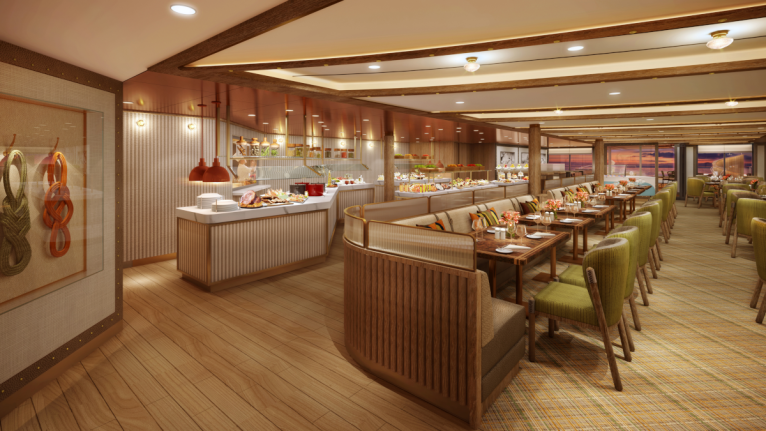
Fine dining
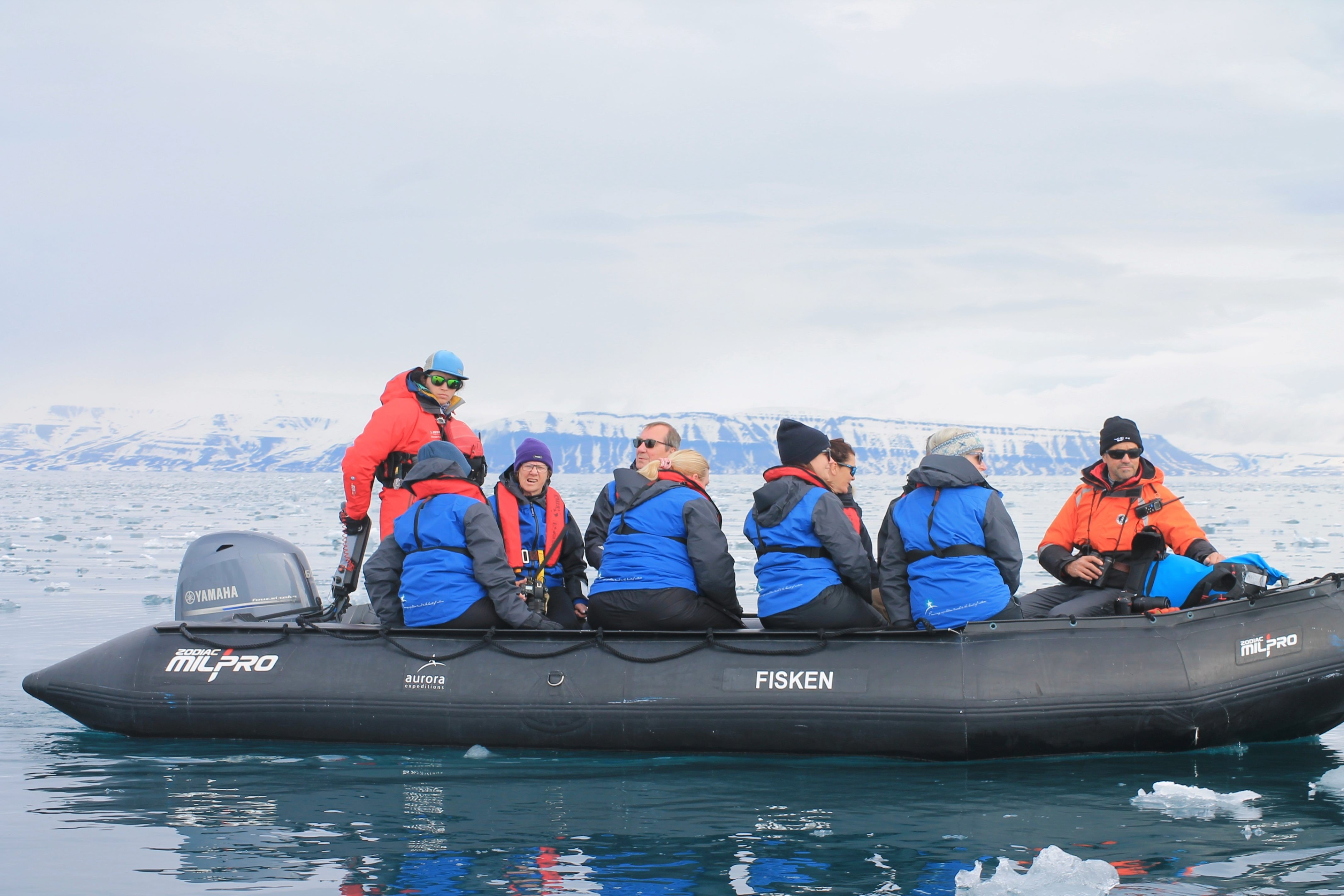
Zodiac tours and landings
Beverages and drinks
Cultural tours and events
Wellness facilities
Onboard lectures
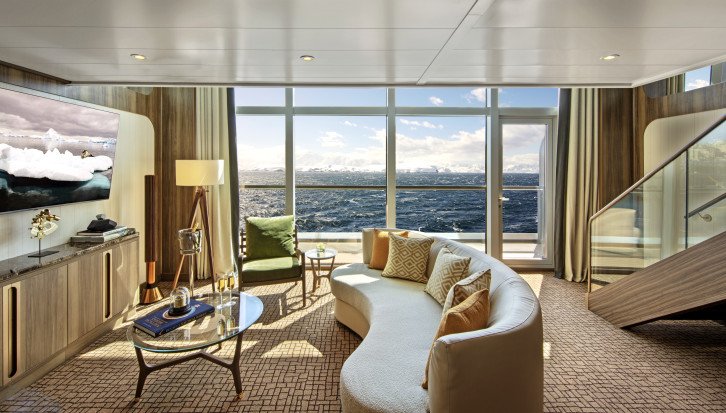
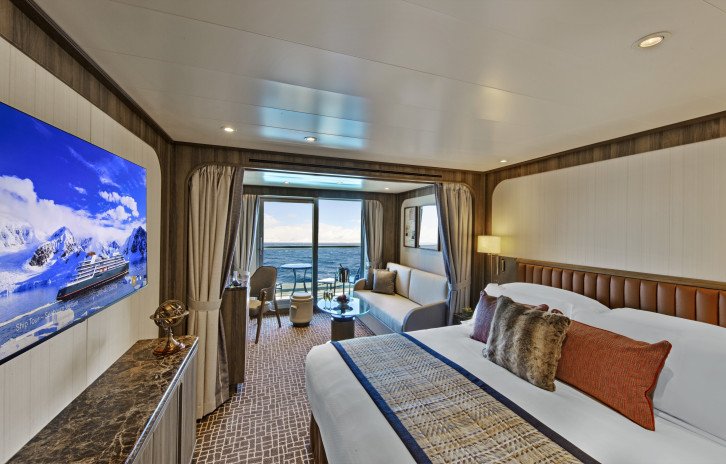
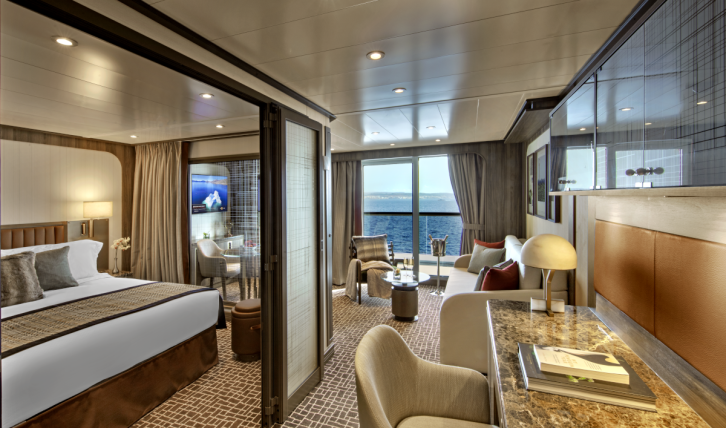
All-suite accommodation
Wi-Fi
Gratuities
Seabourn Venture Ship Facts
Seabourn Venture was launched in 2021
The gross tonnage is 23000
The width of Seabourn Venture is 26 meters
The maximum speed of the ship is 19 knots per hour
The length of Seabourn Venture is 170 meters
The currency taken on Seabourn Venture is USD
Seabourn Venture has 120 cabin crew members
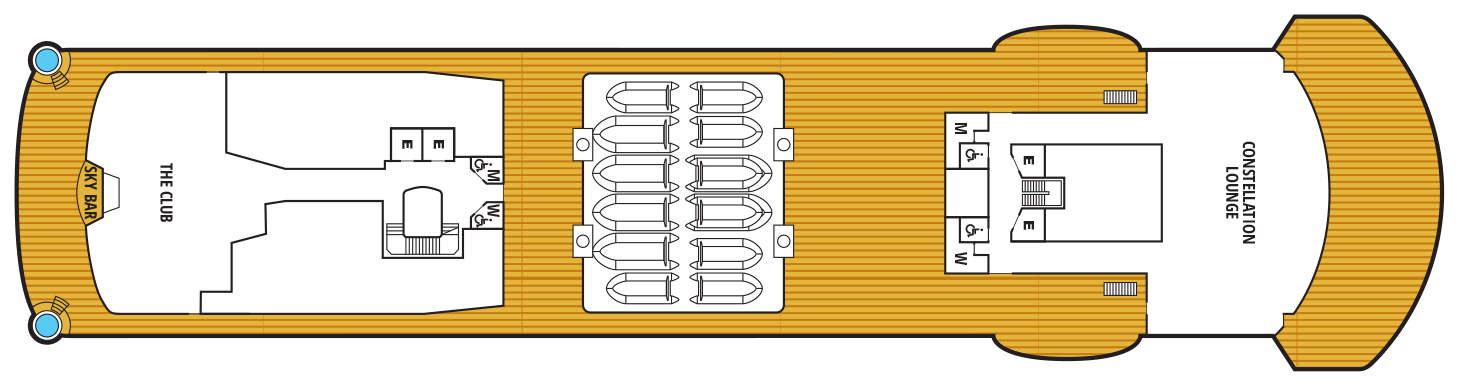
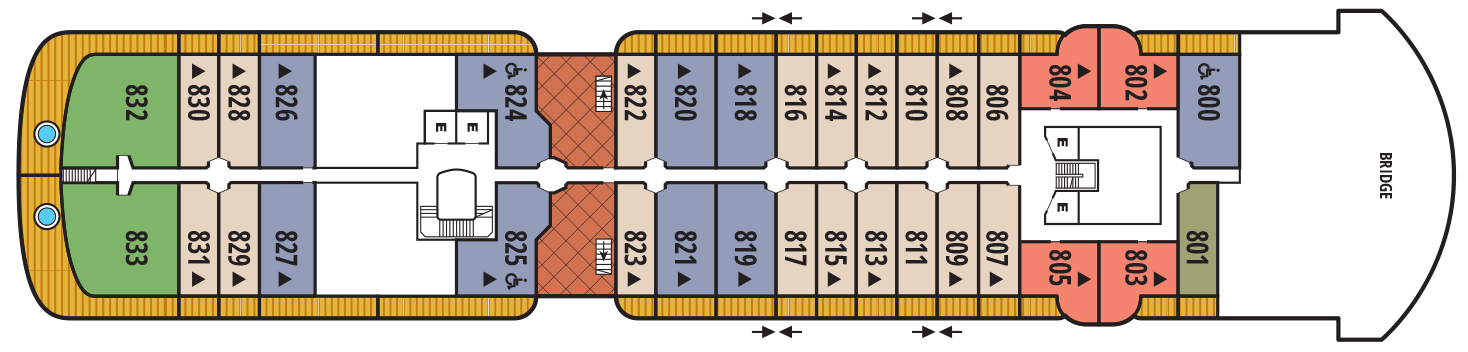
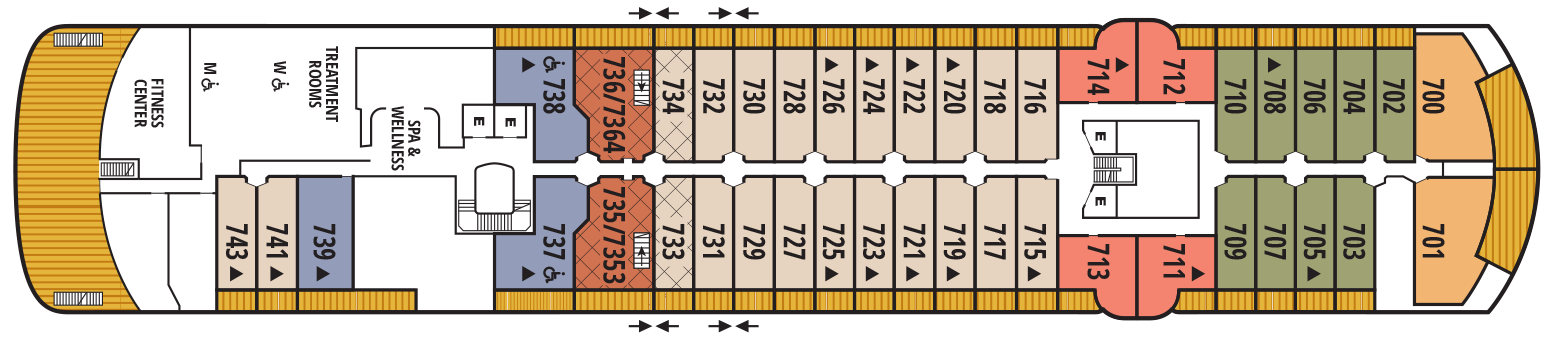
The ship has 8 decks
Seabourn Venture has 132 cabins on board
It also has 5 wheelchair cabins on board
Best Time to Travel
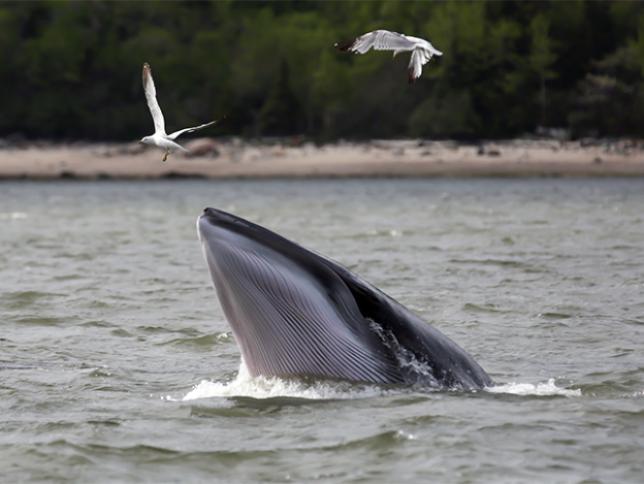
Whales
Whale-watching is an exhilarating experience you may enjoy on an expedition cruise around the UK if you’re lucky enough, either from a Zodiac or on the ship’s observation decks.
Jan
Feb
Mar
Apr
May
Jun
Jul
Aug
Sep
Oct
Nov
Dec
Best time
Good time
Seals
The autumn months are the best time to spot seals around the UK on an expedition cruise, when they move to the coast to breed and give birth to their pups.
Jan
Feb
Mar
Apr
May
Jun
Jul
Aug
Sep
Oct
Nov
Dec
Best time
Good time
Puffins
Puffins come ashore in the UK during late spring and early summer to nest so are most active during the months of May to early July.
Jan
Feb
Mar
Apr
May
Jun
Jul
Aug
Sep
Oct
Nov
Dec
Best time
Good time
Dolphins
Warmer months in the UK bring more feeding activity for dolphins, so they are most likely to be spotted between the summer months of June and August.
Jan
Feb
Mar
Apr
May
Jun
Jul
Aug
Sep
Oct
Nov
Dec
Best time
Good time
Explore Seabourn Venture
The Restaurant
Before Seabourn, open-seating dining on a cruise ship was unheard of. Come when you like, with whom you please, and be seated as you wish. The room is beautiful, the cuisine is exquisite, and the service is simultaneously flawless, friendly and fun.
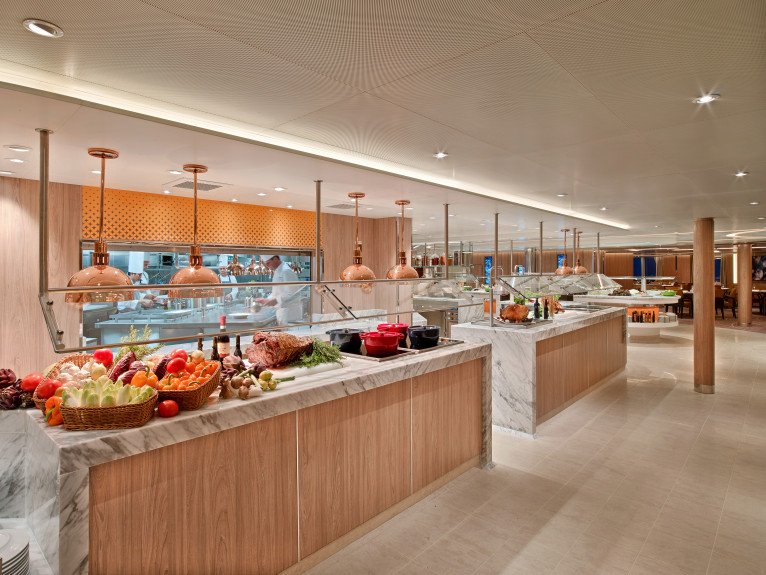
The Colonnade
Our more casual, indoor/outdoor alternative, features an open kitchen, lavish buffets or table service for breakfasts and lunch, and serves regionally themed, bistro-style dinners with table service nightly.
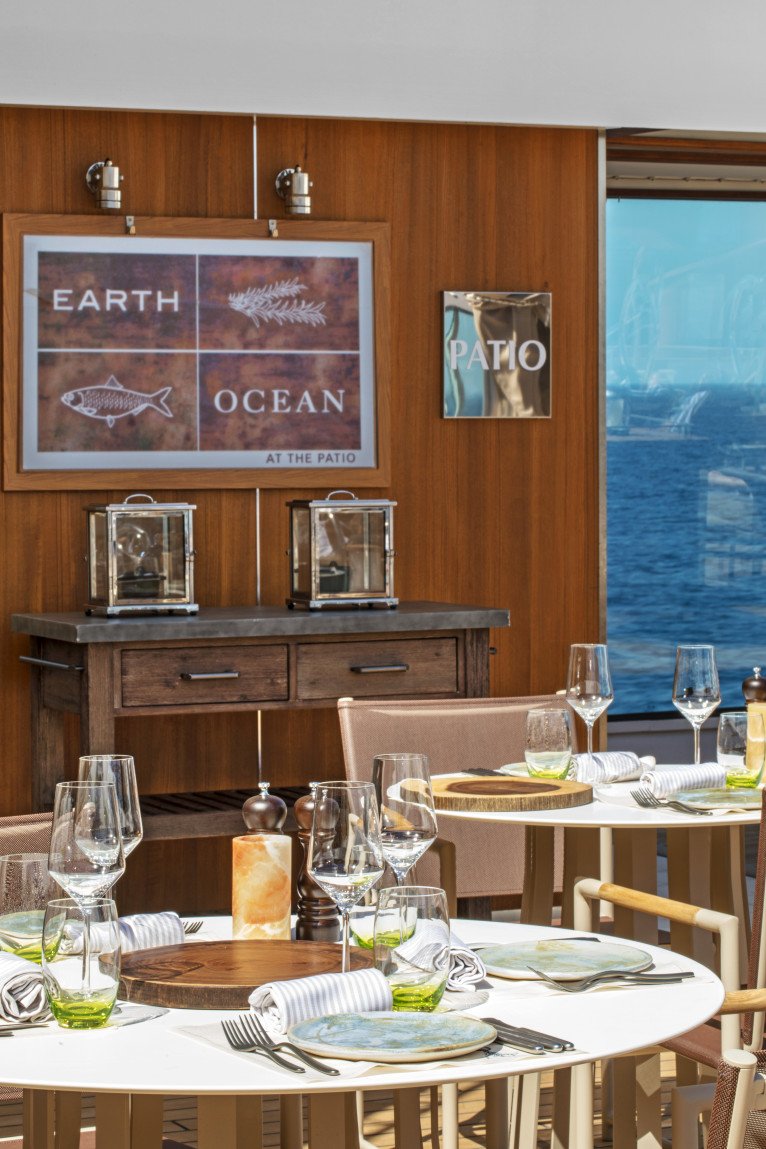
The Patio
Relaxed poolside dining offering luncheon buffets, salads, soups, grilled specialties and freshly baked pizza. Dinners feature a full menu in an alfresco setting.
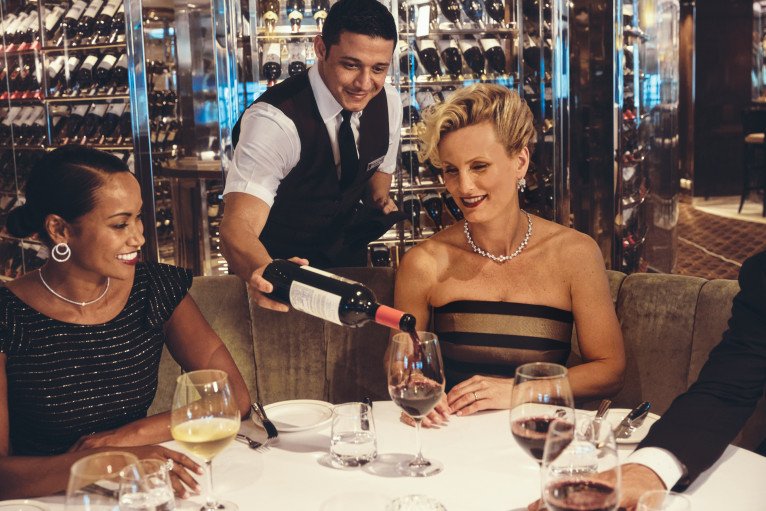
Constellation Lounge
The Constellation Lounge is the highest indoor viewing point on each ship. Floor-to-ceiling glass walls wrap around the space, offering guests stunning 270-degree, outward-facing views as far as their eyes can see, heightening their expeditionary spirit while bringing them closer to wildlife and wonders at sea and in port.
In addition, the expedition team will be in the lounge regularly to help identify points of interest, wildlife and geological wonders. Imagine glimpsing killer whales, waddling penguins, and sea lions in Antarctica; sleepy-eyed sloths, sprightly monkeys, and colorful parrots in the rainforests of South and Central America; and icebergs bobbing in the seas and waterfalls rushing over cliffs in the far reaches of the Arctic and Northern Europe – all from the comfort of the Constellation Lounge.
The Constellation Lounge offers Seabourn’s popular Early Morning Riser continental breakfast, while afternoons features the line’s popular and recently enhanced Afternoon Tea service. Steeped in the tradition of proper English tea service, yet as fresh and memorable as a newly brewed pot, the elegant daily tea service incorporates the finest luxury tea brand TWG Tea. As the sun dips and the night sky lights up, live piano entertainment delights guests as cocktails and tapas are served both before and after dinner.
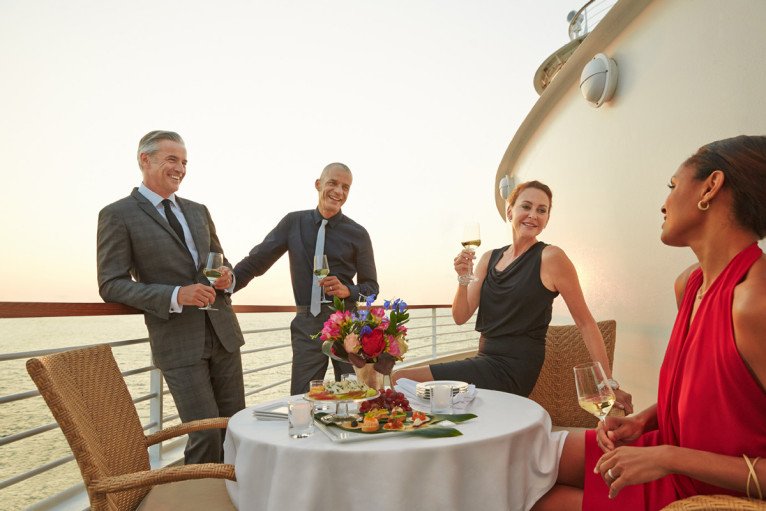
In-Suite Dining
Seabourn is pleased to offer a varied menu available around the clock for service in your suite. You may also order dinner from The Restaurant menu and have your meal served, course by course, in your suite or on your veranda.
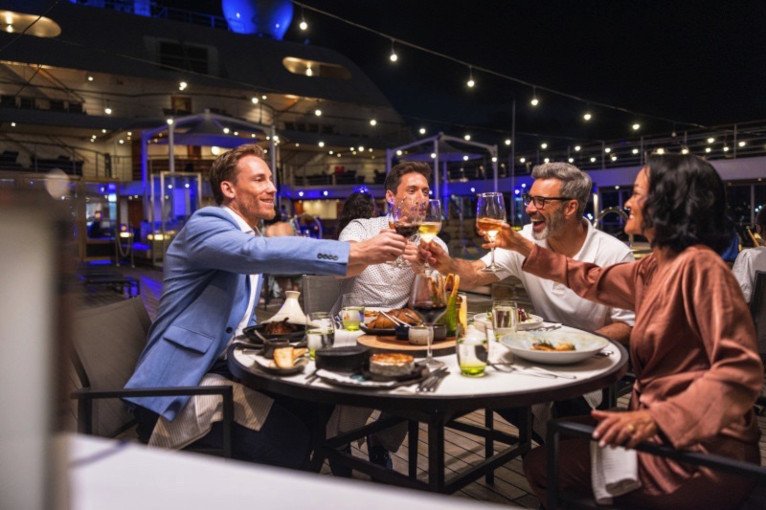
Earth & Ocean
Each evening, our skilled Earth & Ocean chefs create an imaginative array of fresh, inventive dishes—a sophisticated menu celebrating eclectic traditional flavors from around the world, served in a relaxed setting under the stars for a distinctive dining experience unlike any other on board.
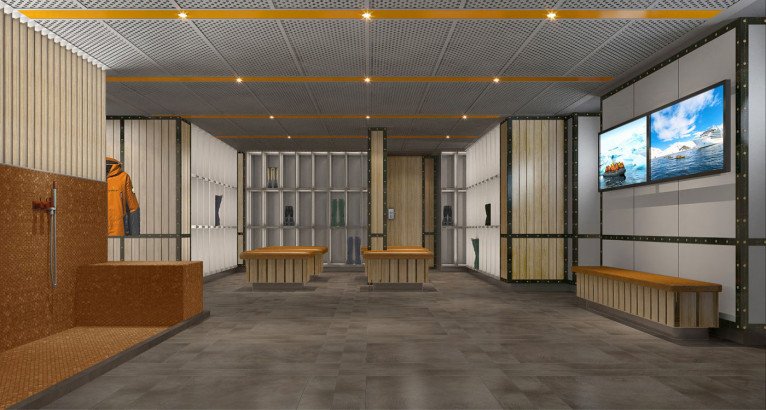
Ventures By Seabourn®
More and more of our guests relish the opportunity to engage with destinations in a more interactive, experiential and participatory way. We created Ventures by Seabourn® to provide these travelers with exciting, adventurous optional activities that are expertly planned, professionally operated and escorted by skilled expert guides.
Enhance..
On select sailings featuring Ventures by Seabourn® excursions, share your voyage with a knowledgeable, experienced expedition team of scientists, scholars, naturalists and more. These fascinating, accomplished experts will be part of our complimentary Seabourn Conversations program, providing you an in-depth understanding of the history, ecology and culture of the places you visit. On board, their valuable insights are offered both in formal presentations and in more casual conversations over meals or at leisure.
Extend
In select ports of call and destinations, optional Ventures by Seabourn® excursions, guided by our Expedition Team, invite you to explore spectacular destinations on exhilarating sea-level adventures. Launching from your ship on board our fleet of sturdy, Zodiac® boats or paddling in double sea kayaks, these adventures will vary depending on your itinerary, but include thrills such as cruising picturesque fjords and waterways, trekking on scenic islands, viewing birds, seals, whales and other wildlife up-close, and surveying massive, white-blue icebergs.
Ventures by Seabourn vs Excursions: What's the Difference?
First launched in 2013, Ventures by Seabourn was introduced for guests who have dreamed of experiencing a Seabourn expedition, but are unable to sail on one of our expedition ships.
Unlike traditional shore excursions, the expedition team is placed aboard select sailings to offer knowledge, commentary, education on the destinations, and to lead hikes, Zodiac cruises, and kayaking in remote areas. It allows Seabourn guests to experience expedition-style encounters with the landscapes, but do it on the traditional Seabourn ships that our guests know and love.
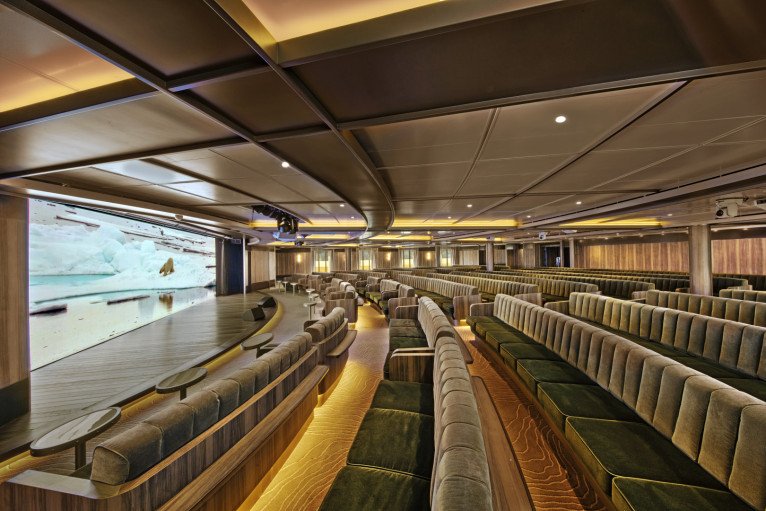
Discovery Centre
The Discovery Center, which is adjacent to the Expedition Lounge on Deck 4, acts as the teaching & academic center for natural history and cultural programming in an environment spacious enough to accommodate all guests at one time. Each day, guests will visit this venue for insightful lectures, briefings, and Seabourn Conversations enrichment programming designed to help educate them throughout their expedition experience. The world-class 26-person expedition team of wilderness experts, scientists, historians and naturalists will deliver rich, insightful lectures and discussions on a broad array of topics related to the region where guests are sailing. Inspired by the compelling landscape of some of the expedition destinations, the Discovery Center incorporates the organic shapes of topography maps against the elegant curves of the plush custom seating.
Audio-visual experiences will come to life through high-definition screens 2.5 meters high by 10 meters wide, showing a variety of programming to create a captivating experience that whets the appetite and creates excitement for each destination.
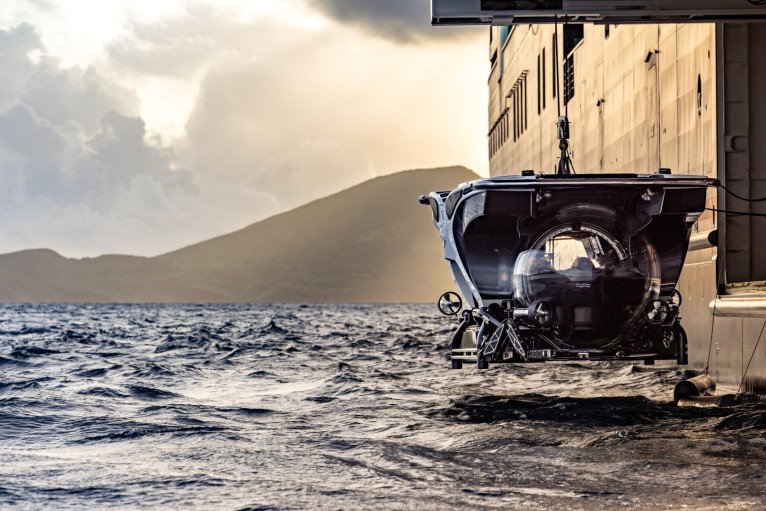
Shore Experiences By Seabourn
Our guests travel with us because they want to see, hear, learn and discover new places and experiences. To ensure that our guests have memorable and enriching experiences in the over 450 ports of call we offer annually, we contract the best local agents to create and operate some 12,000 carefully curated shore experiences, offering our guests a range of choices in duration, content and the type of activity involved to fully satisfy their wishes. To assist our guests in choosing among these numerous excursion options, we are categorizing our overall Shore Experiences by Seabourn into seven ‘Collections,’ according to the general interests they are designed to captivate.
The Cultural Collection The Cultural Collection explores the arts, ideas and legacy of places, including access to UNESCO World Heritage sites around the world.
The Bespoke Collection The Bespoke Collection affords guests opportunities to customize their shore experiences by arranging private cars and drivers, guides, yachts, reservations and other services in ports of call
The Adventure Collection The Adventure Collection is an array of excursions offering guests active and participatory experiences in ports, including Ventures by Seabourn™ and expedition excursions on our Expedition ships.
The Mindful Living Collection The Mindful Living Collection consists of guided shoreside experiences in Mindful Living, designed in partnership with world-renowned integrative medicine pioneer.
The Epicurean Collection The Epicurean Collection invites guests to explore the unique flavors of a destination by indulging their passion for tasting both traditional and contemporary foods and drinks.
The Essential Collection The Essential Collection offers shorter-duration introductory experiences such as guided walking tours, allowing guests with general interest to learn the highlights about a port.
The Journeys Collection The Journeys Collection offers escorted pre-, post- and mid-cruise overland experiences of two to 13 days, exploring iconic landmarks impossible to visit during a scheduled port call.
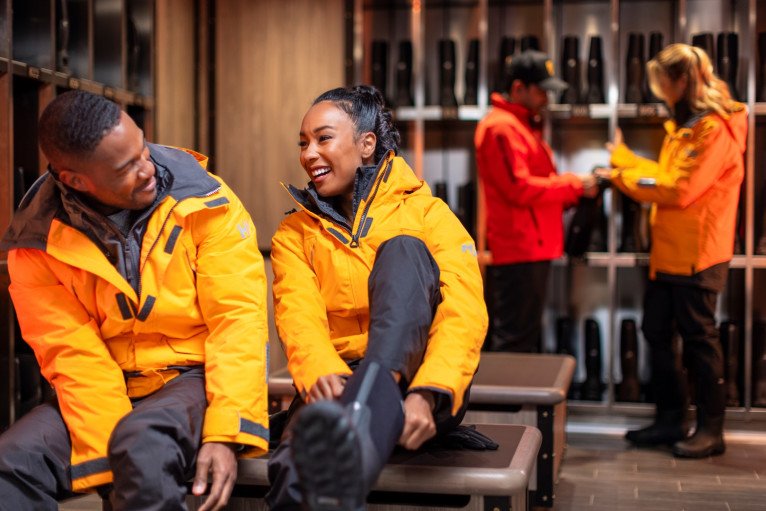
Landing Zone
The Landing Zone is the area where exploration begins. There are two landing zones, port and starboard side on Deck 3. The launch and recovery point for landings, it's a spacious environment where guests change and clean their gear in comfort, as well as a place to store excursion essentials like boots. It's designed for functionality, accessibility and ease, offering direct access to one of the 24 Zodiacs available for Ventures by Seabourn® adventures. In tropical areas, it's the place to kick off scuba, snorkelling and similar undersea adventures.
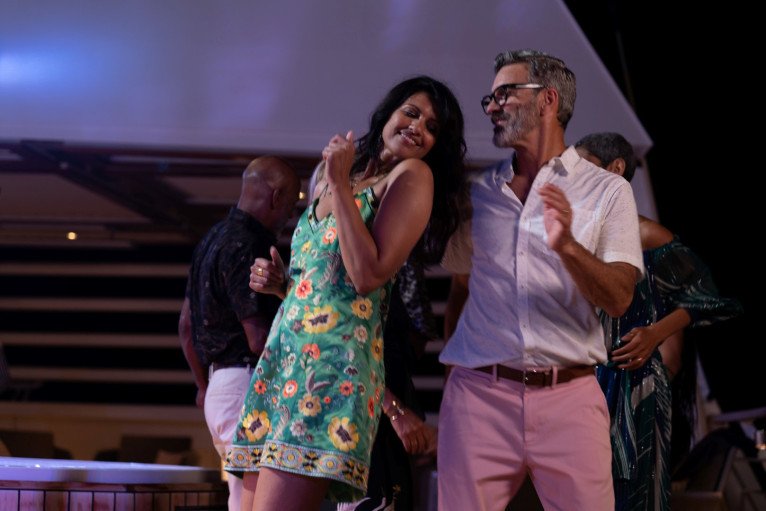
Shopping With The Chef
Shopping with the Chef — at local food markets. Shop a bustling Sicilian market, gather spices in Istanbul or explore the local wines of Tuscany and Provence. Wherever you are in the world, you'll enjoy an insider's look at unique regional markets with an expert Seabourn chef as your guide

Seabourn Conversations
The art of conversation has always been central to the Seabourn experience.
Our voyages attract interesting, interested people –people who enjoy talking together, sharing their interests, their adventures and discoveries, and their life stories with longtime and newfound friends. Their enthusiasms and curiosity are far-ranging, and these are what spark their desire to travel the world.
To encourage and enhance this satisfying aspect of your Seabourn voyage, we invite luminaries of particular interest and accomplishment to join our guests on board – and bring fascinating insights, expert opinions and delightfully entertaining diversions to the conversation.
Daring explorers, heralded chefs, learned scholars, celebrated performers and renowned experts from every arena of the arts, sciences, politics and the humanities share your journey on our intimate ships. They each bring skilled presentations of their expertise for guests to enjoy. But just as importantly, they participate in the daily social scene, sharing meals, adventures ashore and casual chats throughout the voyage. On some ships, they lecture. On Seabourn, they join the conversation.
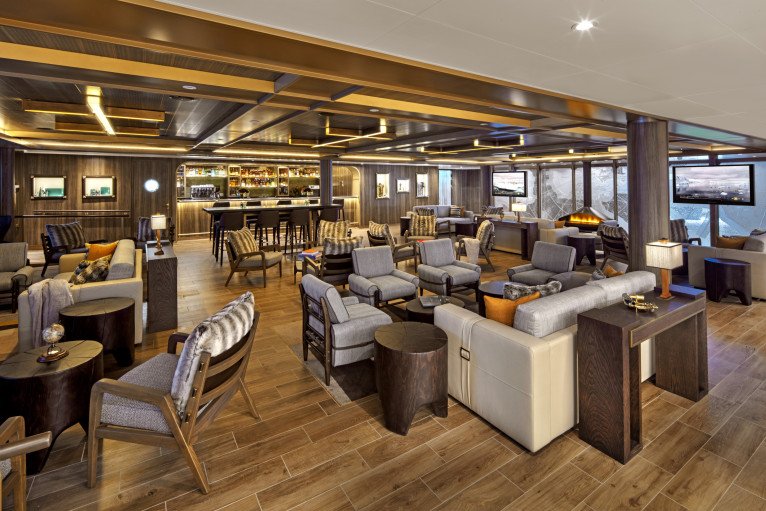
Expedition Lounge
The Expedition Lounge, located on Deck 4, is the heart of the ship. A gathering place for the curious, guests are invited to relax or linger with a complimentary cocktail or glass of fine wine from the bar as they share photos and stories from the day with their fellow travelers and the onboard staff. The Expedition Lounge will be central to the Seabourn expedition operation where guests convene before and after expeditions each day.
Custom furniture designed in a variety of warm, natural materials creates an inviting, tactile atmosphere. An ode to the adventurous, the Expedition Lounge features an etched glass partition displaying a vintage map of Antarctica and vitrines showcasing intricate tools and devices of the trade. Two large touchscreens will also display a wealth of information including photos, navigational charts, weather charts, and maps.
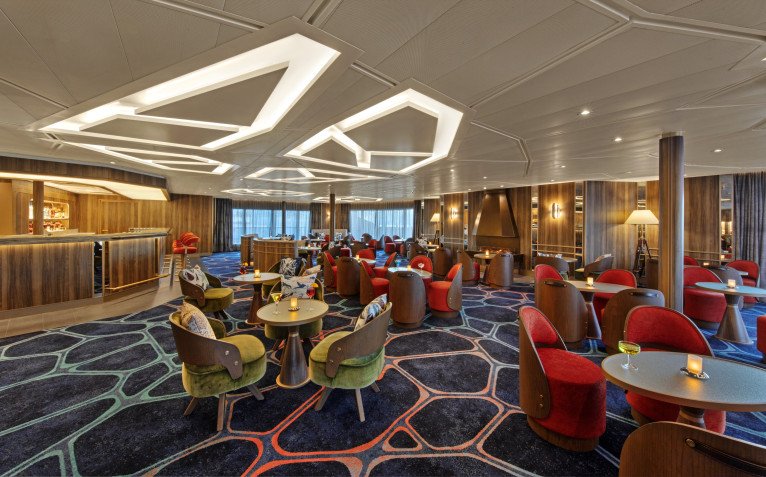
The Club
The liveliest lounge on board is the scene of daily afternoon tea service. It is a popular spot for pre-dinner drinks and dancing to live music. After dinner, the dancing music continues, and later a DJ spins dance music until late at night. Another terrace of open deck aft of The Club boasts a plunge pool and two small whirlpool spas.
Seabourn Sojourn, Seabourn Quest, Seabourn Venture, and Seabourn Pursuit offer Sushi in The Club, serving a variety of light sushi bites freshly made to order each evening.
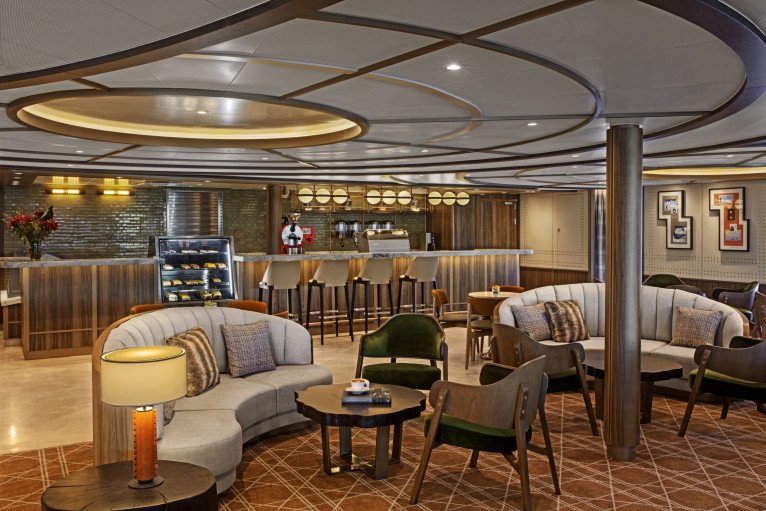
Seabourn Square
A place to enjoy some light reading or to socialize with your fellow passengers, Seabourn Square is what you're looking for. Seabourn Square is the true ‘living room’ of the ships. An inviting sociable space where guests will find a charming European style coffee bar, Seabourn Square has been designed as an open, comfortable environment for guests to interact with onboard officers and the expedition team and engage in conversation with family and new friends. The space is also home to the highly-trained Guest Services staff, who provide a range of concierge services such as general ship information, assistance with special service requests, port and travel information, and more.
A selection of coffees are prepared by the skilled onboard baristas some using beans roasted in Seabourn Square. For those feeling a bit hungry, Seabourn Square offers freshly made pastries and other on-the-go breakfast items in the morning, as well as an assortment of light sandwiches and desserts later in the day, along with a selection of artisanal gelati made on board. Guests will also find a wide range of books in the adjoining library, with a host of titles on subjects such as adventure, expeditions and other topics of interest to enjoy while onboard. Staying current with the news is made easy with tablets featuring the Press Reader news application available to browse each day.
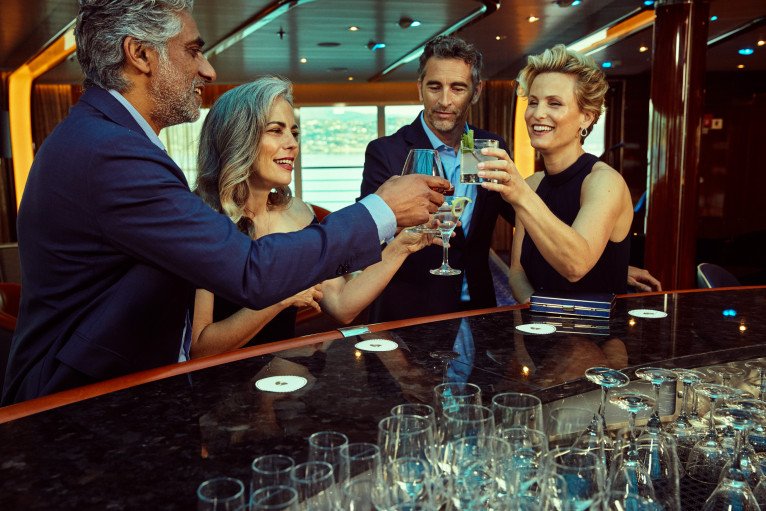
Bow Lounge
Located on Deck 6, at the forward-most part of the vessel, the Bow Lounge provides the closest access to water level via the foredeck, making it the perfect spot for guests to spend some time watching for marine life. Within a few steps, guests can be outside, with a vantage point that is ideal to watch the ship’s course, spot wildlife, or take in the beautiful natural scenery.
The Bow Lounge introduces some technological enhancements, providing guests with a first for Seabourn with touch screens showing the ship’s plotted location, as well as navigational charts and scientific information used to help guide the ship on its journey. Large screens project live footage from mounted cameras outside the ship, and from a drone when conditions permit, while the touch screen monitors invite guests to explore on their own with a live map, weather information, and notes detailing upcoming expeditions. Expedition Team members will be available within the Lounge throughout the day to interact with guests, answer questions, provide interpretation and aid in spotting wildlife.
The space provides direct access to the Bow Sprit on Deck 6 forward (when conditions permit) to give guests the sensation of standing in front of the ship and views of waves parting and ice sloughing off the bow at the waterline.
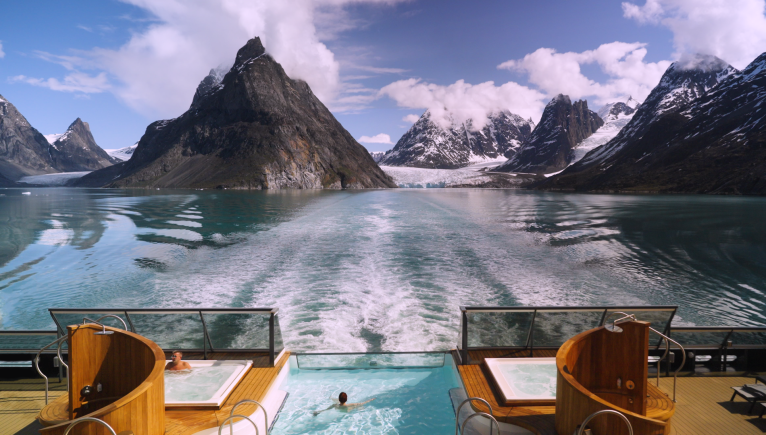
Sky Bar
Overlooking the beautiful Pool Patio, the open-air Sky Bar presents you with a gorgeous setting to take a break from the afternoon sun while enjoying a refreshing tropical beverage, or spend the evening enjoying a few social cocktails under the stars.
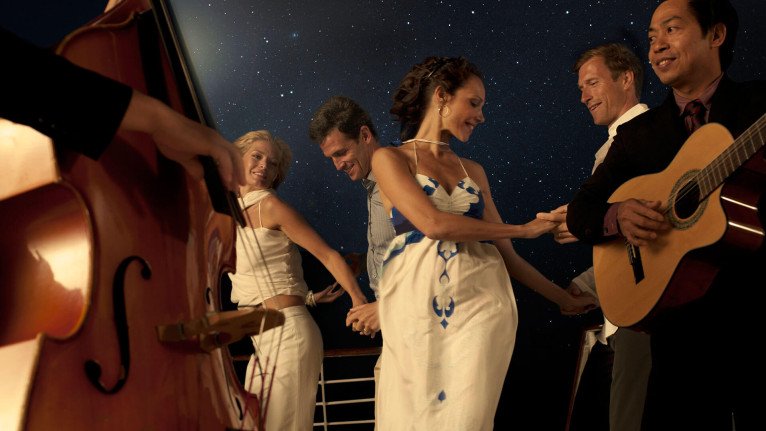
Evenings Under The Stars
One of the most FUN evenings during any cruise, Evenings Under the Stars is a night where guests can let their hair down and simply be in the moment. Enjoy Let’s Dance! with great live music, interact with fellow travelers and be spoiled in true Seabourn style by our food and beverage team with Desserts Under the Stars. A signature event, this dance party has been a part of the line’s rich culture, and a Seabourn cruise is not complete without Let’s Dance! and Desserts Under The Stars.
Weather permitting, this high-energy dance party is hosted poolside and under the stars by the entire entertainment team, featuring performances by The Band, vocalists and dancers. There is even the possibility your Cruise Director and Assistant Cruise Director might jump on stage to perform, as well! Guests can expect music that appeals to everyone’s taste with a great mix of hit songs. It’s a real treat and guests LOVE Evenings Under the Stars!

Card Room
Many veteran cruisers specifically choose cruises that provide at least a few days at sea. The Card Room is a great choice for the sea-loving cruiser who craves that languorous feeling of lazy leisure. There will be loads of on board activities during those days, including a great game of bridge.

Meeting Room
For meetings and gatherings, our ships offer meeting rooms that can accommodate up to 40 guests. The meeting rooms can be arranged to guests’ specifications including theater-style or with tables; and each of the rooms have large-screen TVs for presentations. Guests may also reserve the Card Room when available. Our crew members are happy to assist guests with meeting room reservations and setup.
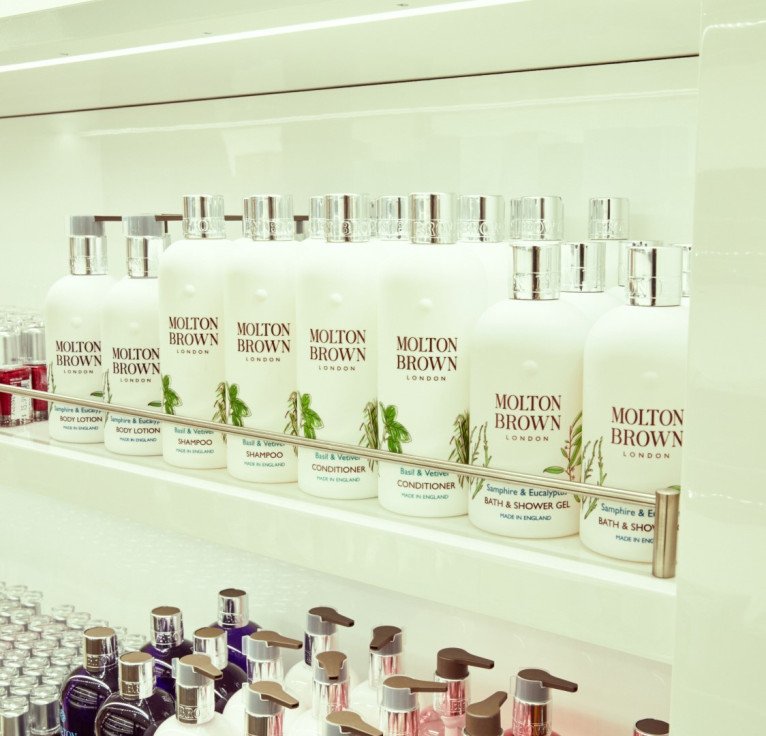
Onboard Shopping
Whether you're buying souvenirs for your friends at home or want a memento of your vacation, our Shops will have what you need. Shop for fashion and cosmetics at The Boutique, jewelry and fine watches at The Collection, or logo cruisewear at the Shop.
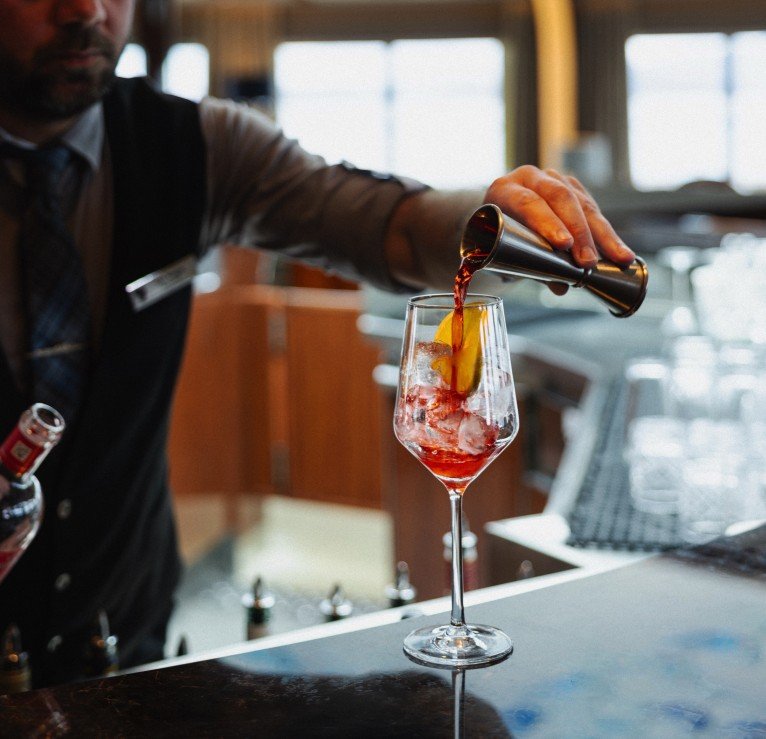
Zero @ Sea
A Zero-proof cocktail experience featuring a unique array of non-alcoholic cocktails
Zero @ Sea offers an inventive menu of mixology cocktails, with ingredients and flavors free of alcohol, such as elderflower, bursts of fresh citrus, botanical spirits, and more.
Zero @ Sea cocktails are available fleetwide in all bars and lounges aboard the ships together with an upgraded selection of nonalcoholic wines, sparkling wines, and beers.
The new cocktails were developed by Seabourn’s expert culinary and beverage team, led by Michael Simon, senior manager of restaurant and bar operations, and Francisco Fernandes, corporate manager service operations.
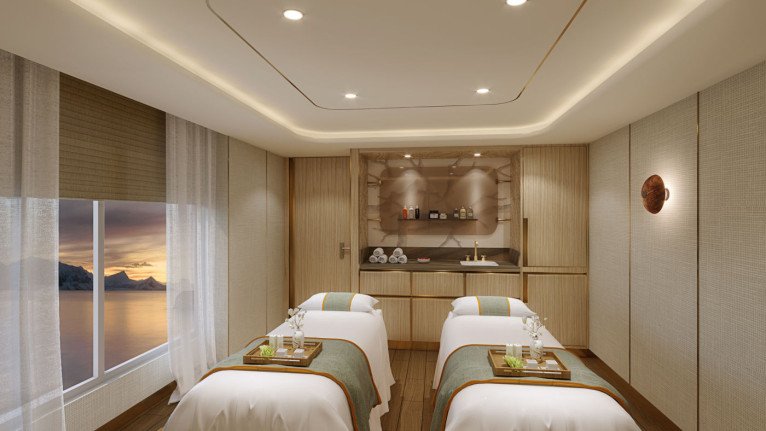
Spa & Wellness
Seabourn’s spas offer a wide spectrum of massages, facials, and beauty treatments, blending traditional practices from around the world with the most up-to-date techniques. Seabourn’s spas are suitable for guests wishing to maintain a personal fitness regime or discover a new one. A well-equipped ocean-view gym and Motion Studio is staffed by professional fitness trainers, and a full-service salon for men and women complement the spas.
SPA AND FITNESS SERVICES INCLUDE*
Skilled therapists offer a full range of body and facial services including massage, detox, cleansing and wrap therapies and more
Full-service salon for men and women
Fitness Director to create your ideal regime
Fitness centers with ocean views, offering state-of-the-art fitness equipment
Motion Studio offering yoga and meditation, Crystal Sound bath, TRX and stretch classes, and more
Personalized spa services are also offered in a dedicated Spa Cabana at The Retreat, our serene enclave atop Seabourn Encore and Seabourn Ovation, available by reservation
Unique to Seabourn Venture and Seabourn Pursuit: Glass-walled saunas with expansive ocean views
*Class offerings may vary by ship.
Infinity Pool
Offering the perfect setting for a sunny afternoon, the swimming pool is surrounded by an expansive sundeck with chaise lounges, shaded seating, two large whirlpool spas, and is within steps of the Patio Grill. Sun loungers and cabanas are arrayed in a mix of sun and shade. A stage provides occasional live music for dancing.
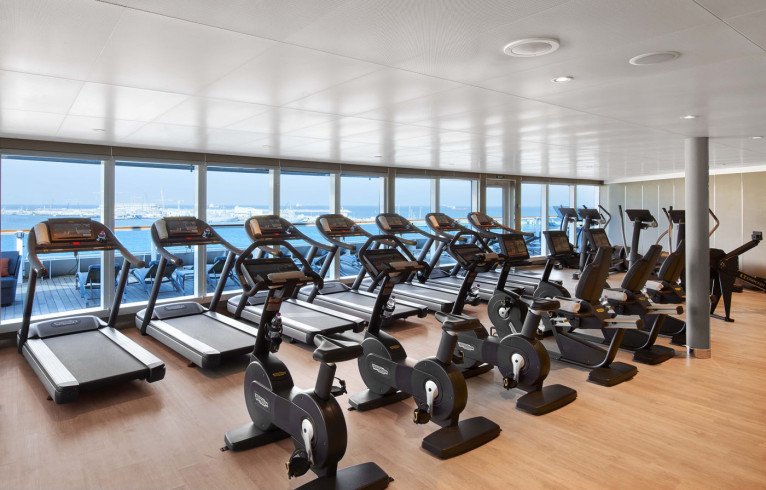
Fitness Centre
Spa & Wellness, our onboard wellness program, focuses on mindful living (along with some major pampering). This carries through to both spa experiences and fitness and wellness classes, all offered by on-board wellness experts. And if you're not taking part in one of the wellness programs, it's just a good place to grab a great workout, with state-of-the-art equipment and luxurious amenities.
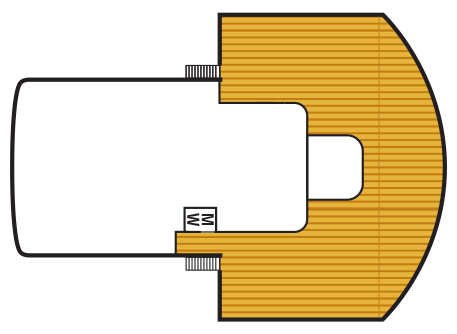
Seabourn Venture Cabins & Suites
Grand Wintergarden Suite
All Grand Wintergarden Suites onboard Seabourn Venture feature a comfortable living area; private veranda; queen-size bed or two twin beds; walk-in closet; personal safe; interactive TV with music and movies; fully stocked bar and refrigerator; writing desk with personalised stationery; makeup vanity; spacious bathroom, separate tub and shower, plush robes, slippers, luxury health and beauty products, hairdryer and 110/220V AC outlets.
Expansive apartment-style suite stretching over two decks located midship. Entry opens to seamless double height views and generous lower level living area large enough for entertaining with a dining table for four, separate guest bath and pantry with wet bar stocked with a customised selection of spirits. Sculptured staircase leading to upper level and the master bedroom with a queen-sized Duxiana Axion 15 adjustable high-performance sleep system facing expansive windows, a wall of closets along with advanced technology including a roll-up LG OLED TV. Separate walk-in closet adjacent to the five-piece bathroom complete with a whirlpool spa tub and separate shower. Wintergarden suite guests also enjoy wildlife and vista spotting using a Swarovski ATX Interior spotting scope. The tripod-mounted scope, with its 25-60x85 lens capability, is for use in-suite while onboard. Entertainment experience features a high-end Bang & Olufsen Beolab 5 speaker system and Bang & Olufsen H4 Bluetooth headphones for guest use onboard.
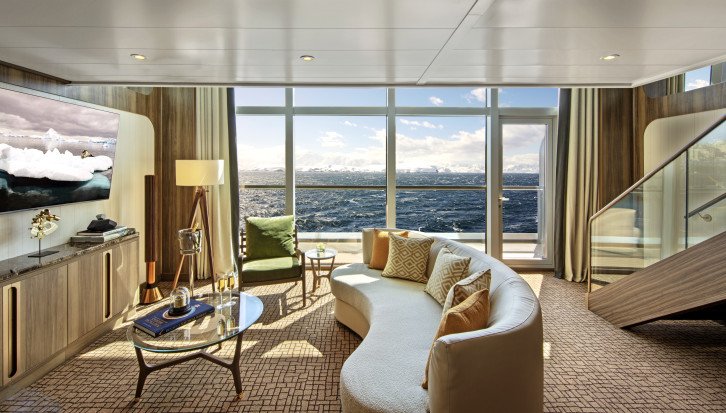
All Wintergarden Suites onboard Seabourn Venture feature a comfortable living area; private veranda; queen-size bed or two twin beds; walk-in closet; personal safe; interactive TV with music and movies; fully stocked bar and refrigerator; writing desk with personalised stationery; makeup vanity; spacious bathroom, separate tub and shower, plush robes, slippers, luxury health and beauty products, hairdryer and 110/220V AC outlets.
Expansive apartment-style suite stretching over two decks located midship. Entry opens to seamless double height views and generous lower level living area large enough for entertaining with a dining table for four, separate guest bath and pantry with wet bar stocked with a customised selection of spirits. Sculptured staircase leading to upper level and the master bedroom with a queen-sized Duxiana Axion 15 adjustable high-performance sleep system facing expansive windows, a wall of closets along with advanced technology including a roll-up LG OLED TV. Separate walk-in closet adjacent to the five-piece bathroom complete with a whirlpool spa tub and separate shower. Wintergarden suite guests also enjoy wildlife and vista spotting using a Swarovski ATX Interior spotting scope. The tripod-mounted scope, with its 25-60x85 lens capability, is for use in-suite while onboard. Entertainment experience features a high-end Bang & Olufsen Beolab 5 speaker system and Bang & Olufsen H4 Bluetooth headphones for guest use onboard.
Wintergarden Suite Features
Large windows
Glass door to private veranda
Comfortable living area
Dining for four
Separate bedroom
Queen-size bed or two twin beds
Walk-in closet
Two flat-screen TVs
Complimentary Internet/Wi-Fi service.
Fully stocked bar and refrigerator
Makeup vanity
Guest bath
Bathroom with whirlpool bathtub
*Wheelchair accessible suites are roll-in shower only.
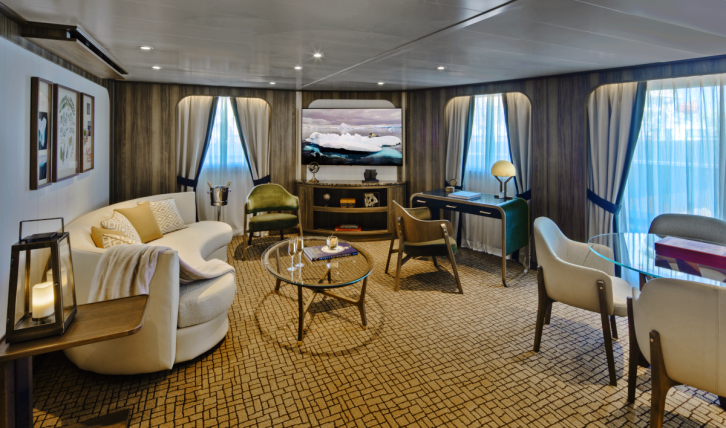
All Signature Suites onboard Seabourn Venture feature a comfortable living area; private veranda; queen-size bed or two twin beds; walk-in closet, personal safe; interactive TV with music and movies; fully stocked bar and refrigerator; writing desk with personalised stationery; makeup vanity; spacious bathroom, separate tub and shower, plush robes, slippers, luxury health and beauty products, hairdryer and 110/220V AC outlets.
Foyer entry to living area with high-definition TV, dining table for four, guest bath, pantry with wet bar and large windows. Separate bedroom with queen-sized bed, makeup vanity, generous closet space and a glass door leading to a large curved 595 square foot veranda that includes its own canopied whirlpool spa tub, sun loungers, sofa and chairs. A five-piece bathroom with a separate shower and tub.
Signature Suite Features
Large windows
Glass door to private veranda
Comfortable living area
Dining for four
Separate bedroom
Queen-size bed or two twin beds
Walk-in closet
Two flat-screen TVs
Complimentary Internet/Wi-Fi service.
Fully stocked bar and refrigerator
Makeup vanity
Guest bath
Bathroom with whirlpool bathtub
*Wheelchair accessible suites are roll-in shower only.
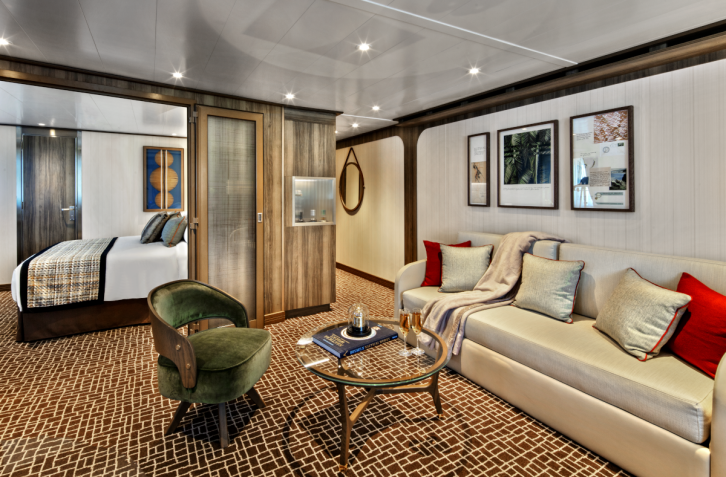
Owner's Suites on Seabourn Venture feature a comfortable living area; private veranda; queen-size bed or two twin beds; extra-large walk-in closet for expedition gear; personal safe; interactive flat-screen TV with music and movies; fully stocked bar and refrigerator; writing desk with personalised stationery; makeup vanity; spacious bathroom with double vanities, tub and shower, plush robes, slippers, hairdryer and 110/220V AC outlets.
Entry with large closet to store gear and personal belongings. Comfortable living area with high-definition TV, writing desk and dining table for two for meals in-suite. Glass door leading to a curved veranda with sun loungers and a table for four. Separate bedroom with queen-sized bed has its own high-definition TV, a large window, makeup vanity and walk-in closet. Five-piece bathroom designed with multiple doors that can create a half-bath, and also features a separate shower and bathtub.
Owner's Suite Features
Large windows
Glass door to private veranda
Comfortable living area
Dining for four
Separate bedroom
Queen-size bed or two twin beds
Walk-in closet
Two flat-screen TVs
Complimentary Internet/Wi-Fi service.
Fully stocked bar and refrigerator
Makeup vanity
Guest bath
Bathroom with whirlpool bathtub
*Wheelchair accessible suites are roll-in shower only.
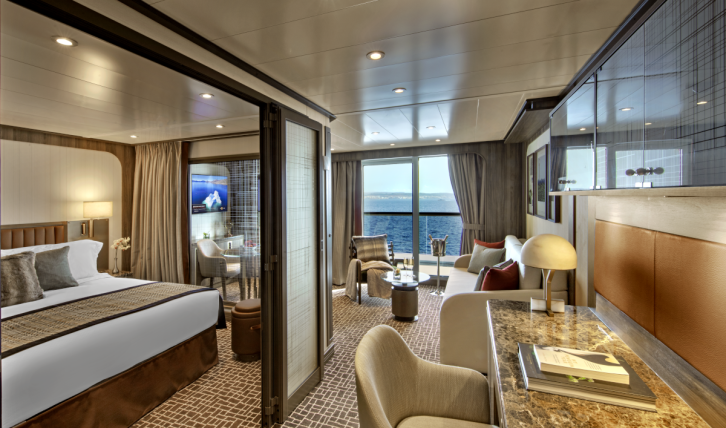
Approximate total space: 527 sq. ft. (49 sq. m.) including veranda of 97 sq. ft. (9 sq. m.) All Penthouse Suites feature a comfortable living area; private veranda; queen-size bed or two twin beds; walk-in closet; personal safe; interactive TV with music and movies; fully stocked bar and refrigerator; writing desk with personalized stationery; makeup vanity; spacious bathroom, separate tub and shower, plush robes, slippers, luxury health and beauty products, hairdryer and 110/220V AC outlets.
Penthouse Suite Features
Large windows
Glass door to private veranda
Comfortable living area
Dining for four
Separate bedroom
Queen-size bed or two twin beds
Walk-in closet
Two flat-screen TVs
Complimentary Internet/Wi-Fi service.
Fully stocked bar and refrigerator
Makeup vanity
Guest bath
Bathroom with whirlpool bathtub
*Wheelchair accessible suites are roll-in shower only.
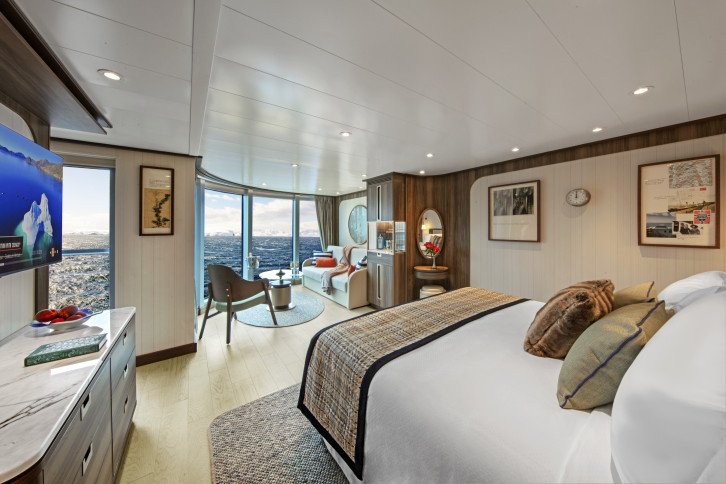
All Panorama Veranda Suites onboard Seabourn Venture feature a comfortable living area; private veranda; queen-size bed or two twin beds; walk-in closet; personal safe; interactive TV with music and movies; fully stocked bar and refrigerator; writing desk with personalised stationery; makeup vanity; spacious bathroom, separate tub and shower, plush robes, slippers, luxury health and beauty products, hairdryer and 110/220V AC outlets.
Semi-circular separate living area with comfortable seating and expansive floor-to-ceiling windows. Queen-sized bed or twin beds oriented to face the windows to enjoy views of beautiful scenery and gorgeous sunrises and sunsets. Bathroom features a separate shower and large soaking tub placed next to a wide window.
Approximate total space: 355 sq. ft. (33 sq. m.) including veranda of 75 sq. ft. (7 sq. m.)* Suites on Seabourn Venture feature a comfortable living area; private veranda; queen-size bed or two twin beds; extra-large walk-in closet for expedition gear; personal safe; interactive flat-screen TV with music and movies; fully stocked bar and refrigerator; writing desk with personalized stationery; makeup vanity; spacious bathroom with double vanities, tub and shower, plush robes, slippers, hairdryer and 110/220V AC outlets.
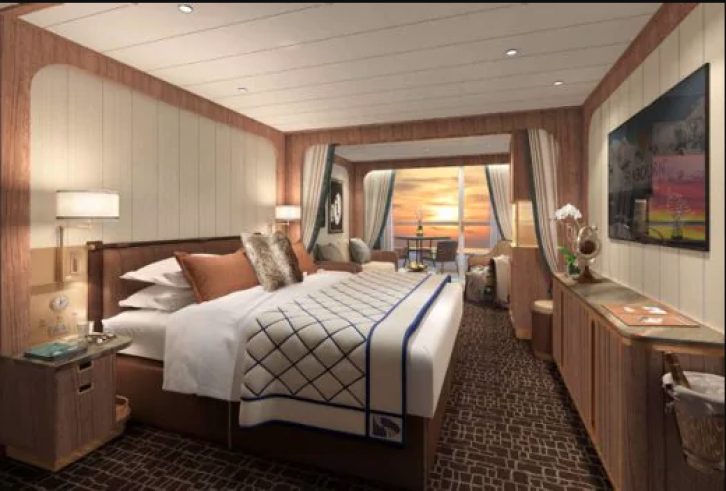
A large picture window
Comfortable living area
Queen-size bed or two twin beds
Walk-in closet
Interactive flat-screen television with music and movies
All Veranda Spa Suites onboard Seabourn Venture feature a comfortable living area; private veranda; queen-size bed or two twin beds; walk-in closet; personal safe; interactive TV with music and movies; fully stocked bar and refrigerator; writing desk with personalised stationery; makeup vanity; spacious bathroom, separate tub and shower, plush robes, slippers, luxury health and beauty products, hairdryer and 110/220V AC outlets.
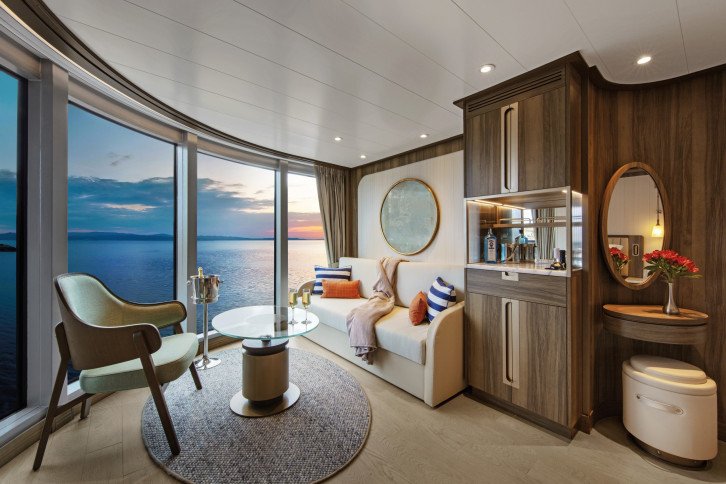
Suites 513-516, 611-614, 711-714, 802-805; Total space: 417 sq. ft. (39 sq. m.) incl. veranda of 85 sq. ft. (8 sq. m.) All Panorama Veranda Suites feature a comfortable living area; private veranda; queen-size bed or two twin beds; walk-in closet; personal safe; interactive TV with music and movies; fully stocked bar and refrigerator; writing desk with personalized stationery; makeup vanity; spacious bathroom, separate tub and shower, plush robes, slippers, luxury health and beauty products, hairdryer and 110/220V AC outlets. *Some veranda sizes vary. Panorama Penthouse Suite Features
Large windows
Glass door to private veranda
Comfortable living area
Dining for four
Separate bedroom
Queen-size bed or two twin beds
Walk-in closet
Two flat-screen TVs
Complimentary Internet/Wi-Fi service.
Fully stocked bar and refrigerator
Makeup vanity
Guest bath
Bathroom with whirlpool bathtub
*Wheelchair accessible suites are roll-in shower only.
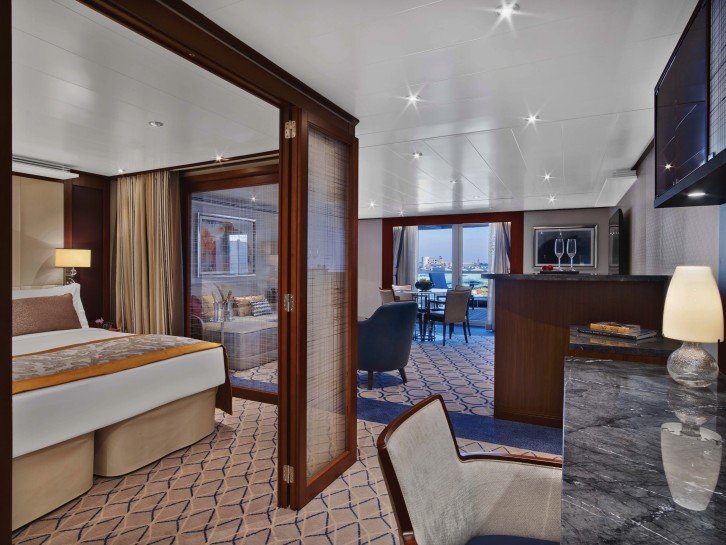
Penthouse Spa Suite
Penthouse Spa Suites on board feature a comfortable living area, glass door to private veranda, queen-size-bed or two twin beds; walk-in closet with personal safe, interactive flat-screen TV, fully stocked bar and refrigerator and spacious marble bath with double vanities.
Specialist Cruise Concierge and Expedition Specialist
Andrew W
Sales Manager for SixStarCruises
Laura W
Senior Specialist Cruise Concierge and Expedition Specialist
Katie
Specialist Cruise Concierge and Expedition Specialist
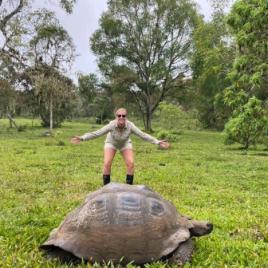
Claire
Specialist Cruise Concierge and Expedition Specialist
Lisa P
Specialist Cruise Concierge and Expedition Specialist
Stacey
Senior Cruise Concierge and Expedition Specialist

Rebecca
Specialist Cruise Concierge and Expedition Specialist
Shirley
Specialist Cruise Concierge and Expedition Specialist
Richard
Specialist Cruise Concierge and Expedition Specialist

Elizabeth
Specialist Cruise Concierge and Expedition Specialist
Emma
Specialist Cruise Concierge and Expedition Specialist
SixStarCruises
Lisa M
Specialist Cruise Concierge and Expedition Specialist

With over 50 cruises under my belt, my journey into expedition cruising is a newer - but incredibly exciting - chapter of my travel experience. I’ve recently sailed aboard Seabourn Venture, a vessel that perfectly blends luxury with true expedition capability, and I’m looking forward to further expanding my expedition knowledge with an upcoming cruise onboard Ponant.
I would highly recommend Seabourn Venture to anyone looking to embark on an expedition cruise. The ship provided a stunning selection of elegant and comfortable spaces to relax in between explorations and the team on board really brought the journey to life, sharing expert knowledge on the surrounding areas and their fascinating history.
Exploring the waters around the Isles of Scilly was a memorable introduction to expedition-style excursions. Seeing seals and puffins in their natural habitat was a joy, and kayaking added an extra sense of adventure, offering a peaceful yet immersive way to experience the coastline.
The best part of working in travel is being surrounded by a product I genuinely love. I’m incredibly grateful for the opportunities I’ve had to travel and experience true luxury - allowing me to advise with confidence and first-hand knowledge when helping plan truly special sailings for my clients.
When it comes to future adventures, Antarctica and the Kimberley Islands sit at the top of my expedition wish list. Both destinations represent the very best of expedition travel - remote, dramatic, and rich in wildlife - and I can’t wait to experience them firsthand.
Andrew W
Sales Manager for SixStarCruises
My expedition cruising experience has taken me to the Galápagos Islands, sailing aboard Celebrity Flora. It’s a destination that truly stands apart, offering extraordinary wildlife encounters and a rare chance to experience nature up close.
A wide range of expedition activities brought the islands to life, including Zodiac cruising, guided hikes, kayaking, and snorkelling. Zodiac excursions were a particular highlight, allowing access to remote landing sites and close, respectful observation of wildlife. Exploring on foot and by kayak revealed the dramatic diversity of the islands, while snorkelling opened a vivid underwater world rich with marine life.
Some of my most unforgettable moments came from witnessing wildlife behaving completely naturally. Seeing dolphins and penguins moving freely through the water was a thrill, but standing face to face with the iconic giant tortoises was especially meaningful - a quiet, powerful reminder of the Galápagos’ unique place in natural history.
At the top of my expedition wish list is Antarctica, a destination I’d love to experience for its true sense of remoteness.
Sailed With:
✔Regent Seven Seas Cruises
✔Crystal Cruises
✔Oceania Cruises
✔Celebrity Cruises
✔Azamara Cruises
✔Seabourn
Destinations Visited:
✔Galápagos
✔Asia
✔Greece
✔Scandinavia
✔Canaries
Experience
Ship:Celebrity Flora
Date:October 2022
Summary
Each day is just an incredible as the next in the Galápagos; you never know what you are going to see and the scenery is just stunning, you could blink and miss something incredible.
This really is a once in a lifetime experience where no day is the same, and I can honestly say this was the most incredible trip I have ever taken in my life. The Galápagos Islands are an absolute must for your bucket list!
Celebrity Flora is a luxury yacht holding a maximum of 100 guests which is considerably smaller than any ocean cruise liner, so you have a much more intimate experience where you can get to know who you're travelling with.
The Galápagos itinerary is packed with either one or two islands being visited per day and up to three excursions. There aren't any sea days on this itinerary, and because you don’t want to miss out on any opportunities to see the wildlife, you tend to do all three everyday. We did all the activities offered, and they are catered to all ages which is great. Because of this, the evenings are laid back and relaxed which is nice.
You have a 7PM overview of the day, then at 7:15, you sign up for the activities for the following day. Dinner then starts at 7:30 and most people tend to retire to their suites once they have eaten.
It is an early start most mornings, with the first tour usually beginning around 8AM to 8:30AM, but you do enjoy around three to four hours free time in the afternoon to relax on the top deck.
The staff on Celebrity are phenomenal - I have been on a lot of cruises and this was the best service I have ever received. They knew you by name when you boarded, had your drinks ready for you after the first day, remembering exactly what you preferred. It honestly felt like the staff and guests were one big family, and they went above and beyond in every aspect.
Highlights
Swimming with penguins, sharks and sea turtles was a memory that I will never forget. Although I'd have to say that my main highlight was the Giant Tortoise Ranch. These animals are just incredible to witness, and having the opportunity to be surrounded by them in the wild and walking with them was simply mesmerising.
Recommendations/Advice
My main advice is to immerse yourself in every opportunity to explore. The itinerary is very busy, being only a week to two weeks, so make the most of every moment you have while on your trip.
When packing, comfort is key, due to the itinerary. I'd recommend packing some water shoes or closed toed sandals for the wet landings (As you will be disembarking onto the beach with water around knee height). And make sure you bring a good camera for all of the great pictures that you will capture! Walking shoes or sturdy trainers are also important for the walks and hikes to ensure you're as comfortable as possible.
Laura W
Senior Specialist Cruise Concierge and Expedition Specialist

My expedition cruising journey has taken me deep into the Arctic, sailing aboard Greg Mortimer with AE Expeditions and Scenic Eclipse, I experienced firsthand what true expedition travel is all about -access, immersion, and moments that feel genuinely extraordinary.
Zodiac cruising and landings quickly became the heart of the experience for me. Stepping into a small Zodiac transforms everything. You’re no longer simply observing the environment from afar - you’re part of it. Skimming across cold Arctic waters in a small group, approaching shorelines unreachable by larger ships, every landing felt like a mini adventure. Being at water level brought an incredible sense of closeness to the landscape, the wildlife and the stillness of the Arctic itself, creating a powerful shared experience with those around me.
My most unforgettable moment came one evening just after 8pm, while we were listening to the expedition team speak and beluga whales. Suddenly, the captain’s voice came over the tannoy: “Polar bear, starboard side”. We watched in silence as she moved through the Arctic landscape - calm, powerful and completely at home. She slipped into the water, swimming with quiet intent as she hunted nearby harbour seals. It was nature entirely unscripted. For hours, we remained with her as she rested and wandered across the sea ice, until she finally disappeared over the mountainside. It was one of those rare encounters that leaves you changed - an experience I’ll never forget.
Beyond the polar regions, my favourite trip of all time was to the Galápagos Islands. Swimming alongside turtles, observing the islands’ remarkable wildlife up close, and exploring landscapes shaped by volcanic forces felt truly otherworldly. Every day brought a new sense of discovery, and the intimacy of the experience made it all the more special.
Sailed With:
✔AE Expeditions
✔Silversea
✔Seabourn
✔Celebrity Cruises
✔Scenic Ocean Cruises
Destinations Visited:
✔Antarctica
✔Svalbard
Experience
Ship:Greg Mortimer
Date:June 2023
Summary
I travelled on a 12-night Arctic expedition on board Greg Mortimer - a trip that should be on anyone’s bucket list. The morning after embarkation in Svalbard, we had about an hour of free time, where I took the opportunity to walk on the top deck and enjoy the scenery. During the lecture we were given a Polar Bear Safety briefing, they advised us in detail on what we would do as a collective group if we were out on the Zodiacs/on land should we encounter one of these amazing creatures.
Being advised that there was a pod of humpback whales on the port side of the ship on day eight brought an overwhelming excitement on board, as we all made our way up to the top deck. They were spectacular! The ship was able to virtually anchor right beside them so we could watch these magnificent creatures in their natural habitat. We were all mesmerised by their beauty and felt incredibly lucky to have seen such a magnificent pod.
We all enjoyed a Zodiac landing in Recherchefjord the next day, I opted for the long walk and thoroughly enjoyed it. We were able to see some of the flowers that we had been advised about the day before in the lecture. The terrain was very spongy underfoot but still quite rocky. We saw several varieties of birds such as king eiders, guillemots, purple sandpipers and kittiwakes.
Being able to wake up with the ship stationary and surrounded by ice was so peaceful and tranquil. Everyone was on polar bear watch and eager to find this magnificent animal.
We were all incredibly excited when we were informed that they were going to allow us to walk on the ocean. It was something I don’t think I’ll ever be able to explain as the feeling when you step on the ice sheet was overwhelming. The land where the polar bears roam was right under my feet, and being able to walk where they call home was an experience I will never forget.
Much to our surprise, we then saw a pod of about 40-50 Beluga whales, it was unbelievable, the whales were too far to photograph to get a clear image of these beautiful animals, but the sight was magnificent.
We then had our daily recap, and they gave us some further information about Beluga whales.
After dinner we then went to enjoy our evening…but then we heard ‘Ding Ding Starboard Side!’ – there was a buzz in the air as we ran to any viewing platform we could find and grabbing the binoculars and cameras for our first glimpse of the one thing we had all been searching for… the polar bear! It was a mesmerising moment seeing how gracefully this beautiful animal walked along the shore one through the water and onto the sheet ice whilst it stalked the seals it had hoped to catch. We were all in awe of its beauty and watched this magnificent polar bear until the early hours of the morning.
Highlights
Watching a polar bear walking along the ridge, before entering the water and swimming in front of us - what an amazing experience! Walking out onto a floating ice sheet where polar bears roam was another experience I will treasure for the rest of my life. The childlike excitement from the passengers as they’re making snow angels in the ice was just magical. Each day is different to the next, and every moment is more surreal and spectacular than you could ever imagine. We also enjoyed a Zodiac cruise around Yoldiabukta Bay.
We had an unbelievable time, admiring the pointed mountain backdrops and tidewater glaciers. We were in awe of the amazing walrus we were able to see as they really are huge! It was incredible how close we were able to get to these amazing animals.
We were also taken to a beautiful landing spot where we were able to see many of the Arctic birds – kittiwakes, Brünnich’s guillemot and northern fulmars. It was stunning! We were even lucky enough to see some puffins!
Recommendations/Advice
Whether it’s diving into the Arctic waters for the polar plunge or the moment you set eyes on a polar bear, every traveller takes away something truly special from an Arctic Expedition. My advice is to throw yourself into it and grab hold of every opportunity - it is a once in a lifetime experience, so savour every moment!
Katie
Specialist Cruise Concierge and Expedition Specialist
My passion for expedition cruising was truly ignited in Antarctica, sailing with Silversea aboard Silver Endeavour. It was a journey that changed how I see the world. You don’t just witness the scenery – you feel like you’re part of it. From Zodiac landings to kayaking through icy waters, every moment felt raw, humbling and exhilarating.
One of my most unforgettable experiences was the polar plunge. The shock, the laughter, the shared sense of achievement - it was thrilling in every sense and something I would relive in a heartbeat. Equally powerful, though in an entirely different way, was kayaking in complete stillness. For a few precious minutes, we floated in silence, surrounded by towering ice and vast wilderness. It was profoundly moving - one of those moments that stays with you forever.
My expedition experience extends beyond Antarctica. I’ve attended CLIA’s expedition conference in the Arctic, stepping aboard some of the world’s most advanced expedition vessels which deepened my understanding of what makes these journeys truly exceptional - from ship design to onboard expertise and of course, the cuisine.
What’s next on my bucket-list? The Kimberley’s. Its untamed landscapes, ancient geology and powerful sense of place perfectly embody what expedition travel means to me: going beyond the ordinary to experience the extraordinary.
Sailed With:
✔Silversea
✔Atlas Ocean Voyages
✔AE Expeditions
Destinations Visited:
✔Antarctica
✔Arctic
Experience
Ship:Silver Endeavour
Summary
My entire trip to Antarctica was just incredible - an absolute dream come true. The pictures do not do it justice, and it is a place one must experience and see first hand to understand the continent's beauty. I sailed with Silversea and the ship was incredibly luxurious, the food was exceptional and with a small ship, the service is unbeatable. It was a once in a lifetime adventure!
My favourite experiences were kayaking and seeing the whales whilst out on a zodiac cruise. I also loved sitting on my balcony, sailing past the icebergs and watching the penguins, which was such a surreal moment.
Claire
Specialist Cruise Concierge and Expedition Specialist
My expedition cruising experience spans some of the planet’s most fascinating corners, from Svalbard in the Arctic to the Isles of Scilly. I’ve sailed aboard an exceptional range of expedition vessels, including Swan Hellenic, Atlas, Ponant, Quark Expeditions, AE Expeditions, Albatross Expeditions, and Seabourn Venture - each offering a unique perspective on exploration at sea.
Expedition activities are where these journeys truly come to life. Zodiac cruising and landings have been central to my experiences, allowing close‑up access to shorelines and landscapes that feel wonderfully untouched. Standout moments include taking the Arctic polar plunge - an exhilarating, unforgettable rush - and joining a fossil hike in the Arctic, where walking through ancient terrain brought an incredible sense of connection to the history of the region.
The Arctic holds a special place for me, with countless memories that make it hard to choose just one highlight. Experiencing 24‑hour daylight, where time seems to lose all meaning and the world is bathed in a constant glow, was extremely surreal. Combined with the exhilaration of the polar plunge and witnessing the sheer scale of expedition operations in such a remote environment, it created an experience that felt truly extraordinary.
Antarctica sits at the top of my expedition wish list, offering the perfect counterpart to my Arctic journeys. That said, Greenland is close behind, with its dramatic ice formations, vast wilderness, and rich cultural heritage.
Sailed With:
✔Seabourn
✔Silversea
✔Atlas Ocean Voyages
✔AE Expeditions
Destinations Visited:
✔United Kingdom
✔Antarctica
Experience
Ship:Seabourn Venture
Date:June 2023
Summary
My expedition around the British Isles was an incredible experience. It was wonderful to enjoy the adventure whilst still experiencing the luxury of Seabourn. I'm going into my 15th year working in the travel industry and this was the best trip I've ever done.
The welcome/safety meeting onboard is where we first met the crew. There are 19 Expedition Team Members on board, ranging from academics, scientists and naturalists. Their knowledge, passion and enthusiasm really showed throughout the whole cruise, the tours and the lectures. You can tell they are genuinely excited to be there.
We spotted plenty of puffins and seals while exploring the Isle of Man and Isles of Scilly on zodiac excursions, led by members of the expedition team. They were always on hand to share their knowledge and expertise so we could learn more about the incredible creatures we were seeing. We had Luciano Bernacchi, the Expedition Leader, guiding our zodiac excursion. We sailed around the coast of the Calf of Man, taking our Swarovski binoculars (which are available to all guests) to spot the variety of different wildlife.
There are 24 zodiacs on board, varying in size. I was surprised by how sturdy they are on the water, even at speed. The guide gauges how fast you want to go, either a leisurely ride or a full-on jet ride as they’re taking you to and from the shore.
The onboard experience was phenomenal; exquisite dining and expedition talks really do bring the day’s activities and excursions to life. The relaxed ambience on board provided the perfect respite from a busy day of exploring. Expedition cruising with Seabourn truly combines the best of exploration and ultra-luxury cruising.
One of the notable differences with an Expedition cruise is that the schedule is fluid, plans can and do change depending on sightings, the weather and many other factors - safety will always come first. Seabourn talked about one of their Expedition cruises where the captain stopped the ship at 1am as there was a polar bear right beside them, and guests were woken up to take pictures!
The Seabourn Venture ship itself has a very different feel compared to ocean ships; you really feel like you're staying in a luxury ski lodge. There were only 160 guests on board, with maximum capacity of the ship holding 264 passengers. There are no formal nights and the dress code is much more relaxed. There are two main restaurants on board: the Colonnade, for more relaxed dining and The Restaurant, which is perfect if you want something a little more formal. We had breakfast delivered to the suite and dined on the veranda several times.
All in all, we had a fantastic trip. It really helped me get an even better understanding of the product and just how special the expedition cruises are. I cannot wait for my next one!
If you have been looking into expedition cruising, enjoy a bit of adventure, or would like some more information, I would be happy to speak with you in more detail about the operations behind the expeditions and how it all works on board.
Highlights
My favourite moment has to be using the zodiacs and getting up close and personal to the all the wildlife! It was incredible to enjoy the adventure whilst experiencing the luxury of Seabourn.
Recommendations/Advice
Seabourn have Parka jackets, designed exclusively for them by Helly Hansen. We ordered our Seabourn Expedition Parkas six days before travelling, which I'd recommend, as they were then waiting for us in the suite when we embarked. Mine was a little on the large side, however, and this was easy to change at the Parka Exchange the following day. The parka is multi-layered and perfect for zodiac tours.
Lisa P
Specialist Cruise Concierge and Expedition Specialist
My favourite cruise destination is Monte Carlo, but I also loved travelling on a Scenic River cruise from Budapest too, which was an amazing experience. My preferred cruise line is Regent Seven Seas because the ships are exceptional; their excursions are fantastic and the guides are very knowledgeable.
Stacey
Senior Cruise Concierge and Expedition Specialist
I had the privilege of sailing on Regent Seven Seas Splendor for her relaunch, where I visited Monte Carlo. It was truly incredible, and sailing on such a stunning ship with exceptional service really made it the best cruise voyage I have ever done!
Regent is undoubtedly my favourite cruise line; their ships are phenomenal, they include nearly everything in the price, the staff are fantastic and the food is beautiful. I stayed in a Splendor Suite which was incredible; their suites are well laid out and it was such a pleasure staying in one.
Rebecca
Specialist Cruise Concierge and Expedition Specialist
Since working for SixStarCruises, I’ve been able to explore a variety of incredible places, but my favourite is Canada. I got to travel on the Rocky Mountaineer experience which was breathtakingly beautiful - I couldn't recommend it enough!
Shirley
Specialist Cruise Concierge and Expedition Specialist
My favourite cruise destination is the Bahamas. Although waking up in Malta was also incredible - the port is steeped in history, and the view from the balcony as we sailed in was absolutely perfect.
I honestly can’t choose between Silversea and Regent Seven Seas as my favourite cruise line, as they’re both equally exquisite. I love the size of their ships and the detail that goes into making sure every moment of your voyage is perfect.
Richard
Specialist Cruise Concierge and Expedition Specialist
My favourite part about working in travel is being able to discover remote and obscure places that many people have never even heard of. I loved cruising around the Adriatic, particularly exploring Kotor in Montenegro with Oceania Cruises. The onboard experience with Oceania was phenomenal - I really enjoyed the amazing food and friendly atmosphere.
Elizabeth
Specialist Cruise Concierge and Expedition Specialist
I just love travel – my favourite cruise destination is Montenegro, which I visited whilst sailing the Adriatic. Although my favourite memory has got to be sailing from Dubai to Singapore which was fantastic. There are so many places I still wish to see, and I really enjoy assisting our guests to find the best offers so they can enjoy complete luxury at great prices. I love waking up in a different cruise port, delicious dining and the crew that always make the sailing so wonderful.
Emma
Specialist Cruise Concierge and Expedition Specialist
I'm Emma, a Specialist Cruise Concierge who has worked with SixStarCruises from the very start, getting to experience the most amazing countries and the luxury of 6* ships at the same time.
My favourite cruise memories took place in Norway, where we went husky sledging and saw the northern lights, a magical moment I will never forget. My preferred cruise line is Regent because I love that their accommodation is all-suite, the food is just beautiful, and the service is second to none.
The best part about working in travel is staying on board brand-new ships and hotels and meeting new people, as I learn more about their different countries and cultures.
My favourite cruise line is Regent Seven Seas Cruises - Splendour is my favourite ship. I love that all the rooms are suites on the ships, the food is just beautiful and the service is second to none. The majority of excursions are included too so you don't have to spend anything whilst on board.
Customer Reviews
OUR ACCREDITATIONS
Member of the Expedition Cruise Network
Partnership Achievement Award 2026
Luxury Cruise Agency of the Year 2025
Luxury Cruise Agency Of The Year 2024
Request a call back from one of our luxury cruise specialist concierge
We would love to help you plan your next luxury cruise holiday. Our team are luxury cruise experts with first hand experience of our partner cruise lines. Simply request a call back and one of our luxury cruise experts will be in touch at a time to suit you.
If you would like to contact our service team, you can select a service call back below, or alternatively we’re available on live chat where our team are ready and waiting to help.
If you request a call back for now we’ll get back to you within 15 minutes, we’ll be calling you from 0161 333 4459 so you can recognise our call.