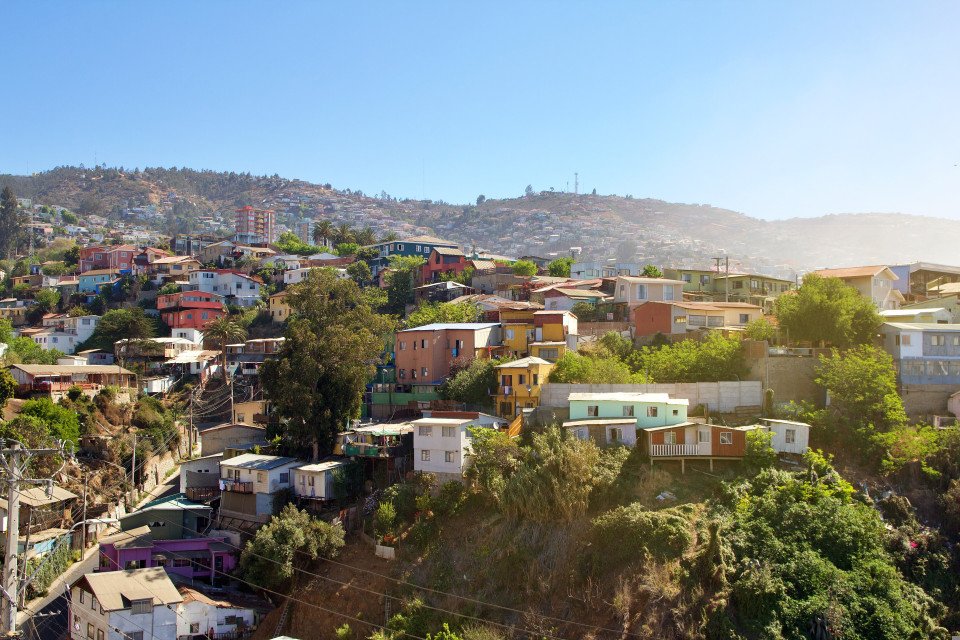
Valparaíso's dramatic topography—45 cerros, or hills, overlooking the ocean—requires the use of winding pathways and wooden ascensores (funiculars) to get up many of the grades. The slopes are covered by candy-color houses—there are almost no apartments in the city—most of which have exteriors of corrugated metal peeled from shipping containers decades ago. Valparaíso has served as Santiago's port for centuries. Before the Panama Canal opened, Valparaíso was the busiest port in South America. Harsh realities—changing trade routes, industrial decline—have diminished its importance, but it remains Chile's principal port. Most shops, banks, restaurants, bars, and other businesses cluster along the handful of streets called El Plan (the flat area) that are closest to the shoreline. Porteños (which means "the residents of the port") live in the surrounding hills in an undulating array of colorful abodes. At the top of any of the dozens of stairways, the paseos (promenades) have spectacular views; many are named after prominent Yugoslavian, Basque, and German immigrants. Neighborhoods are named for the hills they cover. With the jumble of power lines overhead and the hundreds of buses that slow down—but never completely stop—to pick up agile riders, it's hard to forget you're in a city. Still, walking is the best way to experience Valparaíso. Be careful where you step, though—locals aren't very conscientious about curbing their dogs.
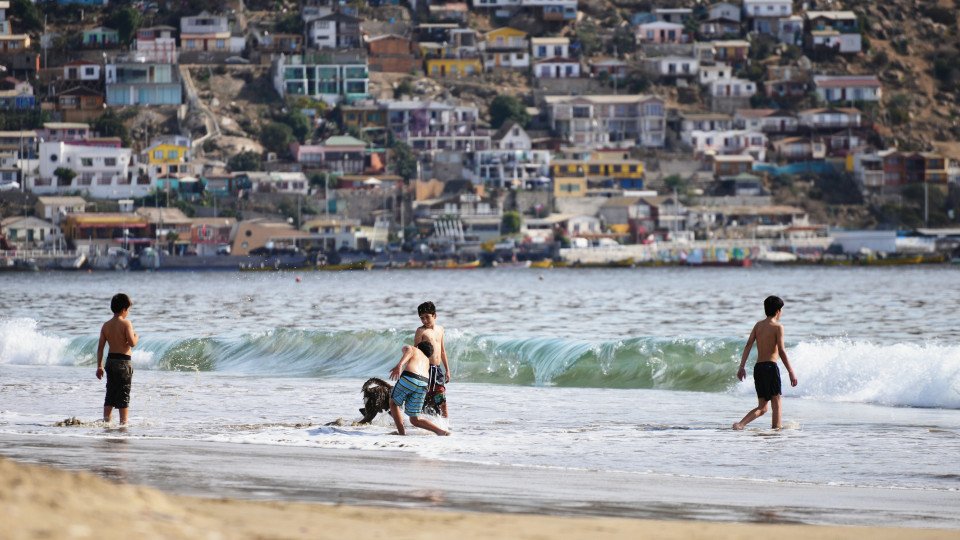
For most of its history, windy Puerto Montt was the end of the line for just about everyone traveling in the Lake District. Now the Carretera Austral carries on southward, but for all intents and purposes Puerto Montt remains the region's last significant outpost, a provincial city that is the hub of local fishing, textile, and tourist activity.Today the city center is full of malls, condos, and office towers—it's the fastest-growing city in Chile—but away from downtown, Puerto Montt consists mainly of low clapboard houses perched above its bay, the Seno de Reloncaví. If it's a sunny day, head east to Playa Pelluco or one of the city's other beaches. If you're more interested in exploring the countryside, drive along the shore for a good view of the surrounding hills.
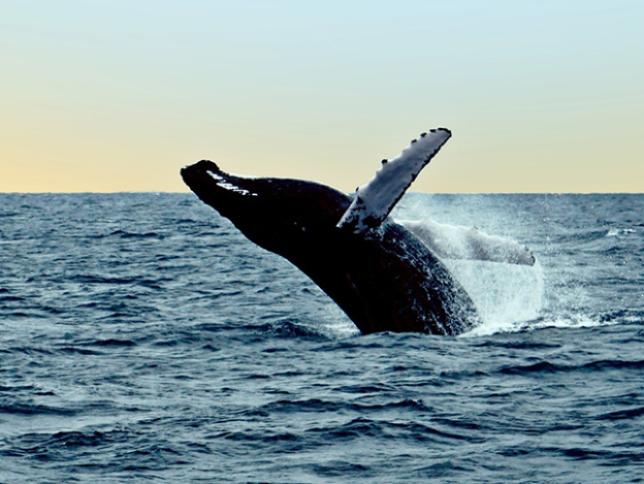
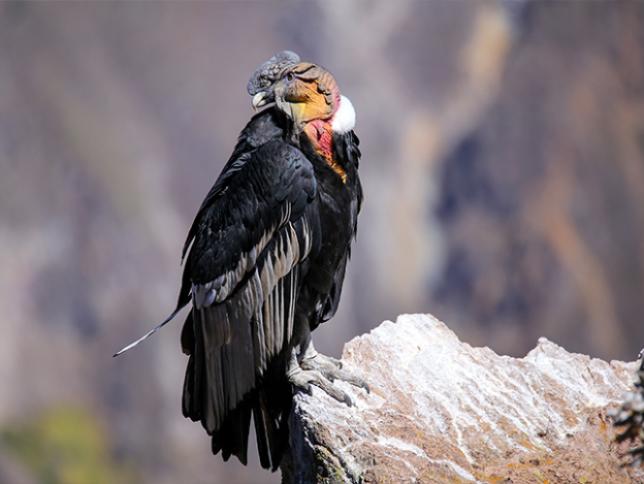
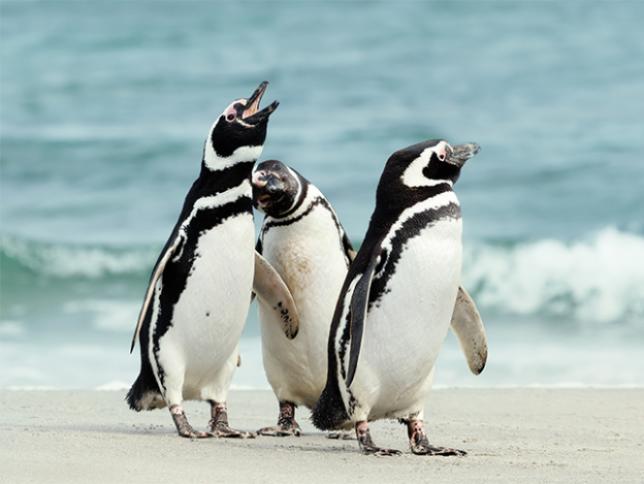
Strewn through the coast of Chile, these beautiful fjords are world renowned for being one of the most awe-inspiring places on earth. Snow-capped volcanoes nestle majestically alongside rolling valleys of ice and frosty glaciers. Rugged beauty, breathtaking scenery not to mention diverse and profuse wildlife abounds – expect to watch whales from the deck, see playful Magellan Penguins and perhaps even spot the rare Andean Condor. Affectionately named “The End of the World” by the Spaniards who discovered the region in eighteenth century in a quest to Christianise South America, these extraordinary waterways not only encompass a medley of jagged mountains and iceberg strewn bays, but feature a kaleidoscopic spectrum of unexpected colour that offers photographic opportunities like no other destination.
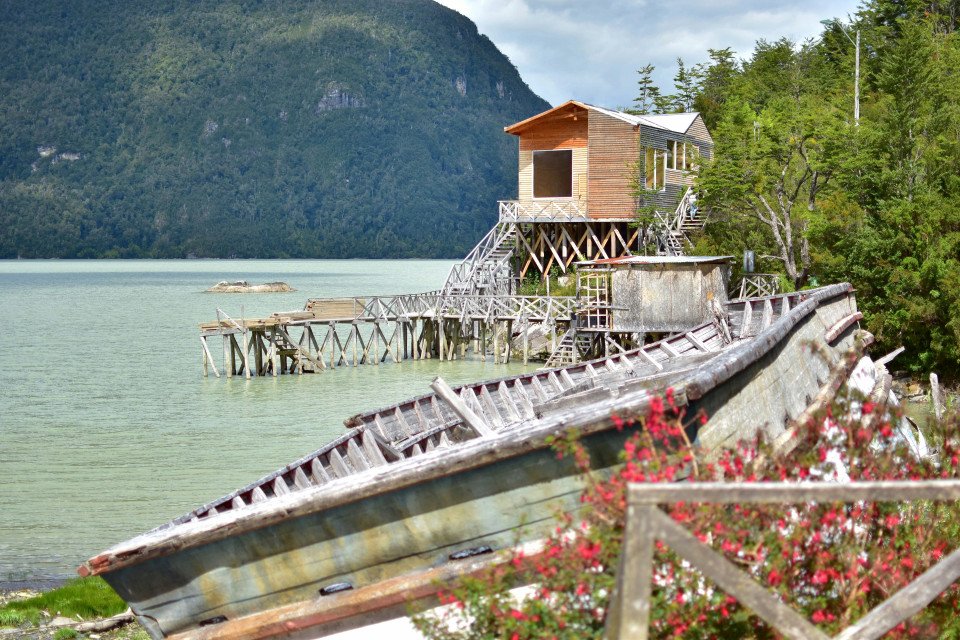
Tortel is a commune located in Southern Patagonia, a spectacular wilderness region of rugged mountains, glaciers, rivers and forests of infinite beauty. The uneven geography of Tortel shapes a unique landscape, characterized by an archipelagic area with numerous islands and channels. Tortel is known as the “footbridge city” for the unique beauty of its wooden walkways that connect the piers and houses of this quaint place through bridges and stairs, built from cypress wood, that run for four and a half miles around the cove and that respect the rich vegetation that grows under them. Even though it is the sixth largest commune in Chile, it has the lowest population of all with roughly 531 people. The history of the town dates back to 1520 when it was inhabited by nomadic Kawesqar, now extinct. Its definitive foundation was in 1955, after numerous attempts to populate the area. In 2001, it was declared by the Chilean government as a Picturesque Zone of National Heritage.
English Narrows refers to a narrow passage at the southern end of the Messier Channel in Chile’s Region XI, Aysen del General Carlos Ibanez del Campos. The region is Chile’s least populated and a few kilometers south of English Narrows is Puerto Eden, the only settlement along the entire Chilean Inside Passage. With Wellington Island to the west and surrounded by Chile’s largest national park, Bernardo O’Higgins National Park, the narrow passage is at times 180 meters wide, while the entire length is given as 18 kilometers. Low-lying islands and steep mountains are seen on both sides and the Magellanic subpolar forest with its evergreen trees of the genus Nothofagus has taken hold where possible. The strong currents require to pass English Narrows at slack tide and although most of the Messier Channel leading to English Narrows is quite deep, a shipwreck sitting on a bank some 20 kilometers north of the entrance to English Narrows shows why pilots are required by law in Chile.
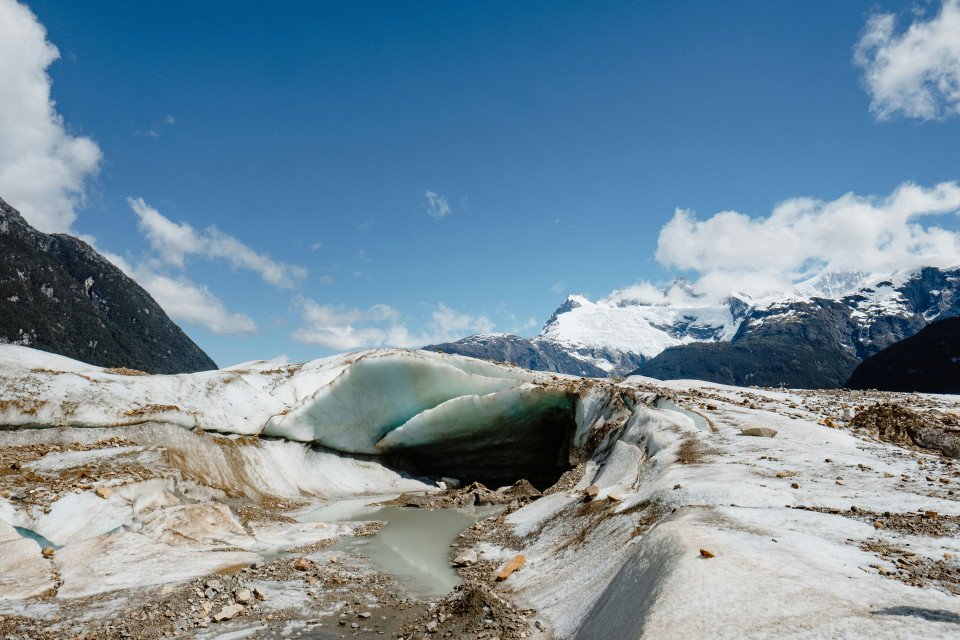
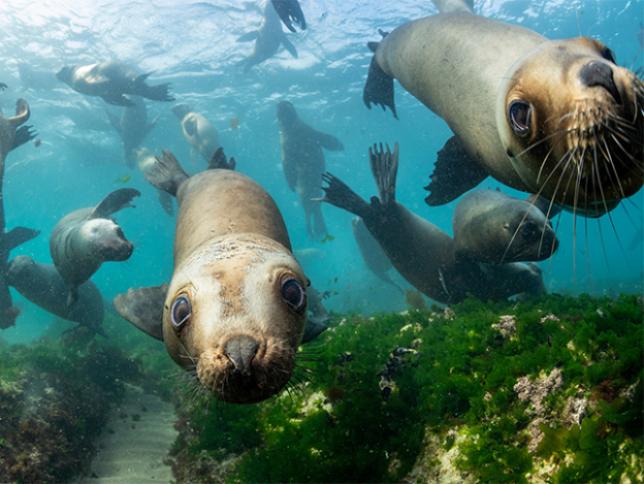
WithinBernardo O’Higgins National Park the Pio XI Glacier (also known as BrüggenGlacier after the German geologist Johannes Brüggen) is found at the terminusof the 23 nautical miles long Eyre Fjord, one of the fjords coming from thenortheast and the Southern Patagonian Ice Field. The fjord and its shores wereformerly used by the nomadic Kaweskar to hunt, while the glacier was one oftheir sacred sites. Pio XI Glacier is the largest western outflow of theSouthern Patagonian Ice Field and is South America’s longest glacier and thelargest in the Southern Hemisphere outside of Antarctica. One of the fewadvancing glaciers, its front has a width of 4.5 kilometers, a height ofapproximately 80 meters and shows several central moraines, indicating thatGreve Glacier and Occidental Glacier to the north once joined the glacialtongue. Approaching the glacier by ship and by Zodiac safe distances will bemaintained, as the glacier shows extensive mudflats on its southeastern sideleading to Exmouth Fjord and calvings can always occur. The rocky shore showssigns of Nothofagus trees and the temperate Magellanic rain forest where theextremely rare and endangered South Andean deer, locally known as the huemul,has been sighted. Chilean and Peale’s dolphins and the endangered southernriver otters have been recorded, and South American sea lions can be seen.Among the birds expected are Imperial Shags, South American Terns, Brown-hoodedGulls, Kelp Gulls, Kelp Geese, and Fuegian Steamer Ducks.
Strewn through the coast of Chile, these beautiful fjords are world renowned for being one of the most awe-inspiring places on earth. Snow-capped volcanoes nestle majestically alongside rolling valleys of ice and frosty glaciers. Rugged beauty, breathtaking scenery not to mention diverse and profuse wildlife abounds – expect to watch whales from the deck, see playful Magellan Penguins and perhaps even spot the rare Andean Condor. Affectionately named “The End of the World” by the Spaniards who discovered the region in eighteenth century in a quest to Christianise South America, these extraordinary waterways not only encompass a medley of jagged mountains and iceberg strewn bays, but feature a kaleidoscopic spectrum of unexpected colour that offers photographic opportunities like no other destination.
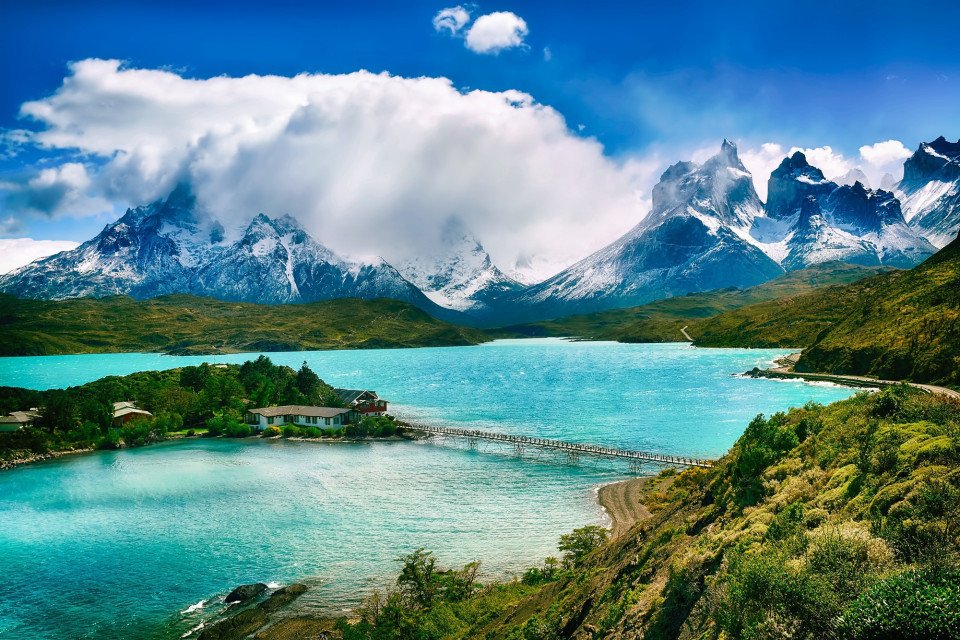
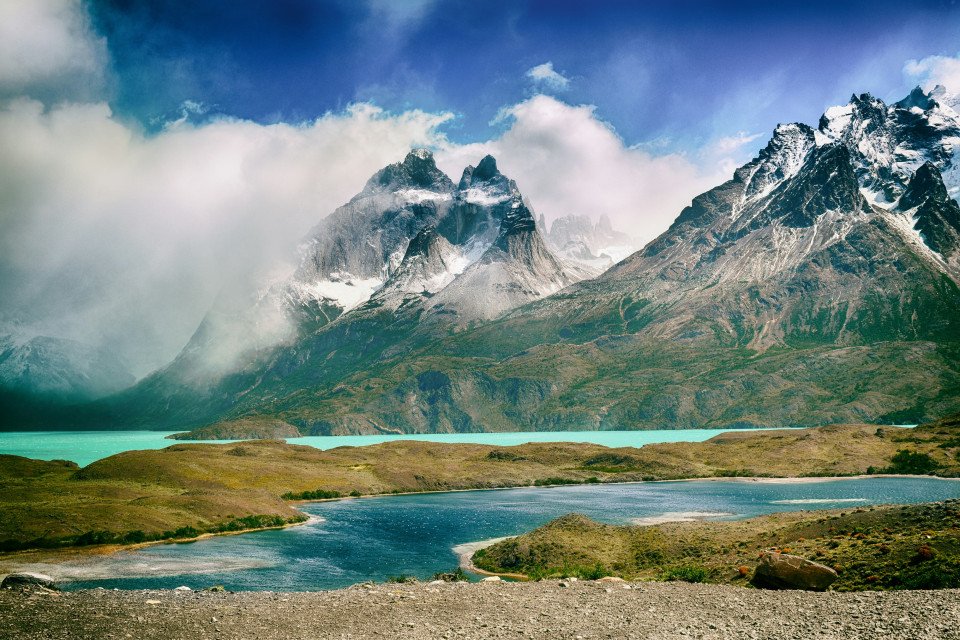
Impenetrable forests, impassable mountains, and endless fields of ice define Chilean Patagonia, and meant that the region went largely unexplored until the beginning of the 20th century. Located in the southernmost part of the country, this area is still sparsely inhabited, though you will find a few populated places—like the colorful provincial city of Punta Arenas, which looks like it's about to be swept into the Strait of Magellan. Some unique wildlife, particularly colonies of elephant seals and penguins, call this breathtaking topography home. To the north is Parque Nacional Torres del Paine, the country's most magnificent natural wonder, and whose snow-covered peaks seem to rise vertically from the plains below. The vistas, such as the fantastic Avenue of the Glaciers, are breathtaking; along this stretch of the Beagle Channel, you can pass six tremendous glaciers all within a stone's throw of each other.Cruise SightsPunta Arenas. Founded a little more than 150 years ago, Punta Arenas (Sandy Point) was Chile's first permanent settlement in Patagonia. Plaza Muñoz Gamero, the central square, is surrounded by evidence of that early prosperity: buildings whose then-opulent brick exteriors recall a time when this was one of Chile's wealthiest cities. The newer houses here have colorful tin roofs, best appreciated when seen from a high vantage point such as the Mirador Cerro la Cruz. Although the city as a whole may not be particularly attractive, look for details: the pink-and-white house on a corner, the bay window full of potted plants, parking attendants wearing the regional blue and yellow colors, and schoolchildren in identical naval pea coats that remind you that the city's fate is tied to the sea.The Museo Naval y Marítimo extols Chile's high-seas prowess, particularly concerning Antarctica. Its exhibits are worth a visit for anyone with an interest in ships and sailing, merchant and military alike. Part of the second floor is designed like the interior of a ship, including a map and radio room. Pedro Montt 989. Admission charged.Housed in what was once the mansion of the powerful Braun-Menéndez family, the Museo Regional de Magallanes is an intriguing glimpse into the daily life of a wealthy provincial family at the beginning of the 20th century. Lavish Carrara marble hearths, English bath fixtures, and cordovan leather walls are among the original accoutrements. The museum also has an excellent group of displays depicting Punta Arenas's past, from the first European contact to the town's decline after the opening of the Panama Canal. The museum is half a block north of the main square. Magallanes 949. Admission charged.The resplendent 1895 Palacio Sara Braun is a national landmark and an architectural showpiece of southern Patagonia. Designed by a French architect, the house was built from materials and by craftsmen imported from Europe during the four years of construction. The city's central plaza and surrounding buildings soon followed, ushering in the region's golden era. Noteworthy are the lavish bedrooms, magnificent parquet floors, marble fireplaces, and hand-painted ceilings. Don't miss the portraits of Braun and her husband José Nogueira in the music room. Afterwards, head to the cellar for a drink or snack in the warm public tavern (a good portion of the mansion is leased to a hotel). Plaza Muñoz Gamero 716. Admission charged.Commonly referred to simply as "El Salesiano," the Museo Salesiano de Maggiorino Borgatello is operated by Italian missionaries whose order arrived in Punta Arenas in the 19th century. The Salesians, most of whom spoke no Spanish, proved to be daring explorers. Traveling throughout the region, they collected the artifacts made by indigenous tribes that are currently on display. Av. Bulnes 398. Admission charged.Isla Magdalena. Punta Arenas is the launching point for a boat trip to the Isla Magdalena to see the more than 100,000 Magellanic penguins at the Monumento Natural Los Pingúinos. A single trail, marked off by rope, is accessible to humans. The boat trip to the island, in the middle of the Estrecho de Magallanes, takes about two hours. Make sure to bring along warm clothing, even in summer; the island can be chilly, particularly if a breeze is blowing across the water.Parque Nacional Torres del Paine. Some 12 million years ago, lava flows pushed up through the thick sedimentary crust that covered the southwestern coast of South America, cooling to form a granite mass. Glaciers then swept through the region, grinding away all but the ash-gray spires that rise over the landscape of one of the world's most beautiful natural phenomena, now the Parque Nacional Torres del Paine (established in 1959). Snow formations dazzle along every turn of road, and the sunset views are spectacular.Among the 2,420-square-km (934-square-mi) park's most beautiful attractions are its lakes of turquoise, aquamarine, and emerald green waters. Another draw is its unusual wildlife. Creatures like the guanaco (a woollier version of the llama) and the ñandú (resembling a small ostrich) abound. They are used to visitors and don't seem to be bothered by the proximity of automobile traffic and the snapping of cameras. Predators, like the gray fox, make less frequent appearances. You may also spot the dramatic aerobatics of a falcon and the graceful soaring of the endangered condor. The beautiful puma is especially elusive, but sightings have become more common. Admission charged.Pingúinera de Seno Otway. The road to this penguin sanctuary begins 30 km (18 mi) north of Punta Arenas. Magellanic penguins, which live up to 20 years in the wild, return to their birthplace here every year to mate with the same partner. For about 2,000 penguin couples—no single penguins make the trip—home is this desolate and windswept land off the Otway Sound. In late September, the penguins begin to arrive from the southern coast of Brazil and the Falkland Islands. They mate and lay their eggs in early October, and brood their eggs in November. Offspring hatch between mid-November and early December. If you're lucky, you may catch sight of one of the downy gray chicks that stick their heads out of the burrows when their parents return to feed them. Otherwise you might see scores of the ungainly adult penguins waddling to the ocean from their nesting burrows. They swim for food every eight hours and dive up to 100 feet deep. The penguins depart from the sound in late March. Note that the sanctuary is a 1-km (1/2-mi) walk from the parking lot. It gets chilly, so bring a windbreaker. Admission charged.Reserva Nacional Laguna Parillar. This 47,000-acre reserve lies west of Puerto Hambre, a tranquil fishing village, and is centered around a shimmering lake in a valley flanked by hills. It's a great place for a picnic, and there are a number of well-marked paths that offer sweeping vistas over the Estrecho de Magallanes. About 2 km (1 mi) west of Puerto Hambre is a small white monolith that marks the geographical center of Chile, the midway point between Chile's northern port Arica and the South Pole.Cruise ShoppingWool may no longer be king of the economy, but vast flocks of sheep still yield a high-quality product that is woven into the clothing here. Leather products are also common, but the prices are not necessarily low. About 3 km (2 mi) north of Punta Arenas is the Zona Franca (Av. Bulnes). This duty-free zone is where people from all around the region come for low-priced electronics and other consumer items.
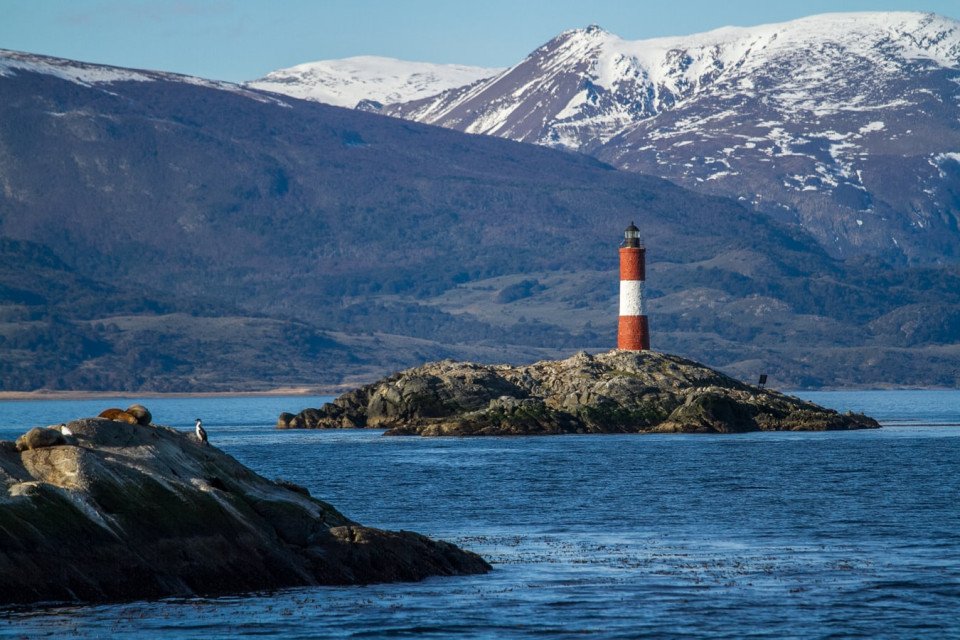
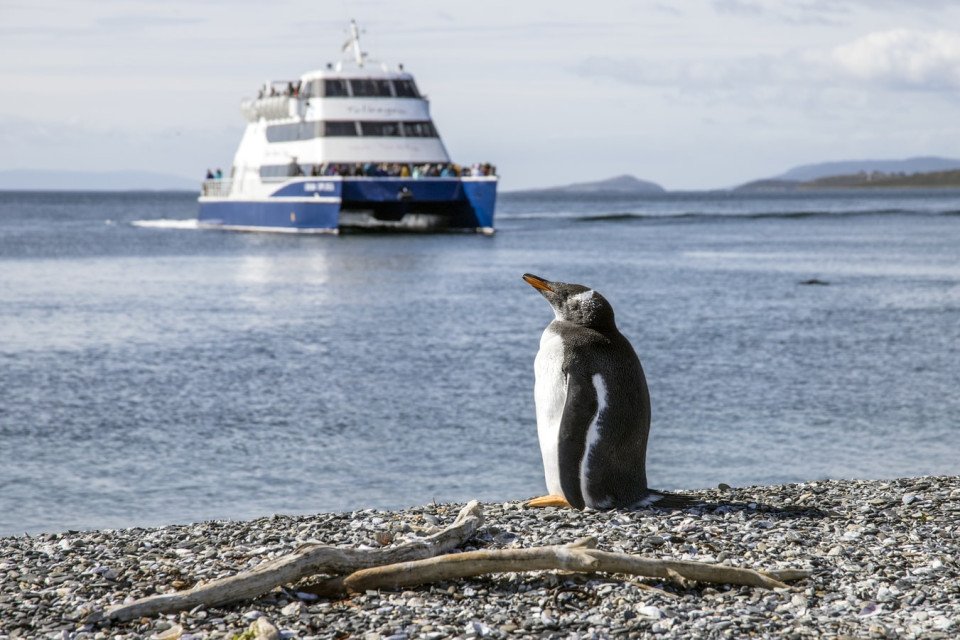
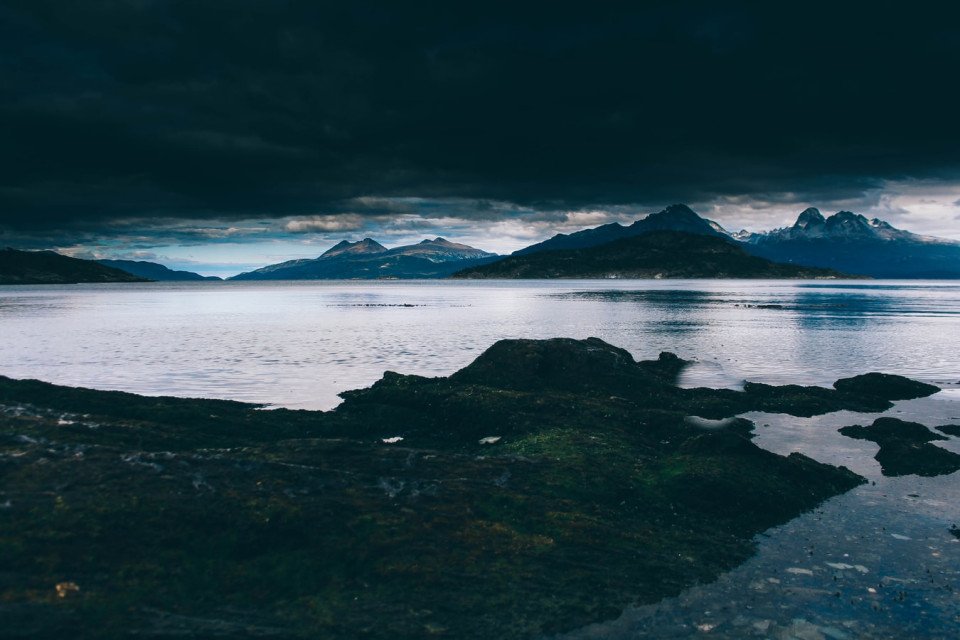
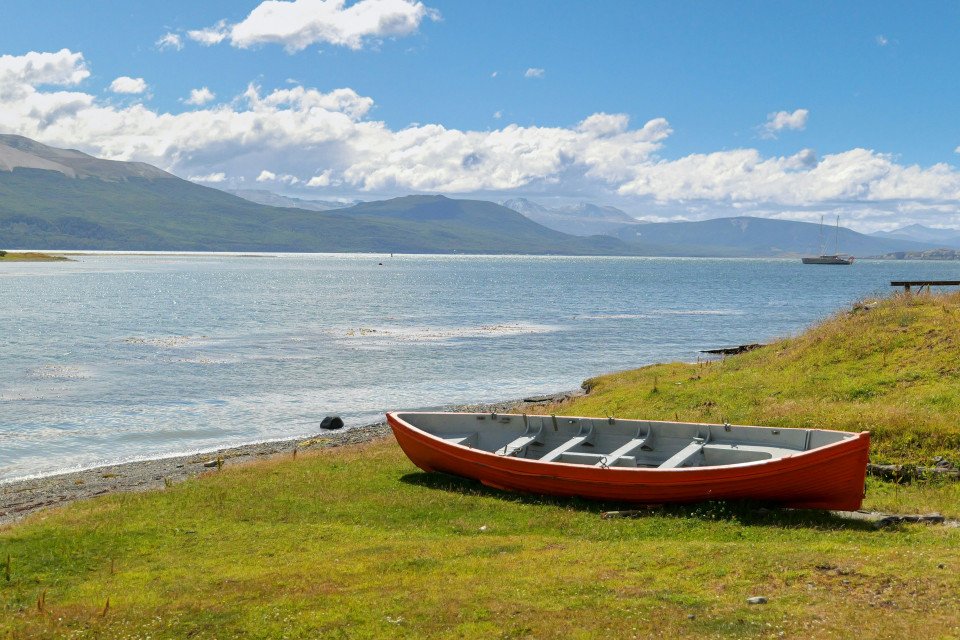
At 55 degrees latitude south, Ushuaia (pronounced oo-swy-ah) is closer to the South Pole than to Argentina's northern border with Bolivia. It is the capital and tourism base for Tierra del Fuego, the island at the southernmost tip of Argentina.Although its stark physical beauty is striking, Tierra del Fuego's historical allure is based more on its mythical past than on rugged reality. The island was inhabited for 6,000 years by Yámana, Haush, Selk'nam, and Alakaluf Indians. But in 1902 Argentina, eager to populate Patagonia to bolster its territorial claims, moved to initiate an Ushuaian penal colony, establishing the permanent settlement of its most southern territories and, by implication, everything in between.When the prison closed in 1947, Ushuaia had a population of about 3,000, made up mainly of former inmates and prison staff. Today the Indians of Darwin's "missing link" theory are long gone—wiped out by diseases brought by settlers and by indifference to their plight—and the 60,000 residents of Ushuaia are hitching their star to tourism.The city rightly (if perhaps too loudly) promotes itself as the southernmost city in the world (Puerto Williams, a few miles south on the Chilean side of the Beagle Channel, is a small town). You can make your way to the tourism office to get your clichéd, but oh-so-necessary, "Southernmost City in the World" passport stamp. Ushuaia feels like a frontier boomtown, at heart still a rugged, weather-beaten fishing village, but exhibiting the frayed edges of a city that quadrupled in size in the '70s and '80s and just keeps growing. Unpaved portions of Ruta 3, the last stretch of the Pan-American Highway, which connects Alaska to Tierra del Fuego, are finally being paved. The summer months (December through March) draw more than 120,000 visitors, and dozens of cruise ships. The city is trying to extend those visits with events like March's Marathon at the End of the World and by increasing the gamut of winter activities buoyed by the excellent snow conditions.A terrific trail winds through the town up to the Martial Glacier, where a ski lift can help cut down a steep kilometer of your journey. The chaotic and contradictory urban landscape includes a handful of luxury hotels amid the concrete of public housing projects. Scores of "sled houses" (wooden shacks) sit precariously on upright piers, ready for speedy displacement to a different site. But there are also many small, picturesque homes with tiny, carefully tended gardens. Many of the newer homes are built in a Swiss-chalet style, reinforcing the idea that this is a town into which tourism has breathed new life. At the same time, the weather-worn pastel colors that dominate the town's landscape remind you that Ushuaia was once just a tiny fishing village, snuggled at the end of the Earth.As you stand on the banks of the Canal Beagle (Beagle Channel) near Ushuaia, the spirit of the farthest corner of the world takes hold. What stands out is the light: at sundown the landscape is cast in a subdued, sensual tone; everything feels closer, softer, and more human in dimension despite the vastness of the setting. The snowcapped mountains reflect the setting sun back onto a stream rolling into the channel, as nearby peaks echo their image—on a windless day—in the still waters.Above the city rise the last mountains of the Andean Cordillera, and just south and west of Ushuaia they finally vanish into the often-stormy sea. Snow whitens the peaks well into summer. Nature is the principal attraction here, with trekking, fishing, horseback riding, wildlife spotting, and sailing among the most rewarding activities, especially in the Parque Nacional Tierra del Fuego (Tierra del Fuego National Park).
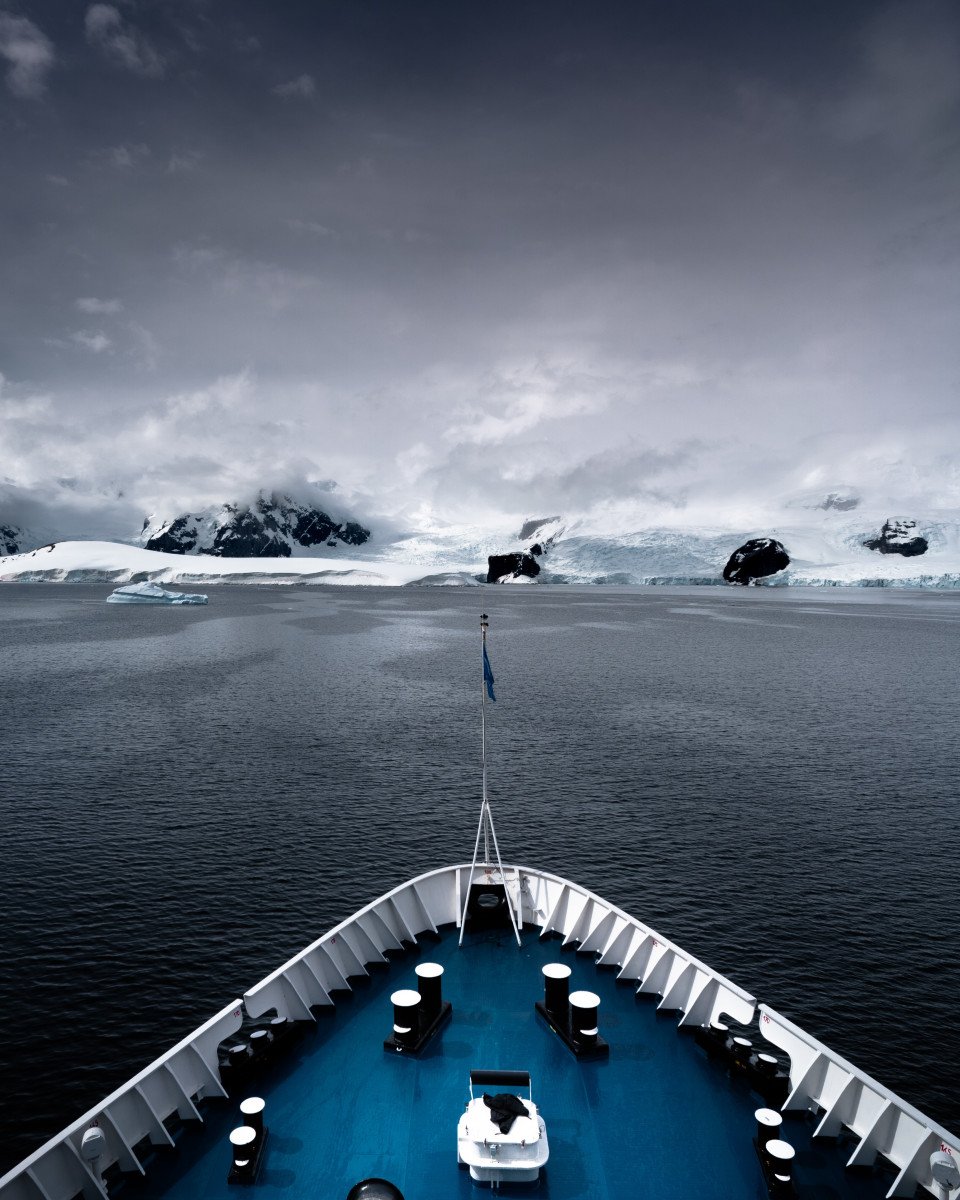
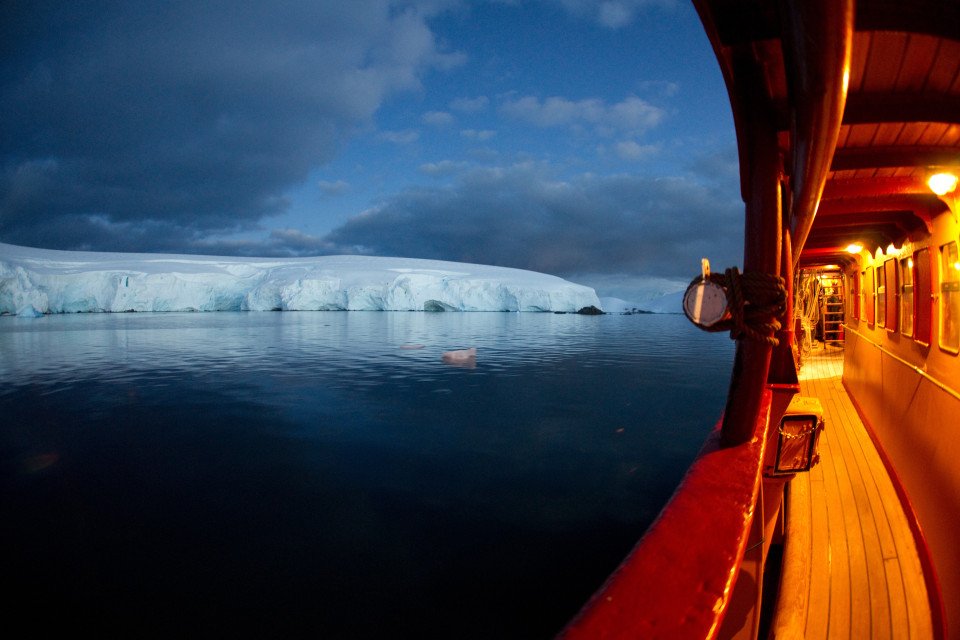
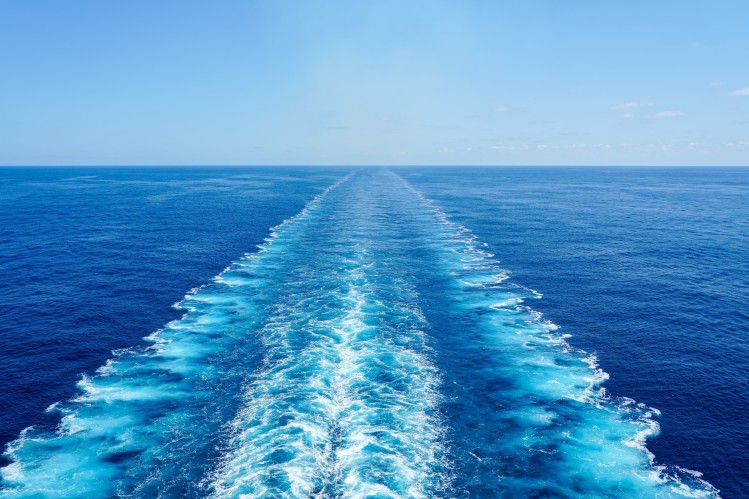
Sailing the legendary Drake Passage is an experience that few are ever lucky enough to experience. The southern tip of the Americas already feels like a wild enough environment – but the sensation of watching the distant cliffs of the peninsular known as the ‘End of the World’ fade into the horizon, is one that’s equal parts epic, eerie and magical. Set sail, to slowly drop off the bottom of the map from Cape Horn, and voyage on an expedition down into the icy underworld of Antarctica. Drake Passage is an extraordinary voyage of romantic ocean faring legend, as you aim for Antarctica’s icy realm. On arrival, skyscraper sized icebergs salute you, as you traverse the waters of this continent where snow and ice dwelling creatures like penguins and whales roam undisturbed. Your first sight of this most-unexplored place will most likely be the South Shetland Islands. Walk in the footsteps of some of history’s greatest and bravest explorers as you explore famed, snow-covered landmasses like Elephant and Deception Island. If the journey across Drake Passage sounds daunting, don’t worry – even in rough seas you’re never alone, and will often be accompanied on this spine-tingling adventure by soaring albatrosses and maybe even a protective pod of humpbacks and hourglass dolphins or two. Converging warm and cool ocean currents attract some spectacular animal life to the passage.
The Antarctic Sound is a stretch of water named after the first ship to have passed through this body of water from the Bransfield Strait to the Weddell Sea in 1902. The Antarctic eventually sank and crew and scientists had to spend quite some time in this area before they could be rescued. Sites that have to do with this story - like Hope Bay or Paulet Island - are sometimes visited. At Paulet, Hope Bay and Brown Bluff Adelie and Gentoo Penguins breed, as do Kelp Gulls and Cape Petrels, Snow Petrels and Skuas. The Sound’s main attractions are the spectacular tabular icebergs that come from the Larsen Ice Shelf further south.
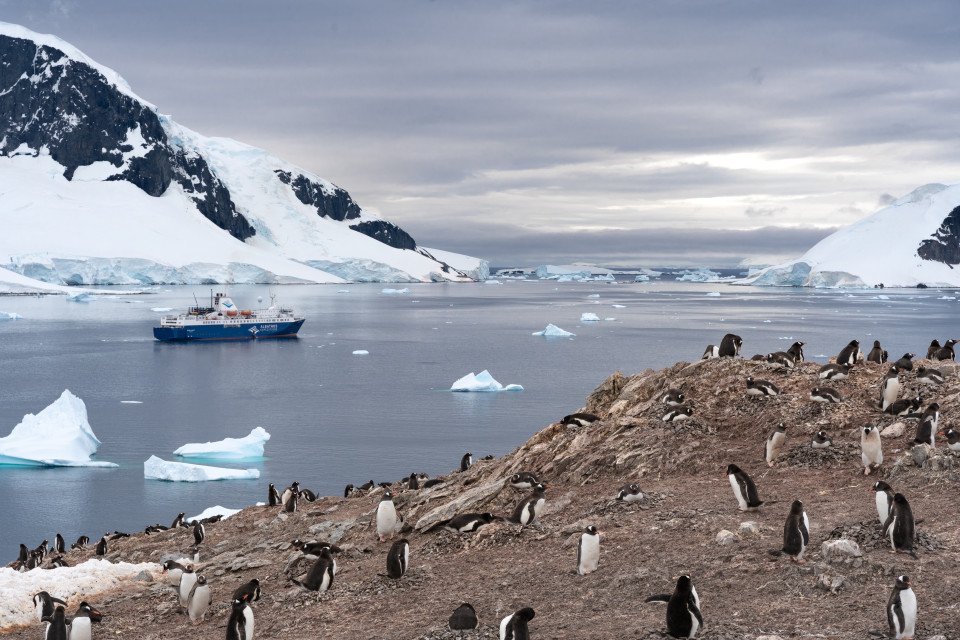
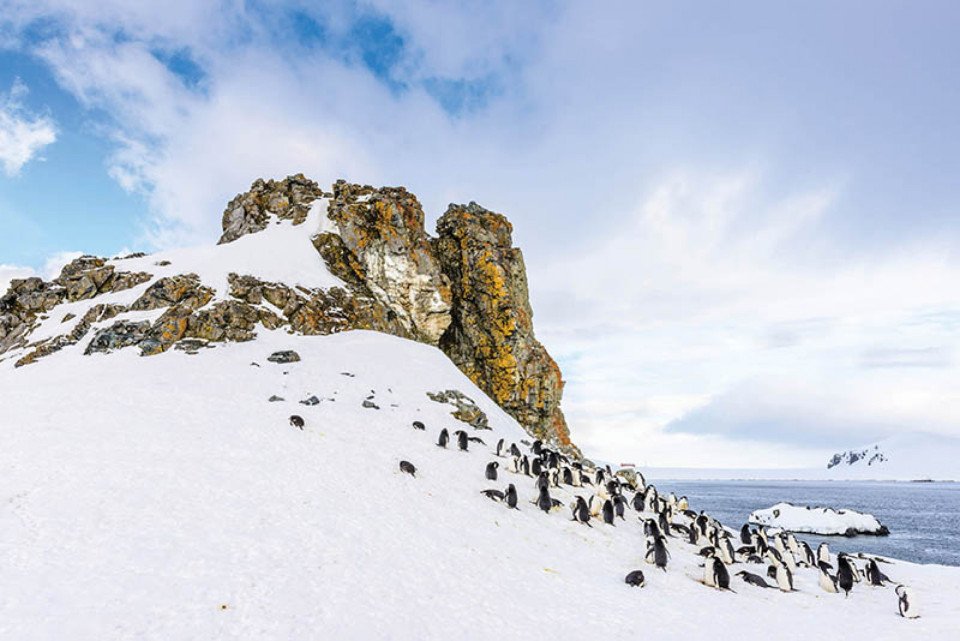
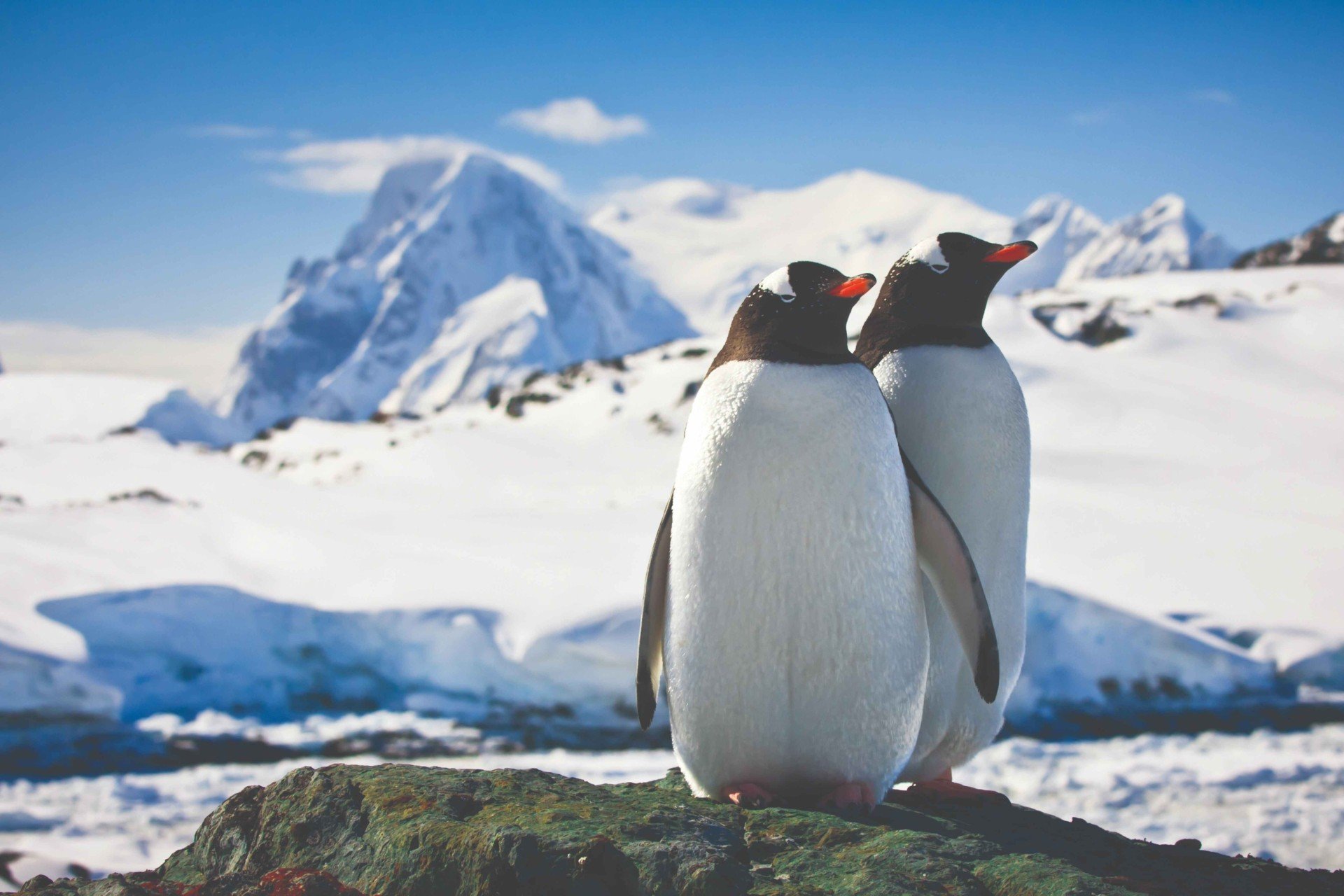
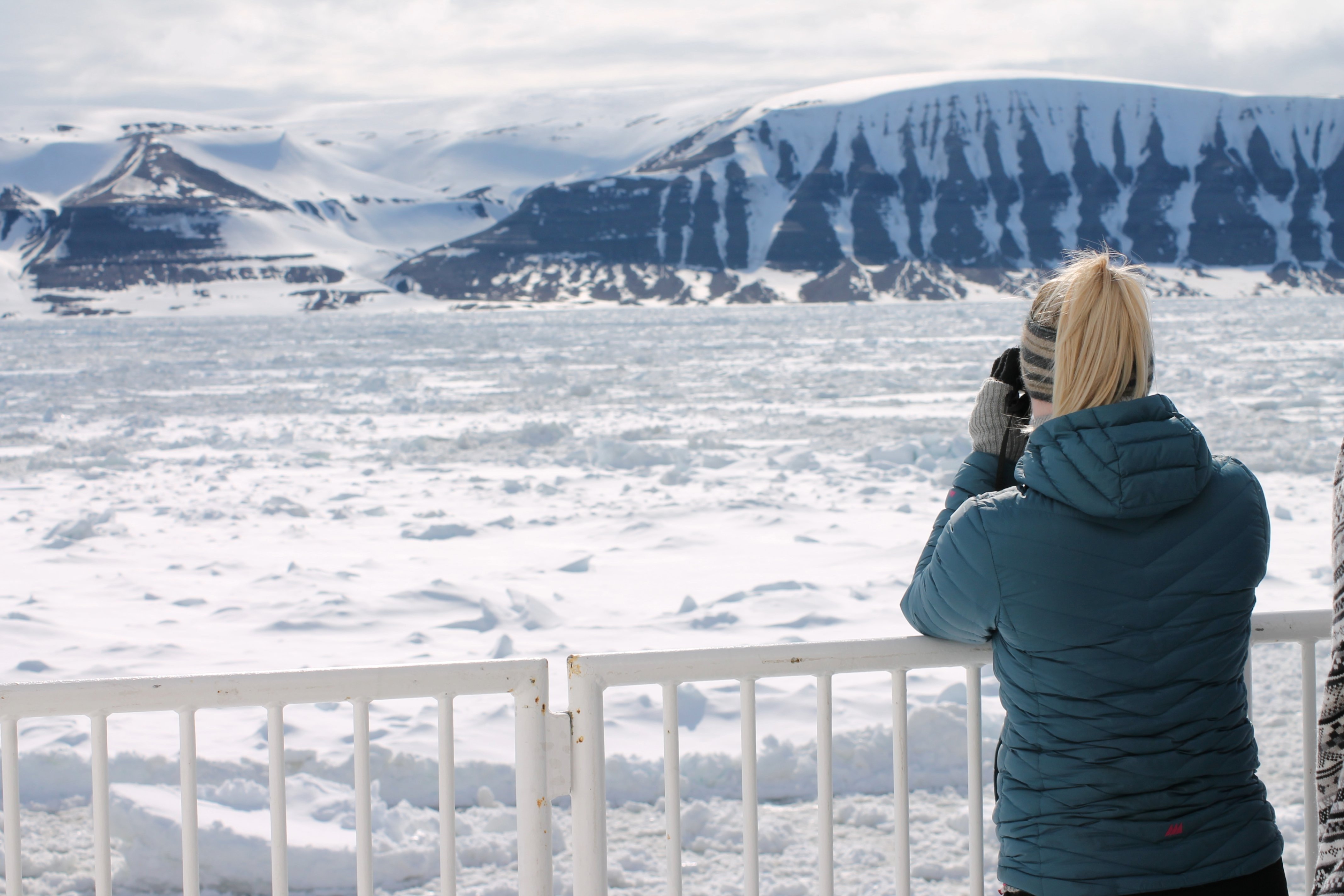
Remote and otherworldly, Antarctic is irresistible for its spectacular iceberg sculptures and calving glaciers, and for the possibility of up-close encounters with marine mammals and the iconic penguins. The Antarctic Peninsula – the main peninsula closest to South America – has a human history of almost 200 years, with explorers, sealers, whalers, and scientists who have come to work, and eventually intrepid visitors coming to enjoy this pristine and remote wilderness. It is a region of protected bays, unscaled snow-capped mountains, vast glaciers and a few places where whalers or scientists have worked. Just as irresistible are the many Gentoo and Chinstrap Penguin colonies, the seals basking on ice floes, the whales and orcas.
Some 770 kilometers (478 miles) south of Cape Horn, the South Shetland Islands are usually the first land seen in Antarctica. Separated from the Antarctic Peninsula by the Bransfield Strait, nine major islands make up the group. The region was the first to be exploited by sealers in the early 19th century, and because of its proximity to South America, it still is the most visited by scientists and tourists. Chinstrap, Adelie, Gentoo and Macaroni Penguins all breed here. In addition, because it is the warmest part of the continent, large moss beds as well as orange, black, grey and green lichens grow –even hair grass and pearlwort manage to survive. Leopard seals, Weddell seals, crabeater seals, Southern elephant seals and Antarctic fur seals can be seen in the water and on the beaches.
Sailing the legendary Drake Passage is an experience that few are ever lucky enough to experience. The southern tip of the Americas already feels like a wild enough environment – but the sensation of watching the distant cliffs of the peninsular known as the ‘End of the World’ fade into the horizon, is one that’s equal parts epic, eerie and magical. Set sail, to slowly drop off the bottom of the map from Cape Horn, and voyage on an expedition down into the icy underworld of Antarctica. Drake Passage is an extraordinary voyage of romantic ocean faring legend, as you aim for Antarctica’s icy realm. On arrival, skyscraper sized icebergs salute you, as you traverse the waters of this continent where snow and ice dwelling creatures like penguins and whales roam undisturbed. Your first sight of this most-unexplored place will most likely be the South Shetland Islands. Walk in the footsteps of some of history’s greatest and bravest explorers as you explore famed, snow-covered landmasses like Elephant and Deception Island. If the journey across Drake Passage sounds daunting, don’t worry – even in rough seas you’re never alone, and will often be accompanied on this spine-tingling adventure by soaring albatrosses and maybe even a protective pod of humpbacks and hourglass dolphins or two. Converging warm and cool ocean currents attract some spectacular animal life to the passage.
Valparaíso's dramatic topography—45 cerros, or hills, overlooking the ocean—requires the use of winding pathways and wooden ascensores (funiculars) to get up many of the grades. The slopes are covered by candy-color houses—there are almost no apartments in the city—most of which have exteriors of corrugated metal peeled from shipping containers decades ago. Valparaíso has served as Santiago's port for centuries. Before the Panama Canal opened, Valparaíso was the busiest port in South America. Harsh realities—changing trade routes, industrial decline—have diminished its importance, but it remains Chile's principal port. Most shops, banks, restaurants, bars, and other businesses cluster along the handful of streets called El Plan (the flat area) that are closest to the shoreline. Porteños (which means "the residents of the port") live in the surrounding hills in an undulating array of colorful abodes. At the top of any of the dozens of stairways, the paseos (promenades) have spectacular views; many are named after prominent Yugoslavian, Basque, and German immigrants. Neighborhoods are named for the hills they cover. With the jumble of power lines overhead and the hundreds of buses that slow down—but never completely stop—to pick up agile riders, it's hard to forget you're in a city. Still, walking is the best way to experience Valparaíso. Be careful where you step, though—locals aren't very conscientious about curbing their dogs.
For most of its history, windy Puerto Montt was the end of the line for just about everyone traveling in the Lake District. Now the Carretera Austral carries on southward, but for all intents and purposes Puerto Montt remains the region's last significant outpost, a provincial city that is the hub of local fishing, textile, and tourist activity.Today the city center is full of malls, condos, and office towers—it's the fastest-growing city in Chile—but away from downtown, Puerto Montt consists mainly of low clapboard houses perched above its bay, the Seno de Reloncaví. If it's a sunny day, head east to Playa Pelluco or one of the city's other beaches. If you're more interested in exploring the countryside, drive along the shore for a good view of the surrounding hills.
Strewn through the coast of Chile, these beautiful fjords are world renowned for being one of the most awe-inspiring places on earth. Snow-capped volcanoes nestle majestically alongside rolling valleys of ice and frosty glaciers. Rugged beauty, breathtaking scenery not to mention diverse and profuse wildlife abounds – expect to watch whales from the deck, see playful Magellan Penguins and perhaps even spot the rare Andean Condor. Affectionately named “The End of the World” by the Spaniards who discovered the region in eighteenth century in a quest to Christianise South America, these extraordinary waterways not only encompass a medley of jagged mountains and iceberg strewn bays, but feature a kaleidoscopic spectrum of unexpected colour that offers photographic opportunities like no other destination.
Tortel is a commune located in Southern Patagonia, a spectacular wilderness region of rugged mountains, glaciers, rivers and forests of infinite beauty. The uneven geography of Tortel shapes a unique landscape, characterized by an archipelagic area with numerous islands and channels. Tortel is known as the “footbridge city” for the unique beauty of its wooden walkways that connect the piers and houses of this quaint place through bridges and stairs, built from cypress wood, that run for four and a half miles around the cove and that respect the rich vegetation that grows under them. Even though it is the sixth largest commune in Chile, it has the lowest population of all with roughly 531 people. The history of the town dates back to 1520 when it was inhabited by nomadic Kawesqar, now extinct. Its definitive foundation was in 1955, after numerous attempts to populate the area. In 2001, it was declared by the Chilean government as a Picturesque Zone of National Heritage.
English Narrows refers to a narrow passage at the southern end of the Messier Channel in Chile’s Region XI, Aysen del General Carlos Ibanez del Campos. The region is Chile’s least populated and a few kilometers south of English Narrows is Puerto Eden, the only settlement along the entire Chilean Inside Passage. With Wellington Island to the west and surrounded by Chile’s largest national park, Bernardo O’Higgins National Park, the narrow passage is at times 180 meters wide, while the entire length is given as 18 kilometers. Low-lying islands and steep mountains are seen on both sides and the Magellanic subpolar forest with its evergreen trees of the genus Nothofagus has taken hold where possible. The strong currents require to pass English Narrows at slack tide and although most of the Messier Channel leading to English Narrows is quite deep, a shipwreck sitting on a bank some 20 kilometers north of the entrance to English Narrows shows why pilots are required by law in Chile.
WithinBernardo O’Higgins National Park the Pio XI Glacier (also known as BrüggenGlacier after the German geologist Johannes Brüggen) is found at the terminusof the 23 nautical miles long Eyre Fjord, one of the fjords coming from thenortheast and the Southern Patagonian Ice Field. The fjord and its shores wereformerly used by the nomadic Kaweskar to hunt, while the glacier was one oftheir sacred sites. Pio XI Glacier is the largest western outflow of theSouthern Patagonian Ice Field and is South America’s longest glacier and thelargest in the Southern Hemisphere outside of Antarctica. One of the fewadvancing glaciers, its front has a width of 4.5 kilometers, a height ofapproximately 80 meters and shows several central moraines, indicating thatGreve Glacier and Occidental Glacier to the north once joined the glacialtongue. Approaching the glacier by ship and by Zodiac safe distances will bemaintained, as the glacier shows extensive mudflats on its southeastern sideleading to Exmouth Fjord and calvings can always occur. The rocky shore showssigns of Nothofagus trees and the temperate Magellanic rain forest where theextremely rare and endangered South Andean deer, locally known as the huemul,has been sighted. Chilean and Peale’s dolphins and the endangered southernriver otters have been recorded, and South American sea lions can be seen.Among the birds expected are Imperial Shags, South American Terns, Brown-hoodedGulls, Kelp Gulls, Kelp Geese, and Fuegian Steamer Ducks.
Strewn through the coast of Chile, these beautiful fjords are world renowned for being one of the most awe-inspiring places on earth. Snow-capped volcanoes nestle majestically alongside rolling valleys of ice and frosty glaciers. Rugged beauty, breathtaking scenery not to mention diverse and profuse wildlife abounds – expect to watch whales from the deck, see playful Magellan Penguins and perhaps even spot the rare Andean Condor. Affectionately named “The End of the World” by the Spaniards who discovered the region in eighteenth century in a quest to Christianise South America, these extraordinary waterways not only encompass a medley of jagged mountains and iceberg strewn bays, but feature a kaleidoscopic spectrum of unexpected colour that offers photographic opportunities like no other destination.
Impenetrable forests, impassable mountains, and endless fields of ice define Chilean Patagonia, and meant that the region went largely unexplored until the beginning of the 20th century. Located in the southernmost part of the country, this area is still sparsely inhabited, though you will find a few populated places—like the colorful provincial city of Punta Arenas, which looks like it's about to be swept into the Strait of Magellan. Some unique wildlife, particularly colonies of elephant seals and penguins, call this breathtaking topography home. To the north is Parque Nacional Torres del Paine, the country's most magnificent natural wonder, and whose snow-covered peaks seem to rise vertically from the plains below. The vistas, such as the fantastic Avenue of the Glaciers, are breathtaking; along this stretch of the Beagle Channel, you can pass six tremendous glaciers all within a stone's throw of each other.Cruise SightsPunta Arenas. Founded a little more than 150 years ago, Punta Arenas (Sandy Point) was Chile's first permanent settlement in Patagonia. Plaza Muñoz Gamero, the central square, is surrounded by evidence of that early prosperity: buildings whose then-opulent brick exteriors recall a time when this was one of Chile's wealthiest cities. The newer houses here have colorful tin roofs, best appreciated when seen from a high vantage point such as the Mirador Cerro la Cruz. Although the city as a whole may not be particularly attractive, look for details: the pink-and-white house on a corner, the bay window full of potted plants, parking attendants wearing the regional blue and yellow colors, and schoolchildren in identical naval pea coats that remind you that the city's fate is tied to the sea.The Museo Naval y Marítimo extols Chile's high-seas prowess, particularly concerning Antarctica. Its exhibits are worth a visit for anyone with an interest in ships and sailing, merchant and military alike. Part of the second floor is designed like the interior of a ship, including a map and radio room. Pedro Montt 989. Admission charged.Housed in what was once the mansion of the powerful Braun-Menéndez family, the Museo Regional de Magallanes is an intriguing glimpse into the daily life of a wealthy provincial family at the beginning of the 20th century. Lavish Carrara marble hearths, English bath fixtures, and cordovan leather walls are among the original accoutrements. The museum also has an excellent group of displays depicting Punta Arenas's past, from the first European contact to the town's decline after the opening of the Panama Canal. The museum is half a block north of the main square. Magallanes 949. Admission charged.The resplendent 1895 Palacio Sara Braun is a national landmark and an architectural showpiece of southern Patagonia. Designed by a French architect, the house was built from materials and by craftsmen imported from Europe during the four years of construction. The city's central plaza and surrounding buildings soon followed, ushering in the region's golden era. Noteworthy are the lavish bedrooms, magnificent parquet floors, marble fireplaces, and hand-painted ceilings. Don't miss the portraits of Braun and her husband José Nogueira in the music room. Afterwards, head to the cellar for a drink or snack in the warm public tavern (a good portion of the mansion is leased to a hotel). Plaza Muñoz Gamero 716. Admission charged.Commonly referred to simply as "El Salesiano," the Museo Salesiano de Maggiorino Borgatello is operated by Italian missionaries whose order arrived in Punta Arenas in the 19th century. The Salesians, most of whom spoke no Spanish, proved to be daring explorers. Traveling throughout the region, they collected the artifacts made by indigenous tribes that are currently on display. Av. Bulnes 398. Admission charged.Isla Magdalena. Punta Arenas is the launching point for a boat trip to the Isla Magdalena to see the more than 100,000 Magellanic penguins at the Monumento Natural Los Pingúinos. A single trail, marked off by rope, is accessible to humans. The boat trip to the island, in the middle of the Estrecho de Magallanes, takes about two hours. Make sure to bring along warm clothing, even in summer; the island can be chilly, particularly if a breeze is blowing across the water.Parque Nacional Torres del Paine. Some 12 million years ago, lava flows pushed up through the thick sedimentary crust that covered the southwestern coast of South America, cooling to form a granite mass. Glaciers then swept through the region, grinding away all but the ash-gray spires that rise over the landscape of one of the world's most beautiful natural phenomena, now the Parque Nacional Torres del Paine (established in 1959). Snow formations dazzle along every turn of road, and the sunset views are spectacular.Among the 2,420-square-km (934-square-mi) park's most beautiful attractions are its lakes of turquoise, aquamarine, and emerald green waters. Another draw is its unusual wildlife. Creatures like the guanaco (a woollier version of the llama) and the ñandú (resembling a small ostrich) abound. They are used to visitors and don't seem to be bothered by the proximity of automobile traffic and the snapping of cameras. Predators, like the gray fox, make less frequent appearances. You may also spot the dramatic aerobatics of a falcon and the graceful soaring of the endangered condor. The beautiful puma is especially elusive, but sightings have become more common. Admission charged.Pingúinera de Seno Otway. The road to this penguin sanctuary begins 30 km (18 mi) north of Punta Arenas. Magellanic penguins, which live up to 20 years in the wild, return to their birthplace here every year to mate with the same partner. For about 2,000 penguin couples—no single penguins make the trip—home is this desolate and windswept land off the Otway Sound. In late September, the penguins begin to arrive from the southern coast of Brazil and the Falkland Islands. They mate and lay their eggs in early October, and brood their eggs in November. Offspring hatch between mid-November and early December. If you're lucky, you may catch sight of one of the downy gray chicks that stick their heads out of the burrows when their parents return to feed them. Otherwise you might see scores of the ungainly adult penguins waddling to the ocean from their nesting burrows. They swim for food every eight hours and dive up to 100 feet deep. The penguins depart from the sound in late March. Note that the sanctuary is a 1-km (1/2-mi) walk from the parking lot. It gets chilly, so bring a windbreaker. Admission charged.Reserva Nacional Laguna Parillar. This 47,000-acre reserve lies west of Puerto Hambre, a tranquil fishing village, and is centered around a shimmering lake in a valley flanked by hills. It's a great place for a picnic, and there are a number of well-marked paths that offer sweeping vistas over the Estrecho de Magallanes. About 2 km (1 mi) west of Puerto Hambre is a small white monolith that marks the geographical center of Chile, the midway point between Chile's northern port Arica and the South Pole.Cruise ShoppingWool may no longer be king of the economy, but vast flocks of sheep still yield a high-quality product that is woven into the clothing here. Leather products are also common, but the prices are not necessarily low. About 3 km (2 mi) north of Punta Arenas is the Zona Franca (Av. Bulnes). This duty-free zone is where people from all around the region come for low-priced electronics and other consumer items.
At 55 degrees latitude south, Ushuaia (pronounced oo-swy-ah) is closer to the South Pole than to Argentina's northern border with Bolivia. It is the capital and tourism base for Tierra del Fuego, the island at the southernmost tip of Argentina.Although its stark physical beauty is striking, Tierra del Fuego's historical allure is based more on its mythical past than on rugged reality. The island was inhabited for 6,000 years by Yámana, Haush, Selk'nam, and Alakaluf Indians. But in 1902 Argentina, eager to populate Patagonia to bolster its territorial claims, moved to initiate an Ushuaian penal colony, establishing the permanent settlement of its most southern territories and, by implication, everything in between.When the prison closed in 1947, Ushuaia had a population of about 3,000, made up mainly of former inmates and prison staff. Today the Indians of Darwin's "missing link" theory are long gone—wiped out by diseases brought by settlers and by indifference to their plight—and the 60,000 residents of Ushuaia are hitching their star to tourism.The city rightly (if perhaps too loudly) promotes itself as the southernmost city in the world (Puerto Williams, a few miles south on the Chilean side of the Beagle Channel, is a small town). You can make your way to the tourism office to get your clichéd, but oh-so-necessary, "Southernmost City in the World" passport stamp. Ushuaia feels like a frontier boomtown, at heart still a rugged, weather-beaten fishing village, but exhibiting the frayed edges of a city that quadrupled in size in the '70s and '80s and just keeps growing. Unpaved portions of Ruta 3, the last stretch of the Pan-American Highway, which connects Alaska to Tierra del Fuego, are finally being paved. The summer months (December through March) draw more than 120,000 visitors, and dozens of cruise ships. The city is trying to extend those visits with events like March's Marathon at the End of the World and by increasing the gamut of winter activities buoyed by the excellent snow conditions.A terrific trail winds through the town up to the Martial Glacier, where a ski lift can help cut down a steep kilometer of your journey. The chaotic and contradictory urban landscape includes a handful of luxury hotels amid the concrete of public housing projects. Scores of "sled houses" (wooden shacks) sit precariously on upright piers, ready for speedy displacement to a different site. But there are also many small, picturesque homes with tiny, carefully tended gardens. Many of the newer homes are built in a Swiss-chalet style, reinforcing the idea that this is a town into which tourism has breathed new life. At the same time, the weather-worn pastel colors that dominate the town's landscape remind you that Ushuaia was once just a tiny fishing village, snuggled at the end of the Earth.As you stand on the banks of the Canal Beagle (Beagle Channel) near Ushuaia, the spirit of the farthest corner of the world takes hold. What stands out is the light: at sundown the landscape is cast in a subdued, sensual tone; everything feels closer, softer, and more human in dimension despite the vastness of the setting. The snowcapped mountains reflect the setting sun back onto a stream rolling into the channel, as nearby peaks echo their image—on a windless day—in the still waters.Above the city rise the last mountains of the Andean Cordillera, and just south and west of Ushuaia they finally vanish into the often-stormy sea. Snow whitens the peaks well into summer. Nature is the principal attraction here, with trekking, fishing, horseback riding, wildlife spotting, and sailing among the most rewarding activities, especially in the Parque Nacional Tierra del Fuego (Tierra del Fuego National Park).
Sailing the legendary Drake Passage is an experience that few are ever lucky enough to experience. The southern tip of the Americas already feels like a wild enough environment – but the sensation of watching the distant cliffs of the peninsular known as the ‘End of the World’ fade into the horizon, is one that’s equal parts epic, eerie and magical. Set sail, to slowly drop off the bottom of the map from Cape Horn, and voyage on an expedition down into the icy underworld of Antarctica. Drake Passage is an extraordinary voyage of romantic ocean faring legend, as you aim for Antarctica’s icy realm. On arrival, skyscraper sized icebergs salute you, as you traverse the waters of this continent where snow and ice dwelling creatures like penguins and whales roam undisturbed. Your first sight of this most-unexplored place will most likely be the South Shetland Islands. Walk in the footsteps of some of history’s greatest and bravest explorers as you explore famed, snow-covered landmasses like Elephant and Deception Island. If the journey across Drake Passage sounds daunting, don’t worry – even in rough seas you’re never alone, and will often be accompanied on this spine-tingling adventure by soaring albatrosses and maybe even a protective pod of humpbacks and hourglass dolphins or two. Converging warm and cool ocean currents attract some spectacular animal life to the passage.
The Antarctic Sound is a stretch of water named after the first ship to have passed through this body of water from the Bransfield Strait to the Weddell Sea in 1902. The Antarctic eventually sank and crew and scientists had to spend quite some time in this area before they could be rescued. Sites that have to do with this story - like Hope Bay or Paulet Island - are sometimes visited. At Paulet, Hope Bay and Brown Bluff Adelie and Gentoo Penguins breed, as do Kelp Gulls and Cape Petrels, Snow Petrels and Skuas. The Sound’s main attractions are the spectacular tabular icebergs that come from the Larsen Ice Shelf further south.
Remote and otherworldly, Antarctic is irresistible for its spectacular iceberg sculptures and calving glaciers, and for the possibility of up-close encounters with marine mammals and the iconic penguins. The Antarctic Peninsula – the main peninsula closest to South America – has a human history of almost 200 years, with explorers, sealers, whalers, and scientists who have come to work, and eventually intrepid visitors coming to enjoy this pristine and remote wilderness. It is a region of protected bays, unscaled snow-capped mountains, vast glaciers and a few places where whalers or scientists have worked. Just as irresistible are the many Gentoo and Chinstrap Penguin colonies, the seals basking on ice floes, the whales and orcas.
Some 770 kilometers (478 miles) south of Cape Horn, the South Shetland Islands are usually the first land seen in Antarctica. Separated from the Antarctic Peninsula by the Bransfield Strait, nine major islands make up the group. The region was the first to be exploited by sealers in the early 19th century, and because of its proximity to South America, it still is the most visited by scientists and tourists. Chinstrap, Adelie, Gentoo and Macaroni Penguins all breed here. In addition, because it is the warmest part of the continent, large moss beds as well as orange, black, grey and green lichens grow –even hair grass and pearlwort manage to survive. Leopard seals, Weddell seals, crabeater seals, Southern elephant seals and Antarctic fur seals can be seen in the water and on the beaches.
Sailing the legendary Drake Passage is an experience that few are ever lucky enough to experience. The southern tip of the Americas already feels like a wild enough environment – but the sensation of watching the distant cliffs of the peninsular known as the ‘End of the World’ fade into the horizon, is one that’s equal parts epic, eerie and magical. Set sail, to slowly drop off the bottom of the map from Cape Horn, and voyage on an expedition down into the icy underworld of Antarctica. Drake Passage is an extraordinary voyage of romantic ocean faring legend, as you aim for Antarctica’s icy realm. On arrival, skyscraper sized icebergs salute you, as you traverse the waters of this continent where snow and ice dwelling creatures like penguins and whales roam undisturbed. Your first sight of this most-unexplored place will most likely be the South Shetland Islands. Walk in the footsteps of some of history’s greatest and bravest explorers as you explore famed, snow-covered landmasses like Elephant and Deception Island. If the journey across Drake Passage sounds daunting, don’t worry – even in rough seas you’re never alone, and will often be accompanied on this spine-tingling adventure by soaring albatrosses and maybe even a protective pod of humpbacks and hourglass dolphins or two. Converging warm and cool ocean currents attract some spectacular animal life to the passage.
This holiday is generally suitable for persons with reduced mobility. For customers with reduced mobility or any medical condition that may require special assistance or arrangements to be made, please notify your Cruise Concierge at the time of your enquiry, so that we can provide specific information as to the suitability of the holiday, as well as make suitable arrangements with the Holiday Provider on your behalf.
Silver Cloud Ship Facts
Silver Cloud was launched in 1994
The gross tonnage is 17400
The width of Silver Cloud is 21 meters
The maximum speed of the ship is 18 knots per hour
The length of Silver Cloud is 155 meters
The currency taken on Silver Cloud is USD
Silver Cloud has 212 cabin crew members
The ship has 7 decks
Silver Cloud has 126 cabins on board
It also has 2 wheelchair cabins on board
Best Time to Travel
Penguins
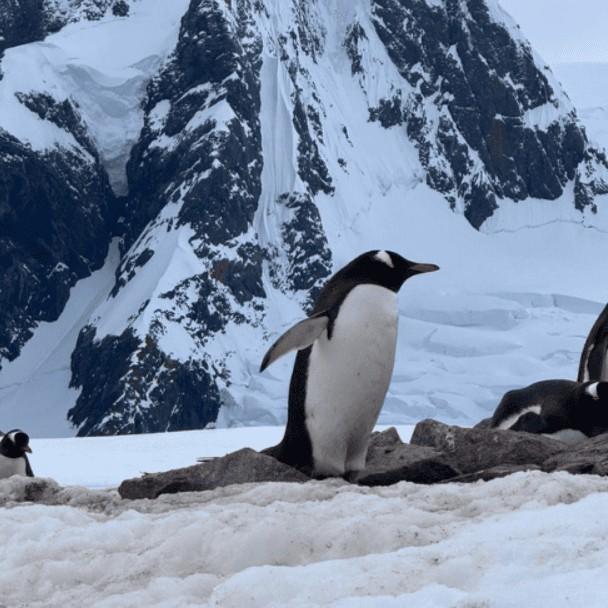
As the sea ice retreats during the summer months, the feeding zones become rich with krill, and the ships can gain better access to the colonies of penguins. As well as being the peak breeding season, chicks begin to hatch between December and January, so you can watch the adults feeding their young. With the longer daylight hours, Antarctica never sleeps, so there is constant activity for explorers to look out for.
Jan
Feb
Mar
Apr
May
Jun
Jul
Aug
Sep
Oct
Nov
Dec
Best time
Good time
Whales
By late summer, the krill population reaches its peak, marking feeding season for whales in Antarctica. They are increasingly active during this time before they migrate to the North for warmer climes, so expect frequent sightings of humpbacks, minkes and orcas concentrating to feed.
Jan
Feb
Mar
Apr
May
Jun
Jul
Aug
Sep
Oct
Nov
Dec
Best time
Good time
Seals
Hatching season for seal pups takes place between November and January, after which the adults will find sections of stable ice to settle on. They are most visible when the ice has begun to melt during the summer, becoming more accessible for expedition ships to navigate and easier to observe from shore landings and zodiac excursions.
Jan
Feb
Mar
Apr
May
Jun
Jul
Aug
Sep
Oct
Nov
Dec
Best time
Good time
Icebergs
Icebergs are formed when the glaciers begin to calve, which is when they split and shed into the sea. Warmer temperatures increase this process, so the best time to see them is during the summer, when the sea ice has melted and the ships can access iceberg-rich areas. Early November will see pristine dramatic landscapes with more dramatic formations. Mid to late season will see smaller icebergs, but longer daylight hours cause them to glow an electric blue, ideal for capturing stunning photos.
Jan
Feb
Mar
Apr
May
Jun
Jul
Aug
Sep
Oct
Nov
Dec
Best time
Good time
Explore Silver Cloud
The Grill
A poolside al fresco favorite, The Grill is casual by day and captivating by night. Dig in to crisp salads and grilled classics during lunch, then return after sunset for masterfully seasoned and seared cuts paired with balmy sea breezes.
Dress code: Casual
Casual wear consists of pants, blouses, or casual dresses for women; open-neck shirts and slacks for men are appropriate.
Images are intended as a general reference. Features, materials, finishes and layout may be different than shown.
La Dame
Experience the pinnacle of French gastronomy at La Dame, where sophistication meets tradition. Here, an exclusive tasting menu unfolds course by course — each plate a study in masterful technique, seasonal ingredients, and modern refinement. From classic Kir Royales to exquisite signatures such as Dover sole à la Grenobloise, this is haute cuisine at its finest.
Per guest reservation fee of US$60. Please visit My Silversea to make your reservations.
Le Terrazza
La Terrazza elevates casual dining by day and delivers an authentic Italian experience by night. During the breakfast and lunch buffets, our master chefs prepare global favorites at live stations. As evening falls, handmade pastas and classic seafood dishes are the centerpiece — every impeccable bite paired with fine wines from around the world.
The Restaurant
The Restaurant transforms dining into an extraordinary journey of taste. Indulge in international delicacies, refined classics, and destination-driven creations that reflect the flavors of the region you’re exploring. From breakfast favorites to imaginative evening courses, every meal draws inspiration from your voyage.
Shore Excursions
Local Immersion, Lasting Impressions Authentic Cultural Connections
Every destination tells a story — and Silversea Shore Excursions reveal these stories inviting you to venture beyond the ordinary. Enjoy privileged access to cultural treasures and natural wonders often out of reach for independent travelers. Each excursion is thoughtfully designed by experts to foster genuine connections with local communities, customs, and landscapes. From intimate small-group adventures and signature S.A.L.T. Experiences to personalized private tours, we offer diverse options to match your interests and desired level of immersion — making every moment meaningful and memorable.
Choose your experience, write your own story
Highlight Experiences Seamless tours of iconic sites
Explore iconic landmarks and cultural treasures with our Highlight Experiences, half or full-day adventures led by expert guides. Enjoy seamless, hassle-free journeys to must- see attractions — perfect for guests seeking a convenient, turnkey experience.
Signature Experiences Smaller tours, crafted by Silversea
These immersive Signature Experiences offer privileged access and personalized interactions with local experts. These experiences are perfect for those seeking meaningful, social exploration who want to connect with destinations through authentic dining and slow travel.
Private Experiences Exclusive tours for your group
Create your own exclusive adventure with a dedicated vehicle, driver, and guide. Explore at your pace, linger, or spontaneously discover new sites. Available at most ports for half- or full-day bookings, Private Experiences are ideal for families seeking privacy and flexibility.
Custom Experiences Tailor-made tours designed for you
Enjoy personalized Custom Experiences tailored to your interests, with exclusive access and specialized guides. Our team handles every detail, ensuring unforgettable moments that exceed your expectations—crafted entirely around your pace and preferences.
Overland Experiences Mid-cruise, inland tours
Venture inland on two- to three-day journeys to iconic sites like the Taj Mahal or Angkor Wat. With flights, stays, and guided access included, these immersive journeys offer rare experiences beyond the coast — all with the signature Silversea service.
Zodiac Adventures
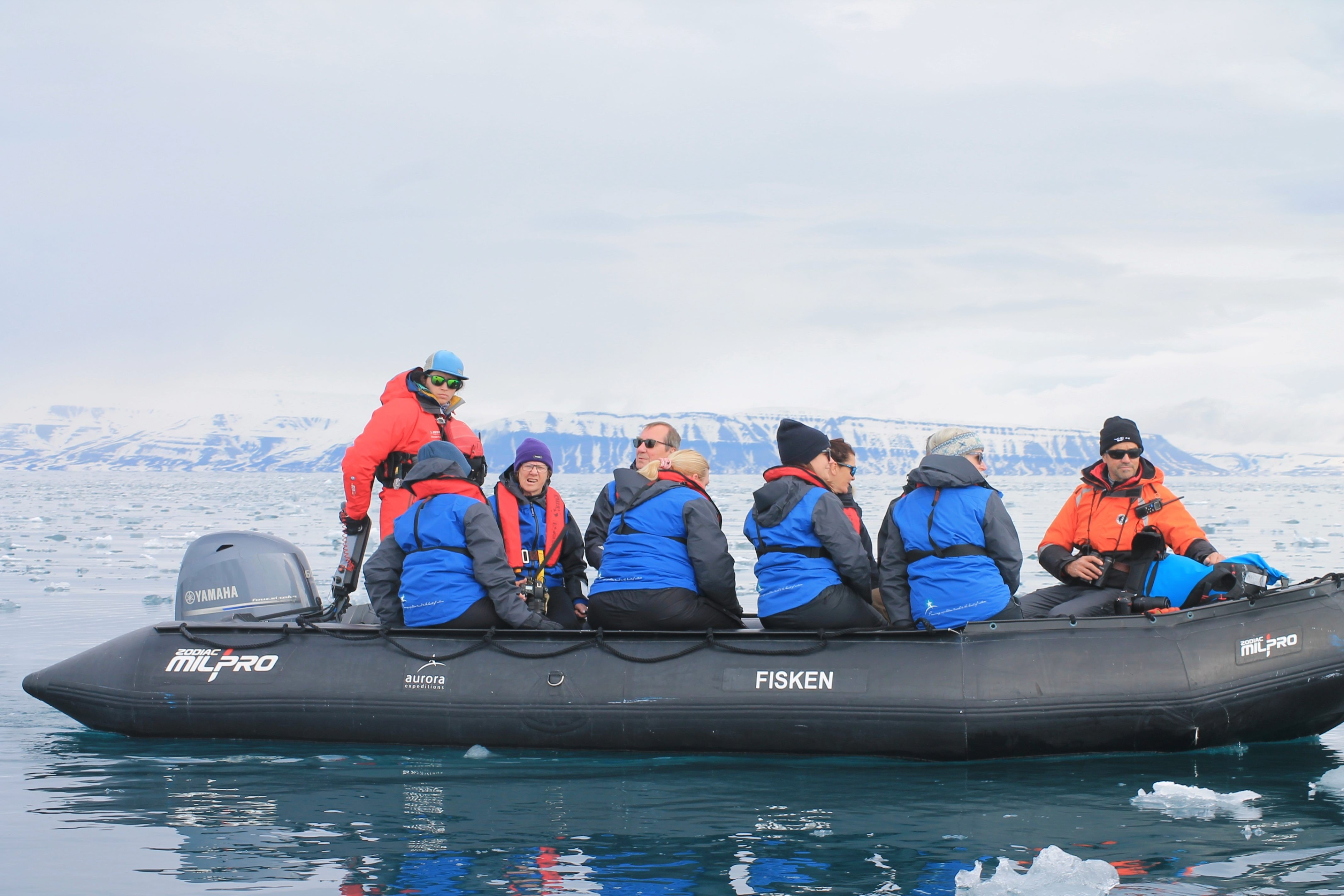
Zodiac® boats are used almost daily to access remote areas. These small, rigid-inflatable vessels navigate narrow inlets, islets, and ice floes with precision, designed for safety and reliability, they ensure a secure and efficient explorations.
Hiking Exploration
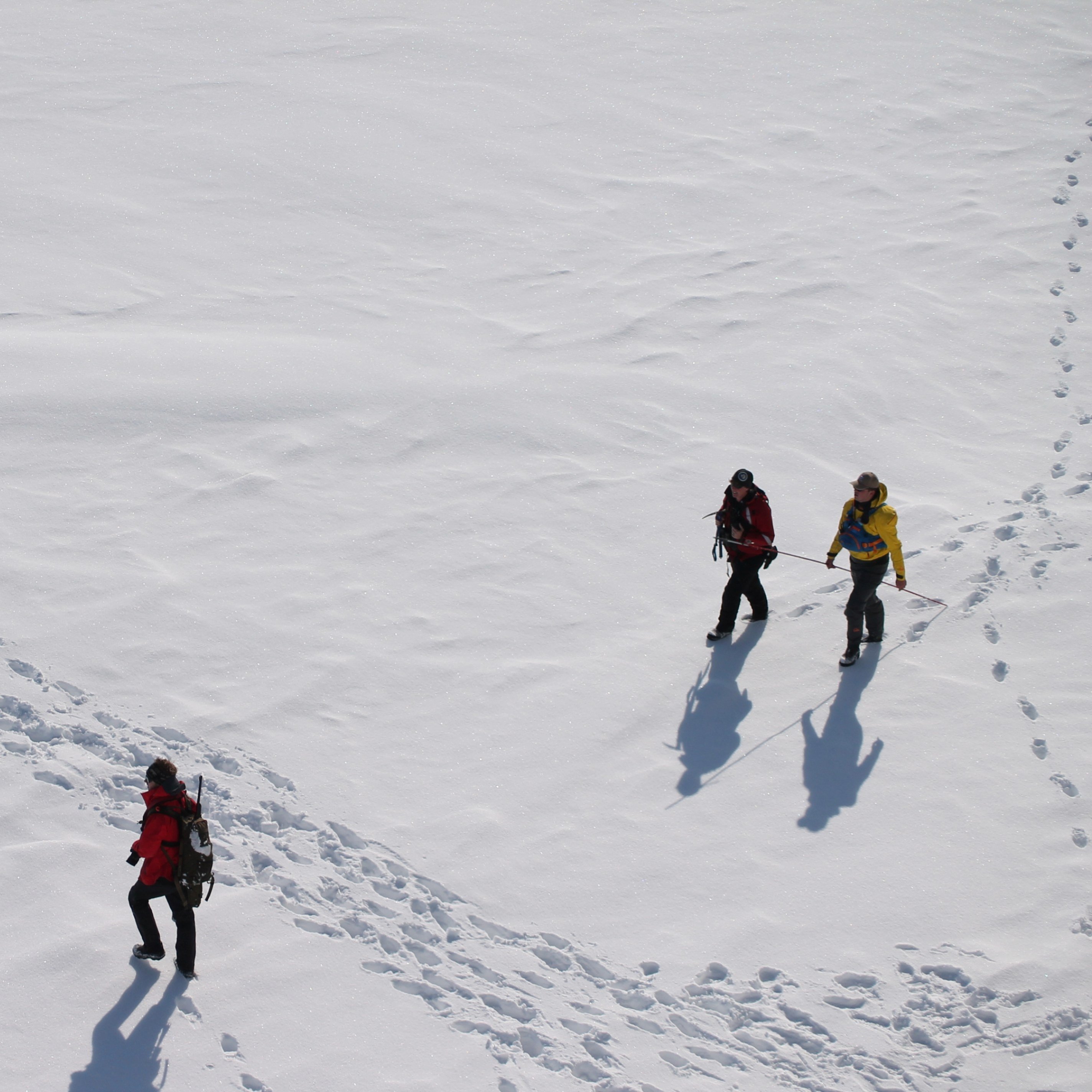
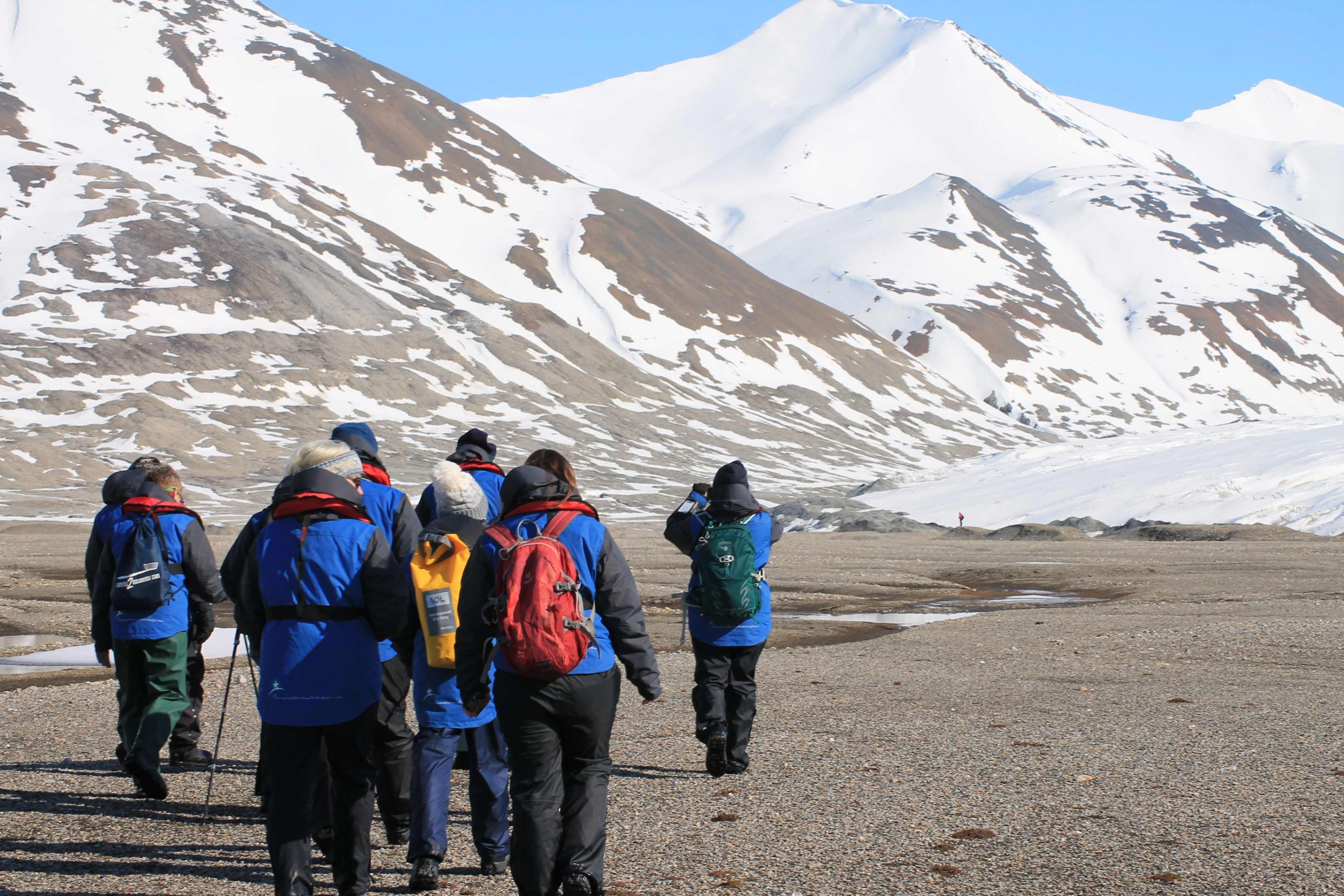
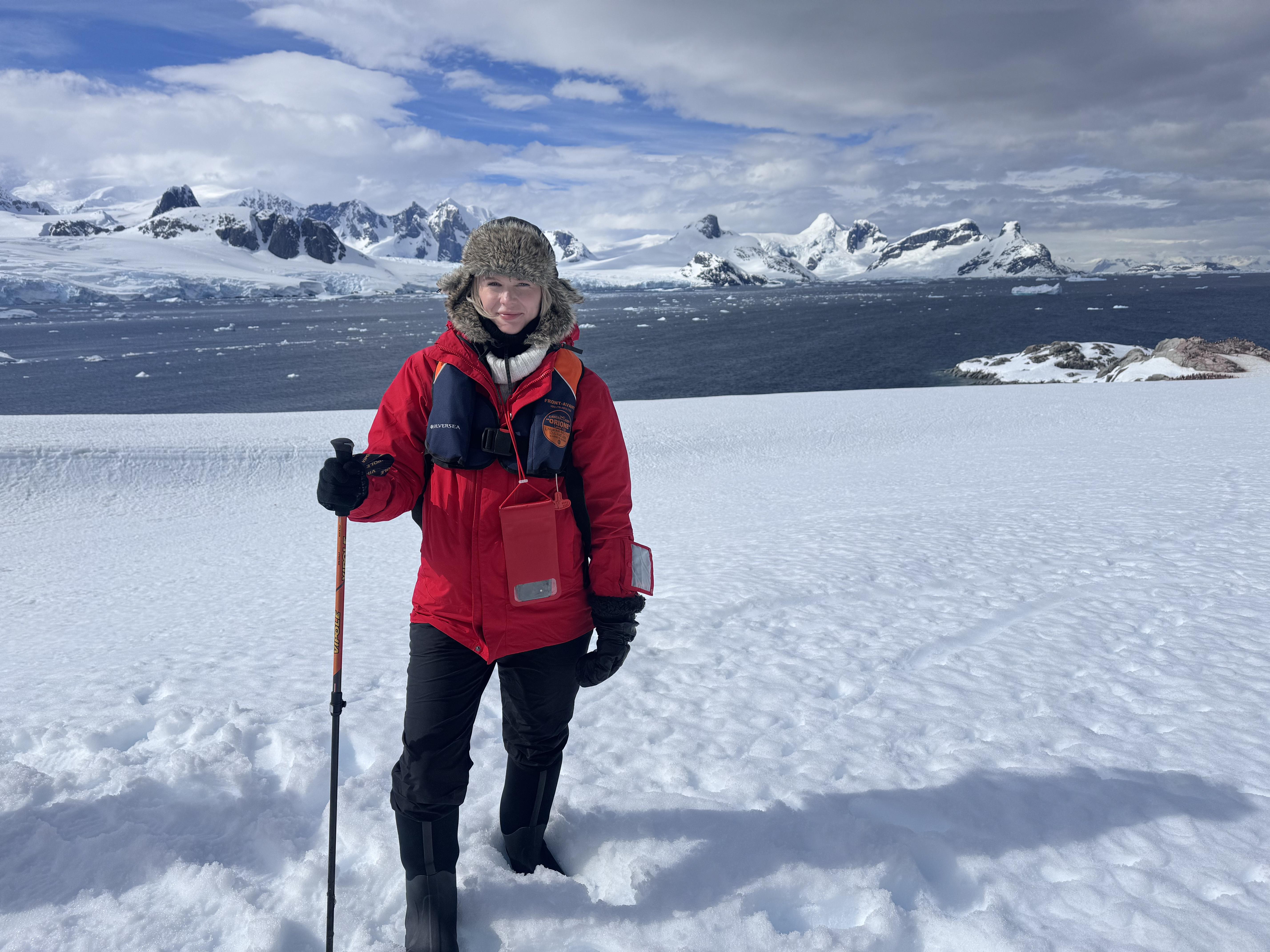
Hike across pristine landscapes, where the great polar explorers went before you, to unveil incredible vistas, observe penguin colonies, discover unique vegetation, and encounter local communities.
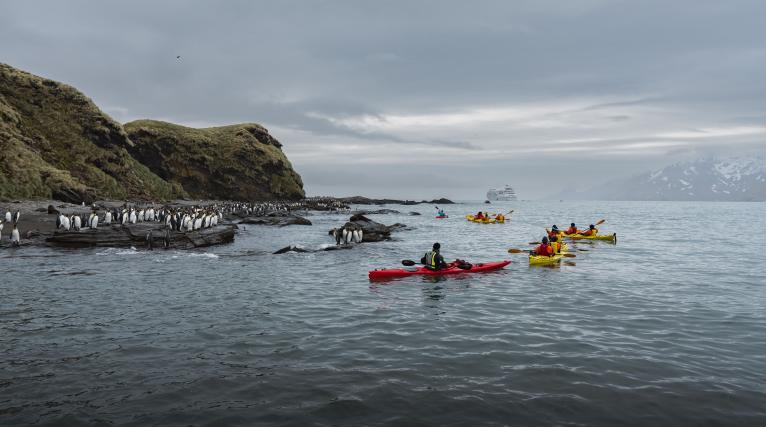
Kayaking Exploration
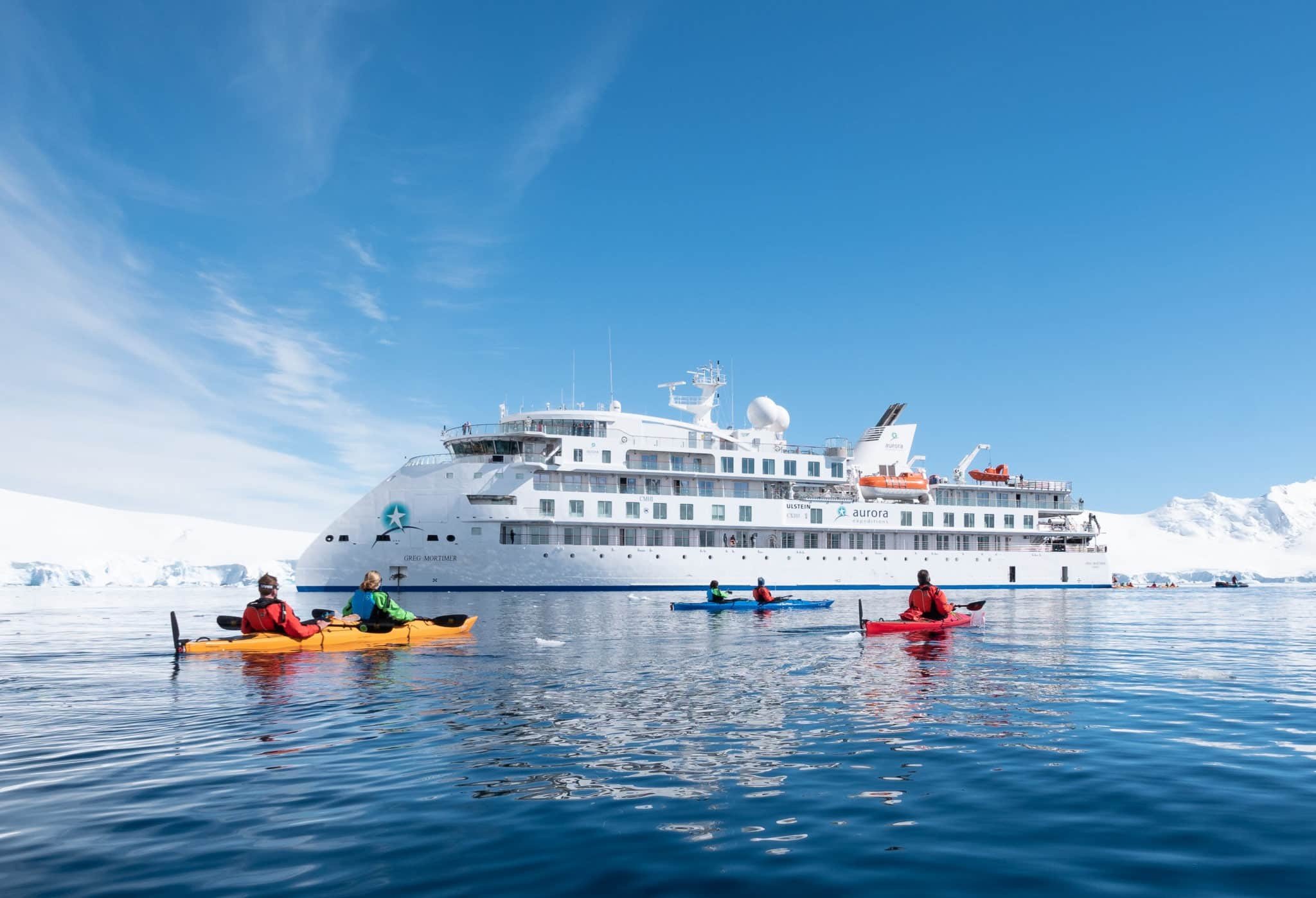
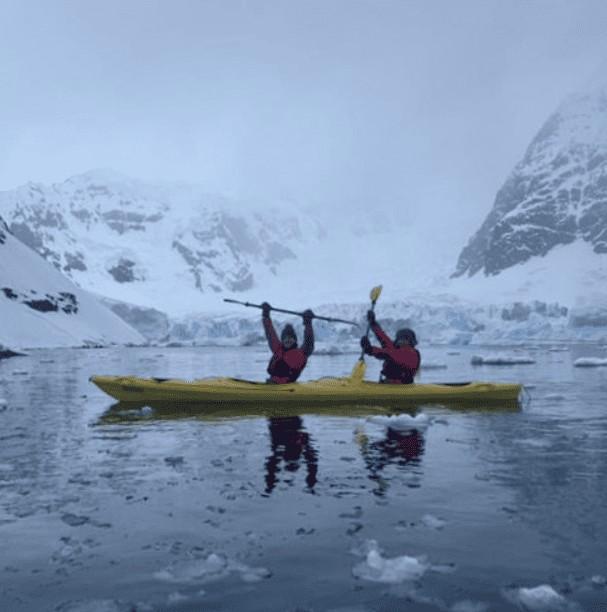
There's nothing like floating alongside a glacier in silence or having a curious seal glide beside you. Under the guidance of our certified kayak instructors, you'll experience all this and more.
Dolce Vita
Surrender to a world of Italian elegance where the art of aperitivo takes pride of place. Ideal for connecting over spritzes, negronis, and light bites, here each evening feels like a celebration. As laughter lingers, crystal glasses clink, and live piano notes ripple through the air, Dolce Vita compels you to savor the sweetness of life on board.
Connoisseur's Corner
As evening stretches into night, Connoisseur’s Corner offers a stylish refuge for those who appreciate the time-honored rituals of smoke and spirit. Sink into tufted leather chairs with a hand-rolled cigar and a glass of one of our finest cognacs or whiskeys. Indoors or under the stars, every moment is marked by pure indulgence.
Observation Lounge
Wrapped in glass and bathed in light, the Observation Lounge offers a serene escape high above the sea. Borrow a book from the in-house library, pour yourself a coffee or tea from the self-service bar, and curl into an armchair to watch the world drift by. This is a sanctuary for reflection, relaxation, and stories — both written and still in the making.
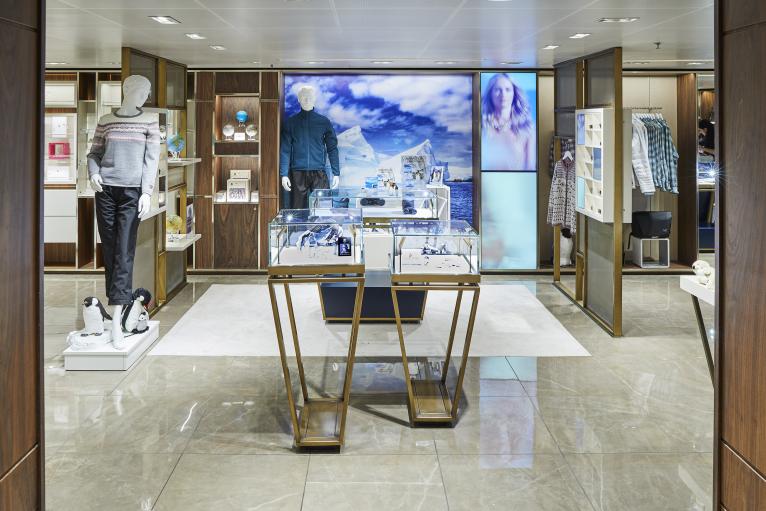
Boutique
Exceptional shopping experiences do not end in the cosmopolitan cities we visit. Silversea’s striking new shipboard boutiques, reimagined and redesigned, are stunning modern design spaces befitting the finest creations from legendary designers. Carefully selected partners on board Silversea’s duty-free boutiques offer our guests a carefully curated selection of cutting-edge fashions, jewelry, accessories, fine perfumes, cosmetics, and Silversea Logo collection, all at duty-free prices.
Explorer Lounge
Unique to our Expedition ships, the Explorer Lounge is a versatile venue that adapts to the rhythm of your journey. Comfortable seating and refined refreshments create an atmosphere where learning and leisure meld seamlessly. From lectures and presentations to live entertainment and special events, this is a space where discovery thrives.
Panorama Lounge
True to its name, Panorama Lounge surrounds you with sweeping views from every angle. Sunlight pours through wraparound windows by day, framing horizons that shift like watercolors. Evenings hum with piano chords and DJ beats that carry you late into the night. And all of it pairs wonderfully with cocktails handcrafted to match your mood.
Photo Studio
The Photo Studio offers a multitude of options to take your pictures from your camera to your walls. A vibrant, creatively inspiring space where you can not only master the art of digital photography with master classes in editing and Adobe Lightroom and Photoshop, but also an editing suite where you can print images (including postcard, panorama, and A2-sized prints). State-of-the-art equipment for both Mac and PC users, highly technological printers, plus a dedicated photo manager to guide you through the many techniques to help you define yourself as a serious photographer. Even the smartphone photographer can become pro-level with specialized training on how to use your camera phone to its best possible advantage. Fees apply.
Reception
This central lobby area welcomes guests to speak with our receptionist if they have a question or require any service. Assistance is available 24 hours a day. The Cruise Consultant may also be indispensable when planning your next Silversea voyage, or if you wish to extend your current voyage for a day, a week, a month … Like having your own personal onboard Silversea professional, the Cruise Consultant will help you to select the perfect voyage, reserve your preferred suite, and provide immediate confirmation.
Zagara Beauty Salon
Relax your body and mind in this luxury cruise ship’s soothing spa sanctuary. Indulge in a wide range of invigorating therapies, including facials, body wraps, and massages. Appointments for spa services may be made on board the ship, or in advance via My Voyage. Men’s and women’s saunas and steam rooms are perfect for relaxing before your spa treatment or after your workout.
Fitness Centre
The Fitness Center on board this luxury cruise ship is equipped with free weights, weight machines, state-of-the-art treadmills, elliptical trainers, and recumbent and upright bicycles. Classes in aerobics, yoga, Pilates, and circuit training are led by the onboard fitness trainer and are always complimentary. Personal training, body composition analysis, and specialty classes are available at an additional charge on board all luxury cruises.
Images are intended as a general reference. Features, materials, finishes and layout may be different than shown.
Zagara Beauty Spa
Relax your body and mind in this luxury cruise ship’s soothing spa sanctuary. Indulge in a wide range of invigorating therapies, including facials, body wraps, and massages. Appointments for spa services may be made on board the ship, or in advance via My Voyage. Men’s and women’s saunas and steam rooms are perfect for relaxing before your spa treatment or after your workout.
Pool Deck
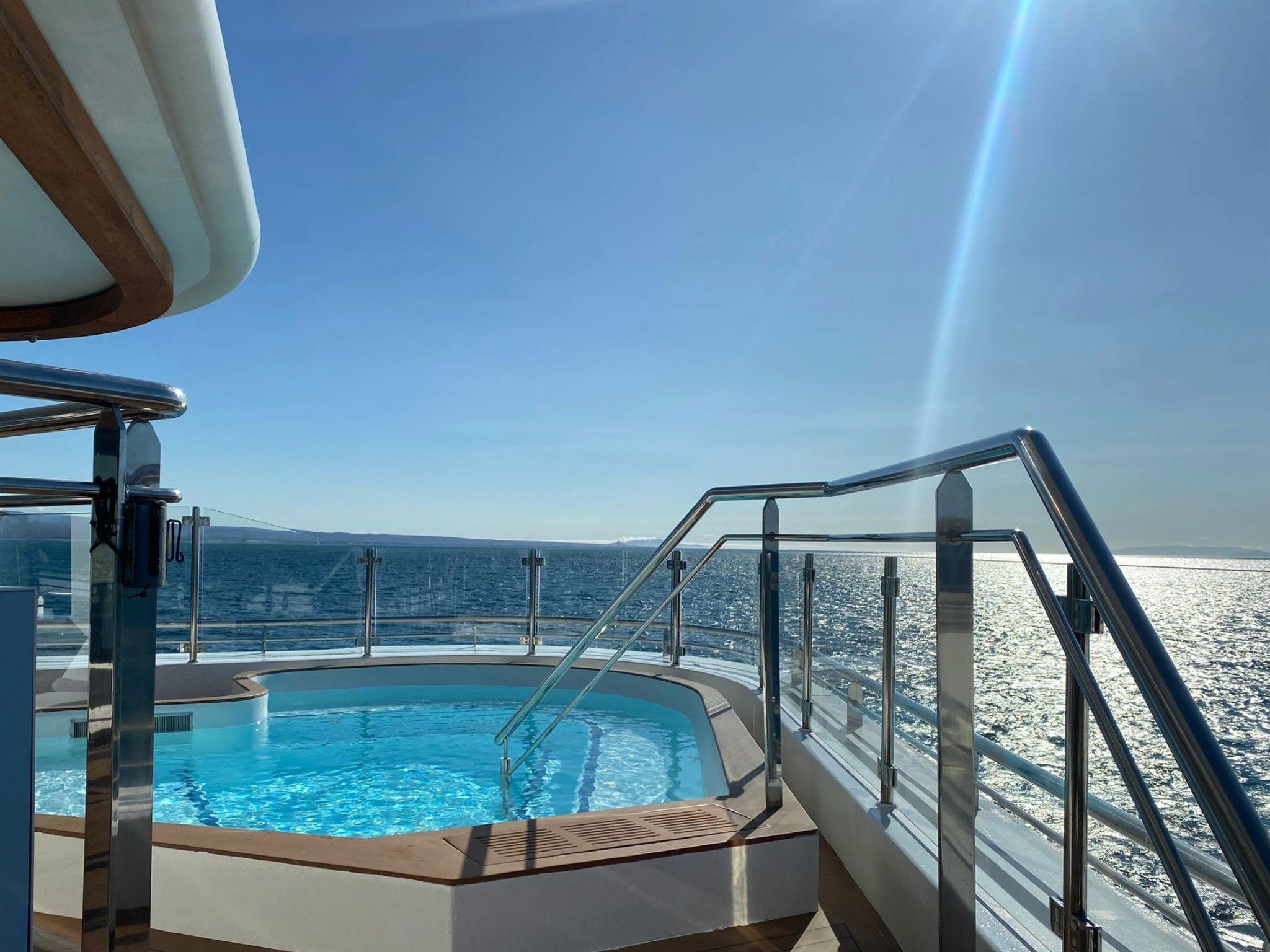
Chaise lounges arranged in the sun or shade. Bubbling whirlpools. The pool water is refreshing in warmer climates and heated for cooler weather. Attentive staff is at the ready with an oversize towel as you emerge from the pool, with your favorite beverage at just the right moment. This is expedition cruising as you have never experienced it before. What better way to watch the icebergs?
Jogging Track
A jogging track is available for guests, running the entire outside edge of the deck.

Silver Cloud Cabins & Suites
Owner's Suite
This stylish apartment offers the superlative in levels of space, comfort, and service on board. A perfect mix of expedition experience with luxury lifestyle. Available in a one-bedroom configuration or as two bedrooms by adjoining with a Vista Suite.
One bedroom: up to 55 sq m (8 sq m)
Two bedrooms: 77 sq m (8 sq m)
Images are intended as a general reference. Features, materials, finishes and layout may be different than shown.
Please note that the 3rd guest will sleep on a comfortable sofa bed in the reception area of the suite.
Essentials
Deck(s): 7
Section: Mid-Ship
Characteristics
Veranda
Separate dining area
Living room with sitting area
Standard vanity
Separate shower
Whirlpool bath
Walk-in wardrobe with personal safe
Furniture
King size bed
Writing desk
Vanity table
Luxury bed mattresses
Media & Communication
Unlimited Premium Wi-Fi
2 large flat screen TVs with Interactive Media Library
Sound system with bluetooth connectivity
Direct dial telephone
Wall mounted USB-C mobile device chargers
Dual voltage 110/220 outlets
Onboard Services
Butler service
Complimentary laundry, pressing & wet cleaning
Dinner for two in La Dame, one evening per voyage,
Two hours of worldwide phone use, per voyage segment
Champagne on arrival
Amenities
Espresso machine
Tea kettles
Pillow menu
Refrigerator and bar setup stocked with your preferences
Expertly designed and exquisitely appointed. The ideal space for sharing stories with fellow explorers and new friends. With enough space to roam both inside and outside, this suite is perfect for relaxing and recounting the highlights of your day. Available in a one-bedroom configuration or as two bedrooms by adjoining with a Veranda Suite.
One bedroom: 95 sq m (14 sq m)
Images are intended as a general reference. Features, materials, finishes and layout may be different than shown.
Please note that the third guest will sleep on a comfortable sofa bed in the reception area of the suite.
Two bedrooms: 122 sq m (18.5 sq m)
Images are intended as a general reference. Features, materials, finishes and layout may be different than shown.
Please note that the 3rd guest will sleep on a comfortable sofa bed in the reception area of the suite.
Essentials
Deck(s): 7
Section: Forward
Characteristics
Veranda
Separate dining area
Living room with sitting area
Standard vanity
Separate shower
Whirlpool bath
Walk-in wardrobe with personal safe (Wardrobe closet in suite 702 & 703)
Furniture
King size bed
Writing desk
Vanity table
Luxury bed mattresses
Media & Communication
Unlimited Premium Wi-Fi
2 large flat screen TVs with Interactive Media Library
Sound system with bluetooth connectivity
Direct dial telephone
Wall mounted USB-C mobile device chargers
Dual voltage 110/220 outlets
Onboard Services
Butler service
Complimentary laundry, pressing & wet cleaning
Dinner for two in La Dame, one evening per voyage,
Two hours of worldwide phone use, per voyage segment
Champagne on arrival
Amenities
Espresso machine
Tea kettles
Pillow menu
Refrigerator and bar setup stocked with your preferences
Stately. Commanding and majestic. Perfect for relaxing after a days’ exploring and looking through your photos. With lectures streamed live to your room, this is the pinnacle of good living at sea. Available in a one-bedroom configuration or as two bedrooms by adjoining with a Veranda Suite.
One bedroom: 69 sq m (12 sq m)
Two bedrooms: 96 sq m (16.5 sq m)
Images are intended as a general reference. Features, materials, finishes and layout may be different than shown.
Please note that the third guest will sleep on a comfortable sofa bed in the reception area of the suite.
Essentials
Deck(s): 6
Section: Forward
Characteristics
Veranda
Separate dining area
Living room with sitting area
Standard vanity
Separate shower
Whirlpool bath
Walk-in wardrobe with personal safe
Furniture
King size bed
Writing desk
Vanity table
Luxury bed mattresses
Media & Communication
Unlimited Premium Wi-Fi
2 large flat screen TVs with Interactive Media Library
Sound system with bluetooth connectivity
Direct dial telephone
Wall mounted USB-C mobile device chargers
Dual voltage 110/220 outlets
Onboard Services
Butler service
Complimentary laundry, pressing & wet cleaning
Dinner for two in La Dame, one evening per voyage,
Two hours of worldwide phone use, per voyage segment
Champagne on arrival
Amenities
Espresso machine
Tea kettles
Pillow menu
Refrigerator and bar setup stocked with your preferences
With a room configuration that favors watching the sun rise from the comfort of your bed and losing yourself in the mesmerizing seascapes, this suite is the perfect answer to adventure cruising. A large walk-in wardrobe and an expansive living room make the Medallion Suite your home away from home on the high seas. Medallion Suites accommodate three guests.
One bedroom: 48 sq m (7.6 sq m )
Images are intended as a general reference. Features, materials, finishes and layout may be different than shown.
Please note that the 3rd guest will sleep on a comfortable sofa bed in the reception area of the suite.
Essentials
Deck(s): 5, 6, 7
Section: Mid-Ship
Characteristics
Veranda
Separate dining area
Living room with sitting area
Standard vanity
Separate shower
Walk-in wardrobe with personal safe
Furniture
Queen size bed
Writing desk
Vanity table
Luxury bed mattresses
Media & Communication
Unlimited Premium Wi-Fi
2 large flat screen TVs with Interactive Media Library
Sound system with bluetooth connectivity
Direct dial telephone
Wall mounted USB-C mobile device chargers
Dual voltage 110/220 outlets
Onboard Services
Butler service
Complimentary laundry, pressing & wet cleaning
Champagne on arrival
Amenities
Espresso machine
Tea kettles
Pillow menu
Refrigerator and bar setup stocked with your preferences
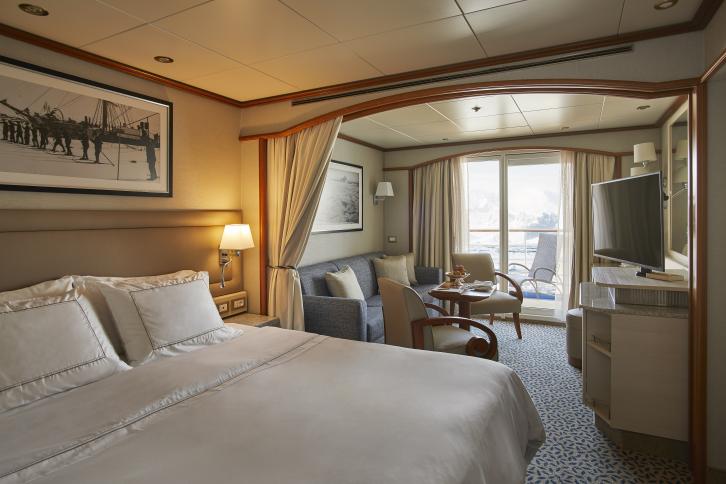
A Silversea signature, the Veranda Suite is spacious and welcoming. Floor-to-ceiling glass doors open onto a furnished private teak veranda from where you can contemplate anything from the midnight sun to an Antarctic sunrise. Some Veranda Suites accommodate three guests (suites 505 to 510 and 605 to 610).
One bedroom: 27 sq m (4.5 sq m)
Images are intended as a general reference. Features, materials, finishes and layout may be different than shown.
Please note that the 3rd guest will sleep on a comfortable sofa bed in the reception area of the suite.
Essentials
Deck(s): 5, 6, 7
Section: Aft, Forward
Characteristics
Veranda
Sitting area
Standard vanity
Separate shower
Some with full-size bath
Walk-in wardrobe with personal safe
Furniture
Queen size bed
Writing desk
Luxury bed mattresses
Media & Communication
Unlimited Standard Wi-Fi
1 large flat screen TV with Interactive Media Library
Direct dial telephone
Wall mounted USB-C mobile device chargers
Dual voltage 110/220 outlets
Onboard Services
Butler service
Champagne on arrival
Amenities
Espresso machine
Tea kettles
Pillow menu
Refrigerator and bar setup stocked with your preferences
Your home away from home while you embrace the intrepid explorer within. The suite’s seating area has plenty of room to relax while you go over your notes, ready for the next adventure. Large picture windows frame panoramic ocean views, ideal for appraising the local wildlife.
One bedroom: 22 sq m
Wheelchair accessible suites: 449 and 451
Images are intended as a general reference. Features, materials, finishes and layout may be different than shown.
Essentials
Deck(s): 4
Section: Aft, Forward
Characteristics
Window
Sitting area
Standard vanity
Separate shower
Some with full-size bath
Walk-in wardrobe with personal safe
Furniture
Queen size bed
Writing desk
Luxury bed mattresses
Media & Communication
Unlimited Standard Wi-Fi
1 large flat screen TV with Interactive Media Library
Direct dial telephone
Wall mounted USB-C mobile device chargers
Dual voltage 110/220 outlets
Onboard Services
Butler service
Champagne on arrival
Amenities
Espresso machine
Tea kettles
Pillow menu
Refrigerator and bar setup stocked with your preferences
Stylish and sophisticated with larger verandas, excellent for taking pictures and bird-watching. Situated midship, this suite is perfection in design and comfortable living. A huge walk-in wardrobe, a beautiful marbled bathroom, and a spacious living area complete the picture. Silver Suites accommodate three guests.
One bedroom: 54 sq m (8 sq m)
Images are intended as a general reference. Features, materials, finishes and layout may be different than shown.
Please note that the 3rd guest will sleep on a comfortable sofa bed in the reception area of the suite.
Essentials
Deck(s): 6, 7
Section: Mid-Ship
Characteristics
Veranda
Separate dining area
Living room with sitting area
Standard vanity
Separate shower (2 bathrooms with shower)
Walk-in wardrobe with personal safe
Furniture
Queen size bed
Writing desk
Vanity table
Luxury bed mattresses
Media & Communication
Unlimited Premium Wi-Fi
2 large flat screen TVs with Interactive Media Library
Sound system with bluetooth connectivity
Direct dial telephone
Wall mounted USB-C mobile device chargers
Dual voltage 110/220 outlets
Onboard Services
Butler service
Complimentary laundry, pressing & wet cleaning
Champagne on arrival
Amenities
Espresso machine
Tea kettles
Pillow menu
Refrigerator and bar setup stocked with your preferences
A Silversea signature, with a preferred central location, the Veranda Suite is spacious and welcoming. Floor-to-ceiling glass doors open onto a furnished private teak veranda from where you can contemplate anything from the midnight sun to an Antarctic sunrise. The Deluxe Veranda Suite offers a preferred central location with identical accommodation to a Veranda Suite.
One bedroom: 27 sq m (4.5 sq m)
Two bedrooms: 27 sq m (4.5 sq m)
Images are intended as a general reference. Features, materials, finishes and layout may be different than shown.
Essentials
Deck(s): 5, 6, 7
Section: Aft, Forward
Characteristics
Veranda
Sitting area
Standard vanity
Separate shower
Some with full-size bath
Walk-in wardrobe with personal safe
Furniture
Queen size bed
Writing desk
Luxury bed mattresses
Media & Communication
Unlimited Standard Wi-Fi
1 large flat screen TV with Interactive Media Library
Direct dial telephone
Wall mounted USB-C mobile device chargers
Dual voltage 110/220 outlets
Onboard Services
Butler service
Champagne on arrival
Amenities
Espresso machine
Tea kettles
Pillow menu
Refrigerator and bar setup stocked with your preferences
Specialist Cruise Concierge and Expedition Specialist
Andrew W
Sales Manager for SixStarCruises
Laura W
Senior Specialist Cruise Concierge and Expedition Specialist
Katie
Specialist Cruise Concierge and Expedition Specialist
Claire
Specialist Cruise Concierge and Expedition Specialist
Lisa P
Specialist Cruise Concierge and Expedition Specialist
Stacey
Senior Cruise Concierge and Expedition Specialist

Rebecca
Specialist Cruise Concierge and Expedition Specialist
Shirley
Specialist Cruise Concierge and Expedition Specialist
Richard
Specialist Cruise Concierge and Expedition Specialist

Elizabeth
Specialist Cruise Concierge and Expedition Specialist
Emma
Specialist Cruise Concierge and Expedition Specialist

SixStarCruises
Lisa M
Specialist Cruise Concierge and Expedition Specialist

With over 50 cruises under my belt, my journey into expedition cruising is a newer - but incredibly exciting - chapter of my travel experience. I’ve recently sailed aboard Seabourn Venture, a vessel that perfectly blends luxury with true expedition capability, and I’m looking forward to further expanding my expedition knowledge with an upcoming cruise onboard Ponant.
I would highly recommend Seabourn Venture to anyone looking to embark on an expedition cruise. The ship provided a stunning selection of elegant and comfortable spaces to relax in between explorations and the team on board really brought the journey to life, sharing expert knowledge on the surrounding areas and their fascinating history.
Exploring the waters around the Isles of Scilly was a memorable introduction to expedition-style excursions. Seeing seals and puffins in their natural habitat was a joy, and kayaking added an extra sense of adventure, offering a peaceful yet immersive way to experience the coastline.
The best part of working in travel is being surrounded by a product I genuinely love. I’m incredibly grateful for the opportunities I’ve had to travel and experience true luxury - allowing me to advise with confidence and first-hand knowledge when helping plan truly special sailings for my clients.
When it comes to future adventures, Antarctica and the Kimberley Islands sit at the top of my expedition wish list. Both destinations represent the very best of expedition travel - remote, dramatic, and rich in wildlife - and I can’t wait to experience them firsthand.
Andrew W
Sales Manager for SixStarCruises
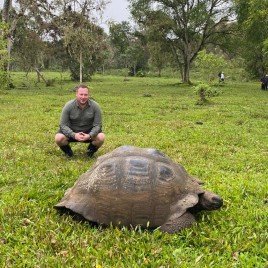
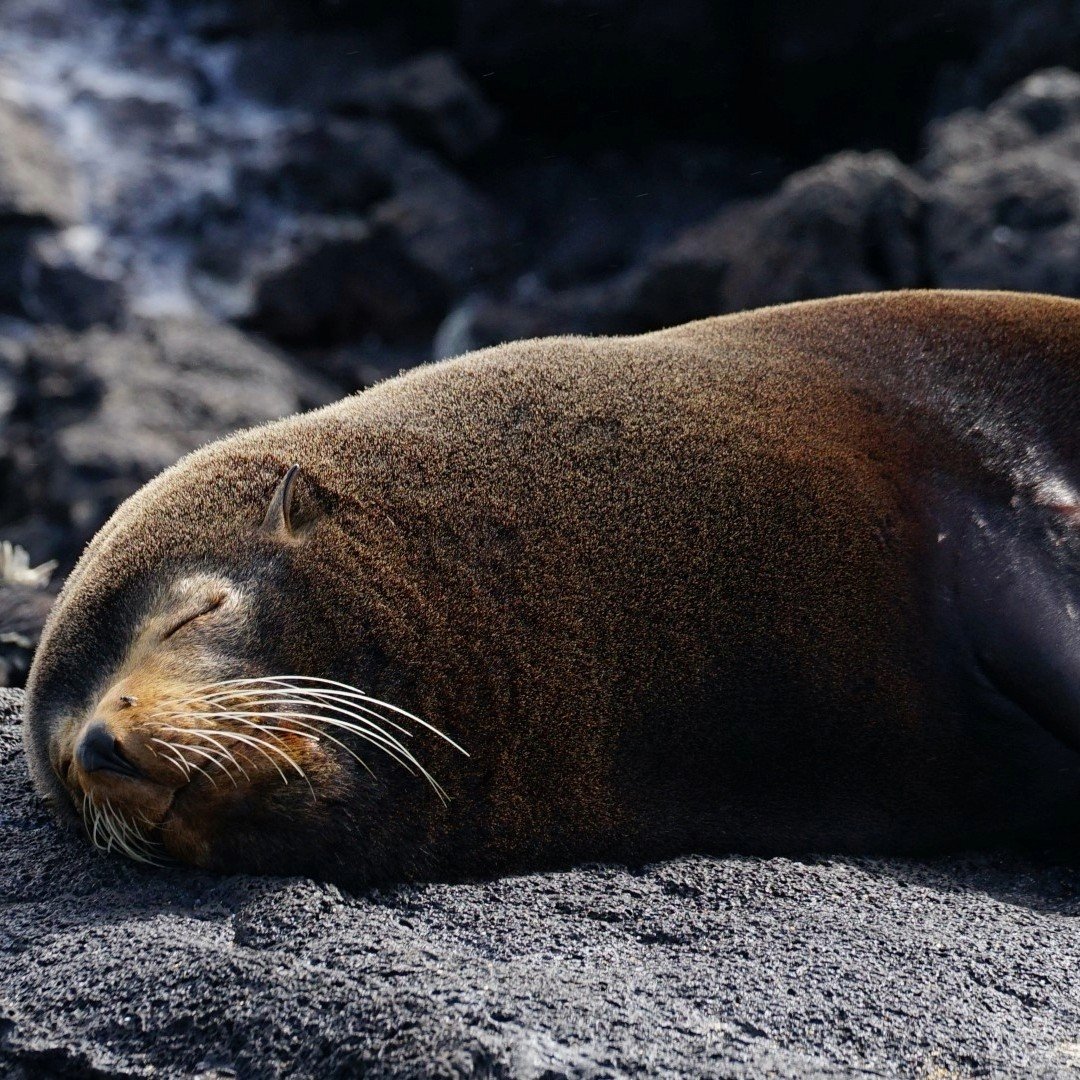
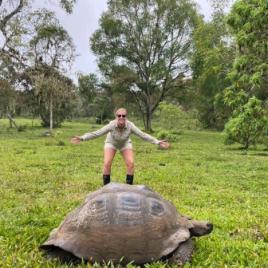
My expedition cruising experience has taken me to the Galápagos Islands, sailing aboard Celebrity Flora. It’s a destination that truly stands apart, offering extraordinary wildlife encounters and a rare chance to experience nature up close.
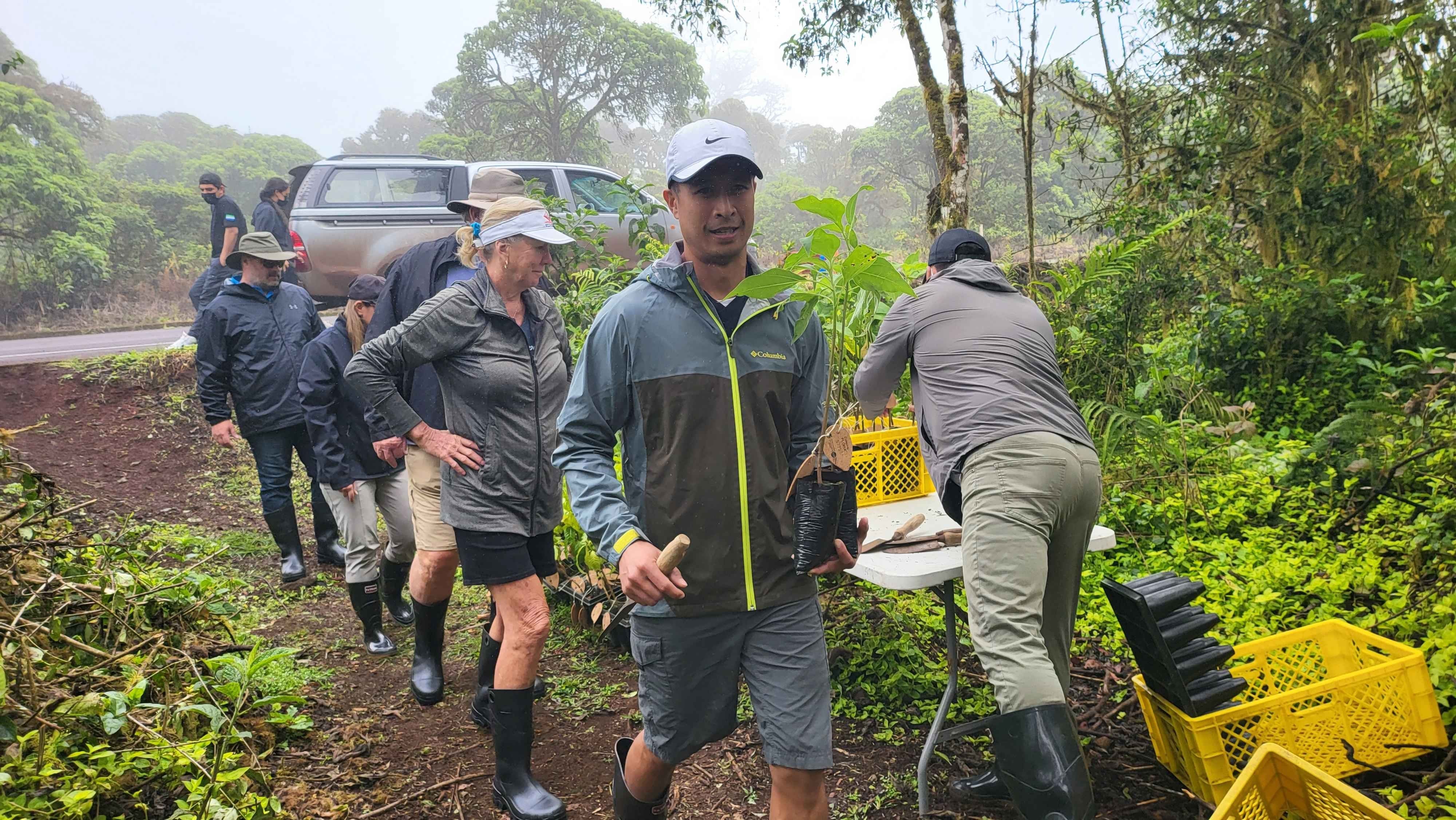
A wide range of expedition activities brought the islands to life, including Zodiac cruising, guided hikes, kayaking, and snorkelling. Zodiac excursions were a particular highlight, allowing access to remote landing sites and close, respectful observation of wildlife. Exploring on foot and by kayak revealed the dramatic diversity of the islands, while snorkelling opened a vivid underwater world rich with marine life.
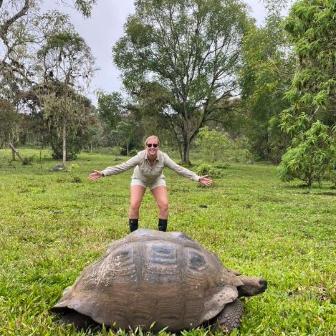
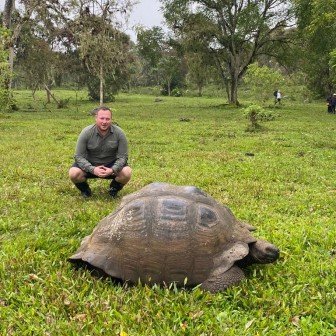
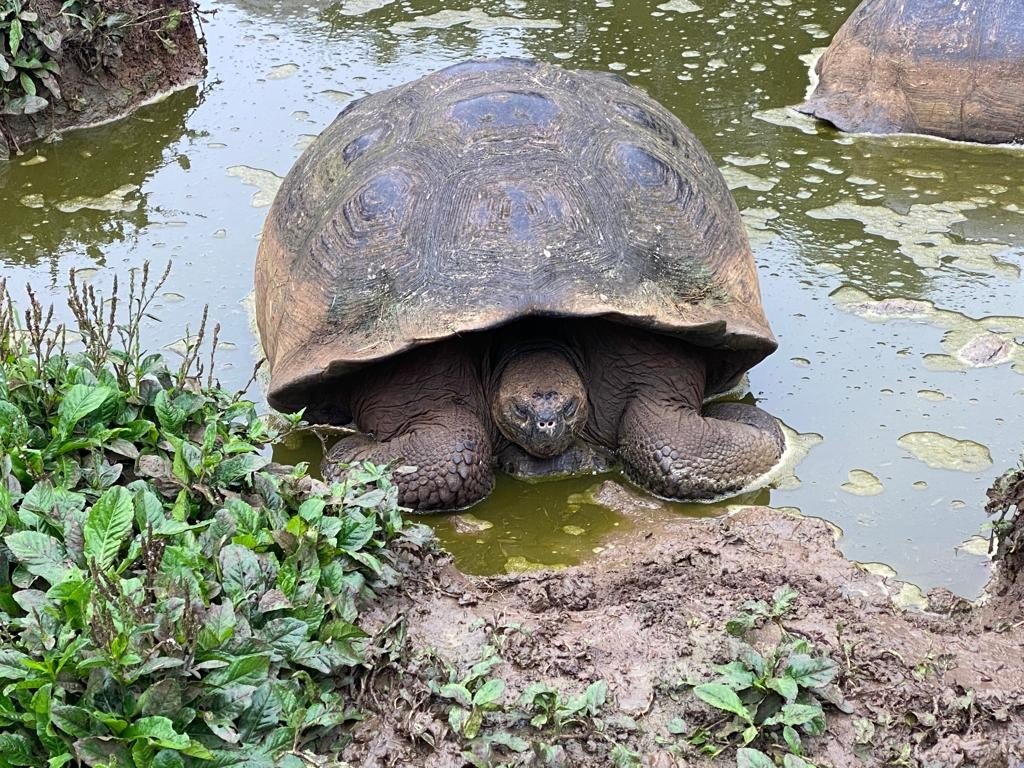
Some of my most unforgettable moments came from witnessing wildlife behaving completely naturally. Seeing dolphins and penguins moving freely through the water was a thrill, but standing face to face with the iconic giant tortoises was especially meaningful - a quiet, powerful reminder of the Galápagos’ unique place in natural history.
At the top of my expedition wish list is Antarctica, a destination I’d love to experience for its true sense of remoteness.
Sailed With:
✔Regent Seven Seas Cruises
✔Crystal Cruises
✔Oceania Cruises
✔Celebrity Cruises
✔Azamara Cruises
✔Seabourn
Destinations Visited:
✔Galápagos
✔Asia
✔Greece
✔Scandinavia
✔Canaries
Experience
Ship:Celebrity Flora
Date:October 2022
Summary
Each day is just an incredible as the next in the Galápagos; you never know what you are going to see and the scenery is just stunning, you could blink and miss something incredible.
This really is a once in a lifetime experience where no day is the same, and I can honestly say this was the most incredible trip I have ever taken in my life. The Galápagos Islands are an absolute must for your bucket list!
Celebrity Flora is a luxury yacht holding a maximum of 100 guests which is considerably smaller than any ocean cruise liner, so you have a much more intimate experience where you can get to know who you're travelling with.
The Galápagos itinerary is packed with either one or two islands being visited per day and up to three excursions. There aren't any sea days on this itinerary, and because you don’t want to miss out on any opportunities to see the wildlife, you tend to do all three everyday. We did all the activities offered, and they are catered to all ages which is great. Because of this, the evenings are laid back and relaxed which is nice.
You have a 7PM overview of the day, then at 7:15, you sign up for the activities for the following day. Dinner then starts at 7:30 and most people tend to retire to their suites once they have eaten.
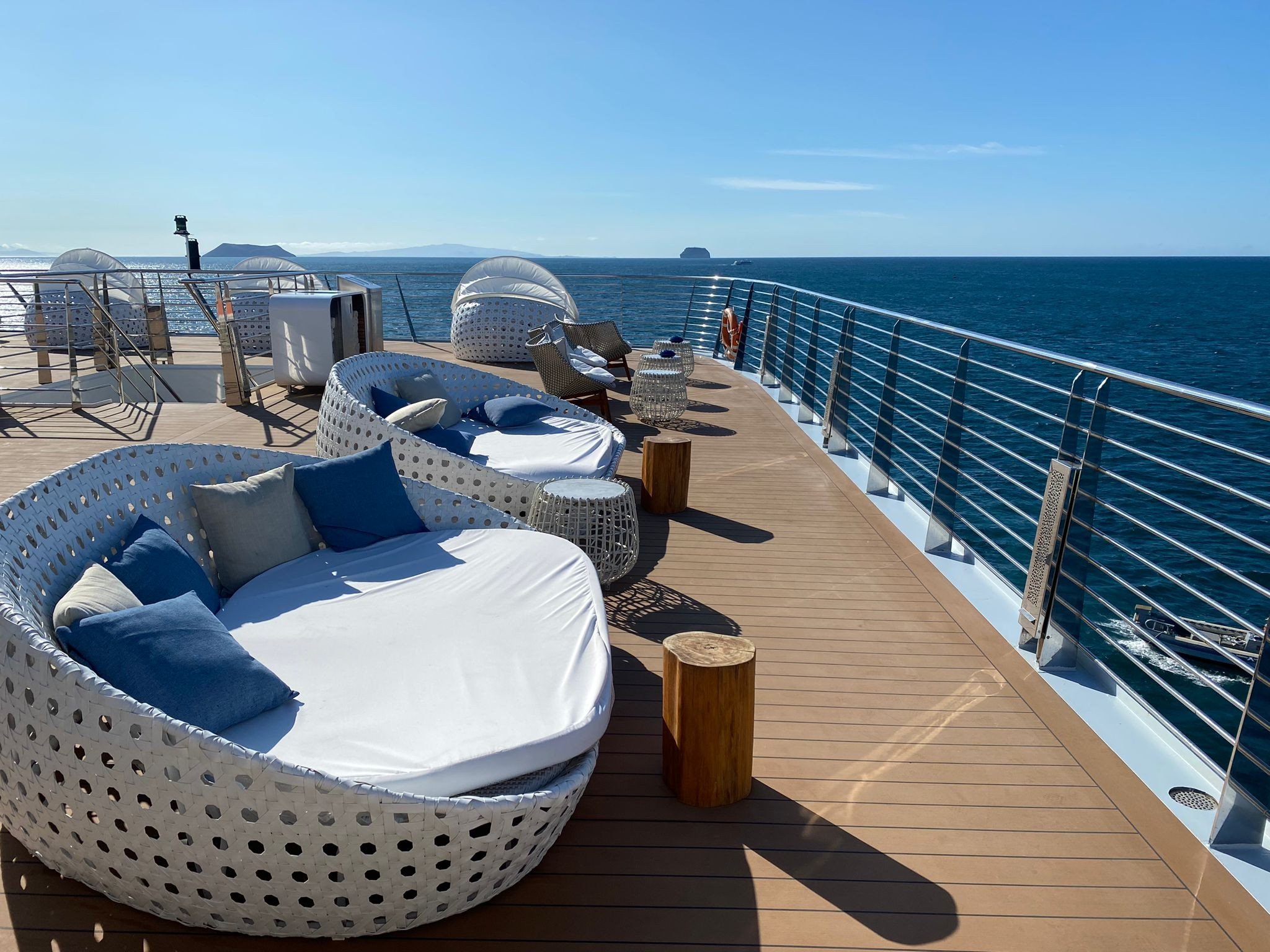
It is an early start most mornings, with the first tour usually beginning around 8AM to 8:30AM, but you do enjoy around three to four hours free time in the afternoon to relax on the top deck.
The staff on Celebrity are phenomenal - I have been on a lot of cruises and this was the best service I have ever received. They knew you by name when you boarded, had your drinks ready for you after the first day, remembering exactly what you preferred. It honestly felt like the staff and guests were one big family, and they went above and beyond in every aspect.
Highlights
Swimming with penguins, sharks and sea turtles was a memory that I will never forget. Although I'd have to say that my main highlight was the Giant Tortoise Ranch. These animals are just incredible to witness, and having the opportunity to be surrounded by them in the wild and walking with them was simply mesmerising.
Recommendations/Advice
My main advice is to immerse yourself in every opportunity to explore. The itinerary is very busy, being only a week to two weeks, so make the most of every moment you have while on your trip.
When packing, comfort is key, due to the itinerary. I'd recommend packing some water shoes or closed toed sandals for the wet landings (As you will be disembarking onto the beach with water around knee height). And make sure you bring a good camera for all of the great pictures that you will capture! Walking shoes or sturdy trainers are also important for the walks and hikes to ensure you're as comfortable as possible.
Laura W
Senior Specialist Cruise Concierge and Expedition Specialist

My expedition cruising journey has taken me deep into the Arctic, sailing aboard Greg Mortimer with AE Expeditions and Scenic Eclipse, I experienced firsthand what true expedition travel is all about -access, immersion, and moments that feel genuinely extraordinary.
Zodiac cruising and landings quickly became the heart of the experience for me. Stepping into a small Zodiac transforms everything. You’re no longer simply observing the environment from afar - you’re part of it. Skimming across cold Arctic waters in a small group, approaching shorelines unreachable by larger ships, every landing felt like a mini adventure. Being at water level brought an incredible sense of closeness to the landscape, the wildlife and the stillness of the Arctic itself, creating a powerful shared experience with those around me.
My most unforgettable moment came one evening just after 8pm, while we were listening to the expedition team speak and beluga whales. Suddenly, the captain’s voice came over the tannoy: “Polar bear, starboard side”. We watched in silence as she moved through the Arctic landscape - calm, powerful and completely at home. She slipped into the water, swimming with quiet intent as she hunted nearby harbour seals. It was nature entirely unscripted. For hours, we remained with her as she rested and wandered across the sea ice, until she finally disappeared over the mountainside. It was one of those rare encounters that leaves you changed - an experience I’ll never forget.
Beyond the polar regions, my favourite trip of all time was to the Galápagos Islands. Swimming alongside turtles, observing the islands’ remarkable wildlife up close, and exploring landscapes shaped by volcanic forces felt truly otherworldly. Every day brought a new sense of discovery, and the intimacy of the experience made it all the more special.
Sailed With:
✔AE Expeditions
✔Silversea
✔Seabourn
✔Celebrity Cruises
✔Scenic Ocean Cruises
Destinations Visited:
✔Antarctica
✔Svalbard
Experience
Ship:Greg Mortimer
Date:June 2023
Summary
I travelled on a 12-night Arctic expedition on board Greg Mortimer - a trip that should be on anyone’s bucket list. The morning after embarkation in Svalbard, we had about an hour of free time, where I took the opportunity to walk on the top deck and enjoy the scenery. During the lecture we were given a Polar Bear Safety briefing, they advised us in detail on what we would do as a collective group if we were out on the Zodiacs/on land should we encounter one of these amazing creatures.
Being advised that there was a pod of humpback whales on the port side of the ship on day eight brought an overwhelming excitement on board, as we all made our way up to the top deck. They were spectacular! The ship was able to virtually anchor right beside them so we could watch these magnificent creatures in their natural habitat. We were all mesmerised by their beauty and felt incredibly lucky to have seen such a magnificent pod.
We all enjoyed a Zodiac landing in Recherchefjord the next day, I opted for the long walk and thoroughly enjoyed it. We were able to see some of the flowers that we had been advised about the day before in the lecture. The terrain was very spongy underfoot but still quite rocky. We saw several varieties of birds such as king eiders, guillemots, purple sandpipers and kittiwakes.
Being able to wake up with the ship stationary and surrounded by ice was so peaceful and tranquil. Everyone was on polar bear watch and eager to find this magnificent animal.
We were all incredibly excited when we were informed that they were going to allow us to walk on the ocean. It was something I don’t think I’ll ever be able to explain as the feeling when you step on the ice sheet was overwhelming. The land where the polar bears roam was right under my feet, and being able to walk where they call home was an experience I will never forget.
Much to our surprise, we then saw a pod of about 40-50 Beluga whales, it was unbelievable, the whales were too far to photograph to get a clear image of these beautiful animals, but the sight was magnificent.
We then had our daily recap, and they gave us some further information about Beluga whales.
After dinner we then went to enjoy our evening…but then we heard ‘Ding Ding Starboard Side!’ – there was a buzz in the air as we ran to any viewing platform we could find and grabbing the binoculars and cameras for our first glimpse of the one thing we had all been searching for… the polar bear! It was a mesmerising moment seeing how gracefully this beautiful animal walked along the shore one through the water and onto the sheet ice whilst it stalked the seals it had hoped to catch. We were all in awe of its beauty and watched this magnificent polar bear until the early hours of the morning.
Highlights
Watching a polar bear walking along the ridge, before entering the water and swimming in front of us - what an amazing experience! Walking out onto a floating ice sheet where polar bears roam was another experience I will treasure for the rest of my life. The childlike excitement from the passengers as they’re making snow angels in the ice was just magical. Each day is different to the next, and every moment is more surreal and spectacular than you could ever imagine. We also enjoyed a Zodiac cruise around Yoldiabukta Bay.
We had an unbelievable time, admiring the pointed mountain backdrops and tidewater glaciers. We were in awe of the amazing walrus we were able to see as they really are huge! It was incredible how close we were able to get to these amazing animals.
We were also taken to a beautiful landing spot where we were able to see many of the Arctic birds – kittiwakes, Brünnich’s guillemot and northern fulmars. It was stunning! We were even lucky enough to see some puffins!
Recommendations/Advice
Whether it’s diving into the Arctic waters for the polar plunge or the moment you set eyes on a polar bear, every traveller takes away something truly special from an Arctic Expedition. My advice is to throw yourself into it and grab hold of every opportunity - it is a once in a lifetime experience, so savour every moment!
Katie
Specialist Cruise Concierge and Expedition Specialist

My passion for expedition cruising was truly ignited in Antarctica, sailing with Silversea aboard Silver Endeavour. It was a journey that changed how I see the world. You don’t just witness the scenery – you feel like you’re part of it. From Zodiac landings to kayaking through icy waters, every moment felt raw, humbling and exhilarating.
One of my most unforgettable experiences was the polar plunge. The shock, the laughter, the shared sense of achievement - it was thrilling in every sense and something I would relive in a heartbeat. Equally powerful, though in an entirely different way, was kayaking in complete stillness. For a few precious minutes, we floated in silence, surrounded by towering ice and vast wilderness. It was profoundly moving - one of those moments that stays with you forever.
My expedition experience extends beyond Antarctica. I’ve attended CLIA’s expedition conference in the Arctic, stepping aboard some of the world’s most advanced expedition vessels which deepened my understanding of what makes these journeys truly exceptional - from ship design to onboard expertise and of course, the cuisine.
What’s next on my bucket-list? The Kimberley’s. Its untamed landscapes, ancient geology and powerful sense of place perfectly embody what expedition travel means to me: going beyond the ordinary to experience the extraordinary.
Sailed With:
✔Silversea
✔Atlas Ocean Voyages
✔AE Expeditions
Destinations Visited:
✔Antarctica
✔Arctic
Experience
Ship:Silver Endeavour
Summary
My entire trip to Antarctica was just incredible - an absolute dream come true. The pictures do not do it justice, and it is a place one must experience and see first hand to understand the continent's beauty. I sailed with Silversea and the ship was incredibly luxurious, the food was exceptional and with a small ship, the service is unbeatable. It was a once in a lifetime adventure!
My favourite experiences were kayaking and seeing the whales whilst out on a zodiac cruise. I also loved sitting on my balcony, sailing past the icebergs and watching the penguins, which was such a surreal moment.
Claire
Specialist Cruise Concierge and Expedition Specialist
My expedition cruising experience spans some of the planet’s most fascinating corners, from Svalbard in the Arctic to the Isles of Scilly. I’ve sailed aboard an exceptional range of expedition vessels, including Swan Hellenic, Atlas, Ponant, Quark Expeditions, AE Expeditions, Albatross Expeditions, and Seabourn Venture - each offering a unique perspective on exploration at sea.
Expedition activities are where these journeys truly come to life. Zodiac cruising and landings have been central to my experiences, allowing close‑up access to shorelines and landscapes that feel wonderfully untouched. Standout moments include taking the Arctic polar plunge - an exhilarating, unforgettable rush - and joining a fossil hike in the Arctic, where walking through ancient terrain brought an incredible sense of connection to the history of the region.
The Arctic holds a special place for me, with countless memories that make it hard to choose just one highlight. Experiencing 24‑hour daylight, where time seems to lose all meaning and the world is bathed in a constant glow, was extremely surreal. Combined with the exhilaration of the polar plunge and witnessing the sheer scale of expedition operations in such a remote environment, it created an experience that felt truly extraordinary.
Antarctica sits at the top of my expedition wish list, offering the perfect counterpart to my Arctic journeys. That said, Greenland is close behind, with its dramatic ice formations, vast wilderness, and rich cultural heritage.
Sailed With:
✔Seabourn
✔Silversea
✔Atlas Ocean Voyages
✔AE Expeditions
Destinations Visited:
✔United Kingdom
✔Antarctica
Experience
Ship:Seabourn Venture
Date:June 2023
Summary
My expedition around the British Isles was an incredible experience. It was wonderful to enjoy the adventure whilst still experiencing the luxury of Seabourn. I'm going into my 15th year working in the travel industry and this was the best trip I've ever done.
The welcome/safety meeting onboard is where we first met the crew. There are 19 Expedition Team Members on board, ranging from academics, scientists and naturalists. Their knowledge, passion and enthusiasm really showed throughout the whole cruise, the tours and the lectures. You can tell they are genuinely excited to be there.
We spotted plenty of puffins and seals while exploring the Isle of Man and Isles of Scilly on zodiac excursions, led by members of the expedition team. They were always on hand to share their knowledge and expertise so we could learn more about the incredible creatures we were seeing. We had Luciano Bernacchi, the Expedition Leader, guiding our zodiac excursion. We sailed around the coast of the Calf of Man, taking our Swarovski binoculars (which are available to all guests) to spot the variety of different wildlife.
There are 24 zodiacs on board, varying in size. I was surprised by how sturdy they are on the water, even at speed. The guide gauges how fast you want to go, either a leisurely ride or a full-on jet ride as they’re taking you to and from the shore.
The onboard experience was phenomenal; exquisite dining and expedition talks really do bring the day’s activities and excursions to life. The relaxed ambience on board provided the perfect respite from a busy day of exploring. Expedition cruising with Seabourn truly combines the best of exploration and ultra-luxury cruising.
One of the notable differences with an Expedition cruise is that the schedule is fluid, plans can and do change depending on sightings, the weather and many other factors - safety will always come first. Seabourn talked about one of their Expedition cruises where the captain stopped the ship at 1am as there was a polar bear right beside them, and guests were woken up to take pictures!
The Seabourn Venture ship itself has a very different feel compared to ocean ships; you really feel like you're staying in a luxury ski lodge. There were only 160 guests on board, with maximum capacity of the ship holding 264 passengers. There are no formal nights and the dress code is much more relaxed. There are two main restaurants on board: the Colonnade, for more relaxed dining and The Restaurant, which is perfect if you want something a little more formal. We had breakfast delivered to the suite and dined on the veranda several times.
All in all, we had a fantastic trip. It really helped me get an even better understanding of the product and just how special the expedition cruises are. I cannot wait for my next one!
If you have been looking into expedition cruising, enjoy a bit of adventure, or would like some more information, I would be happy to speak with you in more detail about the operations behind the expeditions and how it all works on board.
Highlights
My favourite moment has to be using the zodiacs and getting up close and personal to the all the wildlife! It was incredible to enjoy the adventure whilst experiencing the luxury of Seabourn.
Recommendations/Advice
Seabourn have Parka jackets, designed exclusively for them by Helly Hansen. We ordered our Seabourn Expedition Parkas six days before travelling, which I'd recommend, as they were then waiting for us in the suite when we embarked. Mine was a little on the large side, however, and this was easy to change at the Parka Exchange the following day. The parka is multi-layered and perfect for zodiac tours.
Lisa P
Specialist Cruise Concierge and Expedition Specialist
My favourite cruise destination is Monte Carlo, but I also loved travelling on a Scenic River cruise from Budapest too, which was an amazing experience. My preferred cruise line is Regent Seven Seas because the ships are exceptional; their excursions are fantastic and the guides are very knowledgeable.
Stacey
Senior Cruise Concierge and Expedition Specialist
I had the privilege of sailing on Regent Seven Seas Splendor for her relaunch, where I visited Monte Carlo. It was truly incredible, and sailing on such a stunning ship with exceptional service really made it the best cruise voyage I have ever done!
Regent is undoubtedly my favourite cruise line; their ships are phenomenal, they include nearly everything in the price, the staff are fantastic and the food is beautiful. I stayed in a Splendor Suite which was incredible; their suites are well laid out and it was such a pleasure staying in one.
Rebecca
Specialist Cruise Concierge and Expedition Specialist
Since working for SixStarCruises, I’ve been able to explore a variety of incredible places, but my favourite is Canada. I got to travel on the Rocky Mountaineer experience which was breathtakingly beautiful - I couldn't recommend it enough!
Shirley
Specialist Cruise Concierge and Expedition Specialist
My favourite cruise destination is the Bahamas. Although waking up in Malta was also incredible - the port is steeped in history, and the view from the balcony as we sailed in was absolutely perfect.
I honestly can’t choose between Silversea and Regent Seven Seas as my favourite cruise line, as they’re both equally exquisite. I love the size of their ships and the detail that goes into making sure every moment of your voyage is perfect.
Richard
Specialist Cruise Concierge and Expedition Specialist
My favourite part about working in travel is being able to discover remote and obscure places that many people have never even heard of. I loved cruising around the Adriatic, particularly exploring Kotor in Montenegro with Oceania Cruises. The onboard experience with Oceania was phenomenal - I really enjoyed the amazing food and friendly atmosphere.
Elizabeth
Specialist Cruise Concierge and Expedition Specialist
I just love travel – my favourite cruise destination is Montenegro, which I visited whilst sailing the Adriatic. Although my favourite memory has got to be sailing from Dubai to Singapore which was fantastic. There are so many places I still wish to see, and I really enjoy assisting our guests to find the best offers so they can enjoy complete luxury at great prices. I love waking up in a different cruise port, delicious dining and the crew that always make the sailing so wonderful.
Emma
Specialist Cruise Concierge and Expedition Specialist
I'm Emma, a Specialist Cruise Concierge who has worked with SixStarCruises from the very start, getting to experience the most amazing countries and the luxury of 6* ships at the same time.
My favourite cruise memories took place in Norway, where we went husky sledging and saw the northern lights, a magical moment I will never forget. My preferred cruise line is Regent because I love that their accommodation is all-suite, the food is just beautiful, and the service is second to none.
The best part about working in travel is staying on board brand-new ships and hotels and meeting new people, as I learn more about their different countries and cultures.
My favourite cruise line is Regent Seven Seas Cruises - Splendour is my favourite ship. I love that all the rooms are suites on the ships, the food is just beautiful and the service is second to none. The majority of excursions are included too so you don't have to spend anything whilst on board.
Customer Reviews
OUR ACCREDITATIONS
Member of the Expedition Cruise Network
Partnership Achievement Award 2026
Luxury Cruise Agency of the Year 2025
Luxury Cruise Agency Of The Year 2024
Request a call back from one of our luxury cruise specialist concierge
We would love to help you plan your next luxury cruise holiday. Our team are luxury cruise experts with first hand experience of our partner cruise lines. Simply request a call back and one of our luxury cruise experts will be in touch at a time to suit you.
If you would like to contact our service team, you can select a service call back below, or alternatively we’re available on live chat where our team are ready and waiting to help.
If you request a call back for now we’ll get back to you within 15 minutes, we’ll be calling you from 0161 333 4459 so you can recognise our call.