Fly Cruise From
£35480pp £34060PP
View Itinerary Enquire wishlist-heart

Pricing

Want to add a hotel stay or change your flights?

Just call our team of cruise specialists to help build your dream cruise holiday today!

CALL FOR FREE ON

0808 202 6105

Let us contact you

Request a quote

Fly Cruise From £35480pp to £34060PP

ITINERARY

Nuuk (Godthaab)
Nuuk, meaning “the cape”, was Greenland’s first town (1728). Started as a fort and later mission and trading post some 240 kilometers south of the Arctic Circle, it is the current capital. Almost 30% of Greenland’s population lives in the town. Not only does Nuuk have great natural beauty in its vicinity, but there are Inuit ruins, Hans Egede’s home, the parliament, and the Church of our Saviour as well. The Greenlandic National Museum has an outstanding collection of Greenlandic traditional dresses, as well as the famous Qilakitsoq mummies. The Katuaq Cultural Center’s building was inspired by the undulating Northern Lights and can house 10% of Nuuk’s inhabitants.

Nuuk (Godthaab)
Nuuk, meaning “the cape”, was Greenland’s first town (1728). Started as a fort and later mission and trading post some 240 kilometers south of the Arctic Circle, it is the current capital. Almost 30% of Greenland’s population lives in the town. Not only does Nuuk have great natural beauty in its vicinity, but there are Inuit ruins, Hans Egede’s home, the parliament, and the Church of our Saviour as well. The Greenlandic National Museum has an outstanding collection of Greenlandic traditional dresses, as well as the famous Qilakitsoq mummies. The Katuaq Cultural Center’s building was inspired by the undulating Northern Lights and can house 10% of Nuuk’s inhabitants.

Itilleq
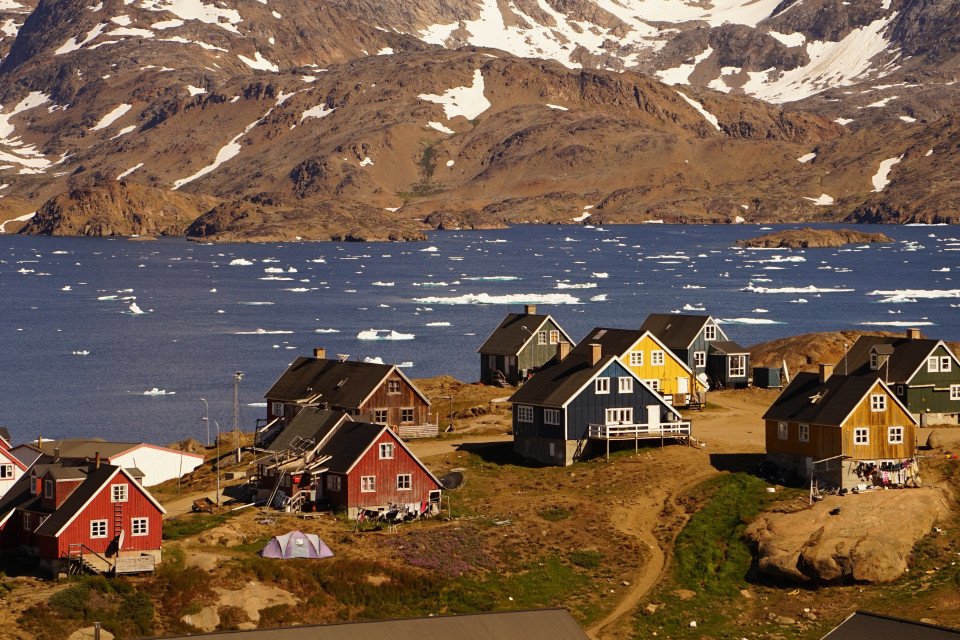
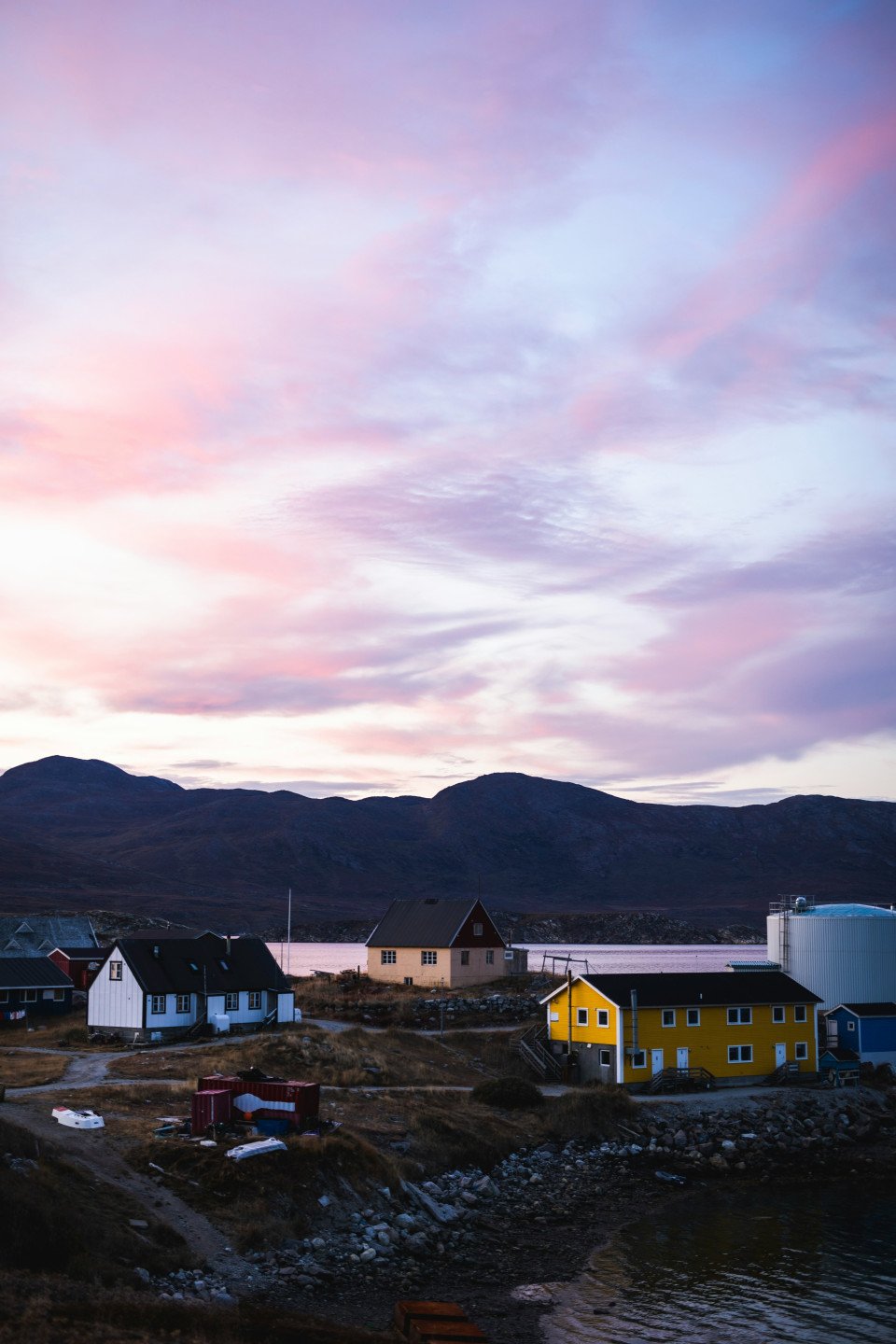
Itilleq is an idyllic little village located on a small island about ahalf a mile off the west coast of Greenland, and only about a mile north of theArctic Circle. It is one of the most picturesque villages in Greenland with itsquaint colorful houses surrounded by stunning rugged mountains and glaciers.Originally, the village of Itilleq was founded on another island in 1847, butwas later moved to its present location. The 100 people living here todaysurvive mainly on hunting and fishing, with a fish factory being the mainemployer.

Ilulissat (Jakobshavn)
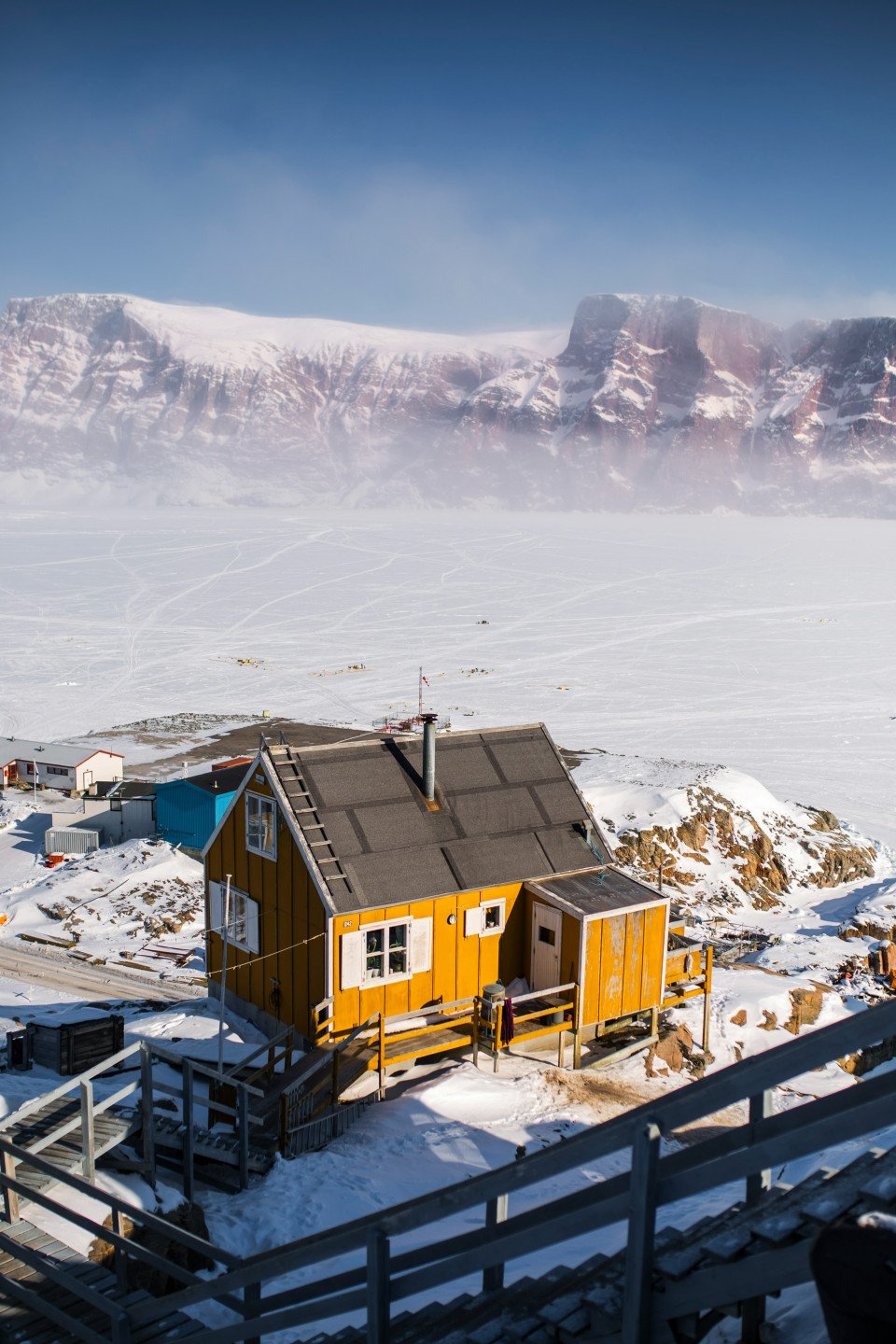
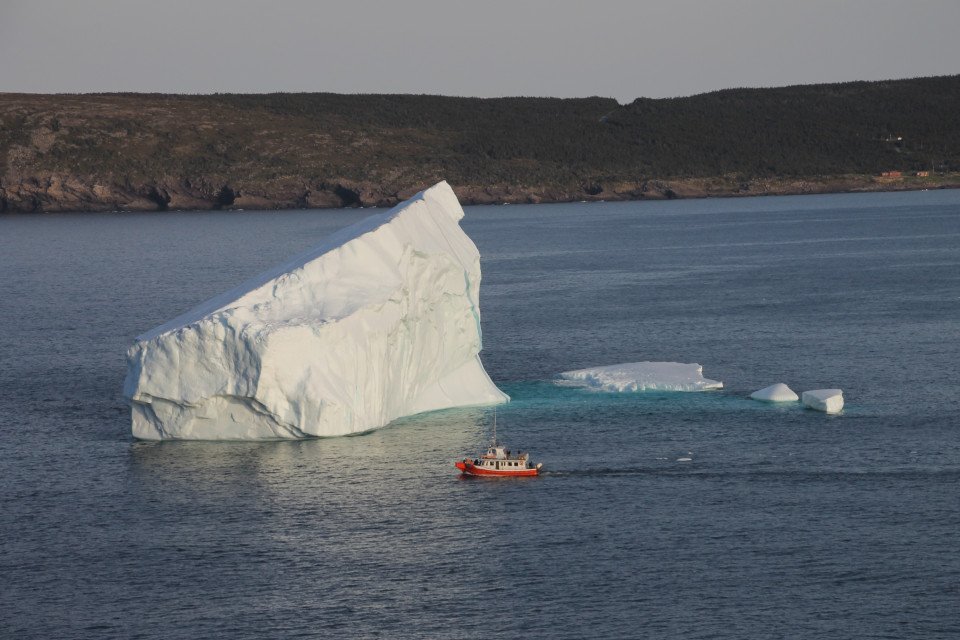
Known as the birthplace of icebergs, the Ilulissat Icefjord produces nearly 20 million tons of ice each day. In fact, the word Ilulissat means “icebergs” in the Kalaallisut language. The town of Ilulissat is known for its long periods of calm and settled weather, but the climate tends to be cold due to its proximity to the fjord. Approximately 4,500 people live in Ilulissat, the third-largest town in Greenland after Nuuk and Sisimiut. Some people here estimate that there are nearly as many sled dogs as human beings living in the town that also boasts a local history museum located in the former home of Greenlandic folk hero and famed polar explorer Knud Rasmussen.

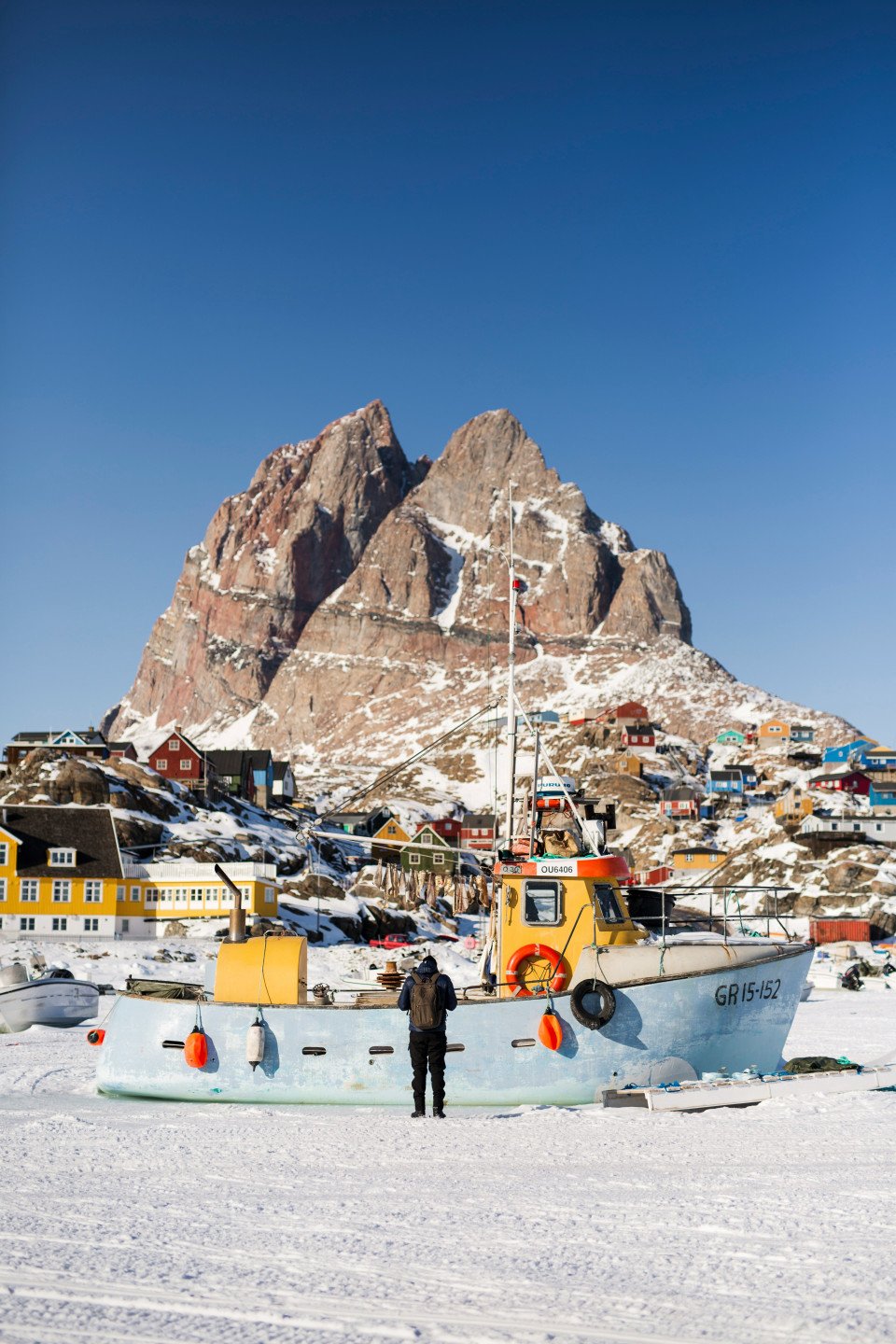
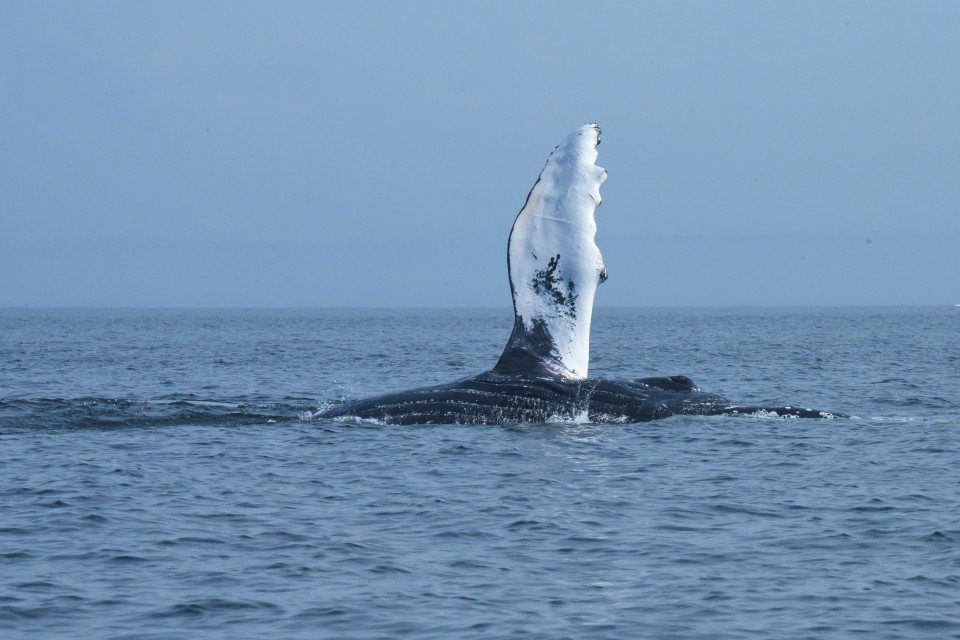
In the iceberg-laden waters surrounding the remote community of Uummannaq it is common to see whales. This area of Greenland is also known for its huge basalt mountains, and the small hunting and fishing village of Uummannaq rests at the foot of the heart-shaped Uummannaq Mountain, a name that translates to mean “in the shape of a seal’s heart”. The town of over 1200 people has a granite church and the country’s most northerly ferry terminal. The economy of Uummannaq revolves largely around the halibut/fish-processing factory.

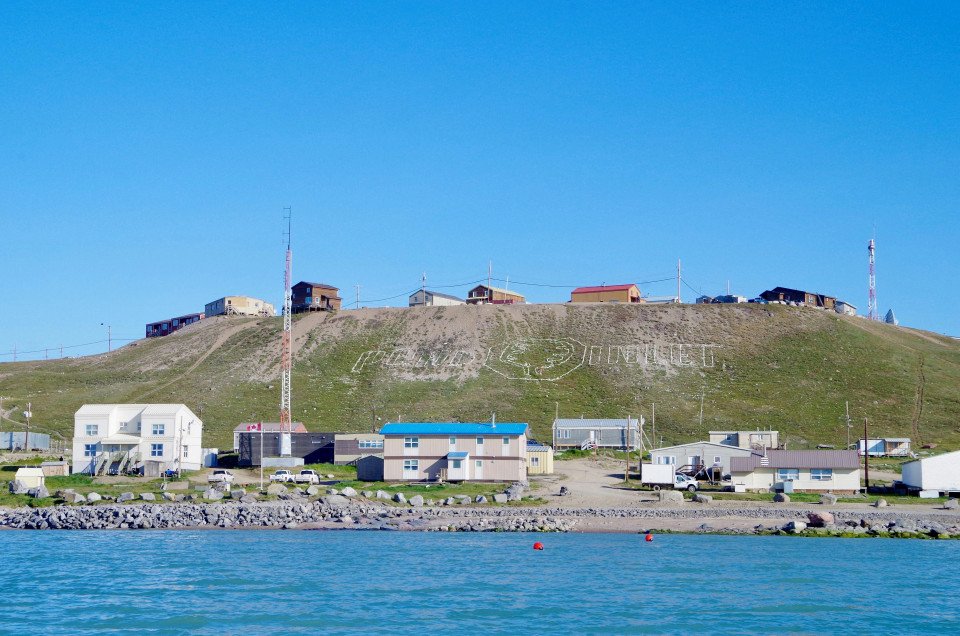
Located in northern Baffin Island, Pond Inlet is a small, predo¬minantly Inuit community, with a population of roughly 1,500 inhabitants. In 1818, the British explorer John Ross named a bay in the vicinity after the English astronomer John Pond. Today Pond Inlet is considered one of Canada's "jewels of the North" thanks to several picturesque glaciers and mountain ranges nearby. Many archaeological sites of ancient Dorset and Thule peoples can be found near Pond Inlet. The Inuit hunted caribou, ringed and harp seals, fish, polar bears, walrus, narwhals, geese, ptarmigans and Arctic hares, long before European and American whalers came here to harvest bowhead whales. Pond Inlet is also known as a major center of Inuit art, especially the printmaking and stone carving that are featured in the town’s art galleries.

Dundas Harbour, Devon Island, Nunavut
Dundas Harbour is located in the southeast of Devon Island, Canada’s 6th largest island. It is a forlorn but starkly beautiful spot. The island was first sighted by Europeans in 1616 by the English explorers Robert Bylot and William Baffin. But it did not appear on maps until after explorer William Edward Parry’s exploration in the 1820’s. Parry named it after Devon, England. In the local Inuktitut language, the place is called Talluruti, which translates as “a woman’s chin with tattoos on it.” This refers to the deep crevasses and streaks on Devon Island, which from a distance resemble traditional facial tattoos. On land there are remains of a Thule settlement dating back to 1000 A.D., including tent rings, middens and a gravesite. There are also much more recent remains a Royal Canadian Mounted Police outpost. The first post was established in 1924 to monitor and control illegal activities, such as foreign whaling, in the eastern entrance to the Northwest Passage. But conditions were so isolated and severe that the post was abandoned in 1933. It was reopened in 1945, but again closed, this time permanently, in 1951. Today, Devon Island is the largest uninhabited island in the world.

Beechey Island, Nunavut
Beechey Island is a small island off the southwest coast of Devon Island, separated by a narrow waterway called the Barrow Strait. Captain William Edward Parry was the first European to visit the island in 1819. His lieutenant, Frederick William Beechey, named the island after his father, the artist William Beechey (1753–1839). Beechey Island played a significant role in the history of Arctic Exploration. During the winter of 1845-46, Sir John Franklin and his men camped on the island as part of their ill-fated quest to find the Northwest Passage. Mummified remains of three of Franklin’s crew were discovered, giving a better understanding of what happened before the disappearance of the expedition. In 1850 Edward Belcher used the island as a base while surveying the area. Later, in 1903, Norwegian explorer Roald Amundsen stopped at the island at the beginning of his successful voyage in search for the Northwest Passage. Subsequently, Beechey Island has been declared a "Territorial Historic Site" since 1975 by the Northwest Territories government

Bylot Island, Nunavut
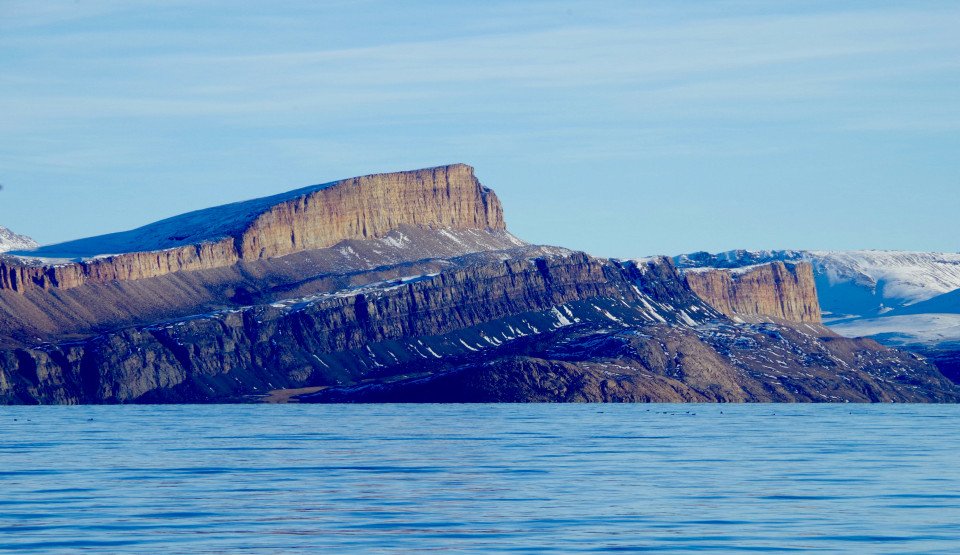
Bylot Island, off the northern end of Baffin Island has an area of 4,273 square miles, making it one of the largest uninhabited islands in the world. Cape Burney lies on the east coast of Bylot Island, and is used regularly by local Inuit during their hunting and fishing seasons. The island is named for the Arctic explorer Robert Bylot who was the first European to sight the island’s steep mountains, ice fields, sheer cliffs, snowfields and glaciers in 1616. A total of 74 species of Arctic birds thrive on this island. In fact, it is such an important nesting area that the entire island has been incorporated into the Sirmilik National Park, and the eastern part of the island is federally designated as the Bylot Island Migratory Bird Sanctuary. It is also a major nesting site for birds, including Thick-billed Murres, Black-legged Kittiwakes and Greater Snow Geese.

Sailing Baffin Bay

Sisimiut (Holsteinsborg)
Located just north of the Arctic Circle, Sisimiut is the northernmost town in Greenland where the port remains free of ice in the winter. Yet it is also the southernmost town where there is enough snow and ice to drive a dogsled in winter and spring. In Sisimiut, travelling by sled has been the primary means of winter transportation for centuries. In fact, the area has been inhabited for approximately 4,500 years. Modern Sisimiut is the largest business center in the north of Greenland, and is one of the fastest growing Greenlandic cities. Commercial fishing is the lead economy in the town‘s thriving industrial base.

Nuuk (Godthaab)
Nuuk, meaning “the cape”, was Greenland’s first town (1728). Started as a fort and later mission and trading post some 240 kilometers south of the Arctic Circle, it is the current capital. Almost 30% of Greenland’s population lives in the town. Not only does Nuuk have great natural beauty in its vicinity, but there are Inuit ruins, Hans Egede’s home, the parliament, and the Church of our Saviour as well. The Greenlandic National Museum has an outstanding collection of Greenlandic traditional dresses, as well as the famous Qilakitsoq mummies. The Katuaq Cultural Center’s building was inspired by the undulating Northern Lights and can house 10% of Nuuk’s inhabitants.

Kapisillit is a settlement in the Sermersooq municipality in southwestern Greenland. In 2020, the settlement had 52 inhabitants. Kapisillit means the salmon in the Greenlandic language. The name refers to the belief that the only spawning-ground for salmon in Greenland is a river near the settlement.

Paamiut (Fredrikshaab)
Paamiut, formerly known as Fredrikshaab, is a picturesque town located on the southwestern coast of Greenland. Nestled between dramatic fjords and rugged mountains, Paamiut offers stunning natural scenery that attracts outdoor enthusiasts and nature lovers. The town has a rich cultural heritage, with traditional Greenlandic architecture and vibrant community life. Visitors can explore local art and crafts, as well as historical sites that reflect the region’s past. Paamiut is also known for its fishing industry, and the nearby waters are ideal for fishing and boating. With its blend of stunning landscapes, cultural experiences, and opportunities for adventure, Paamiut is a unique destination in Greenland.

Red Bay, Newfoundland and Labrador

Havre-Saint-Pierre, Québec
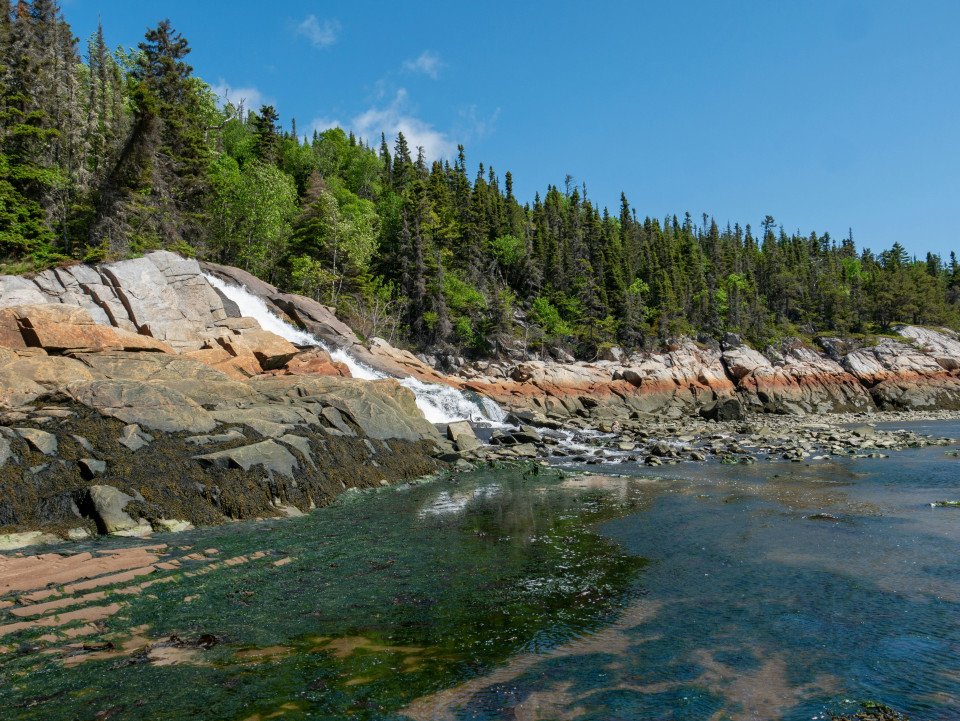
Havre St. Pierre is a tiny seaside port on the north shore of the Saint Lawrence River in Quebec. It was settled in 1857 by Acadians from the Magdalen Island, and still today locals speak a dialect more similar to Acadian French than to Quebec French. It was originally called Saint-Pierre-de-la-Pointe-aux-Esquimaux until 1927, when it was officially shortened to Havre St Pierre. Until recently the local economy relied mainly on fishing and lumbering, today it is mainly a titanium ore-transhipment port. Nearby is one of the world’s most amazing natural phenomena – the Mingan Archipelago. They are the largest group of erosional monoliths in Canada, and were declared a Nation Park in 1984. These limestone monoliths have formed over thousands of years by wave action, strong winds and seasonal freezing and thawing. The result is a unique set of large limestone sculptures.

Sitting on the natural junction where the River Saguenay unloads into the massive Saint Lawrence, a visit to strategically located Tadoussac leaves you fantastically placed to explore some of Quebec's finest history, wildlife and scenery. Sail a little further up the Saguenay, and you’ll be confronted by the glorious Saguenay Fjord, as you cruise through verdant hills of dense forestry, and steep cliffs. Or, alternatively, voyage out onto the deep waters of the Saint Lawrence river, where you can spot the surface parting, as the world's largest animals - blue whales - slowly emerge from the depths to gulp in air. With a fantastic supply of krill to tempt the whales, you can even spot the various species that visit from Tadoussac’s shoreline – just make sure you brush up on your whale knowledge beforehand, at the Marine Mammal Interpretation Centre.The town was the first trading post established by the French when they landed here, and it remains the oldest of the settlements still in existence. As the name suggests, Tadoussac's Old Chapel, has an impressive history, and is North America's oldest wooden chapel. You wouldn't necessarily know it from the outside, however, as the charming little church gleams tidily with a fresh lick of cherry red and white paint.

Quebec City, Québec
Québec City's alluring setting atop Cape Diamond (Cap Diamant) evokes a past of high adventure, military history, and exploration. This French-speaking capital city is the only walled city north of Mexico. Visitors come for the delicious and inventive cuisine, the remarkable historical continuity, and to share in the seasonal exuberance of the largest Francophone population outside France.The historic heart of this community is the Old City (Vieux-Québec), comprising the part of Upper Town (Haute-Ville) surrounded by walls and Lower Town (Basse-Ville), which spreads out at the base of the hill from Place Royale. Many sets of staircases and the popular funicular link the top of the hill with the bottom. Cobblestone streets, horse-drawn carriages, and elaborate cathedrals here are charming in all seasons. The Old City earned recognition as an official UNESCO World Heritage site in 1985, thanks largely to city planners who managed to update and preserve the 400-year-old buildings and attractions without destroying what made them worth preserving. The most familiar icon of the city, Fairmont Château Frontenac, is set on the highest point in Upper Town, where it holds court over the entire city.Sitting proudly above the confluence of the St. Lawrence and St. Charles rivers, the city's famous military fortification, La Citadelle, built in the early 19th century, remains the largest of its kind in North America. In summer, visitors should try to catch the Changing of the Guard, held every morning at 10 am; you can get much closer to the guards here than at Buckingham Palace in London.Enchanting as it is, the Old City is just a small part of the true Québec City experience. Think outside the walls and explore St-Roch, a downtown hot spot, which has artsy galleries, foodie haunts, and a bustling square. Cruise the Grande-Allée and avenue Cartier to find a livelier part of town dotted with nightclubs and fun eateries. Or while away the hours in St-Jean-Baptiste, a neighborhood with trendy shops and hipster hangouts.

Trois-Rivieres (Three Rivers), Québec

Sailing the St. Lawrence Seaway Locks

This holiday is generally suitable for persons with reduced mobility. For customers with reduced mobility or any medical condition that may require special assistance or arrangements to be made, please notify your Cruise Concierge at the time of your enquiry, so that we can provide specific information as to the suitability of the holiday, as well as make suitable arrangements with the Holiday Provider on your behalf.
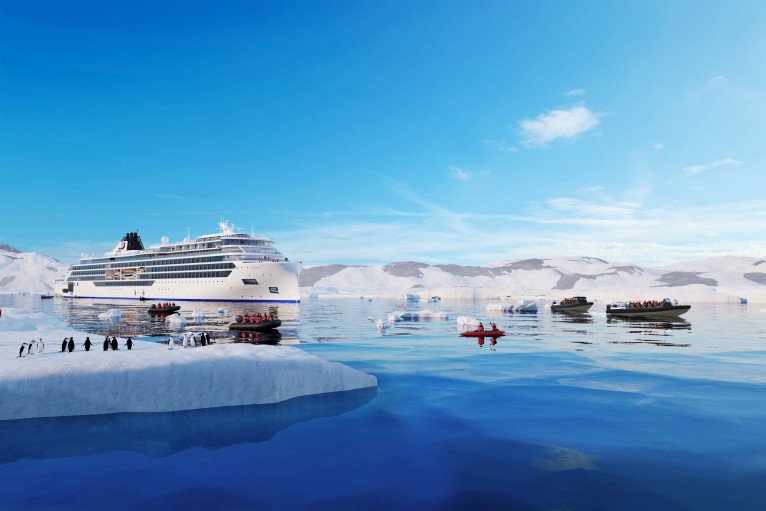
Viking Octantis Ship Facts

Viking Octantis was launched in 2022
The gross tonnage is 30105
The width of Viking Octantis is 21 meters
The maximum speed of the ship is 18 knots per hour
The length of Viking Octantis is 205 meters
The currency taken on Viking Octantis is EUR
Viking Octantis has 260 cabin crew members
The ship has 6 decks
Viking Octantis has cabins on board
It also has wheelchair cabins on board

Best Time to Travel

Polar bear

Polar bear

As the sea ice melts at the peak of summer, polar bears are more likely to be seen as they move onto shorelines and ice sheet edges. They are most frequently sighted around Devon Island, Lancaster Sound and central passages of the Northwest Passage.
Jan
Feb
Mar
Apr
May
Jun
Jul
Aug
Sep
Oct
Nov
Dec
Best time
Good time
Narwhals

Narwhals

Narwhals are often seen around the ice edges during late July and August, which is an active feeding season for them. They are spotted predominantly around Lancaster Sound and Pond Inlet.
Jan
Feb
Mar
Apr
May
Jun
Jul
Aug
Sep
Oct
Nov
Dec
Best time
Good time
Musk Ox

Musk Ox

These unique creatures congregate around Devon Island and parts of the High Arctic. As the snow melts and visibility improves, they are easier to spot grazing on the thriving vegetation.
Jan
Feb
Mar
Apr
May
Jun
Jul
Aug
Sep
Oct
Nov
Dec
Best time
Good time
Beluga Whale

Beluga Whale

August is peak season for spotting these beautiful mammals as they move into warmer waters to feed and mate. They are often seen in large pods in shallow estuaries and coastlines.
Jan
Feb
Mar
Apr
May
Jun
Jul
Aug
Sep
Oct
Nov
Dec
Best time
Good time
Lush greenery and wildflowers

Lush greenery and wildflowers

The best time to witness Arctic Canada in all its colourful glory is between late July and early August. The tundra bursts into a haven of Arctic poppies and purple saxifrage, turning to a beautiful deep red by the end of the month.
Jan
Feb
Mar
Apr
May
Jun
Jul
Aug
Sep
Oct
Nov
Dec
Best time
Good time

Explore Viking Octantis

The World Cafe

The World Cafe

With live cooking, an open kitchen and premium seafood/sushi choices and a grill, the casual World Café provides a vibrant interactive experience and a wide range of international flavors.
Mamsen's

Mamsen's

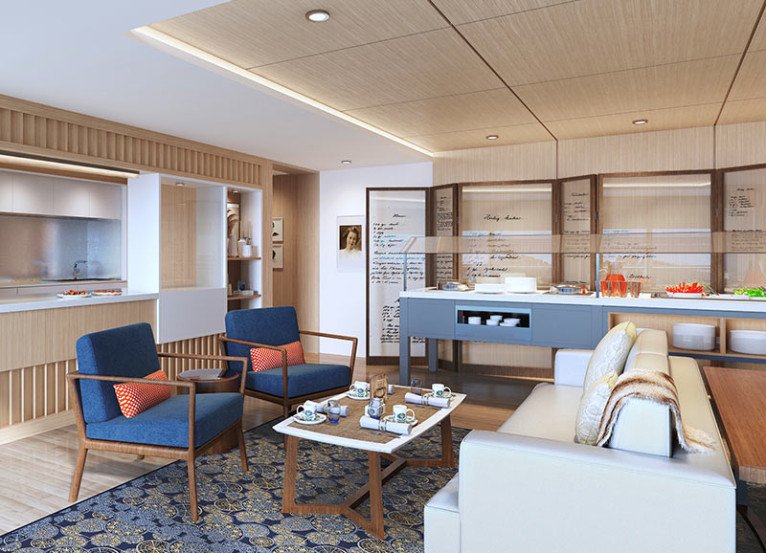
Named for “Mamsen,” the Hagen family matriarch, this venue offers Norwegian specialties including waffles according to Mamsen’s original recipe, open-faced sandwiches and split pea soup.

The Restaurant

The Restaurant

Our elegant dining venue, The Restaurant offers our ultimate onboard dining experience. Regional cuisine and always-available classics are served surrounded by sweeping views.

Manfredi's

Manfredi's

Inspired by Italy’s beloved trattorias, Manfredi’s offers the best of Italian cuisine as well as a private dining room—a perfect opportunity to have an intimate meal with family or friends.

24-Hour Options

24-Hour Options

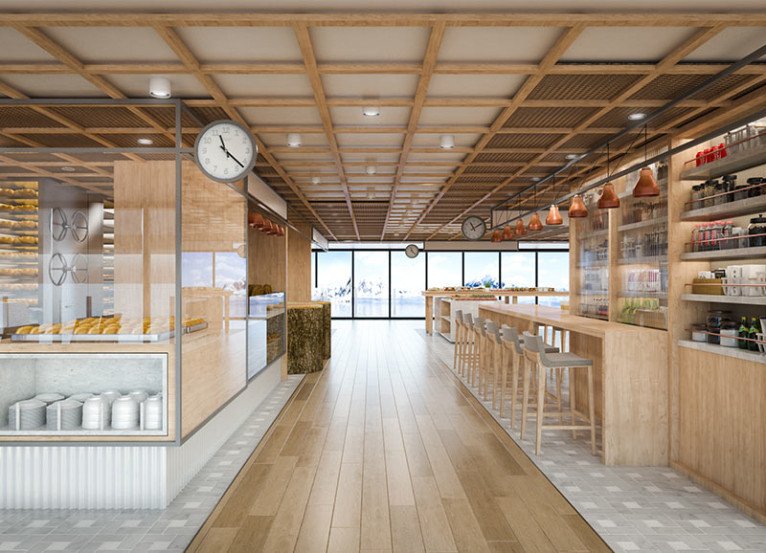
Our bakery offers a variety of delicious breads and pastries at any hour. Or enjoy many of our signature dishes in the comfort of your stateroom with 24-hour room service.
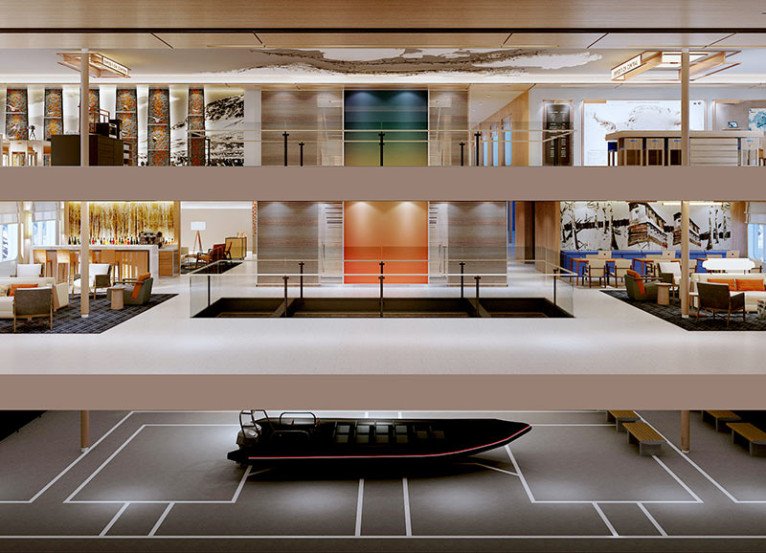
Embarkation

Embarkation

More information coming soon.

Shore Excursions

Shore Excursions

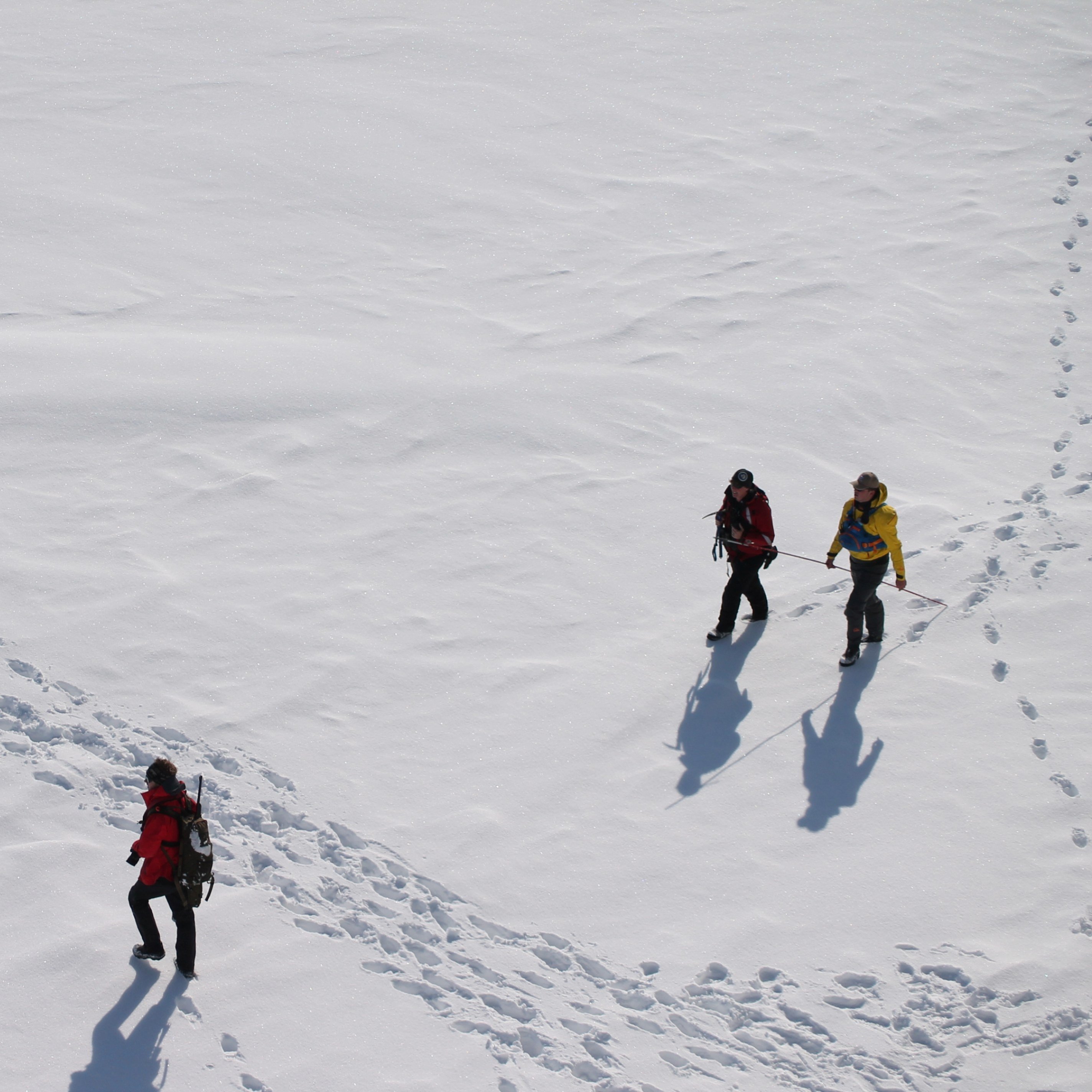
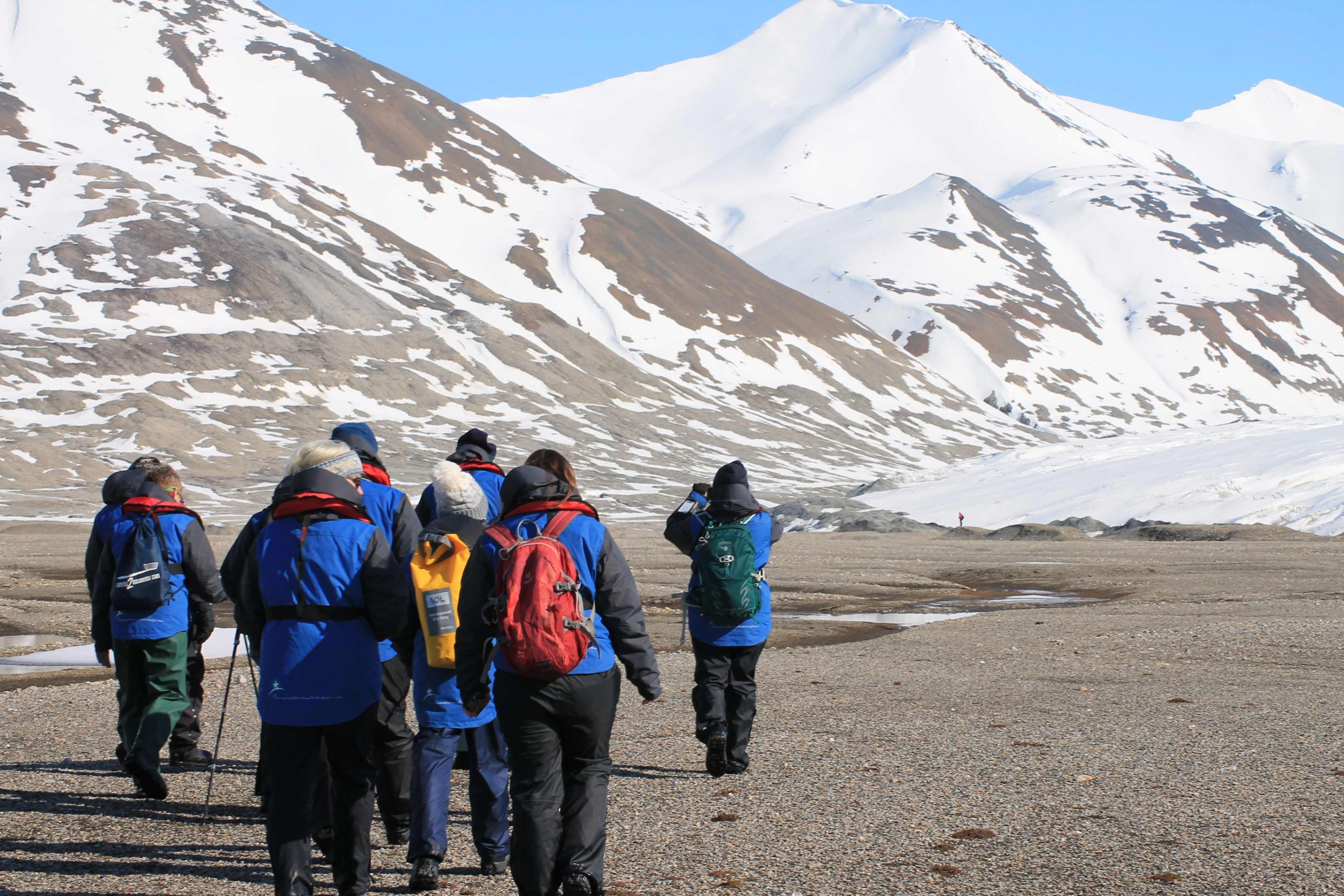
Viking offers a variety of excursions, virtually all included in your cruise fare, from RIB sailings and zodiac landings to tranquil kayak outings and underwater submarine dives. Hike through magnificent landscapes and access remote areas, all led by an experienced team of experts skilled in operating in rugged and polar environments. Or try a unique experience with one of our exclusive, limited-capacity optional excursions.

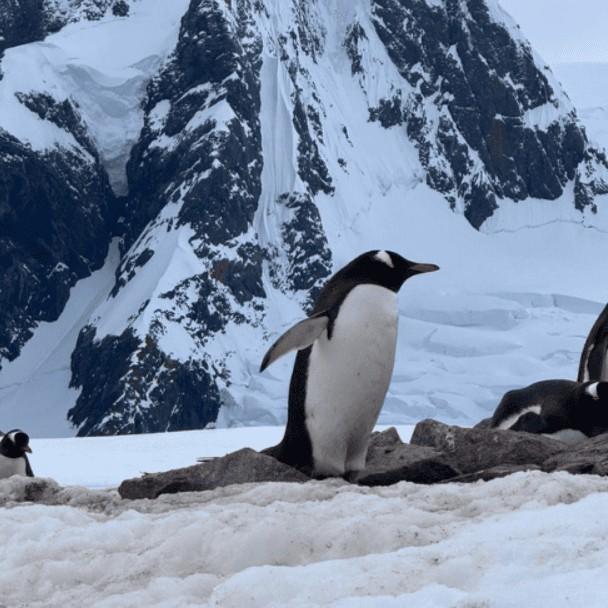
Encounter some of nature’s most fascinating wildlife north of the Arctic Circle, from polar bears to walruses, whales, ringed seals and Svalbard reindeer. In Antarctica, guests are likely to see seals and whales, as well as a variety of penguin and migratory bird species. The Great Lakes also house abundant wildlife diversity: moose, black bears, beavers, grey wolves, bald eagles, and a wide range of bird species can be commonly found.
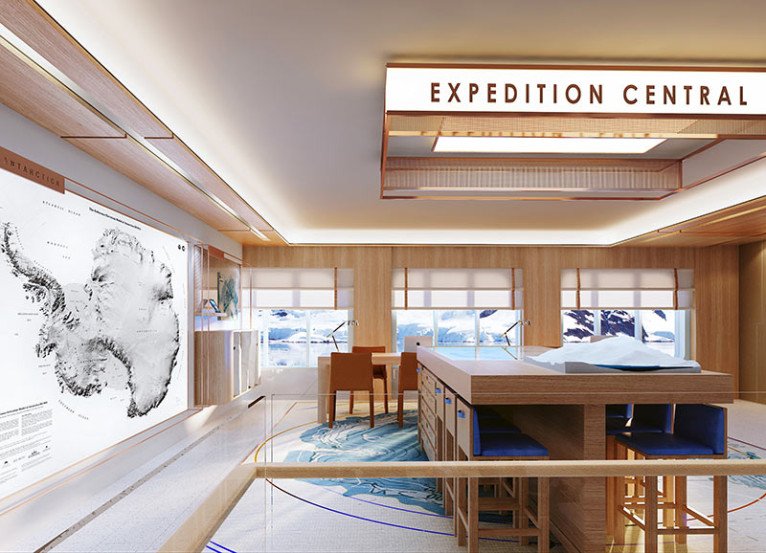
Expedition Central

Expedition Central

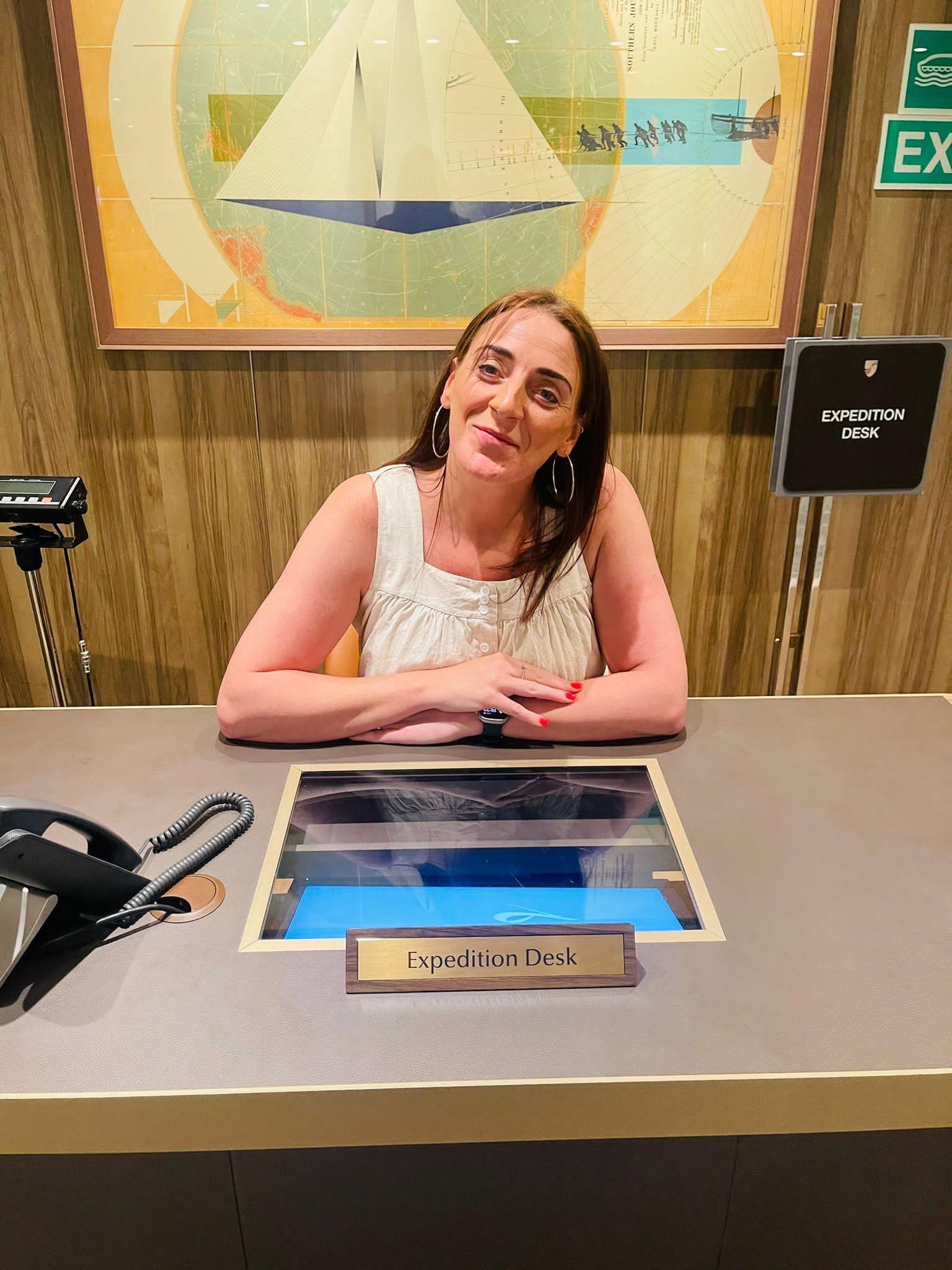
Manned by our Expedition Team, Expedition Central is a key onboard area for guests at which they can plan and book their excursions, verify landing and “go to gate” times or get answers to questions about upcoming excursions and landings. Guests can also learn more about their destination by viewing a real-time ship tracker, examining the chart table highlighting the areas through which we sail, and reviewing AECO and IAATO information about landing regulations and biosecurity standards for the sensitive environments to which we sail.
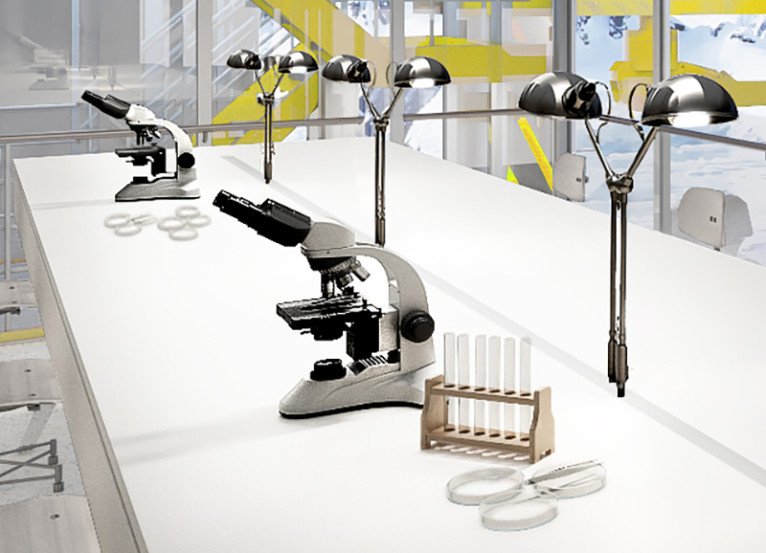
The Laboratory

The Laboratory

This well-appointed laboratory, developed in consultation with Cambridge University and other academic partners, supports a range of research activities and is equipped with wet-dry laboratory facilities, a sample-processing area, comprehensive microscope optics, and space for analysis-specific instruments. Guests will receive supervised access to learn from and participate with scientists undertaking primary research, an experience unique to Viking.
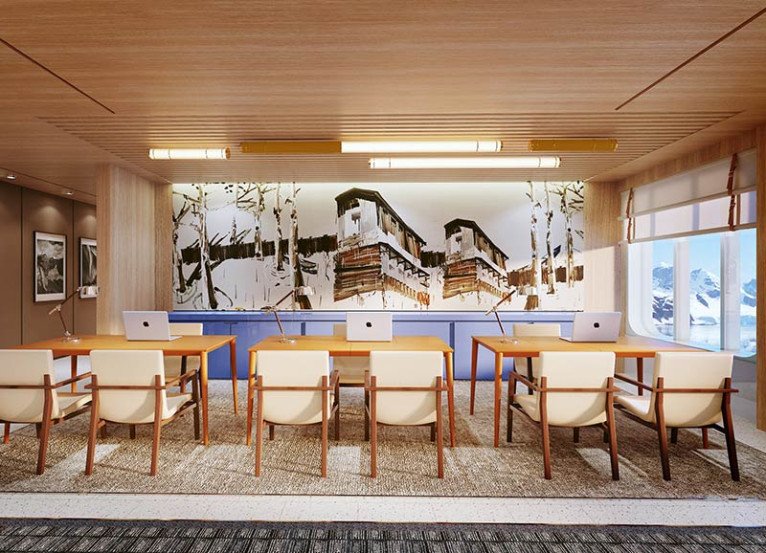
Explorers' Desk

Explorers' Desk

More information coming soon.

Submarines

Submarines

On board expedition ships sailing our polar, Great Lakes and Grand Journeys itineraries are two 6-seater submarines custom-designed to explore underwater in various regions. Trips are approximately 1 hour in total length (30 minutes underwater, plus time to embark and disembark). Submarines may not be available or allowed to be deployed on all itineraries. Learn more about our expedition equipment.

Kayaks

Kayaks

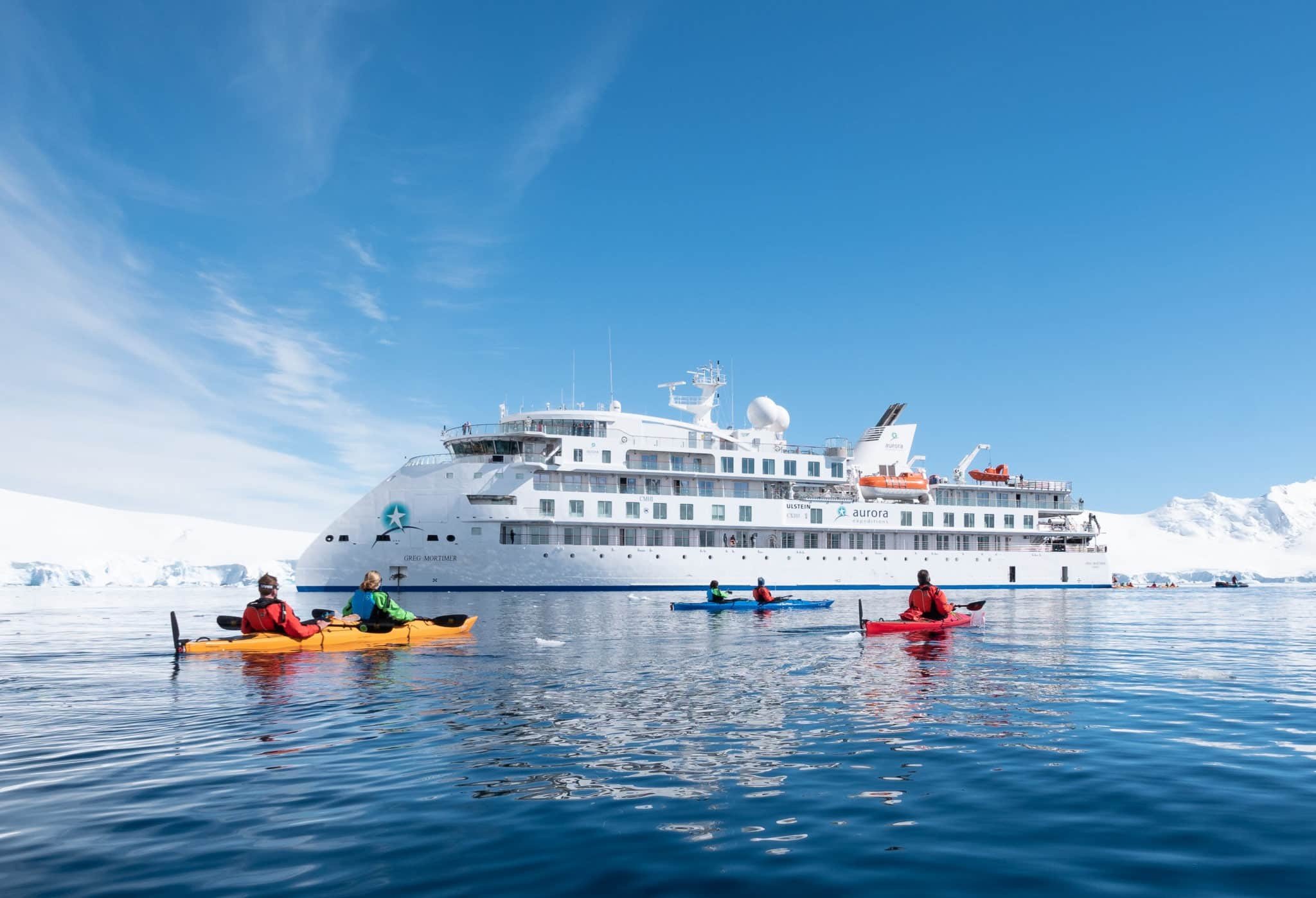
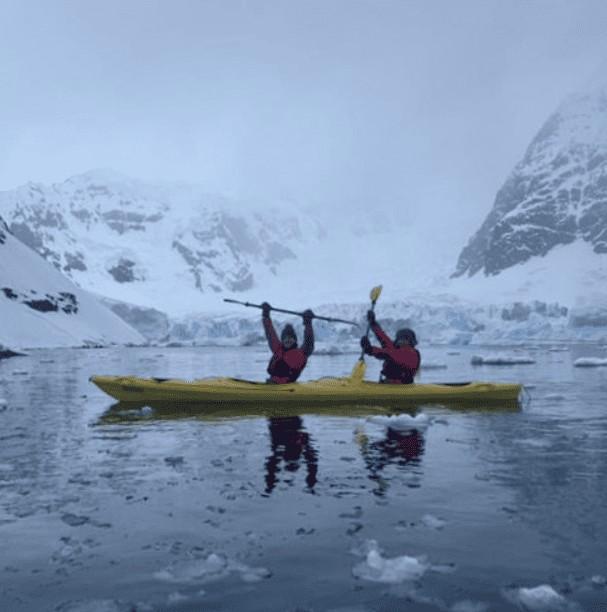
We do on board expedition ships sailing our polar, Great Lakes and Grand Journeys itineraries. We have a fleet of custom designed, easy to operate 2-seater kayaks that feature a pedal system which lets you glide through the water hands-free, maximizing your photo opportunities. (Optional paddles are available, and the seat can be removed and reconfigured for a single guest if requested.)

Zodiacs

Zodiacs

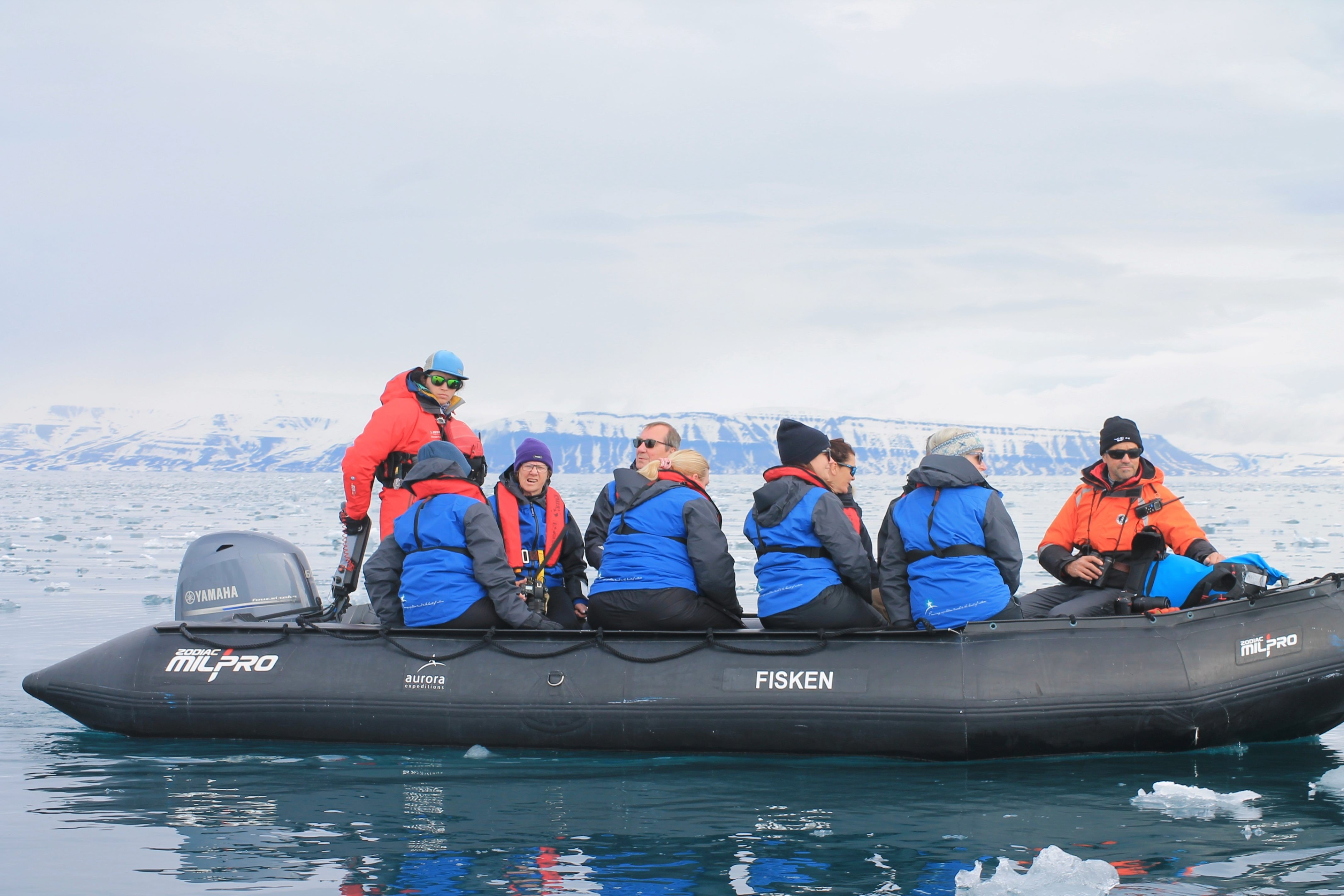
We have a fleet of military Pro zodiacs on board our expedition ships sailing polar, Great Lakes and Grand Journeys itineraries.
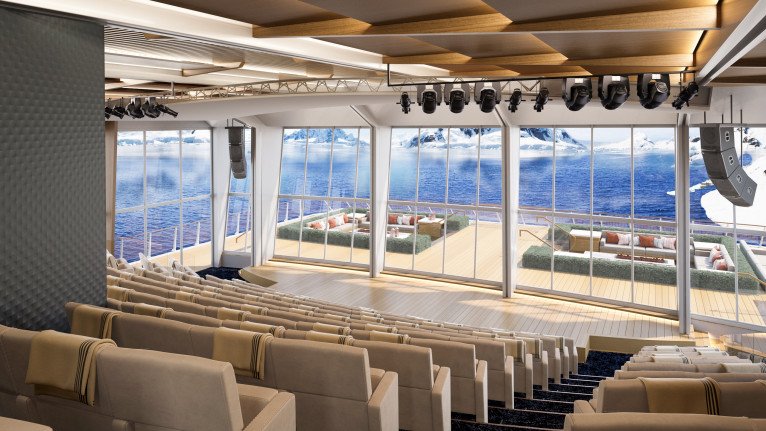
The Aula

The Aula

The world’s most advanced venue for learning at sea, The Aula is a stunning panoramic al fresco auditorium inspired by the University of Oslo’s famed ceremonial hall, the former venue for the Nobel Peace Prize Ceremony. Used for lectures, daily briefings, and films, this unique space features an 8k laser-projected panoramic screen which can retract to expose floor-to ceiling windows and 270° views. In addition, the large bottom windows of the stage wall slide open, providing al fresco access and an indoor-outdoor experience with nature taking center stage.
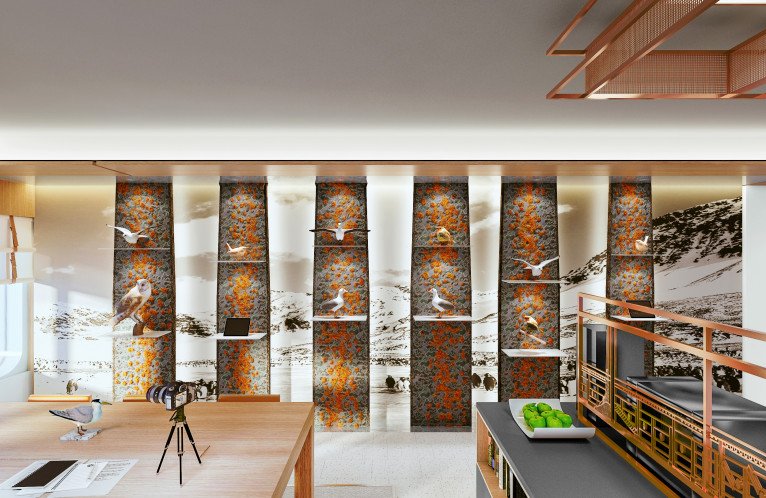
The Studio

The Studio

This onboard area offers a multipurpose space facilitating enrichment experiences with the Viking Resident Scientists. On the wall are felt replicas of the primary avian species that inhabit or migrate to the locations we visit. Here, guests can learn to identify different birds, practice photography techniques, or learn more about their various habits with The Cornell Lab of Ornithology’s ornithologists—part of our Viking Resident Scientists program.

Viking Resident Photographer

Viking Resident Photographer

Part of our Viking Expedition team, our onboard photographer will accompany shore landings and RIB/zodiac excursions, as well as offering lectures and workshops to provide insight and techniques for capturing wildlife and landscapes in the remote locations we visit, so guests can optimize their images.

Viking Resident Scientists

Viking Resident Scientists

Selected by our academic partners, the University of Cambridge’s Scott Polar Research Institute and The Cornell Lab of Ornithology, a group of scientists will be on board every journey, providing lectures, advice and insight to guests in areas such as biology, botany, geology, glaciology, oceanography, ornithology.
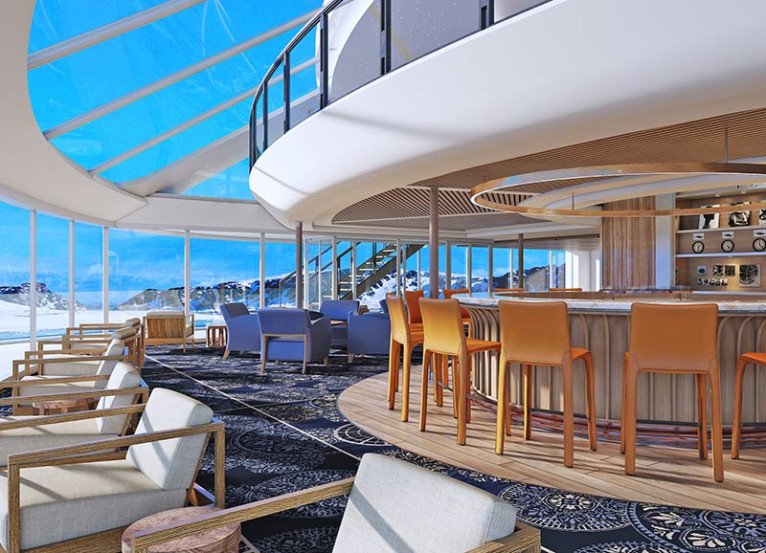
Explorers' Lounge

Explorers' Lounge

A favorite location on our ocean ships, the Explorers’ Lounge is inspired by epic journeys of discovery. Two levels high and surrounded by panoramic windows, this inviting space is the perfect place to relax with friends, while taking in the scenery.
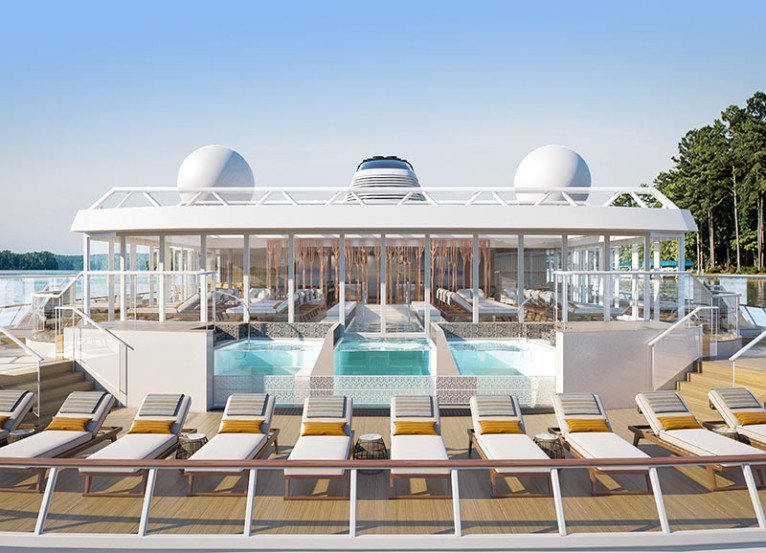
The Pools

The Pools

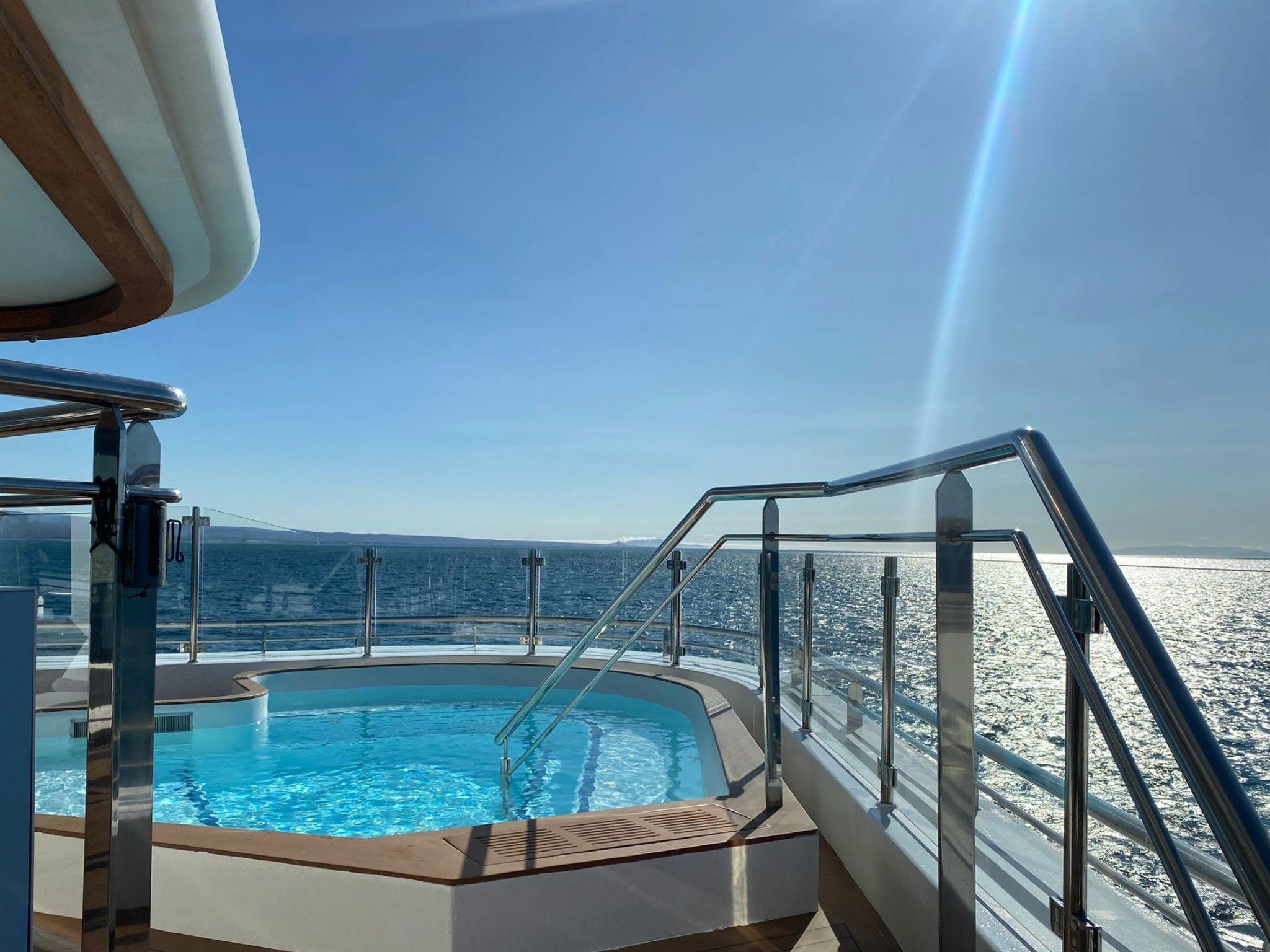
This trio of pools, each at different temperatures, including an indoor-outdoor pass-through swimming experience. The heated main pool is a calming oasis in any weather, protected by a retractable roof for year-round use.
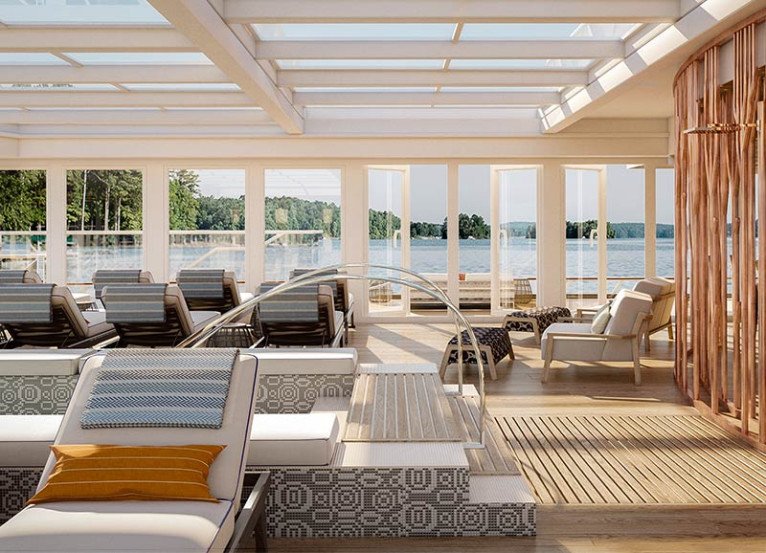
Aquavit Terrace

Aquavit Terrace

Settle in to the Aquavit Bar and share stories with fellow travelers while enjoying an Irish coffee or ship-matured aquavit surrounded by “trees” inspired by Yggdrasil, Norse mythology’s tree of life. The al fresco Aquavit Terrace is directly beyond, surrounding The Pools in the aft of the ship and boasts outstanding views.
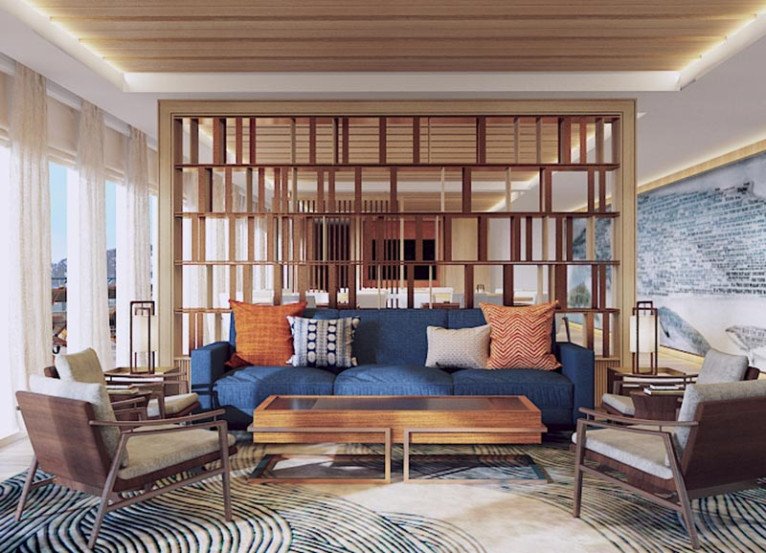
The Living Room

The Living Room

Located high on the ship to maximize views through the floor-to-ceiling windows, here guests can listen to classical music or a soothing piano sonata. With Nordic furnishings, relevant and engaging books, and a wall mural of a variety of whales represented to scale, guests will find both comfort and enrichment.
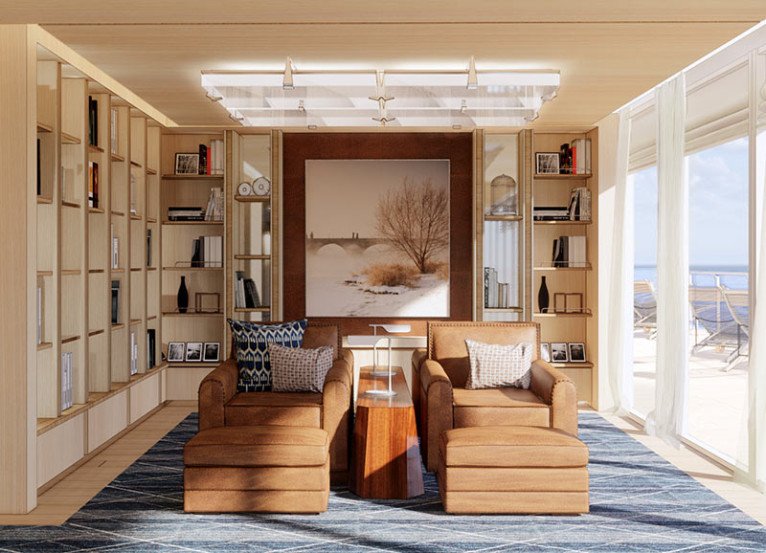
The Library

The Library

Tucked in a private alcove of The Living Room, the Library is a literary traveler’s dream. Select from a broad range of titles from world histories to biographies—all curated specifically for these journeys by legendary bookseller, London’s Heywood Hill.
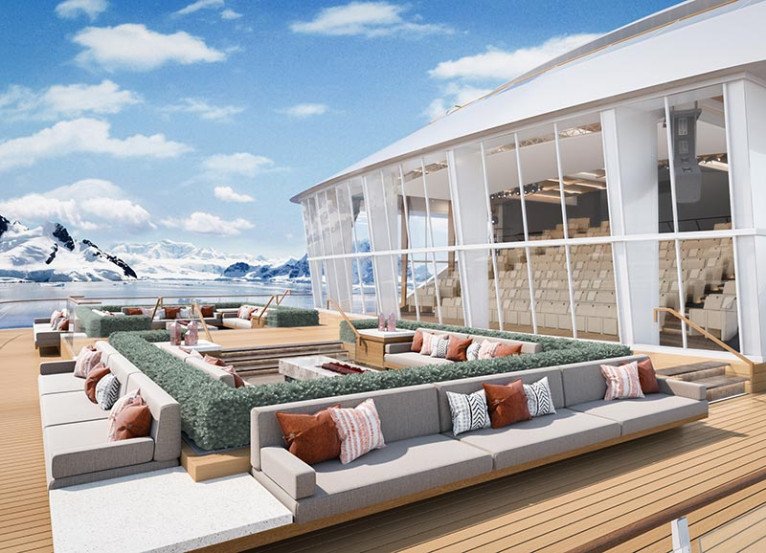
Finse Terrace

Finse Terrace

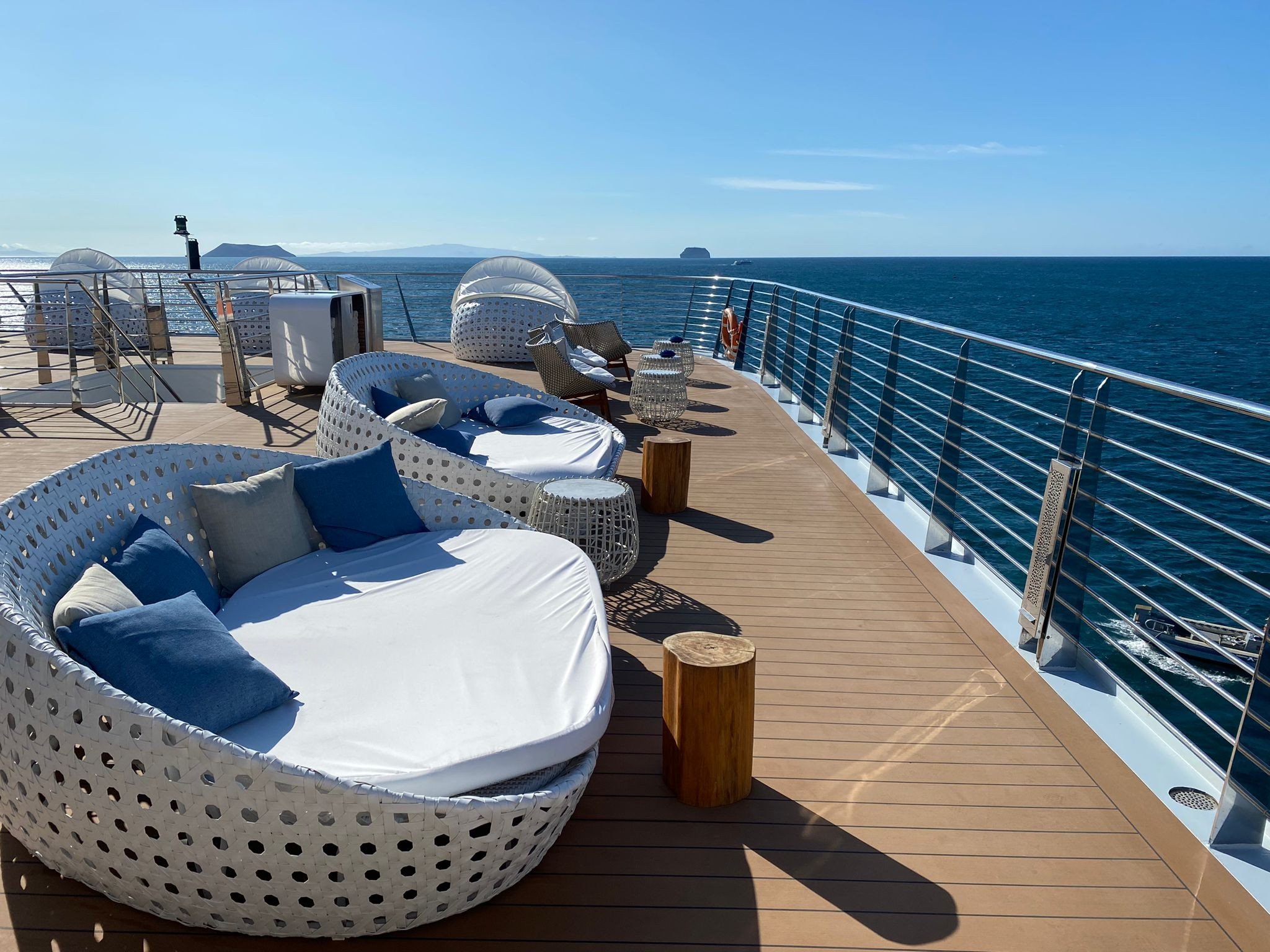
Named after the village high on the mountain plateau of Hardangervidda, Norway, here you will find an outdoor paradise with comfortable seating, 270° views of nature around you, and two heated lava stone “firepits” to keep you warm.
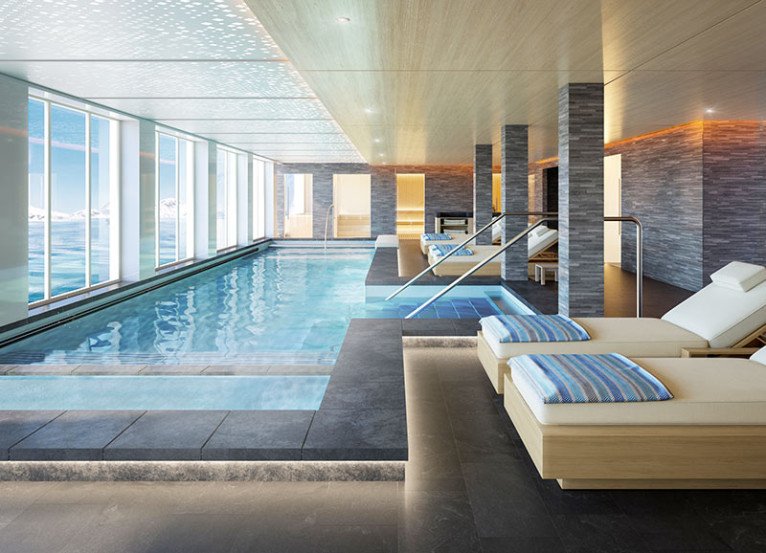
Nordic Spa

Nordic Spa

Relax and take in the scenery from our spa pool, gazing out of floor-to-ceiling windows. Work out in the Fitness Center on a choice of treadmills, ellipticals, stationary bikes or weight machines. Or, enjoy the sauna, Snow Grotto with its “snow-on-demand” or warming cave.
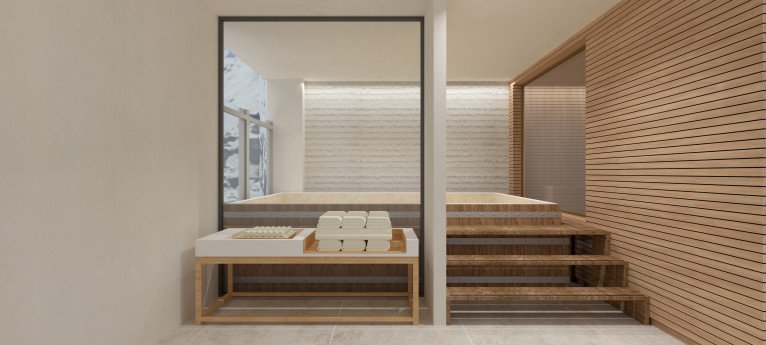
Badestamp

Badestamp

Following Nordic tradition, our onboard badestamp, located in the Nordic Spa, is a traditional wooden-sided hot tub, perfect for relaxing after a day of exploration. Try the longstanding Scandinavian practice of alternating between hot and cold when bathing to relax and rejuvenate.


Deck A
Deck 1
Deck 2
Deck 3
Deck 4
Deck 5
Deck 6

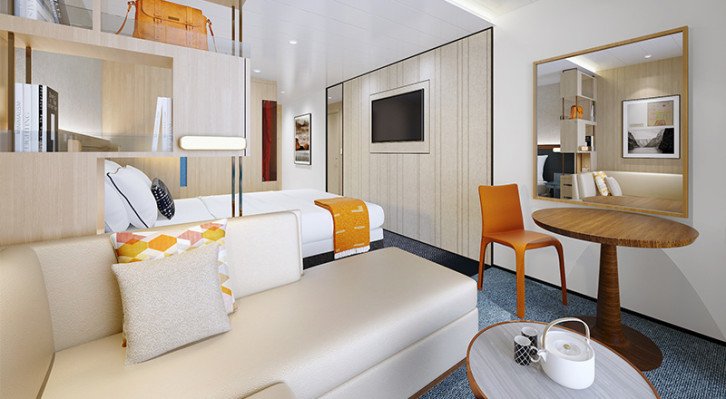
Viking Octantis Cabins & Suites

Deluxe Nordic Balcony

Deluxe Nordic Balcony

  • Size including Nordic Balcony: 222 sq ft
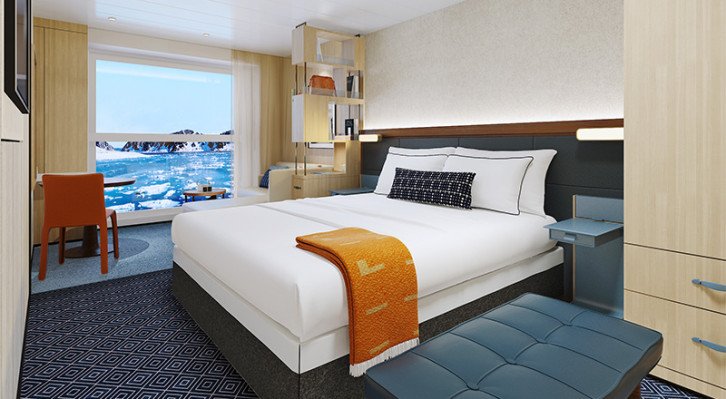
  • 2 PM stateroom access
  • Floor-to-ceiling drying closet
  • Priority expedition activity reservations (67 days prior to departure)
  • One guaranteed priority reservation at each alternative restaurant (60 days prior to departure)
  • Priority booking of spa treatments (60 days prior to departure)
  • Mini-bar with soft drinks, water & snacks, replenished once daily
  • In-suite binoculars, coffee & Marius-weave blanket

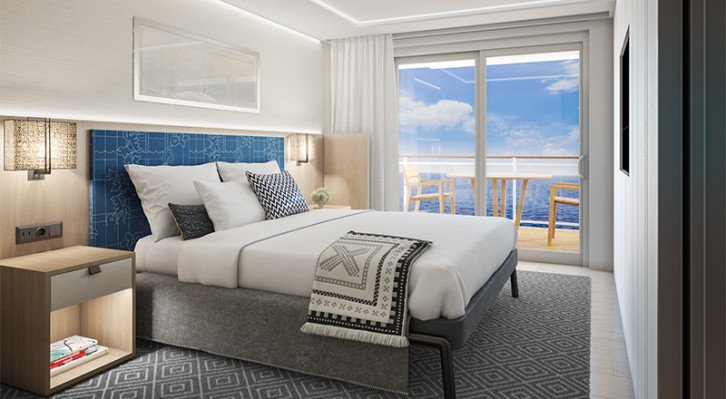
Nordic Balcony

Nordic Balcony

  • Size including Nordic Balcony: 222 sq ft
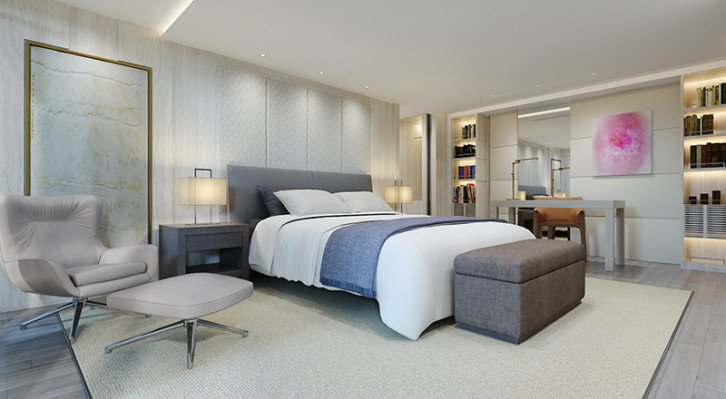
  • 3 PM stateroom access
  • Floor-to-ceiling drying closet
  • Expedition activity reservations (60 days prior to departure)
  • Mini-bar with soft drinks, water & snacks
  • In-suite binoculars & Marius-weave blanket

Owner's Suite

Owner's Suite

  • Largest suite on board: 1,223 sq. ft. with a 792 sq. ft. private garden lounge area with badestamp
  • All amenities of the Explorer Suite, plus:
  • Priority stateroom access
  • Floor-to-ceiling drying closet
  • Four guaranteed priority reservations at each alternative restaurant (100 days prior to departure)
  • First priority expedition activity reservations (107 days prior to departure)
  • First priority booking of spa treatments (100 days prior to departure)
  • Dinner & guided tour with ship officers (subject to availability)
  • Large master bathroom, plus one guest bathroom
  • Separate dining area/board room that seats six guests
  • Private library, wine & music collections curated by Chairman Torstein Hagen
  • And more; ask for details

Explorer Suite

Explorer Suite

  • Size including Nordic Balcony & private veranda: 580 sq. ft.
  • 11 AM stateroom access
  • Floor-to-ceiling drying closet
  • Priority expedition activity reservations (97 days prior to departure)
  • Three guaranteed priority reservations at each alternative restaurant (90 days prior to departure)
  • Priority booking of spa treatments (90 days prior to departure)
  • Mini-bar with alcoholic beverages, soft drinks, water & snacks, replenished once daily
  • In-suite binoculars, coffee & Marius-weave blanket
  • Laundry, dry cleaning, pressing & shoe shine services
  • Welcome bottle of champagne
  • Exclusive access to shared Explorer Suite private garden lounge area

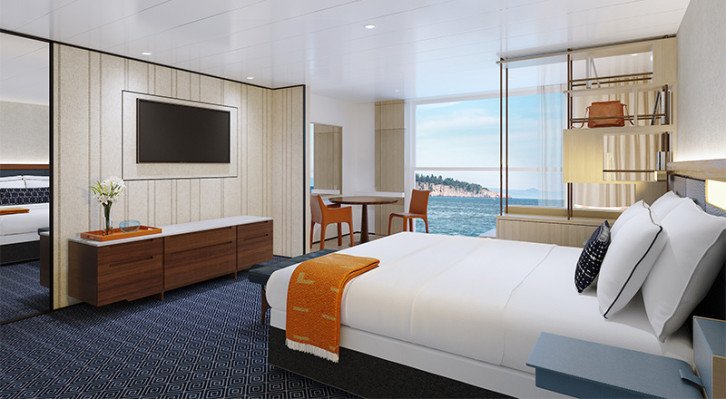
Nordic Junior Suite

Nordic Junior Suite


  • Size including Nordic Balcony: 322 sq ft
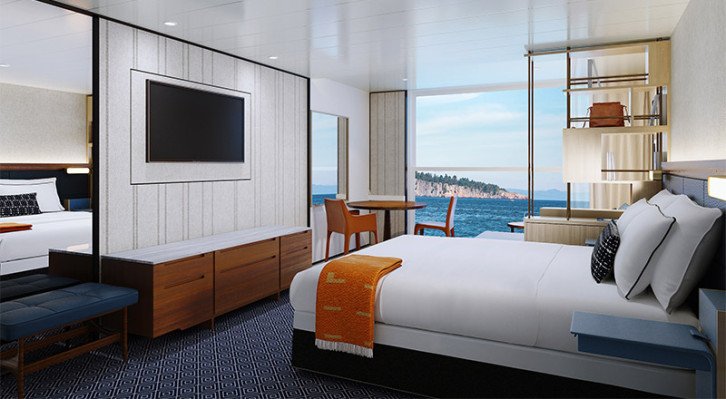
  • 11 AM stateroom access
  • Floor-to-ceiling drying closet
  • Priority expedition activity reservations (87 days prior to departure)
  • Three guaranteed priority reservations at each alternative restaurant (80 days prior to departure)
  • Priority booking of spa treatments (80 days prior to departure)
  • Mini-bar with alcoholic beverages, soft drinks, water & snacks, replenished once daily
  • In-suite binoculars, coffee & Marius-weave blanket
  • Laundry, dry cleaning, pressing & shoe shine services
  • Bottle of champagne

Nordic Penthouse

Nordic Penthouse

  • Size including Nordic Balcony: 269 sq ft
  • 1 PM stateroom access
  • Floor-to-ceiling drying closet
  • Priority expedition activity reservations (77 days prior to departure)
  • Two guaranteed priority reservations at each alternative restaurant (70 days prior to departure)
  • Priority booking of spa treatments (70 days prior to departure)
  • Mini-bar with alcoholic beverages, soft drinks, water & snacks, replenished once daily
  • In-suite binoculars, coffee & Marius-weave blanket
  • Pressing & shoe shine services
  • Bottle of champagne

OUR EXPERT CONCIERGE

Lisa M
Lisa M

Specialist Cruise Concierge and Expedition Specialist
Andrew W
Andrew W

Sales Manager for SixStarCruises

Laura W
Laura W

Senior Specialist Cruise Concierge and Expedition Specialist
Katie
Katie

Specialist Cruise Concierge and Expedition Specialist

Claire
Claire

Specialist Cruise Concierge and Expedition Specialist

Lisa P
Lisa P

Specialist Cruise Concierge and Expedition Specialist
Stacey
Stacey

Senior Cruise Concierge and Expedition Specialist
Rebecca
Rebecca

Specialist Cruise Concierge and Expedition Specialist
Shirley
Shirley

Specialist Cruise Concierge and Expedition Specialist

Richard
Richard

Specialist Cruise Concierge and Expedition Specialist
Elizabeth
Elizabeth

Specialist Cruise Concierge and Expedition Specialist
Emma
Emma

Specialist Cruise Concierge and Expedition Specialist
SixStarCruises

Customer Reviews

OUR ACCREDITATIONS

Member of the Expedition Cruise Network

Member of the Expedition Cruise Network

Partnership Achievement Award 2026

Partnership Achievement Award 2026

Luxury Cruise Agency of the Year 2025

Luxury Cruise Agency of the Year 2025

Luxury Cruise Agency Of The Year 2024

Luxury Cruise Agency Of The Year 2024

You've added to your wishlist. To view, go to Wishlist